
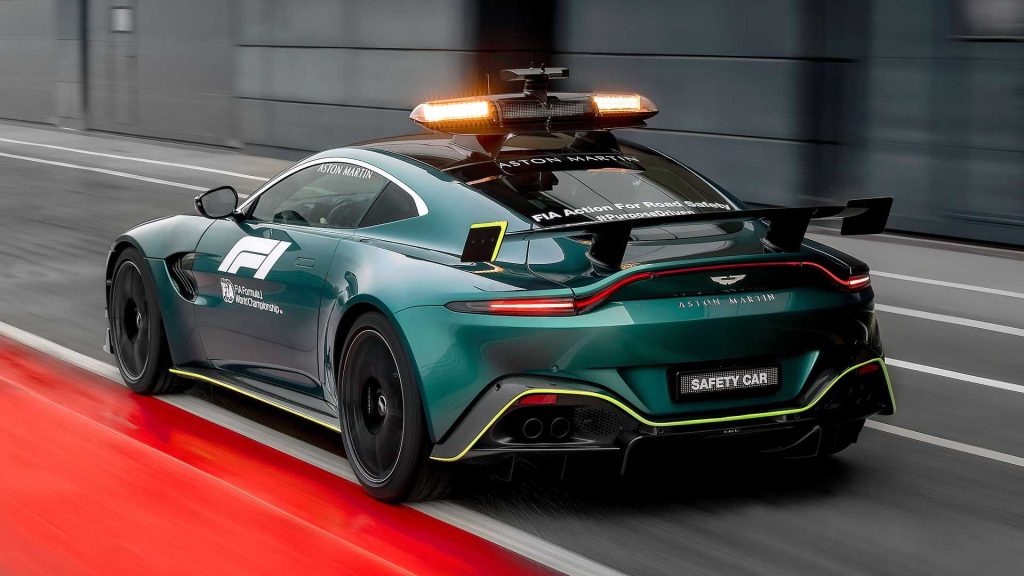
How Fast Does Safety Car Go in F1? Have you ever wondered how fast the safety car goes during a Formula 1 race? When the track gets dangerous, the safety car takes charge, slowing down the pack to keep drivers safe.
But just how quick is it really? Understanding the speed of the safety car can change the way you watch F1 races and appreciate the strategy behind every lap. Keep reading, and you’ll discover surprising facts that make this slow-moving hero a key player on the track.
Role Of The Safety Car
The safety car plays a crucial role in Formula 1 races, acting as a guardian when unexpected situations arise on the track. Its main job is to control the race pace and keep drivers safe during hazardous moments. Understanding this role helps you appreciate why the safety car is more than just a slow-moving vehicle; it’s a key part of race management.
Purpose In F1 Races
The safety car’s main purpose is to slow down the race when there’s a danger on the track, such as an accident or debris. It ensures that drivers reduce speed and avoid further incidents while marshals clear the track. This helps protect both the drivers and track workers.
Beyond safety, the safety car also helps maintain fair competition. It bunches up the field, eliminating large gaps between drivers caused by caution periods. This can change race dynamics and strategy, making it a tactical element for teams and drivers.
When It Comes Out
The safety car is deployed when the race director spots conditions too dangerous for normal racing. This could be after a crash, bad weather, or obstacles on the circuit. You might wonder how quickly it arrives—usually within seconds—so the track is secured promptly.
Once the safety car is out, all drivers must line up behind it in the order they were in before the incident. They cannot overtake, which keeps the race controlled and orderly. The safety car stays on track until the danger is fully cleared and the race can safely resume.
Typical Safety Car Speed
The typical safety car speed in Formula 1 varies depending on many conditions. It must be fast enough to keep race cars warm but slow enough to ensure safety. This balance helps drivers maintain tire temperature and avoid accidents during caution periods.
The safety car leads the pack at a controlled pace. It prevents cars from racing but keeps the flow steady. Understanding the average speed range and what affects it reveals how this balance is achieved.
Average Speed Range
Safety cars usually travel between 80 and 130 km/h (50 to 80 mph). The speed changes based on the track layout and weather conditions.
- On tight, twisty circuits, speeds are closer to 80 km/h.
- On faster, open tracks, speeds can reach up to 130 km/h.
- Speeds remain below racing speeds to maintain control.
Factors Affecting Speed
- Track Design:Narrow or complex tracks require slower speeds.
- Weather:Wet or slippery conditions force the safety car to slow down.
- Traffic:The number of cars and their spacing impact the pace.
- Driver Skill:Safety car drivers must balance speed with caution.
- Race Regulations:Rules define speed limits during safety car periods.
Comparison With F1 Race Cars
The safety car in Formula 1 plays a crucial role during races. It controls the pace and ensures safety on the track. Comparing the safety car with F1 race cars reveals clear differences in speed and handling. These differences affect how each vehicle performs during a race or caution period.
Speed Differences
F1 race cars can reach speeds over 220 mph. The safety car, however, moves much slower. Its top speed usually ranges between 100 to 130 mph. This slower pace allows drivers to stay safe while the track is cleared. The safety car’s speed is enough to keep the race organized but not fast enough for racing.
Handling And Performance
F1 race cars have advanced aerodynamics and lightweight designs. This helps them corner at high speeds and accelerate quickly. Safety cars are heavier and less aerodynamic. They offer stable handling but lack the sharp performance of race cars. Their setup focuses on smooth driving instead of fast lap times.

Credit: www.grixme.com
Records And Notable Speeds
Safety cars in Formula 1 races may not compete for the win, but their speed records and notable runs are surprisingly impressive. Understanding these records gives you a fresh perspective on how crucial and dynamic safety car operations can be. They aren’t just slow-moving vehicles; they have moments where speed and precision matter intensely.
Fastest Safety Car Runs
One of the fastest recorded safety car speeds in F1 was during the 2019 Brazilian Grand Prix. The safety car, a Mercedes-AMG GT R, reached speeds close to 180 km/h (112 mph) on certain straights. This is remarkable, considering its main job is to control race pace, not outrun the drivers.
Safety cars generally maintain speeds between 80 to 120 km/h (50 to 75 mph) during most laps, but on tracks with long straights, those numbers can spike. It’s a delicate balance: they must stay fast enough to keep tire temperatures up for the race cars, yet slow enough to ensure safety on the circuit.
Surprising Speed Moments
Some safety car moments catch fans off guard due to their unexpected speed. At the 2017 Azerbaijan GP, the safety car was seen accelerating faster than many anticipated, nearly matching the pace of mid-field race cars. This allowed drivers to stay closer together and kept the race exciting once the safety car period ended.
Have you ever wondered how a safety car driver handles the pressure of balancing speed and safety in such high-stakes moments? Their skill often goes unnoticed, but it’s key to maintaining race integrity. These moments show that the safety car isn’t just a slow pace-setter but an active, strategic part of the race.
Safety Car Drivers
Safety car drivers in F1 maintain a speed of about 124 mph. They ensure drivers stay warmed up and ready. Precision and skill keep the race safe during caution periods.
Safety Car drivers in Formula 1 play a crucial role in ensuring the safety of both drivers and spectators during races. These drivers need to have exceptional skills and a strong understanding of racing dynamics. Their job is not just about leading the pack at a controlled speed, but also about making split-second decisions under immense pressure.
Professional Background
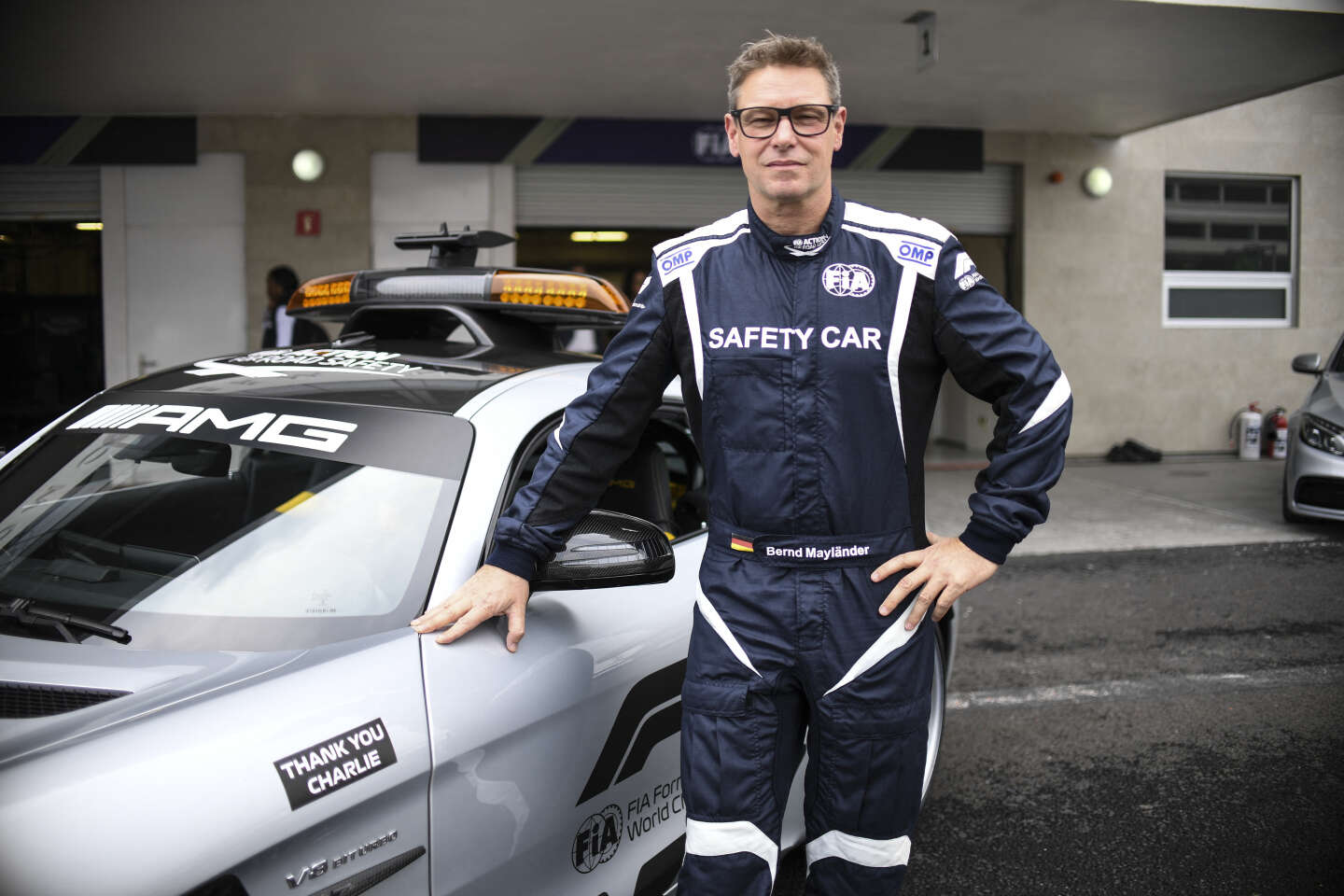
Most Safety Car drivers come from diverse motorsport backgrounds. Many have professional racing experience, often in high-speed categories like touring cars or GT racing. This experience equips them with the instincts and expertise necessary to handle the unpredictability of an F1 race. Bernd Mayländer, a renowned Safety Car driver, has a career that spans various racing disciplines. Such a background ensures that he can anticipate the needs of F1 drivers and adapt swiftly to any scenario on the track. Would you trust just anyone to lead a pack of the world’s fastest cars?
Driving Challenges
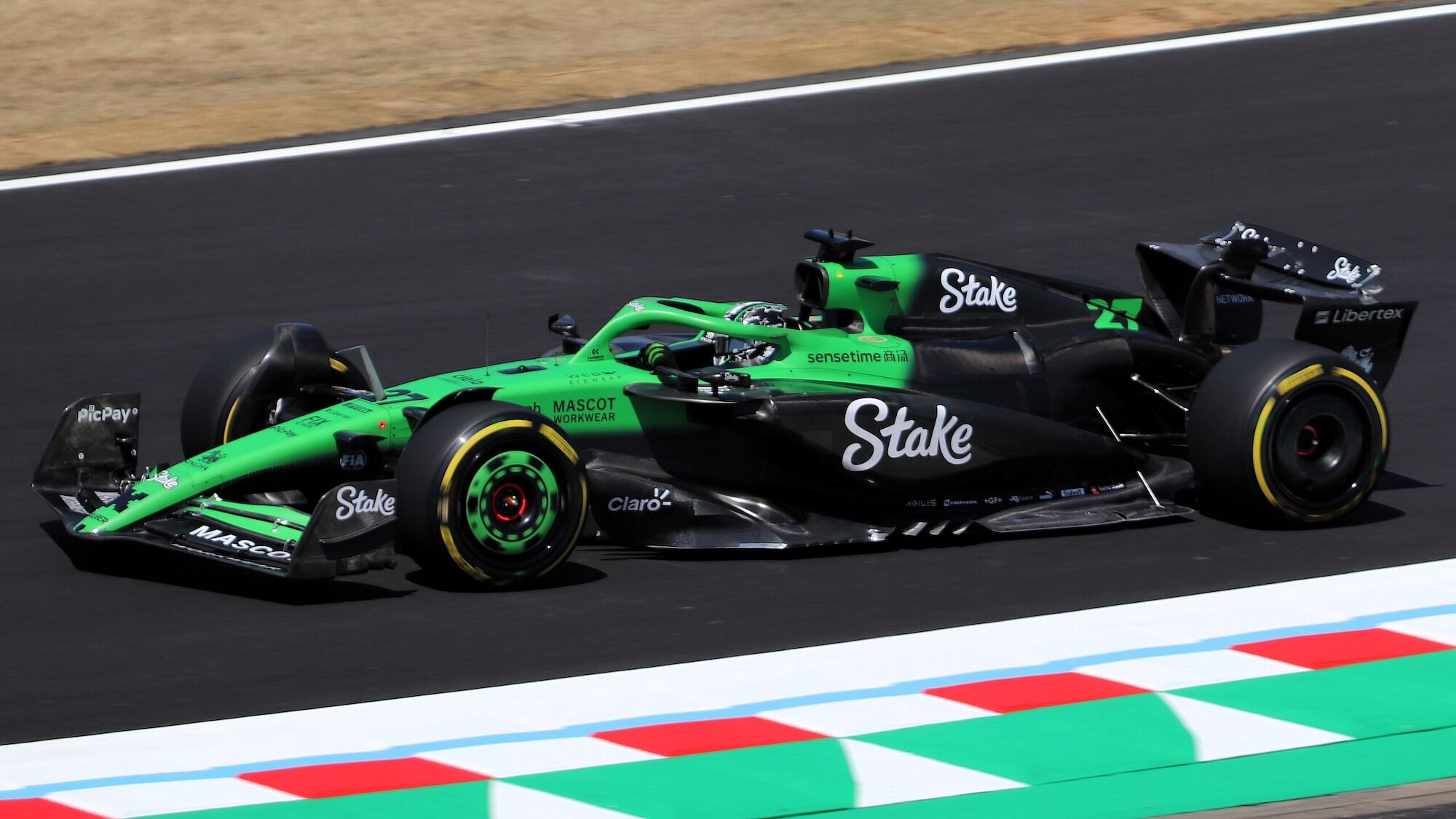
Driving a Safety Car in F1 is no walk in the park. The car must maintain a speed that keeps the F1 cars’ tires and brakes warm, yet safe enough to control the pack. This requires precise throttle control and an intimate understanding of the track. Weather conditions add another layer of complexity. Rain or shine, the Safety Car driver must adapt to changing grip levels and visibility. Imagine navigating a slick track with 20 adrenaline-fueled F1 drivers behind you, all eager to resume racing. Could you handle that pressure? While the pace may not match that of an F1 car, the challenges faced by Safety Car drivers demand exceptional skill, quick thinking, and unwavering focus. It’s a role that combines the thrill of racing with the responsibility of safeguarding the sport’s integrity.
Credit: rtrsports.com
Impact On Race Dynamics
The safety car plays a crucial role in shaping the flow of a Formula 1 race. Its presence changes how drivers approach their pace and how teams plan their strategies. Understanding the impact on race dynamics helps you appreciate why the safety car is more than just a slow-moving vehicle on the track.
Effect On Race Pace
The safety car significantly slows down the race pace, bunching up the field and reducing gaps between drivers. This often erases any hard-earned leads, forcing drivers to restart with a fresh challenge ahead.
When the safety car is out, drivers must keep their tires and brakes warm despite driving at reduced speeds. This balancing act affects their performance once the race resumes. Have you noticed how some drivers struggle more than others after a safety car period? That’s because maintaining optimal temperature is a skill in itself.
Strategic Implications
The safety car period opens a window for teams to rethink their race strategy. Pit stops under safety car conditions are a popular tactic because they cost less time compared to pitting under normal racing speeds.
Teams must quickly analyze the situation: Is it better to pit now or wait? This decision can make or break their race outcome. Your favorite team’s choice during these moments often reflects their real-time problem-solving skills.
- Some teams take advantage to switch to fresher tires, gaining grip for the restart.
- Others hold off, betting on a later safety car or a clear track ahead.
- Fuel management also becomes critical, as slower laps consume less fuel.
Would you risk a pit stop during a safety car, or stick to your original plan? This question highlights the strategic tension that safety cars inject into every race.
Technical Specs Of Safety Cars
The technical specifications of safety cars in Formula 1 play a vital role in race management. These cars must combine speed, control, and reliability. They lead the pack during caution periods, ensuring driver safety on the track.
Safety cars are not ordinary vehicles. They are specially chosen and modified to meet strict performance and safety standards. Their specifications allow them to maintain pace with F1 cars at reduced speeds. This balance is crucial for race safety and flow.
Common Models Used
Formula 1 safety cars come from high-performance brands. Manufacturers often include:
- Mercedes-AMG GT
- Aston Martin Vantage
- Porsche 911
- BMW M8
These models are selected for their power and handling. They must perform well on different track types and conditions. The cars are equipped with special lights and communication tools for race control.
Performance Modifications
Safety cars undergo several modifications to enhance their abilities. Common upgrades include:
- Engine tuning for faster acceleration
- Upgraded brakes for better control
- Reinforced suspensions for stability at high speeds
- Enhanced cooling systems to prevent overheating
- Installation of safety lights and radio systems
These changes ensure safety cars keep pace with racing cars safely. They must respond quickly to any incidents on the track. The modifications help maintain safety without compromising performance.
Credit: www.lemonde.fr
Frequently Asked Questions
How Fast Does An F1 Safety Car Typically Go?
An F1 safety car usually reaches speeds around 150-180 km/h (93-112 mph). It balances safety and track conditions during races.
Why Doesn’t The F1 Safety Car Go At Full Speed?
The safety car drives slower to control the race pace and ensure driver safety. It prevents accidents during hazardous track situations.
What Models Are Used As F1 Safety Cars?
F1 safety cars are high-performance sports cars from brands like Mercedes, Porsche, or Aston Martin, chosen for speed and reliability.
How Does Safety Car Speed Affect Race Strategy?
Safety car speed slows the race, allowing teams to adjust pit stops and strategies, impacting tire choices and overall race outcomes.
Conclusion
The safety car plays a key role in F1 races. It drives slower than race cars but still moves fast enough. This speed helps keep drivers safe during accidents or hazards. Understanding its speed shows how F1 balances safety and excitement.
Fans get to see thrilling races without risking lives. Safety cars keep the sport fair and secure. Knowing this adds to the enjoyment of every race. The safety car’s speed is just right for its job.