
Can’T Get Car into Gear With Engine Running. Have you ever tried to shift your car into gear while the engine is running, only to find it stuck? It’s frustrating, confusing, and can leave you wondering what went wrong.
If you’re facing this problem, you’re not alone—and there are simple reasons behind it. You’ll discover why your car won’t go into gear and what steps you can take to fix it quickly. Keep reading to get your car moving smoothly again without the stress.

Credit: www.youtube.com
Common Reasons For Gear Shift Issues
Having trouble getting your car into gear while the engine is running can be frustrating. Several common issues might be causing this problem, and understanding them can save you time and money. Let’s break down the most frequent reasons why your gear shift isn’t cooperating.
Clutch Problems
If your car has a manual transmission, the clutch plays a crucial role in shifting gears. A worn-out clutch disc or a faulty clutch master/slave cylinder can prevent smooth gear engagement. Have you noticed the clutch pedal feeling spongy or sticking? That’s often a clear sign of clutch issues affecting your ability to shift.
Transmission Fluid Levels
Automatic transmissions rely heavily on the right amount of transmission fluid to work properly. Low or dirty fluid can cause the transmission to hesitate or refuse to shift. Checking your fluid level is simple and might reveal a quick fix—just be sure to use the fluid type specified in your owner’s manual.
Shift Linkage Issues
The shift linkage connects your gear lever to the transmission. If it becomes loose, damaged, or misaligned, it can stop the gears from engaging correctly. It’s worth inspecting the linkage if you hear unusual noises or feel resistance while trying to shift.
Brake Pedal Switch Faults
Many modern cars include a safety feature that prevents shifting out of park unless the brake pedal is pressed. A faulty brake pedal switch might trick the system into thinking the pedal isn’t pressed, locking your gear shift. Testing this switch could reveal the root cause and get you back on the road faster.
Credit: www.dodge-dart.org
Simple Checks Before Driving
Before you hit the road, taking a moment for a few simple checks can save you from getting stuck with your car unable to shift gears. These quick inspections help spot common issues early, giving you peace of mind and avoiding frustrating delays. Have you ever rushed to drive only to find your car won’t shift? Let’s break down what you can check in seconds.
Ensure Clutch Fully Depressed
If your car has a manual transmission, the clutch pedal plays a key role in shifting gears. Make sure you press the clutch pedal all the way down before trying to move the gear stick. Sometimes, not pressing it fully prevents the car from engaging the gear, causing that stuck feeling.
Try this: slowly press the clutch pedal and feel if it goes down smoothly without resistance. If it feels spongy or doesn’t go all the way down, there might be an issue with the clutch system that needs attention.
Check Gear Shift Lock
Many automatic cars come with a gear shift lock system that stops you from shifting out of park without pressing the brake pedal. If your car won’t shift, check if you’re pressing the brake firmly enough.
Sometimes, the gear shift lock button or mechanism might get stuck or malfunction. Try pressing the button near the gear stick while gently moving the shifter. Have you noticed this small button before? It can be the key to unlocking your gear shift.
Inspect Transmission Fluid
Transmission fluid keeps your gears running smoothly. Low or dirty transmission fluid can cause shifting problems. Look under your hood for the transmission fluid dipstick, usually marked with a bright handle.
Check the fluid level and color—healthy fluid is typically bright red or pink and clear. Dark or burnt-smelling fluid suggests it’s time for a change. Have you checked your transmission fluid recently? It’s an easy step that can prevent many gear issues.
Verify Brake Pedal Function
Your brake pedal doesn’t just stop your car; it can also affect your ability to shift gears in automatic vehicles. Ensure your brake pedal is responsive and fully pressed when trying to change gears.
If the brake lights don’t come on or the pedal feels loose, the brake switch might be faulty. This switch signals the car’s system that it’s safe to shift. Could a brake pedal issue be the hidden reason your car won’t shift?
Quick Fixes For Manual Transmission
If you find yourself struggling to get your manual car into gear while the engine is running, don’t panic. There are several quick fixes you can try before heading to a mechanic. These simple adjustments often solve the problem and get you back on the road fast.
Adjusting The Clutch Pedal
Sometimes, the clutch pedal may not be engaging fully, preventing the gears from shifting smoothly. Check if the pedal feels too loose or too tight. You can usually adjust the clutch pedal height or free play by turning the adjustment screw near the pedal or under the hood.
Proper clutch pedal adjustment ensures the clutch fully disengages when pressed. This makes shifting gears easier and avoids grinding noises. If you’re unsure how to adjust it, your car’s manual will have specific instructions.
Bleeding The Clutch System
If the clutch pedal feels spongy or sinks to the floor, air might be trapped in the hydraulic clutch system. Bleeding the clutch removes this air and restores proper pedal pressure. You’ll need a friend to help you pump the pedal while you open and close the bleed valve on the clutch master or slave cylinder.
Regular maintenance like this keeps your clutch responsive. Have you checked your brake fluid reservoir lately? Low fluid levels can also affect clutch performance.
Lubricating Shift Linkage
Stiff or sticky gear shifts can sometimes be fixed by lubricating the shift linkage. Dirt, rust, or lack of grease can cause resistance, making it hard to move the gear stick. Use a suitable lubricant on the moving parts of the shift linkage under the hood or inside the cabin.
Make sure to use a lubricant that won’t attract dirt or dry out quickly. After lubrication, test the gear shift to feel the difference. Could this simple maintenance step save you a costly repair?
Credit: www.sunautoservice.com
Quick Fixes For Automatic Transmission
Automatic transmissions can sometimes refuse to shift gears even with the engine running. This issue causes frustration and delays. Quick fixes often solve the problem without expensive repairs. These simple checks help get the car moving again fast.
Resetting The Gear Shift Lock
The gear shift lock keeps the car from shifting out of park accidentally. Sometimes, it gets stuck and blocks gear changes. To reset it:
- Turn the ignition off and remove the key.
- Press the brake pedal firmly.
- Locate the shift lock release slot near the gear lever.
- Insert a small flat tool or key into the slot.
- Press down and try moving the gear lever out of park.
This release bypasses the lock and allows shifting. Many times, this simple reset fixes the problem.
Checking Brake Light Switch
The brake light switch signals the car to release the gear shift lock. A faulty switch stops the signal, blocking gear changes. To check it:
- Press the brake pedal and watch if the brake lights turn on.
- If brake lights stay off, the switch may be faulty.
- Test the switch with a multimeter for continuity.
- Replace the brake light switch if it does not work.
A working brake light switch is essential for shifting gears.
Inspecting Transmission Fluid
Transmission fluid lubricates and cools the transmission parts. Low or dirty fluid causes shifting problems. To inspect the fluid:
- Park the car on a level surface and keep the engine warm.
- Locate the transmission dipstick under the hood.
- Pull out the dipstick and wipe it clean.
- Reinsert and remove it again to check fluid level and color.
- Fluid should be bright red or pink and at the correct level.
- Dark or burnt-smelling fluid needs replacement.
Regular fluid checks help maintain smooth gear shifts.
When To Seek Professional Help
Knowing when to get help from a car expert can save time and money. Some problems need tools and knowledge beyond simple fixes. Early professional checks stop small issues from growing into big repairs.
Watch for signs that show your car needs expert care. These signs often point to parts that wear out or fail. Ignoring them can lead to more damage and higher costs.
Persistent Clutch Slippage
Clutch slippage means the car engine revs, but the car moves slowly. This issue gets worse with time. If the clutch slips even after adjusting, a mechanic should inspect it. Continuing to drive this way can damage the transmission.
Transmission Noise Or Grinding
Strange noises or grinding sounds when shifting gears are warning signs. These sounds may mean worn gears or low fluid. Driving with these noises risks severe transmission damage. A professional can diagnose and fix the cause quickly.
Fluid Leaks
Transmission fluid leaks look like red or brown puddles under the car. Low fluid levels cause poor gear shifting and overheating. Finding and fixing leaks early prevents costly transmission failure. Seek professional help for leak repairs and fluid refills.
Electronic Control Issues
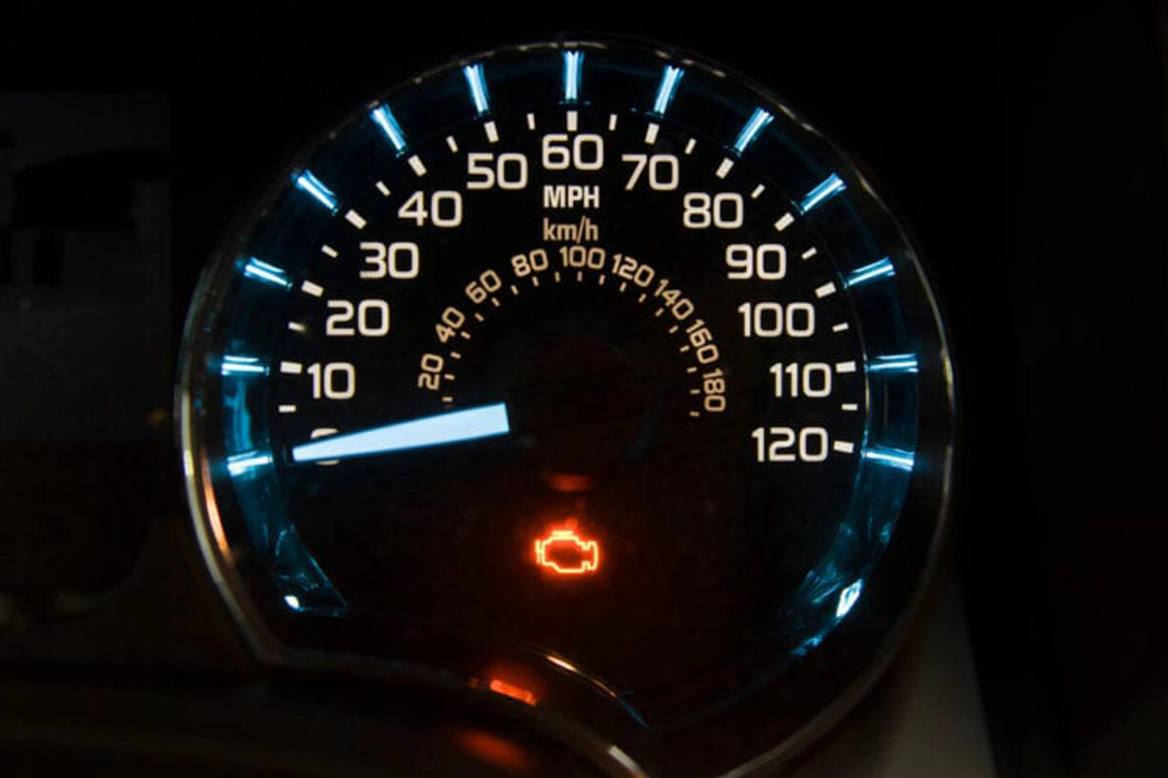
Modern cars use electronic systems to control the transmission. Warning lights or error codes on the dashboard may appear. These problems affect shifting and safety. A trained technician can use tools to read codes and repair the system properly.
Preventive Tips To Avoid Gear Problems
Regularly check the clutch and transmission fluid to keep gears shifting smoothly. Avoid riding the clutch and ensure the engine is at the right RPM before shifting. Simple care helps prevent gear problems and keeps your car running well.
Preventive Tips to Avoid Gear Problems Ensuring smooth gear transitions is essential for a safe drive. Regular preventive measures can help you avoid gear issues. Simple practices can maintain your car’s health and extend its lifespan. Let’s explore some key preventive tips.
Regular Maintenance Schedule
Follow a regular maintenance schedule. Routine checks keep your vehicle in top shape. A trusted mechanic can spot potential problems early. This proactive approach saves time and money.
Proper Clutch Usage
Use your clutch properly. Avoid resting your foot on the clutch pedal. This practice can wear out the clutch quickly. Engage the clutch smoothly when shifting gears. It reduces unnecessary strain on the gearbox.
Fluid Level Checks
Check fluid levels regularly. Transmission fluid is vital for smooth gear operations. Low fluid levels can lead to gear slipping. Ensure fluid levels are at the recommended level.
Prompt Repairs
Address issues promptly. Ignoring minor problems can lead to major repairs. Strange noises or difficulty in shifting gears need immediate attention. Quick repairs prevent further damage and ensure safety.
Frequently Asked Questions
Why Can’t I Shift Gears With Engine Running?
You may face this issue due to clutch problems, transmission fluid levels, or linkage issues. Check clutch operation and fluid first.
How To Fix Car Not Going Into Gear?
Inspect the clutch pedal, transmission fluid, and linkage. Adjust or replace faulty parts. Consult a mechanic if unsure.
Can Low Transmission Fluid Cause Gear Shifting Issues?
Yes, low or dirty transmission fluid can prevent smooth gear shifting. Regularly check and change fluid to avoid problems.
Is A Faulty Clutch Causing Gear Engagement Problems?
A worn or damaged clutch can stop the car from shifting gears. Clutch replacement may be necessary for smooth operation.
Conclusion
Getting your car into gear with the engine running can be tricky sometimes. Small issues like a worn clutch or low transmission fluid often cause this problem. Checking these parts early can save you from bigger repairs later. Taking your car to a trusted mechanic helps find and fix the issue fast.
Don’t ignore strange sounds or difficulty shifting gears. Staying alert keeps your car running smoothly and your drives safe. Keep these tips in mind for a hassle-free ride every time.