
Choosing the right side to put your baby’s car seat might seem simple, but it can make a big difference in your child’s safety and your peace of mind. You want to protect your little one the best way possible every time you drive.
But which side is safest? Should it be the passenger side, the driver’s side, or somewhere else? You’ll discover the expert advice and practical tips you need to feel confident about where to place your baby’s car seat. Keep reading to ensure your baby rides as safely as possible.
Best Car Seat Positions
Choosing the best spot for your baby’s car seat is important for safety and comfort. The right position can protect your child during sudden stops or accidents. Parents often wonder which seat offers the most security and ease of use. Understanding the benefits and risks of each location helps make a smart choice.
Rear Middle Seat Advantages
The rear middle seat is often the safest place for a baby car seat. It keeps your child farthest from any impact during a crash. This spot offers better protection from side collisions. It also allows you to watch your baby easily while driving.
- Maximum distance from doors and airbags
- Less chance of injury in side crashes
- Central position helps with supervision
- Usually the safest spot according to safety experts
Rear Side Seats Pros And Cons
Rear side seats are a popular choice due to convenience. Installing the car seat here is often easier. Parents can load and unload their child from the curb side, which is safer than the street side.
- Pros:Easy access, good visibility, curb-side loading
- Cons:Closer to doors, higher risk in side impacts
Rear side seats may be less safe than the middle but still provide good protection. Proper installation is key to maximize safety here.
Front Seat Risks
Placing a baby car seat in the front seat is risky. Most vehicles have airbags that can harm infants in crashes. Airbags deploy with great force and can cause serious injury.
- Airbags pose a major danger to babies
- Front seats are closer to dashboard impact zones
- Some cars disable front airbags, but not all
- Not recommended by safety organizations
Always place the baby car seat in the back seat to reduce dangers. The front seat should be avoided unless no other option exists.
Safety Factors To Consider
Choosing the right side for your baby’s car seat involves key safety factors. These factors help protect your child in case of an accident. Understanding these can guide you to the safest choice.
Crash Impact Zones
Cars have zones that absorb crash forces differently. The side closest to the door usually faces more impact in side collisions. Placing the car seat on the opposite side reduces risk. Check your vehicle’s crash safety ratings for side impact protection.
Airbag Dangers
Airbags save lives but can harm babies in car seats. Front passenger airbags can cause injury if the seat faces forward. Never place a rear-facing seat in front of an active airbag. Side airbags may also affect car seat placement. Always disable airbags if placing a seat nearby.
Vehicle Seat Design
Car seats vary in shape and support. Some seats have better anchorage points for car seats. Look for seats with clear LATCH systems or seat belts that lock tightly. Seats with firm, flat surfaces hold car seats more securely. Avoid seats that are too soft or sloped.
Comfort Tips For Baby
Ensuring your baby’s comfort in the car seat is essential for a safe and pleasant ride. Small adjustments can make a big difference in how your baby feels during travel. Paying attention to temperature, sunlight, and support helps keep your baby calm and happy.
Temperature Control
Babies can feel hot or cold quickly in a car seat. Dress your baby in layers to adjust easily. Use breathable fabrics to avoid overheating. Keep a light blanket handy for cooler rides. Avoid heavy clothing that can restrict movement.
Sunlight Exposure
Direct sunlight can bother your baby’s eyes and skin. Use window shades or sunshades to block harsh rays. Position the car seat away from direct sunlight if possible. Monitor your baby often for signs of discomfort from the sun.
Seat Padding And Support
Extra padding can improve your baby’s comfort. Use car seat inserts designed for newborns. Make sure the padding does not interfere with the harness. Support your baby’s head and neck properly to avoid strain. Check the seat fit regularly as your baby grows.
Credit: www.chiccousa.com
Installation Best Practices
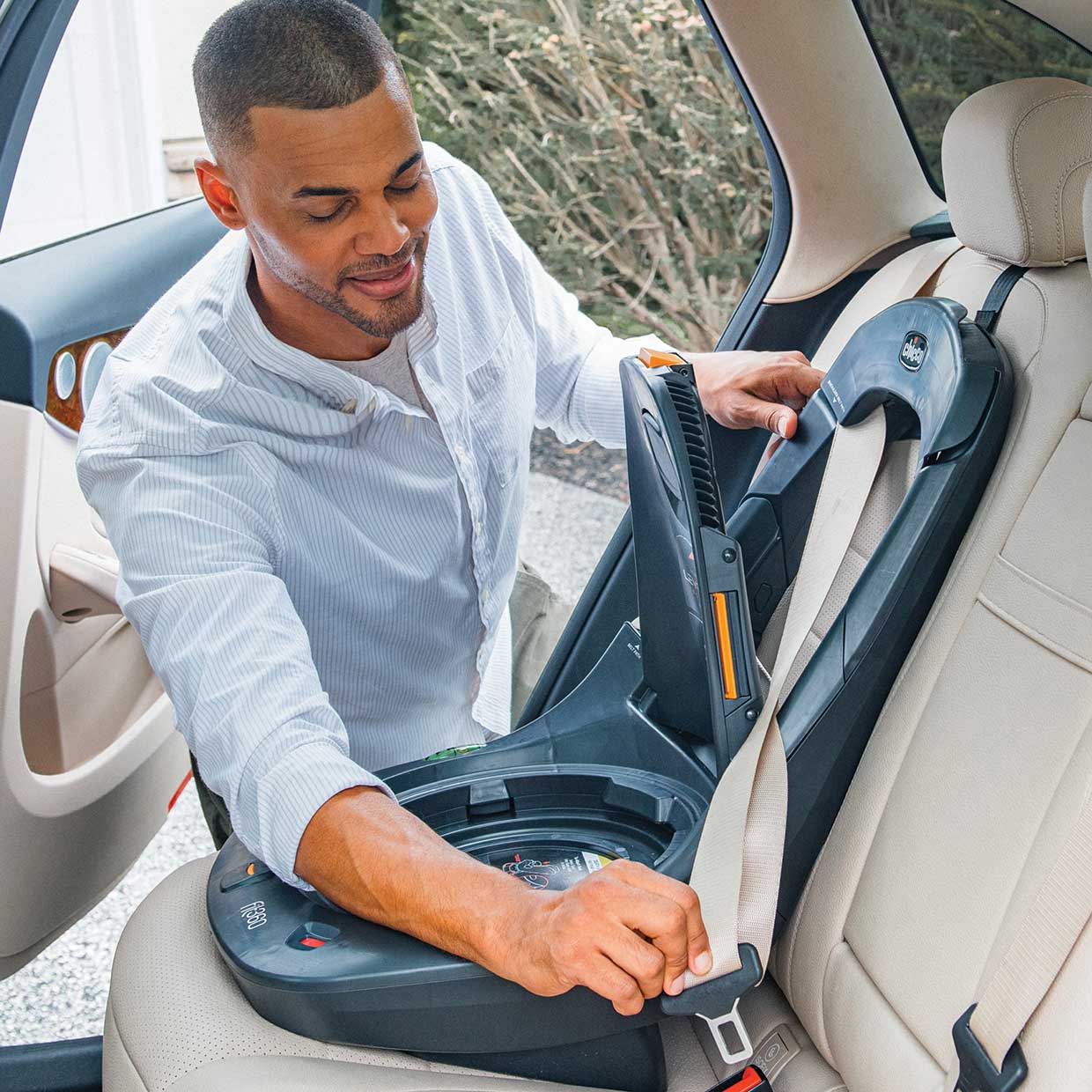
Installing a baby car seat correctly is key to keeping your little one safe during every trip. You might wonder if the side of the car you choose or the way you fasten the seat really matters. Paying attention to the details of installation can make a big difference in protection and comfort.
Using Latch Vs. Seat Belt
Your car seat can be secured using either the LATCH system or the vehicle’s seat belt. LATCH anchors are designed for easy and secure installation, but not all cars have them in every seating position.
When deciding which to use, check your car’s manual to see where LATCH anchors are available and compatible with your seat. If your seat belt is the only option, ensure it locks tightly and does not allow the seat to move more than one inch side to side or front to back.
Checking Seat Angle
The angle of your baby’s car seat impacts both safety and comfort, especially for newborns. Too upright, and your baby’s head may flop forward, blocking their airway.
Most car seats come with angle indicators or adjusters. Use them to make sure the seat reclines at the recommended angle, usually between 30 and 45 degrees, and always double-check after installation.
Securing Harness Properly
The harness is your baby’s lifeline in a crash, so it must be snug and correctly positioned. The straps should lie flat without twists and fit just tight enough that you cannot pinch any slack at the shoulder.
Place the harness clip at armpit level to keep straps in place. Remember, a loose harness won’t protect your child effectively, but an overly tight one can cause discomfort or injury.
Common Mistakes To Avoid
Placing the baby car seat on the wrong side can reduce safety during travel. Avoid installing it where airbags may pose a risk. Always ensure the seat is firmly secured to prevent movement while driving.
Ensuring your baby’s car seat is installed correctly is crucial for their safety. However, many parents unknowingly make common mistakes that can compromise this safety. Let’s explore some pitfalls to avoid when installing a baby car seat.
Loose Installation
A common error is not securing the car seat tightly enough. It should not move more than an inch side to side or front to back. Test the seat by giving it a firm shake at the base to see if it stays in place. Always check your car seat’s manual and your vehicle’s manual for proper installation instructions. Using the LATCH system is a good option if your vehicle supports it, as it can offer a more secure fit.
Incorrect Seat Direction
Many parents mistakenly switch their child to a forward-facing seat too soon. The American Academy of Pediatrics recommends keeping your baby rear-facing until at least age two, or until they reach the height and weight limit of the seat. Rear-facing seats provide better support for a baby’s head, neck, and spine. Ask yourself if your child really needs to face forward or if it’s just out of convenience.
Ignoring Weight And Height Limits
Every car seat has specific weight and height limits that should never be ignored. Exceeding these limits can reduce the effectiveness of the seat in an accident. Regularly check your child’s growth and compare it to the limits indicated in the seat’s manual. If your child has outgrown their current seat, it’s time for an upgrade, no matter how attached you are to the old one. By being aware of these common mistakes, you can ensure that your baby’s car seat offers the utmost protection. Are you confident in your car seat installation, or is it time for a double-check?

Credit: www.thule.com
Legal Requirements And Recommendations
Understanding the legal requirements and expert recommendations on where to place your baby’s car seat is crucial. These rules are designed to keep your child safe in case of sudden stops or accidents. But laws and advice can vary, so knowing what applies to your situation helps you make the best choice.
State Laws On Car Seat Placement
Each state has specific laws about car seat placement, often focusing on the safest location within your vehicle. Many states require the car seat to be installed in the back seat, as it’s generally safer than the front. Some even specify the preferred side, usually the passenger side, to avoid door traffic when opening the car in busy streets.
Have you checked your state’s exact rules? Ignoring these laws can lead to fines and, more importantly, increased risk for your baby. Visit your state’s DMV website to find clear guidelines tailored to where you live.
Manufacturer Guidelines
Your car seat’s manual is a goldmine of information. Manufacturers test their seats extensively and provide instructions on where and how to install them. They often recommend the rear middle seat as the safest spot, but if your vehicle doesn’t support this, the back passenger side is usually next best.
Ignoring these guidelines can reduce the effectiveness of the seat’s safety features. Did you know some seats are designed specifically for certain vehicle types or seat positions? Always follow the exact instructions to ensure maximum protection.
Pediatrician Advice
Pediatricians emphasize safety first and often suggest placing the car seat in the back seat, away from airbags. They recommend keeping your baby rear-facing as long as possible, which affects where you place the seat. Many advise the rear middle seat for its added distance from potential impact points.
Talking to your pediatrician can provide personalized advice based on your child’s age, size, and health needs. Have you discussed car seat placement with your doctor during your last visit? Their insights can help you make informed decisions beyond just legal requirements.
Frequently Asked Questions
Which Side Is Safest For A Baby Car Seat?
The safest side for a baby car seat is usually the rear middle seat. It offers the most protection from side impacts and reduces injury risk. If the middle seat is not available, the rear passenger side is the next safest option.
Can I Put The Baby Car Seat In The Front Seat?
It is not recommended to put a baby car seat in the front seat. Airbags can cause serious injury to infants. Always install the car seat in the back seat to ensure maximum safety for your baby.
How Do I Choose The Best Side For Baby Car Seat?
Choose the rear middle seat if possible, as it is the safest. If not, use the rear passenger side. Avoid front seats. Also, consider ease of access and your car’s seatbelt or LATCH system compatibility when deciding.
Is The Passenger Side Better For Baby Car Seat Installation?
The rear passenger side is often preferred if the middle seat is unavailable. It provides better access for parents and is safer than the front seat. This side also minimizes distractions while driving.
Conclusion
Choosing the right side for your baby car seat keeps your child safe. Most experts say the back seat is best. Placing the seat on the passenger side helps protect your baby from traffic. Always follow your car’s manual and the car seat instructions.
Check that the seat is tight and secure before every trip. Safety comes first, so take your time to install it well. A properly placed car seat gives you peace of mind on the road. Keep your baby safe and enjoy every journey together.