

Have you ever wondered when baby car seats first appeared? If you’re a parent or caregiver, you know how important they are for keeping your little one safe on the road.
But do you know the story behind these lifesaving devices? Understanding when baby car seats came out can give you a new appreciation for the safety they provide. Keep reading to discover the surprising history and evolution of baby car seats—and why they matter more than ever for your child’s protection.
Early Child Safety Methods
Early child safety methods in cars were very different from today’s standards. Before modern car seats, parents used various ways to keep children safe during travel. Many of these methods were simple and not very secure. Understanding these early efforts helps us see why child car seats became essential.
Before Car Seats Existed
Before car seats, families often held children on their laps while driving. Some used blankets or pillows to support the child. These methods did not protect children in crashes. Safety was not a major focus in early car travel. Cars themselves lacked safety features like seat belts or airbags.
Initial Attempts At Child Restraint
The first attempts to restrain children in cars began in the 1930s and 1940s. Parents tried using harnesses and belts designed for adults, but these were not made for small children. Some inventors created simple wooden or metal frames to hold children in place. These early devices showed the need for special child restraints. They laid the foundation for the development of dedicated baby car seats in later years.

Credit: www.todaysparent.com
Invention Of The First Baby Car Seat
The invention of the first baby car seat marked a new era in child safety during car travel. Before this, babies often rode unsecured, which put them at high risk. Early designs focused on preventing injuries during sudden stops or crashes. The baby car seat became essential for parents who wanted peace of mind on the road. This innovation combined comfort with protection, setting the foundation for future improvements.
Key Innovators
Several inventors contributed to the first baby car seat. In the 1930s, safety advocates raised awareness about child protection in vehicles. One notable figure was Janette F. Sadler, who patented a child restraint device in 1933. Another key person was Leonard Rivkin, who designed a padded seatbelt system for children in the 1950s. These pioneers helped shape early safety standards. Their work inspired manufacturers to develop safer, more practical car seats.
Design And Features
The first baby car seats featured simple but effective designs. They often used padded cushions to absorb impact. Seats were made to fit securely in the car using straps or belts. Many early models focused on rear-facing positions to protect babies’ heads and necks. Materials were chosen for durability and comfort. These features aimed to reduce injury risk during accidents. Over time, designs evolved to include adjustable harnesses and improved padding for better safety.
Evolution Through The Decades
The journey of baby car seats spans many decades. Over time, these seats have changed a lot. Every change aims to keep babies safer and more comfortable. The evolution shows progress in technology and understanding of child safety.
Early models were simple and basic. Today, baby car seats include many safety features. The materials and design have also improved. This progress reflects growing awareness and stricter safety rules.
Improvements In Safety Standards
Safety standards for baby car seats started in the 1960s. Governments introduced rules to protect young passengers. These rules became stricter over the years. Testing methods improved to check crash impact better.
New laws require harnesses and side-impact protection. Seats must meet specific crash test scores. Manufacturers follow these rules to sell car seats. This ensures higher safety for babies in cars.
Changes In Materials And Design
Early baby car seats used heavy metals and hard plastics. These materials offered little comfort or flexibility. Over time, softer foams and lightweight plastics replaced them.
Designs changed to fit babies better and grow with them. Adjustable straps and removable inserts became common. Manufacturers added padding and breathable fabrics for comfort.
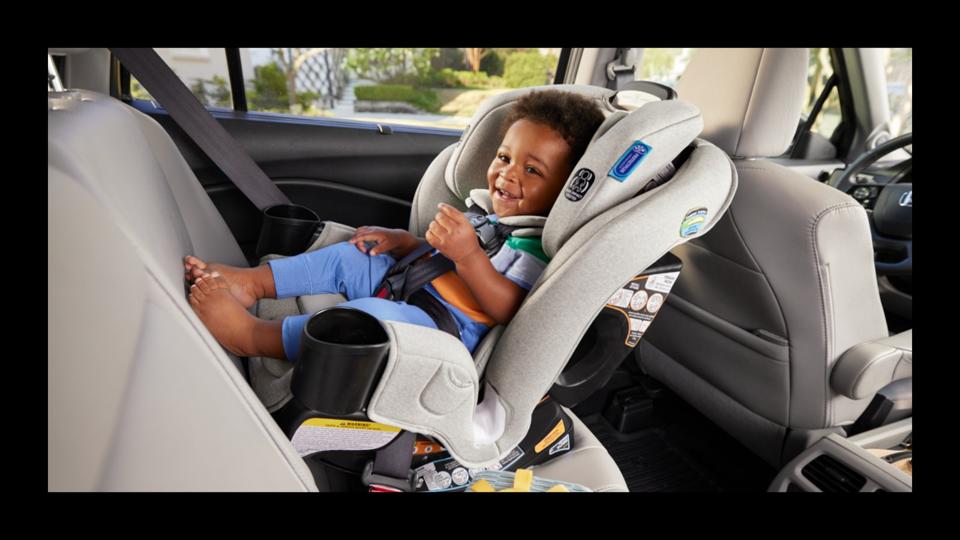
Today’s seats blend safety and comfort. They are easier to install and use. These changes help parents keep babies safe and happy during travel.
Credit: www.forbes.com
Legislation And Car Seat Adoption
Legislation played a crucial role in the adoption of baby car seats. Without laws requiring their use, many parents might not have realized how important these safety devices are. Laws helped turn car seats from optional accessories into essential gear for every child’s travel.
Early Laws And Regulations
The first car seat laws appeared in the late 1960s and early 1970s. California was the pioneer, passing a law in 1971 that required children under six to be secured in child restraints. Other states soon followed, each creating their own rules to protect young passengers.
These early laws were often basic, lacking detailed safety standards. Over time, regulations grew stricter, requiring manufacturers to meet specific crash test criteria. This pushed innovation and made car seats safer for your child.
Impact On Public Awareness
Laws didn’t just enforce safety—they also raised awareness. When states started fining drivers for not using car seats, parents began paying attention. Public campaigns often accompanied these laws, educating families about the risks of riding without proper restraints.
Think about your own experience—did you start using a car seat because it was the law, or because you understood the safety benefits? Many parents initially resisted, but once they saw how car seats protect children in accidents, usage grew rapidly.
Have you ever wondered how much safer your child’s car seat is today compared to the early models? The combination of legislation and education has saved countless lives. It’s a reminder that sometimes, rules can directly protect your most precious cargo.
Modern Baby Car Seats
Modern baby car seats have evolved significantly over the years. They now offer advanced safety features and stylish designs. Parents can choose from a wide variety of models. Ensuring a child’s safety during travel is a priority.
Current Safety Technologies
Modern car seats use cutting-edge safety technologies. Many include side-impact protection and energy-absorbing foam. Some models have anti-rebound bars. This keeps the seat stable during a crash. LATCH systems make installation easier and more secure. Adjustable headrests and harnesses adapt as the child grows. These features enhance safety and comfort.
Popular Brands And Models
Several brands dominate the baby car seat market. Graco, Chicco, and Britax are well-known names. They offer reliable and safe car seats. Each brand provides a range of models. Parents can choose based on their needs and budget.
Graco offers the 4Ever DLX 4-in-1. It grows with the child. Chicco’s KeyFit 30 is popular for newborns. It is easy to install and fits well in small cars. Britax’s B-Safe 35 has excellent safety ratings. These models are user-friendly and trusted by many parents.
Future Trends In Child Car Safety
Child car safety continues to evolve, shaping how parents protect their little ones on every journey. The future promises advancements that make travel safer and more convenient for families. Understanding these trends helps you stay ahead and choose the best options for your child’s safety.
Innovations On The Horizon
Imagine a car seat that not only secures your child but also monitors their health in real time. Upcoming models are expected to include sensors that track vital signs like heart rate and temperature, alerting you instantly to any concerns.
Smart technology will also improve installation. New seats could guide you step-by-step through setup using smartphone apps, reducing errors that often compromise safety. Some designs aim to adjust automatically based on your child’s size and weight, ensuring the perfect fit every time.
Have you ever struggled with bulky car seats? Future trends focus on lightweight materials and foldable designs for easier transport and storage. This means more freedom to travel without the hassle.
Potential Regulatory Changes
Regulations around child car safety are tightening to keep pace with these innovations. Governments are considering stricter crash-test standards and mandatory use of advanced restraint systems.
New laws may require regular recalls and updates for car seats, similar to how vehicle safety features are handled today. This ensures that every product on the market meets the highest safety benchmarks.
What if future regulations also included mandatory training for parents and caregivers? This could drastically reduce misuse and improve overall safety on the road.
Frequently Asked Questions
When Were Baby Car Seats First Introduced?
Baby car seats were first introduced in the early 1960s. They aimed to improve infant safety during car travel. The initial designs focused on securing babies with padded restraints. Over time, regulations and technology enhanced their safety and usability significantly.
Why Were Baby Car Seats Created?
Baby car seats were created to protect infants in car accidents. Before their invention, babies often traveled unsecured, increasing injury risk. The seats provide proper restraint and support, reducing harm during collisions. Their creation marked a major advancement in child passenger safety.
How Have Baby Car Seats Evolved Over Time?
Baby car seats have evolved with better materials and designs. Modern seats include advanced harness systems and energy-absorbing foam. Safety standards have become stricter, leading to more reliable products. Features like adjustable straps and easy installation have improved user convenience.
When Did Car Seat Laws Begin?
Car seat laws began appearing in the 1970s. States started requiring child restraints to reduce injury and death rates. These laws have expanded and strengthened globally over decades. Compliance with these regulations is now mandatory in most countries.
Conclusion
Baby car seats have been around since the mid-20th century. They grew from simple designs to safer, tested models. Today, they protect millions of children every day. Knowing their history helps us value their importance. Always choose a seat that fits your child well.
Safety rules keep changing, so stay updated. Car seats save lives. Always buckle up your little ones. Safety first, always.