
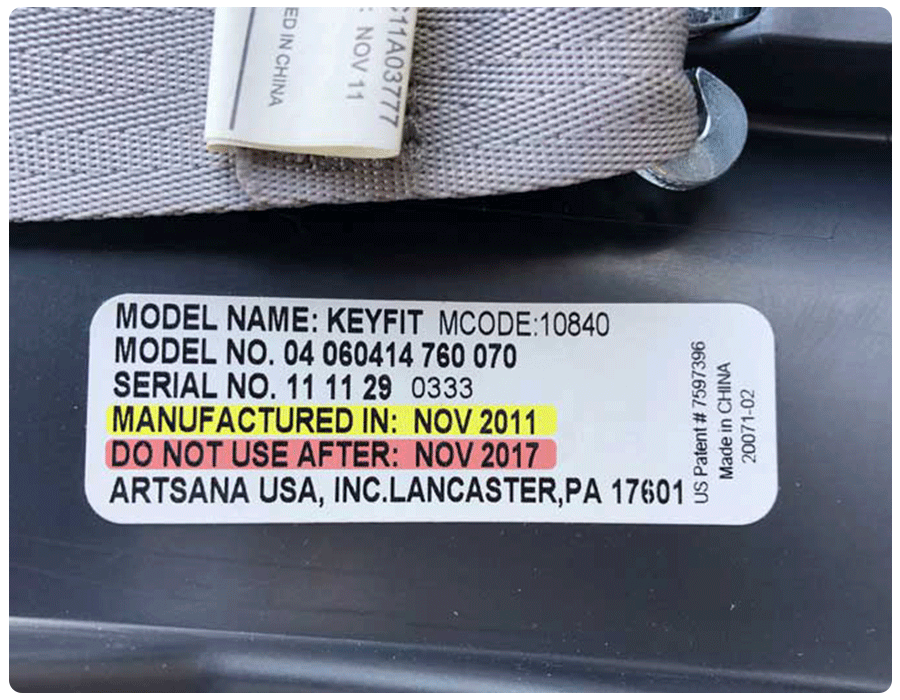
Are you wondering when your child can safely stop using a car seat? You want to keep your little one safe, but it’s hard to know the right time to make the switch.
Using a car seat too long or too short can affect your child’s safety on the road. You’ll discover clear, simple guidelines to help you decide when your kid no longer needs a car seat. Keep reading to protect your child without any guesswork.
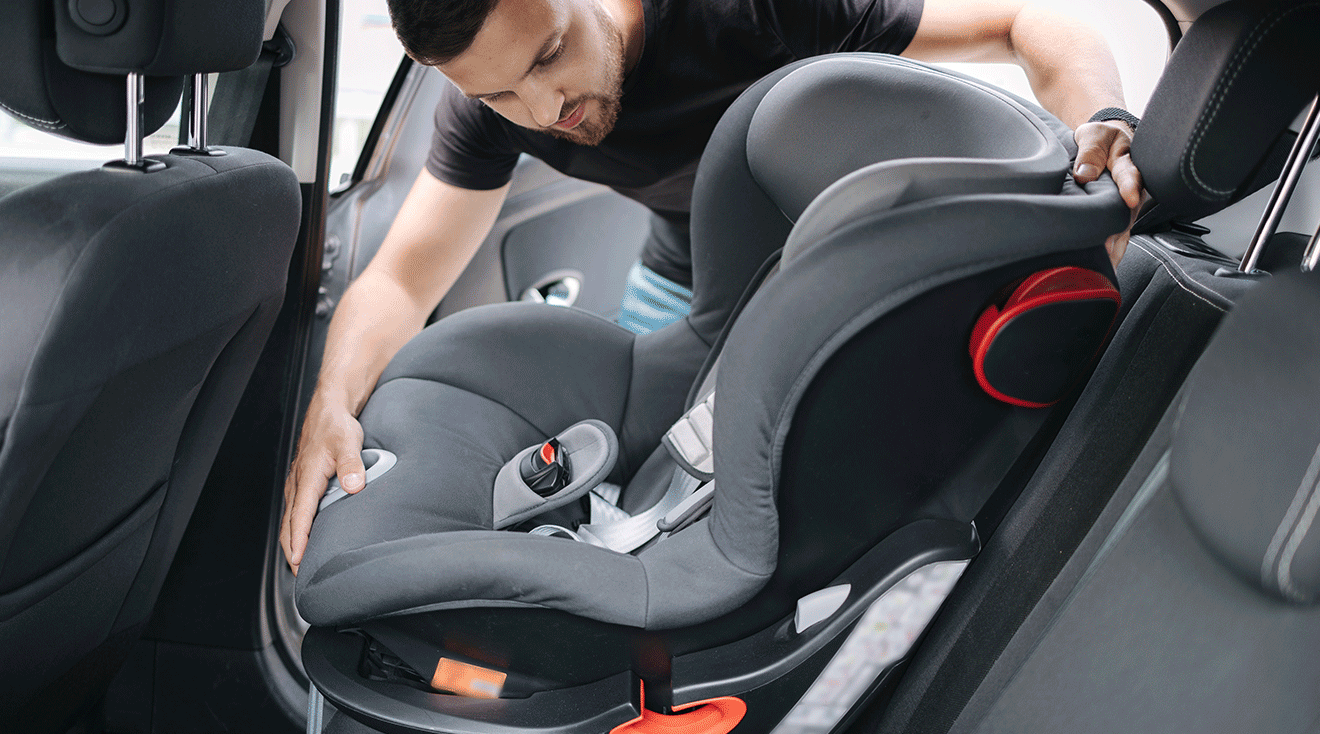
Credit: www.thebump.com
Age And Weight Limits
Understanding when kids no longer need a car seat depends largely on their age and weight. These factors are not just guidelines but important safety thresholds designed to protect your child during travel. Knowing the specific limits can help you avoid unnecessary risks and comply with regulations.
Legal Requirements By Region
Every region sets its own rules about the age and weight at which children can stop using car seats. For example, in many U.S. states, children under 8 years old or weighing less than 80 pounds must use a car seat or booster seat.
In contrast, some European countries require children to remain in a car seat until they are 12 years old or reach 135 cm in height. These differences highlight the importance of checking your local laws before deciding to switch your child out of a car seat.
Have you checked what the law says in your area recently? Rules can change, and staying updated ensures your child’s safety and avoids fines.
Manufacturer Recommendations
Besides legal limits, car seat manufacturers provide detailed guidelines on weight and height limits for their products. These recommendations are based on crash test data and product design, making them crucial for safe use.
For instance, a convertible car seat might support children up to 40 pounds in rear-facing mode and up to 65 pounds forward-facing. Ignoring these limits can reduce the seat’s effectiveness during an accident.
Always read the manual for your specific car seat model. If you’ve ever overlooked this step, you might have missed vital information that could impact your child’s safety.
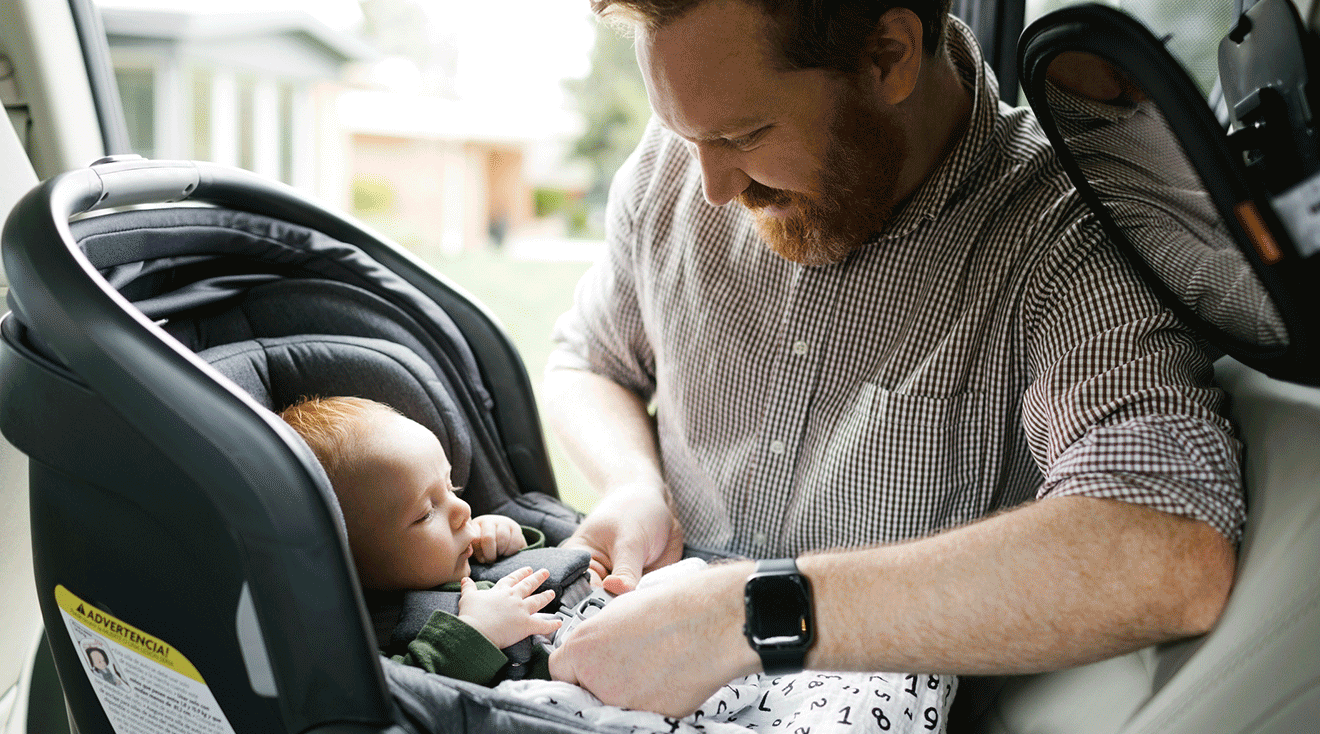
Credit: www.thebump.com
Transitioning From Car Seats
Transitioning from car seats is a key milestone in your child’s growth and safety journey. Knowing when and how to make this change ensures your little one stays protected without unnecessary restrictions. This phase calls for careful observation and understanding of both your child’s development and the safety options available.
Signs Your Child Is Ready
Recognizing when your child is ready to move out of a car seat can be tricky. Look for clear signs like reaching the height and weight limits set by the car seat manufacturer. Most kids outgrow their forward-facing car seat between 4 and 7 years old, but size matters more than age.
Another important signal is your child’s ability to sit properly without slouching or leaning forward. Can they keep the seat belt positioned correctly across their chest and hips? If not, it’s too soon to transition.
Have you noticed your child struggling to stay comfortable in their car seat for longer rides? This discomfort might mean they are ready for the next stage. Safety always comes first—don’t rush the process just to make travel easier.
Types Of Car Seats And Boosters
Understanding the different types of car seats and boosters will help you pick the right option for your child’s current needs. Here’s a quick overview:
| Type | Age/Size Range | Key Features |
|---|---|---|
| Rear-Facing Car Seat | Birth to about 2 years or until max height/weight | Supports head and neck in crashes, safest position |
| Forward-Facing Car Seat | 2 years and up, until height/weight limits reached | Includes harness system to secure child |
| Booster Seat | Typically 4 to 8 years or until seat belt fits properly | Raises child to fit adult seat belt correctly |
| Seat Belt Only | Usually 8 years and older, when belt fits well | Uses vehicle’s seat belt without additional restraint |
Choosing the right seat depends on your child’s size, not just age. Have you measured your child recently? Using the right seat not only complies with laws but also dramatically improves safety.
Seat Belt Fit Criteria
Knowing the seat belt fit criteria helps decide when kids can stop using car seats. Proper seat belt fit keeps children safe during car rides. It ensures the seat belt works as designed to protect them. Parents should check how the seat belt fits their child before switching from a car seat.
Proper Seat Belt Positioning
The seat belt must lie flat across the child’s body. The lap belt should rest on the upper thighs, not the stomach. The shoulder belt should cross the chest and shoulder, not the neck or face. A poor fit can cause injury in a crash. Children must sit all the way back in the seat. Slouching or leaning forward changes belt position and reduces safety.
Height And Weight Considerations
Children usually need to be at least 4 feet 9 inches tall to use a seat belt alone. Weight matters too; many guidelines suggest 80 pounds or more. Kids below these limits often need booster seats. Booster seats help position the seat belt correctly on smaller bodies. Always follow your state’s laws and manufacturer instructions for height and weight limits.
Common Safety Mistakes
Parents often make safety mistakes when deciding if kids need car seats. These errors can risk a child’s safety in a crash. Understanding common mistakes helps keep children safe during every ride.
Skipping Booster Seats Too Early
Many parents move kids out of booster seats before they are ready. Kids must use booster seats until seat belts fit properly. Without boosters, seat belts can cause injuries during accidents. Children should stay in booster seats until they reach the right height and weight.
Incorrect Seat Belt Use
Seat belts must fit children correctly to work well. The lap belt should sit low on the hips, not the stomach. The shoulder belt must cross the chest and shoulder, not the neck or face. Twisted or loose belts reduce protection and increase injury risk.
Special Situations
In certain situations, the standard rules for car seat usage may not apply, and parents often find themselves navigating these unique scenarios. Understanding when and how these exceptions come into play is crucial for ensuring your child’s safety. Let’s explore some of these special situations where kids might not need a car seat.
Traveling In Different Vehicles
When you’re traveling in a taxi or a rideshare service, the rules can be different. Many places exempt taxis from the usual car seat requirements, which can be a relief or a worry, depending on your perspective. However, you can take matters into your own hands by carrying a portable booster seat.
Consider a situation where you’re renting a car while on vacation. Not all rental services provide car seats, or they might charge extra for them. Bringing your own car seat or renting one locally could be a practical solution. How do you manage car seats when traveling? It’s always worth planning ahead to avoid last-minute stress.
Children With Special Needs
Children with special needs may require different car seat accommodations. Some kids need adaptive car seats or harnesses to ensure they travel safely and comfortably. Consult with your child’s healthcare provider to find the best solution tailored to their needs.
Imagine navigating the roads without the right support for your child. It can be daunting, but numerous resources and organizations offer guidance and products designed specifically for these situations. Have you explored what options are available for your child’s unique requirements?
Special situations demand special attention to detail. Whether you’re traveling in different vehicles or accommodating a child with special needs, being informed is your best tool for ensuring safety. So, how prepared are you for these special scenarios?
Tips For Parents
Parents play a key role in keeping children safe during car rides. Knowing when kids no longer need car seats helps protect them properly. Staying informed and cautious makes a big difference. Follow these simple tips to ensure safety and compliance with the latest rules.
Regularly Checking Guidelines
Car seat laws and safety recommendations change often. Check official websites for updates every few months. Keep track of height, weight, and age limits for car seats. Follow the rules strictly to avoid risks and fines. Use reminder apps or calendar notes to stay on top.
Consulting Safety Experts
Talk to pediatricians or certified child passenger safety technicians. They offer advice tailored to your child’s needs. Experts help choose the right seat or booster at the right time. Ask about proper installation and fitting tips. Schedule a safety check if unsure about the setup.

Credit: parttimetourists.com
Frequently Asked Questions
When Can Kids Stop Using A Car Seat?
Kids can stop using a car seat when they reach 4 feet 9 inches tall or are 8-12 years old. At this point, seat belts fit properly without a booster. Always follow local laws and safety guidelines for the best protection.
What Are Height And Weight Limits For Car Seats?
Car seat limits vary by model but generally, forward-facing seats support up to 65 pounds. Booster seats typically support 40 to 100 pounds. Check your car seat manual for exact weight and height restrictions to ensure safety and compliance.
Are Booster Seats Necessary After A Car Seat?
Yes, booster seats are essential after forward-facing car seats. They position the seat belt correctly on your child’s body. Proper belt fit reduces injury risk during accidents. Use boosters until your child fits the seat belt without assistance.
When Is It Safe For Kids To Use Regular Seat Belts?
Kids can safely use regular seat belts when they are tall enough for the belt to fit snugly. Usually, this is at 4 feet 9 inches tall and 8-12 years old. The lap belt should lie across the upper thighs, not the stomach.
Conclusion
Kids no longer need a car seat when they reach the right age and size. Usually, this means being tall enough and weighing enough for a regular seat belt to fit properly. Safety rules differ by place, so always check local laws.
Remember, a good fit keeps children safe during every ride. Never rush this step. Choosing the right seat or belt helps protect young passengers. Safety first, always.