
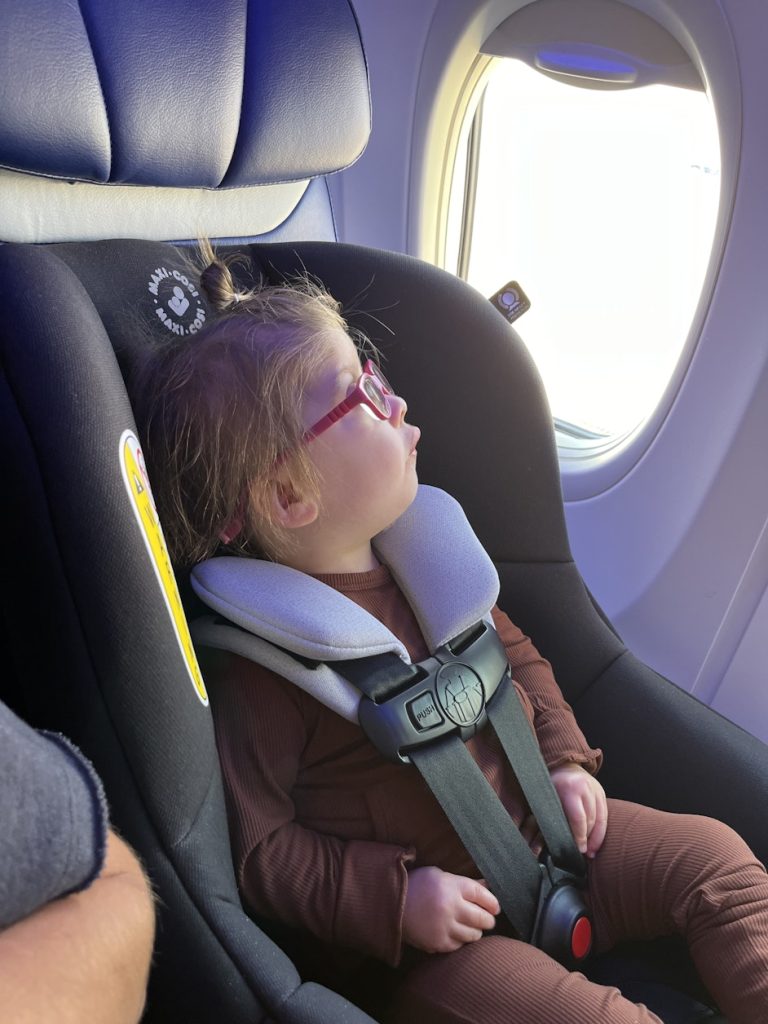
Are you planning to fly with your little one soon? You might be wondering if your child really needs a car seat on the plane.
It’s a common question that many parents face, but the answer isn’t always simple. Using a car seat on a flight can impact your child’s safety and comfort, and knowing the rules can save you stress at the airport. Keep reading to find out when and why a car seat might be a smart choice for your child, and how to make flying smoother for your whole family.

Credit: thetravelingred.com
Air Travel Safety For Kids
Ensuring your child’s safety during air travel is more important than ever. While airports and airlines focus heavily on security, the actual safety of kids during the flight often gets overlooked. Understanding how to protect your child in the air can make a big difference in preventing injuries and ensuring a smooth journey.
Risks Of Flying Without A Car Seat
Flying without a car seat puts your child at risk of injury during turbulence or sudden movements. Holding a child on your lap may seem secure, but it doesn’t offer the protection a car seat provides. Even a minor jolt can cause your child to slip from your arms or hit hard surfaces.
Think about how you buckle up in a car to stay safe—air travel can be just as unpredictable. A properly installed car seat keeps your child restrained and reduces the chance of serious harm. Have you ever considered how much safer your child would feel and be with their own seat on the plane?
Statistics On Child Injuries During Flights
According to safety reports, a significant number of child injuries on planes happen because kids are not secured in car seats. The Federal Aviation Administration (FAA) notes that children under two are especially vulnerable when held on laps. In fact, children in approved car seats are much less likely to suffer injuries during unexpected turbulence.
Studies show that over 70% of infants and toddlers flying without car seats experience some form of minor injury. This data highlights a critical safety gap that parents can address by simply bringing the right equipment. Are you prepared to protect your child from these preventable risks?
Regulations And Recommendations
Traveling with kids requires careful planning, especially regarding their safety on planes. Car seats offer protection during flights. Various rules guide their use. Knowing these rules helps parents keep children safe and avoid travel issues.
Faa Guidelines For Child Safety
The Federal Aviation Administration (FAA) strongly recommends using car seats for children under 40 pounds. The seat must be FAA-approved. Children should be secured in a car seat during takeoff, landing, and turbulence. Holding a child on a lap is less safe than using a car seat. The FAA states car seats provide the best protection during flight.
Airline Policies On Car Seats
Airlines have different rules about car seats. Some allow car seats only in window seats. Others require advance notice to use a car seat. Many airlines require the car seat to have a label showing it is approved for air travel. Parents should check airline policies before booking. Policies may affect seat choice and fees. Preparing early avoids surprises at the airport.
International Rules And Variations
Rules about car seats vary worldwide. Some countries follow strict regulations similar to the FAA. Others may have looser rules or none at all. European airlines often require car seats for young children. Asian airlines might have different size or approval standards. Research the destination’s rules before traveling. This ensures compliance and safety abroad.
Choosing The Right Car Seat
Choosing the right car seat for air travel is important for your child’s safety and comfort. Not all car seats fit well on planes or meet airline rules. Picking one that works well can make your trip easier and keep your child secure. Consider the type, size, weight, and how easy it is to install on the plane.
Types Of Car Seats Approved For Air Travel
Airlines accept car seats with a label showing FAA approval. Look for these types:
- Infant-only seats for babies up to 22 pounds
- Convertible seats that grow with your child
- Combination seats that use a harness and then switch to a booster
Each must have a visible label stating it is safe for aircraft use. Avoid seats without this label.
Size And Weight Considerations
Smaller seats fit better in airplane seats. Large car seats may not fit or block the aisle. Keep these in mind:
- Check seat width and depth before buying
- Choose lightweight seats for easier carrying
- Remember your child’s size and growth
Balance comfort and size to avoid travel problems.
Ease Of Installation On Airplanes
Airplane seats are narrow and have different belt systems. Pick a car seat that installs simply:
- Seats with clear instructions reduce stress
- Look for seats that use the airplane seat belt
- Avoid seats needing special anchors or base attachments
Practice installing your car seat at home to feel confident on travel day.
Using Car Seats On Planes
Using car seats on planes can feel overwhelming at first, but it’s one of the best ways to keep your child safe during air travel. Many parents wonder if their car seat will fit in the airplane seat or if the airline allows it. Knowing how to install and use a car seat properly can make the journey smoother for both you and your child.
Proper Installation Tips
Always check your airline’s policy on car seats before you travel. Most airlines accept FAA-approved car seats, which have a label confirming they are safe for air travel.
Place the car seat in a window seat if possible. This prevents blocking the aisle and offers extra safety. Make sure the seat belt goes through the correct path on the car seat base or frame. Tighten the belt so the seat doesn’t move more than an inch side to side or front to back.
Bring any extra straps or accessories recommended by the car seat manufacturer. These can help secure the seat tightly to the airplane seat. Remember, airplane seats are narrower than car seats, so test the fit before your flight if you can.
Securing Your Child Safely
Strap your child into the car seat using the harness system, not the airplane seat belt. The car seat harness fits your child better and keeps them more secure in turbulence.
Adjust the straps to fit snugly, with no slack. Loose straps can reduce the protection the car seat provides. Make sure the chest clip is at armpit level for the best fit.
Hold onto your child during takeoff and landing if they are under 2 years old and not in a car seat. Some parents find this easier and safer for very young infants. Ask your flight attendant for advice if you’re unsure.
Common Mistakes To Avoid
- Using a car seat that isn’t FAA-approved. It may not be allowed on the plane and won’t guarantee safety.
- Not tightening the seat belt enough, which lets the car seat move around. Movement reduces protection during sudden stops or turbulence.
- Installing the car seat in a middle seat. These often lack the proper anchor points or space for a car seat.
- Failing to bring the car seat manual. It contains crucial installation details that can save time and frustration.
- Letting your child out of the car seat during taxi, takeoff, or landing. These are the most critical times for safety.
Have you ever struggled to get a car seat installed on a plane? Share your tips or questions below—your experience could help another parent fly safer.
Alternatives To Car Seats
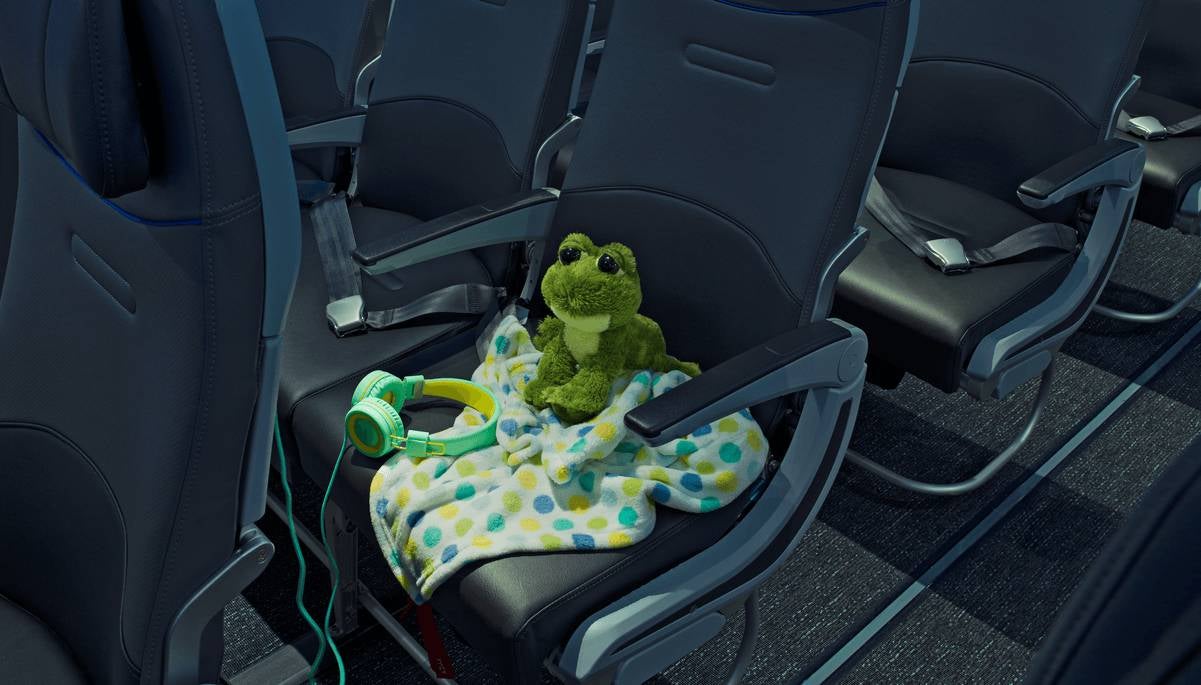
Traveling with kids can be challenging, especially on planes. Parents often wonder if car seats are necessary. Fortunately, there are alternatives that ensure safety and comfort for children without the need for bulky car seats. Let’s explore some of these options.
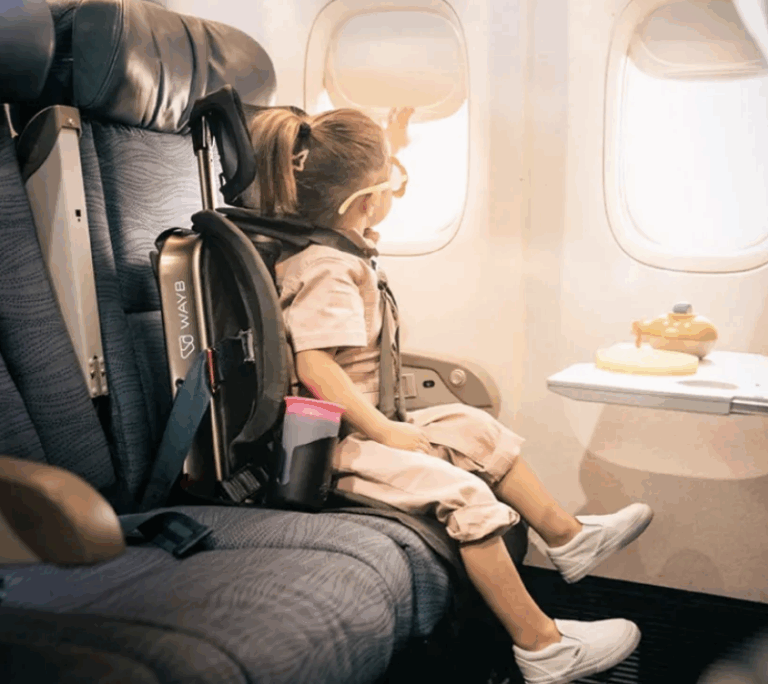
Harness Devices And Safety Belts
Harness devices and safety belts provide a secure way to keep children safe. They are designed for easy attachment to airplane seats. These devices offer more movement freedom than car seats. Lightweight and portable, they are easy to carry and install. Many airlines approve these devices, making them a practical choice for parents.
Holding Children In Laps: Pros And Cons
Some parents choose to hold their children in their laps during flights. This option is cost-effective since it often doesn’t require a separate ticket. It allows for comforting and soothing the child directly. However, there are safety concerns to consider. In case of turbulence, holding a child can be risky. Furthermore, parents may find it uncomfortable for long flights. Balancing comfort and safety is crucial in making this decision.
Credit: www.jetblue.com
Preparing Your Child For Air Travel
Preparing your child for air travel can make a huge difference in how smoothly the journey goes. Flying can be overwhelming for kids, and giving them a sense of control and comfort helps ease the stress. Let’s look at ways to make your child feel safe and ready before you board the plane.
Comfort And Familiarity With Car Seats
Using your child’s car seat on the plane can bring a familiar sense of security. If your child is used to their car seat, it creates a cozy space they recognize, which can help reduce fussiness during the flight.
Before the trip, let your child sit in the car seat while you pack or watch videos about flying together. This little practice can make the seat feel less strange when you’re actually on the plane.
Have you noticed how your child behaves differently in their car seat versus a random airplane seat? That difference in comfort can be a game-changer for both of you.
Managing Anxiety And Motion Sickness
Flying can make kids anxious or nauseous, especially if it’s their first time. Talk to your child about what to expect and encourage them to ask questions. This opens the door to calm their fears.
Bring along motion sickness remedies like wristbands or ask your pediatrician about safe medications. Also, keep snacks and water handy to help maintain their energy and hydration.
Simple breathing exercises or distraction techniques, like playing games or watching cartoons, can work wonders during stressful moments. How will you prepare your child to stay calm and comfortable?
Faqs About Kids And Air Travel Safety
Traveling with kids raises many questions about safety, especially when it comes to air travel. Parents often wonder if car seats are necessary on planes and how to keep their little ones secure. Here, we answer some of the most common questions to help you feel confident and prepared for your next flight with children.
Can Infants Use Car Seats On Planes?
Yes, infants can use car seats on planes, but there are specific guidelines to follow. The car seat must be approved for aircraft use, usually marked with a label stating it meets FAA or equivalent safety standards. Using a car seat gives your child extra protection during takeoff, landing, and turbulence.
If you’ve ever held a baby on your lap during a bumpy flight, you know how nerve-wracking it can be. A car seat not only secures your child but also provides peace of mind. Remember to check with your airline about the size and type of car seats allowed on board.
Do Airlines Provide Car Seats?
Most airlines do not provide car seats for children, so you’ll need to bring your own if you want to use one. Some airlines offer bassinets or child seats for infants, but these are not the same as car seats and do not offer the same level of safety. It’s best to call ahead and confirm what options are available.
Carrying your own car seat might feel cumbersome, but it often proves invaluable for your child’s comfort and safety. You can also find car seats designed to be lightweight and easy to carry through airports. Have you planned how you’ll manage your gear before you get to the gate?
What Happens During Turbulence?
Turbulence can be unsettling, especially when you’re flying with kids. If your child is secured in a car seat, they are much safer during unexpected bumps. The seat keeps them stable and reduces the risk of injury from sudden movements.
Flight attendants often advise passengers to keep seat belts fastened when seated, but lap-held children are more vulnerable. Using a car seat can prevent your child from being jolted around. Have you considered how you’ll keep your child safe if the seat belt sign suddenly lights up?
Credit: melaniesuggs.com
Frequently Asked Questions
Do Kids Need Car Seats On A Plane?
Yes, using car seats on planes is recommended for kids under two. It ensures safety and comfort during the flight. Airlines may require FAA-approved car seats for children to use their own seats.
Are Airplane Car Seats Mandatory For Toddlers?
Airplane car seats are not always mandatory but highly advised. They provide extra protection during turbulence and takeoff. Check airline policies before flying as rules may vary.
Can I Use A Regular Car Seat On A Plane?
Only FAA-approved car seats can be used on planes. Regular car seats without certification are not allowed. Look for a label stating it meets FAA standards before traveling.
What Age Should Kids Use Car Seats On Airplanes?
Children under two years should use car seats when flying. Older kids may use seat belts but car seats add extra safety. Always verify specific airline guidelines for age requirements.
Conclusion
Traveling with kids on planes needs careful safety planning. Car seats can protect children during turbulence or unexpected bumps. Airlines have different rules, so check before you book your flight. Using a car seat on a plane can give parents peace of mind.
It keeps kids secure and comfortable during the trip. Choosing the right car seat for air travel is important. Safety should always come first when flying with children. Think about your child’s age, size, and the airline’s policies. Safe travels start with smart choices for your little ones.