
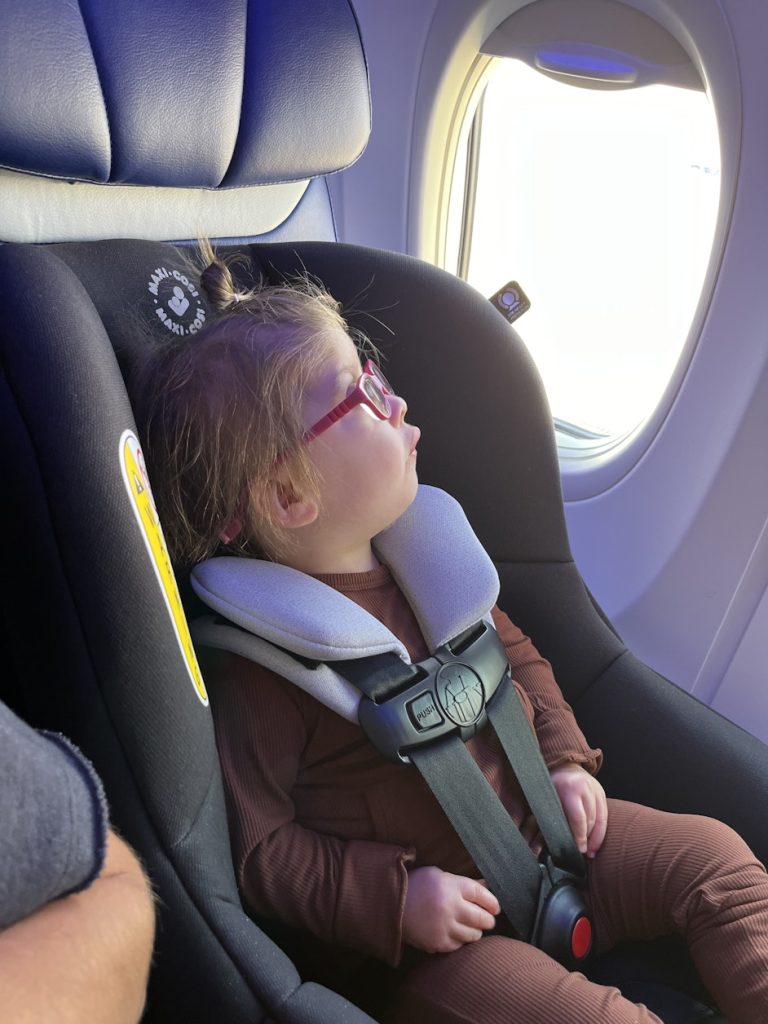
You’ve buckled your baby into the car seat, ready to go, but suddenly the crying starts. Why does your baby hate the car seat so much?
You’re not alone—many parents face this frustrating challenge. Understanding the reasons behind your baby’s discomfort can make all the difference. Keep reading, and you’ll discover simple, effective ways to turn car rides into calm, happy moments for both you and your little one.
Common Reasons Babies Resist Car Seats
Many babies resist sitting in car seats. Understanding why helps parents find better solutions. Babies have different reasons for fussing or crying in the seat. Some reasons relate to comfort, fear, or even physical reactions. Recognizing these common causes can ease travel stress for both baby and parents.
Discomfort And Poor Fit
Car seats must fit babies well. A seat that is too tight or too loose causes discomfort. Padding that is hard or worn out can irritate a baby’s skin. Babies may also dislike the straps if they press too much on their body. Regularly check the seat’s fit as your baby grows.
Fear Of Confinement
Babies feel safe with freedom to move. Car seats restrict their movement, which can scare them. This fear causes crying or fussiness. Some babies need time to get used to the confined space. Gentle talking or singing may help calm their fear.
Motion Sickness
Moving in a car can cause nausea in some babies. Symptoms include fussiness, vomiting, or pale skin. Babies who get motion sickness dislike the car seat because it reminds them of this discomfort. A smooth driving style and fresh air may reduce their sickness.
Hunger Or Sleepiness
Babies get upset when hungry or tired. Sitting in a car seat stops them from feeding or sleeping easily. Hunger or sleepiness can make them resist the seat. Feeding or resting before travel may help them stay calm longer.
Overstimulation Or Boredom
Bright lights, loud sounds, or too many people can overwhelm a baby. This overstimulation leads to fussiness in the car seat. On the other hand, a lack of toys or interaction can cause boredom. A simple toy or soft music can keep the baby calm and entertained.
Signs Your Baby Dislikes The Car Seat
Babies often show clear signs when they dislike the car seat. Recognizing these signs helps parents respond quickly. It also makes travel safer and more comfortable for the baby. Watch your baby closely during car rides to spot these behaviors.
Crying And Fussiness
Crying is the most obvious sign of discomfort. Babies may cry loudly or whimper softly. Fussiness can appear as constant restlessness or irritability. This behavior often starts as soon as they are placed in the seat.
Arching Back Or Squirming
Arching the back signals discomfort or pain. Squirming shows the baby is trying to escape or change position. These movements suggest the seat might be too tight or uncomfortable.
Refusal To Settle
The baby may resist calming down while in the car seat. They might refuse to stay still or stop crying. This refusal shows a clear dislike for the seat or the environment.
Difficulty Sleeping In The Seat
Many babies find it hard to sleep in their car seats. Tossing and turning or frequent waking are common signs. Trouble sleeping means the seat might not support their head or body well.
Choosing The Right Car Seat
Choosing the right car seat can make a big difference in your baby’s comfort and safety. A well-fitted seat helps your child feel secure and less likely to fuss. It also supports proper posture and reduces discomfort during rides. Parents should focus on finding a seat that fits their child’s age and size, offers comfort features, and meets safety standards.
Age And Size Appropriateness
Car seats come in different types for infants, toddlers, and older children. Using the correct seat for your child’s age is crucial. Check the weight and height limits on the seat label. A seat that is too big or too small can cause discomfort and danger. Adjust straps and harnesses to fit snugly but not too tight.
Comfort Features To Look For
Soft padding and breathable fabric help keep your baby cozy. Look for seats with extra head and neck support. Adjustable recline positions reduce strain on your baby’s back. Removable covers make cleaning easier. Some seats offer vibration or gentle rocking for soothing.
Safety Ratings And Certifications
Always choose car seats with high safety ratings. Look for certifications from recognized safety organizations. Check for side-impact protection and energy-absorbing materials. Avoid used seats without a clear history. Regularly inspect the seat for damage or recalls.
Preparing Your Baby For Car Rides
Preparing your baby for car rides helps create a calm and positive experience. Babies often dislike car seats because they feel strange and confining. Gradual exposure and comfort can ease their worries. This way, car rides become smoother for both baby and parent.
Introducing The Car Seat Gradually
Start by letting your baby explore the car seat while it is not in the car. Place the seat in a familiar room and allow your baby to sit or lie in it for short times. Use calm voices and smiles to make the experience pleasant. Slowly increase the time your baby spends in the seat. This helps your baby get used to the seat’s shape and feel.
Using Familiar Toys Or Blankets
Bring your baby’s favorite toys or blankets into the car seat. These items provide comfort and a sense of safety. Soft toys or familiar blankets can distract your baby from the new environment. The familiar smell and texture help your baby relax. Avoid large or heavy items that could be unsafe during the ride.
Timing Rides Around Naps And Feeding
Plan car rides when your baby is well-rested and fed. A sleepy or hungry baby is more likely to fuss. Short rides after a nap or meal often go more smoothly. Watch your baby’s cues and adjust ride times accordingly. Keeping your baby comfortable reduces stress for everyone.
Adjusting The Car Seat For Comfort
Babies might dislike car seats if they’re uncomfortable. Adjust the seat for a better fit to improve comfort. Ensure straps aren’t too tight and provide neck support for a soothing ride.
Adjusting the car seat for comfort can transform a bumpy ride into a peaceful journey for your baby. Many parents find themselves puzzled by their baby’s dislike for car seats, yet the solution often lies in simple adjustments. Comfort plays a crucial role in ensuring your baby feels secure and content during car rides.
Proper Harness Positioning
Correct harness positioning is essential for your baby’s safety and comfort. Ensure that the harness straps are snug but not too tight, allowing you to fit no more than two fingers between the strap and your baby’s collarbone. Straps should sit at or below your baby’s shoulders in a rear-facing seat.
Adding Supportive Padding
Consider adding soft, supportive padding to enhance comfort. A rolled-up towel or a small blanket can be placed along the sides for added support. However, avoid adding anything that compromises the safety or fit of the car seat.
Temperature Control Inside The Car
Monitor and adjust the car’s temperature to keep your baby comfortable. Use window shades to block direct sunlight and help maintain a cool environment. In colder weather, dress your baby in layers that can be easily removed to prevent overheating.

Credit: www.reddit.com
Soothing Techniques During Rides
Soothing a baby during car rides can make a big difference. Comfort helps reduce fussiness and makes trips smoother. Using simple techniques can calm your baby and create a peaceful environment inside the car.
Playing Soft Music Or White Noise
Soft music or white noise can soothe a baby quickly. Gentle sounds mask loud car noises that might scare them. Choose calm melodies or steady white noise like rain or ocean waves. Keep the volume low to protect your baby’s hearing. These sounds help your baby relax and feel safe.
Gentle Talking And Reassurance
Talking softly to your baby can comfort them during the ride. Your voice is familiar and calming. Use a gentle tone and simple words. Reassure your baby by telling them you are there. This connection helps reduce anxiety and crying. Even quiet humming works to calm your little one.
Interactive Toys And Distractions
Giving your baby toys can keep them busy and happy. Choose soft, colorful toys that are safe for the car seat. Toys with textures and shapes hold their attention. Use clip-on toys to avoid dropping them. Changing toys during the ride keeps your baby interested and less fussy.
When To Seek Professional Advice
Knowing when to seek professional advice about your baby’s discomfort in the car seat can save you stress and ensure your child’s safety and comfort. Sometimes, fussiness isn’t just about a preference; it could signal something that needs expert attention.
Persistent Discomfort Or Distress
If your baby cries or resists the car seat every time, despite your best efforts to soothe and adjust, it’s a sign to pay closer attention. Occasional fussiness is normal, but persistent distress lasting more than a few rides might mean the seat isn’t right for your child’s body or needs.
Consider keeping a journal of when and how your baby reacts. This record can help professionals understand the pattern and offer targeted advice.
Possible Medical Issues
Sometimes, the issue isn’t the car seat itself but an underlying medical problem. Conditions like reflux, ear infections, or sensory sensitivities can make sitting in a car seat painful or uncomfortable for your baby.
Ask yourself: does your baby show signs of pain, unusual stiffness, or difficulty breathing while in the seat? These symptoms deserve immediate medical evaluation.
Consulting Pediatricians Or Specialists
Your pediatrician is the best starting point if you suspect something more serious. They can examine your baby and recommend specialists such as orthopedists, neurologists, or occupational therapists if needed.
Don’t hesitate to bring up your concerns, even if they seem small. Early intervention can prevent bigger problems and help your baby feel safe and happy during car rides.
Frequently Asked Questions
Why Does My Baby Cry In The Car Seat?
Babies often cry in car seats due to discomfort, unfamiliarity, or feeling confined. The seat may be too tight or the straps too restrictive. Motion sickness or hunger can also cause distress. Ensuring a proper fit and soothing your baby before travel can help reduce crying.
How Can I Make The Car Seat More Comfortable?
To increase comfort, use soft padding and adjust straps properly. Dress your baby in breathable clothes and maintain a comfortable temperature. Adding a head support pillow can prevent strain. Frequent breaks during long trips also help keep your baby calm and happy.
Is It Normal For Babies To Dislike Car Seats?
Yes, many babies dislike car seats initially. They restrict movement and can feel isolating. Babies need time to adjust to the sensation of being strapped in. Gradual exposure and positive reinforcement can ease their discomfort and build tolerance over time.
Can Car Seat Position Affect My Baby’s Mood?
Yes, the car seat’s angle impacts comfort. A seat that is too upright or reclined may cause discomfort or fussiness. Follow manufacturer guidelines for the correct positioning to support your baby’s head and neck properly, ensuring a safer and more pleasant ride.
Conclusion
Babies often dislike car seats because they feel uncomfortable or scared. Small changes can help your baby feel safe and calm. Try soft padding, toys, or gentle rocking to ease fussiness. Patience and practice make rides better over time. Remember, every baby is different and needs your love.
Keep trying, and car rides will become easier for both of you.