

Are you wondering if baby car seat covers are truly safe for your little one? You want to protect your child from germs, spills, and harsh weather, but could a cover actually put them at risk?
It’s a tricky question because your baby’s safety is the top priority. You’ll discover what experts say about car seat covers, which ones are safe to use, and what to avoid. Keep reading to make sure you’re giving your baby the safest ride possible.
Safety Standards For Car Seats
Safety standards for car seats ensure the protection of babies during travel. These rules guide the design, materials, and performance of car seats. Meeting these standards means the car seat can reduce injury risk in crashes. Understanding these standards helps parents choose the safest option for their child.
Regulatory Requirements
Car seats must follow strict government rules. These rules vary by country but share similar goals. They require car seats to have proper labels and clear instructions. The seats must fit securely in cars and hold the child firmly. Many countries require certification from official safety agencies before sale.
Testing Procedures
Car seats undergo many tests to prove safety. Tests include crash simulations at different speeds and angles. They check how well the seat absorbs impact and keeps the child safe. Materials are tested for strength and fire resistance. Only seats passing all tests receive safety approval.
Credit: totsquad.com
Materials Used In Car Seat Covers
Choosing the right material for a baby car seat cover is vital for safety and comfort. These materials protect your child while sitting in the car seat. The choice affects breathability, softness, and potential health risks. Understanding common fabrics helps parents pick safer options.
Breathability And Comfort
Breathable fabrics allow air to flow around the baby. This stops overheating and keeps the baby cool. Cotton is a popular choice because it feels soft and lets air pass easily. Mesh panels also improve airflow in some covers.
Soft materials reduce skin irritation and discomfort. Babies have delicate skin that needs gentle fabric. Covers made from natural fibers like bamboo or organic cotton offer a smooth touch. Stretchy fabrics provide a snug fit without pressure points.
Toxicity Concerns
Some car seat covers use synthetic fibers that may release harmful chemicals. These include flame retardants or dyes that irritate sensitive skin. Look for covers labeled free from BPA, phthalates, and formaldehyde.
Certifications like OEKO-TEX or GOTS show the fabric has been tested for toxins. Choosing non-toxic materials reduces risks of allergic reactions. It protects your baby from exposure to chemicals during travel.
Impact On Car Seat Performance
Baby car seat covers might seem like a cozy addition, but they can affect how your car seat performs in critical ways. Understanding their impact helps you decide if adding one is truly safe for your little one’s protection. Let’s look closely at how these covers interact with the car seat’s design.
Effect On Harness Functionality
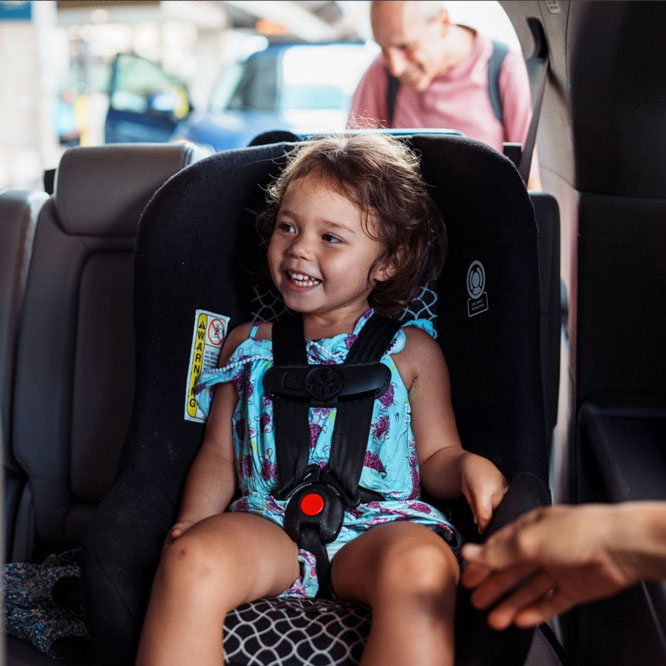
Harnesses are designed to fit snugly against your baby’s body. Adding a thick or padded cover can create extra space between the harness and your child.
This gap can reduce the harness’s effectiveness during a crash, allowing more movement than intended. Have you ever noticed how a bulky jacket under the harness feels loose? That’s a similar risk with some covers.
Ensuring the harness fits tightly is crucial. If you use a cover, check that the harness still locks securely and sits close to your baby’s chest and shoulders.
Interference With Safety Features
Car seats have built-in safety features like side impact protection and energy-absorbing foam. A cover might block or compress these materials, reducing their ability to absorb crash forces.
Some covers can also interfere with how the seat attaches to your car’s seatbelt or LATCH system. Loose or obstructed attachments compromise the whole seat’s stability.
Think about the last time you added extra padding to a device without testing its functionality afterward. Could the cover be making your car seat less stable? Always test the fit and stability after adding any accessory.
Credit: www.amazon.com
Risks Associated With Non-approved Covers
Using non-approved baby car seat covers can create serious safety risks. These covers may interfere with the seat’s safety features. They often lack proper testing and certification. Parents might unknowingly put their children in danger by choosing the wrong covers.
Understanding these risks helps make better decisions for your child’s safety. The following sections explain the main hazards and clear up common misunderstandings.
Potential Hazards
- Non-approved covers can block harness straps, reducing restraint effectiveness.
- Extra padding may cause incorrect fit, increasing injury risk during crashes.
- Some covers use materials that interfere with air circulation, causing overheating.
- Improper covers might hide warning labels or safety instructions.
- Loose fabric can bunch up and create pressure points on the baby.
Common Misconceptions
- All car seat covers are safe if they look soft or comfortable.
- Thicker covers provide better protection in a crash.
- Any cover that fits the seat is approved and tested.
- Non-approved covers only affect the seat’s appearance, not safety.
- Cover use does not change how the harness should be adjusted.
Choosing Safe Car Seat Covers
Choosing safe baby car seat covers means checking for breathable, non-toxic materials. Covers should fit well to avoid interfering with seat belts or safety features. Always prioritize comfort and protection for your child’s safety during car rides.
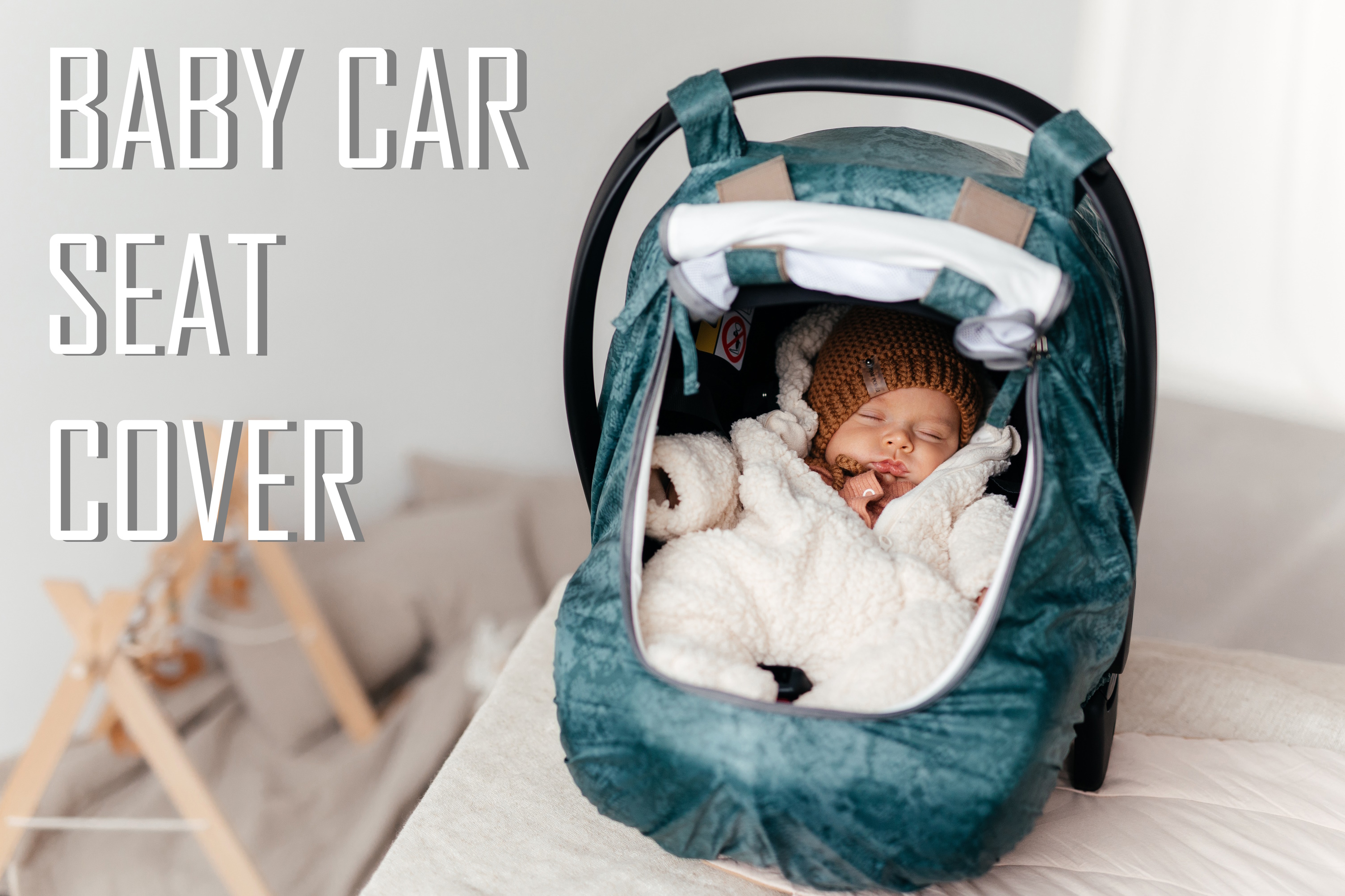
Choosing safe car seat covers is a crucial step in ensuring your child’s safety during travel. While these covers can provide comfort and protection from spills and dirt, it’s important to select ones that do not compromise the car seat’s safety features. Understanding what to look for can make all the difference in keeping your little one secure.Certified Products
Always opt for car seat covers that are certified by recognized safety authorities. These certifications ensure that the covers meet specific safety standards and do not interfere with the car seat’s function. You can often find certification labels or information on the packaging or manufacturer’s website. Trustworthy brands invest in testing to guarantee their products won’t compromise your child’s safety.Proper Fit And Installation
A proper fit is essential for the effectiveness of a car seat cover. If the cover is too loose or too tight, it might interfere with the harness system, posing a risk during an accident. Check the manufacturer’s guidelines to ensure the cover fits your specific car seat model. Installation should be straightforward and secure. Many brands offer instructional videos or guides to help you correctly install the cover. If you’re unsure, reaching out to customer support or a certified car seat technician can provide peace of mind. Remember, a well-fitted car seat cover not only keeps your baby safe but also prolongs the life of the car seat itself.
Credit: bossandbaby.com
Tips For Parents
Choosing to use a baby car seat cover often raises questions about safety and comfort. As a parent, you want to protect your child from cold weather, spills, and germs without compromising the car seat’s effectiveness. Here are some practical tips to help you decide when and how to use car seat covers safely.
Maintaining Car Seat Integrity
Your baby’s safety depends on the car seat performing exactly as designed during a crash. Adding extra padding or covers that aren’t approved by the manufacturer can interfere with the seat’s fit and harness system.
Check the car seat manual before adding any cover. Some covers might make the straps too loose or create gaps that reduce protection.
Always use covers that are specifically designed for your car seat model. Avoid thick or bulky covers, as they can alter how your baby sits and how the seat absorbs impact.
When To Avoid Covers
Not every situation is right for using a car seat cover. Avoid covers when your child is secured in the seat during travel.
- Never place a cover over your child while buckled in; it can cause overheating and restrict breathing.
- Skip covers if they interfere with the harness straps or buckle, even slightly.
- If your car seat is already warm, a cover may add unnecessary heat and discomfort.
Have you ever noticed how your baby reacts when bundled up too much? Sometimes, less is more, especially with safety gear.
Frequently Asked Questions
Are Baby Car Seat Covers Safe To Use?
Baby car seat covers can be safe if they are breathable and properly fitted. Avoid thick or padded covers that interfere with harness straps. Always check manufacturer guidelines to ensure the cover does not affect the seat’s safety features or crash protection.
Can Car Seat Covers Affect Harness Performance?
Yes, bulky or loose covers can affect harness tightness and positioning. This may reduce the effectiveness of the safety harness in a crash. Use thin, snug-fitting covers designed specifically for your car seat model to maintain optimal harness performance.
Do Baby Car Seat Covers Cause Overheating?
Some covers can trap heat and reduce airflow, increasing the risk of overheating. Choose covers made from breathable, moisture-wicking fabrics to keep your baby cool and comfortable. Always monitor your baby for signs of overheating during travel.
How Do I Choose A Safe Car Seat Cover?
Select covers approved by your car seat manufacturer or safety authorities. Look for breathable materials and designs that don’t interfere with harness straps or buckles. Ensure the cover fits snugly without adding bulk or compromising safety features.
Conclusion
Baby car seat covers can protect your child from cold and dirt. Choose covers made from breathable, safe materials only. Avoid thick padding that can affect car seat safety. Always follow the car seat manufacturer’s rules. Keep your baby comfortable without blocking straps or vents.
Regularly check for wear and tear on the cover. Safety comes first, comfort comes second. Use covers wisely to keep your child secure and cozy.