
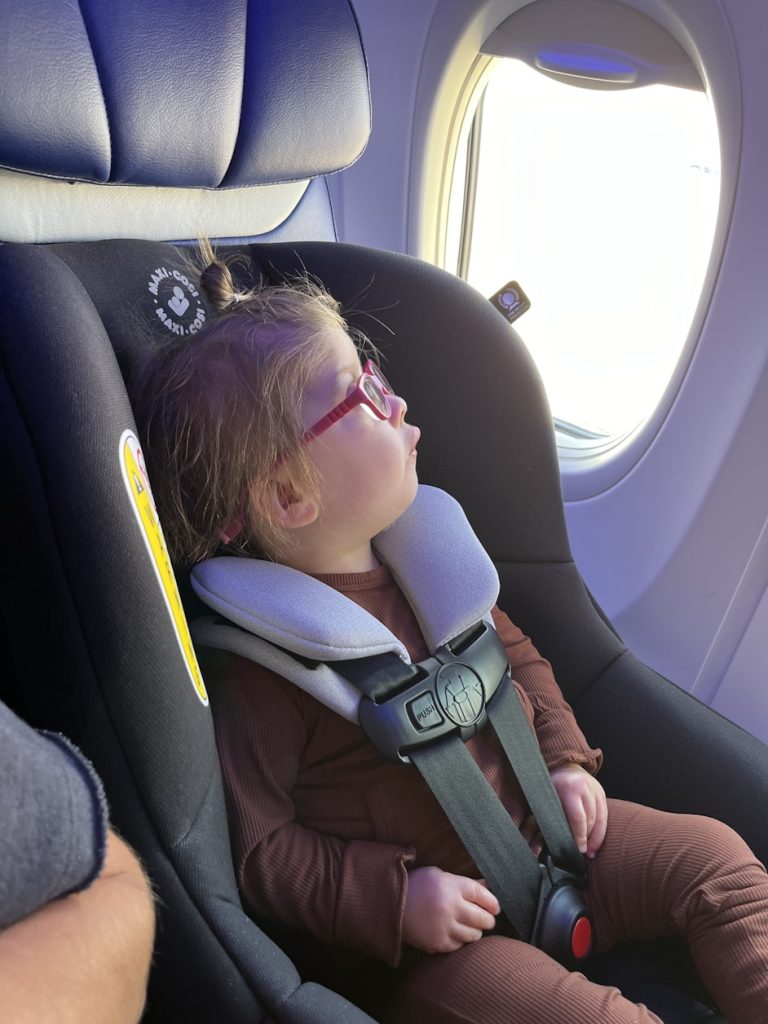
Are you wondering when your child can safely stop using a car seat? It’s a question many parents face, but the answer isn’t always simple.
You want to keep your little one safe, but you also want to know when it’s okay to move on. You’ll discover clear guidelines and important tips to help you make the right choice for your child’s safety. Keep reading to find out exactly when kids can stop sitting in car seats—and why it matters more than you think.
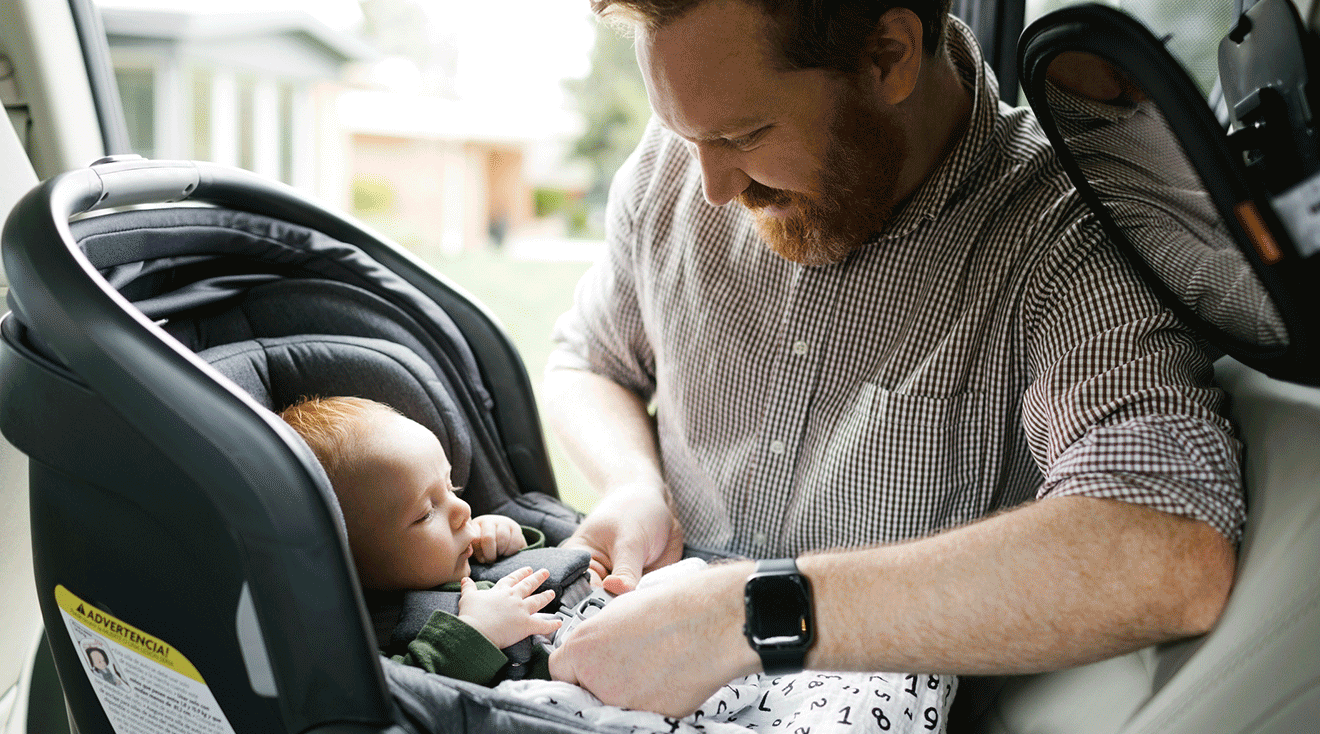
Credit: www.thebump.com
Car Seat Stages
Car seats keep children safe during every car ride. They come in different types for various ages and sizes. Understanding the stages helps parents know when to switch seats. Each stage matches a child’s growth and safety needs.
Rear-facing Seats
Rear-facing seats are for babies and toddlers. They protect the head, neck, and spine in crashes. Experts recommend keeping children rear-facing as long as possible. Usually, kids stay rear-facing until at least 2 years old. Some seats allow use up to 40 pounds or more.
Forward-facing Seats
Forward-facing seats fit children who outgrow rear-facing seats. They have a harness to keep kids secure. Typically, children use this seat from about 2 years old to 5 or 6 years old. Weight limits vary but often reach 65 pounds. Always follow the seat’s height and weight rules.
Booster Seats
Booster seats raise children to fit the car’s seat belt correctly. Kids usually switch to boosters after outgrowing forward-facing seats. They help position the seat belt on the shoulder and lap. Children remain in boosters until seat belts fit properly, usually around 4 feet 9 inches tall. This stage lasts until about 8 to 12 years old.

Credit: www.injurylawyers.com
Age And Weight Limits
Understanding the age and weight limits for car seats is key to keeping your child safe during every car ride. These limits are set to match your child’s growth and development, ensuring the seat provides the right kind of protection. Knowing when to transition your child out of a car seat helps prevent accidents and keeps you confident behind the wheel.
Recommended Ages For Each Stage
Children move through different car seat stages as they grow. Typically, infants start in rear-facing seats until at least 2 years old.
- Rear-Facing Seats:From birth to around 2-4 years old, depending on the seat’s weight limit.
- Forward-Facing Seats:Usually for kids aged 2 to 7 years.
- Booster Seats:For children approximately 5 to 12 years old.
- Seat Belts:Recommended once your child is tall enough and weighs enough to use the car’s seat belt safely—often around 8 to 12 years.
These age ranges can vary, so it’s important to check your car seat’s specific guidelines. Have you noticed how your child’s comfort changes as they grow? That’s often a sign they might be ready for the next stage.
Weight And Height Considerations
Age alone doesn’t tell the full story. Weight and height are critical in deciding when your child should move to the next car seat stage.
| Car Seat Stage | Weight Range | Height Range |
|---|---|---|
| Rear-Facing Seat | Up to 40 pounds (18 kg) | Up to 40 inches (102 cm) |
| Forward-Facing Seat | 20 to 65 pounds (9 to 29 kg) | Up to 49 inches (124 cm) |
| Booster Seat | 30 to 100 pounds (14 to 45 kg) | Up to 57 inches (145 cm) |
If your child is taller or heavier than the limits for their current seat, it’s time to upgrade. Have you checked your child’s height and weight recently? It might surprise you how quickly they grow, and adjusting the car seat accordingly can make a big difference in safety.
Legal Requirements
Understanding the legal requirements around car seat use helps keep your child safe and keeps you on the right side of the law. Each state has specific rules about when kids must stop using car seats and move on to booster seats or regular seat belts. Knowing these rules can prevent costly fines and, more importantly, protect your child in case of an accident.
State-by-state Laws
Car seat laws vary widely across the United States. Some states require children to use a car seat until they reach a certain age, usually between 6 and 8 years old. Others focus on height and weight limits rather than age alone.
For example, in California, kids must remain in a booster seat until they are 8 years old or 4 feet 9 inches tall. Meanwhile, in Texas, the law requires children under 8 years old to use a car seat or booster seat unless they are taller than 4 feet 9 inches.
Many states also require kids to sit in the back seat until a certain age for added safety. Do you know the specific car seat laws in your state? Checking your local DMV website can give you precise guidelines that apply to your family.
Penalties For Non-compliance
Ignoring car seat laws can lead to more than just a stern warning. Most states impose fines that range from $50 to $500 for non-compliance. Some states also add points to your driving record, which can increase your insurance rates.
Beyond fines, the real risk is the increased danger to your child’s safety. Studies show that using the correct car seat reduces the risk of injury by up to 71%. Have you considered how a small fine compares to the peace of mind that comes with following these laws?
Remember, the law is there to protect your child. Taking a few extra minutes to ensure the right car seat is used is a simple step that makes a big difference.

Credit: medium.com
Safety Risks Of Early Transition
Transitioning your child out of a car seat too soon can expose them to serious safety risks. Car seats are specifically designed to protect young bodies in crashes, and moving away from them before your child is ready might increase the chance of injury. Understanding these risks helps you make better choices for your child’s safety on every trip.
Increased Injury Risks
When kids stop using car seats early, their smaller frames may not be properly supported during a crash. Seat belts alone can cause injuries because they don’t fit young children correctly. For example, a seat belt positioned across the neck or stomach can cause severe harm in an accident.
Many parents think their child is “big enough” for a regular seat belt, but safety experts warn that size and age matter more than just appearance. Your child’s bones and muscles are still developing, so the lack of proper restraint increases the risk of serious injuries. Have you ever wondered why car seats have height and weight limits? Those limits are there for a reason—to keep your child safe.
Proper Seat Belt Fit
A seat belt fits properly only when it rests snugly across the upper thighs and shoulder, not the stomach or neck. Most kids don’t meet these criteria until they reach about 4 feet 9 inches tall, which usually happens between ages 8 and 12.
If the belt doesn’t fit right, your child might slip out or get hurt during sudden stops. Booster seats help position the seat belt correctly, yet many parents skip this step too early, thinking their child is ready for the regular seat belt. Before deciding to remove the booster, check if the belt fits your child properly by asking:
- Does the lap belt sit low on the hips, touching the thighs?
- Does the shoulder belt cross the chest and rest between the neck and shoulder?
- Can your child sit with their back against the vehicle seat without slouching?
Answering these questions honestly can prevent costly mistakes. Your child’s safety depends on how well the seat belt fits, not just their age or weight.
Signs To Move Out Of Car Seats
Kids should stay in car seats until they reach the height and weight limits set by the seat’s manufacturer. Signs to move out include outgrowing the seat or the seat belt not fitting properly. Safety depends on the right fit, not just age.
Understanding when kids can move out of car seats is crucial. It ensures their safety and comfort during car rides. Parents should be aware of certain signs that indicate readiness. These signs help make informed decisions about transitioning from car seats.Physical Growth Indicators
Children outgrow car seats due to physical growth. Check the weight and height limits of the car seat. Ensure your child still fits within these limits. If their shoulders rise above the top harness slot, it’s time to switch. Another sign is when their head extends beyond the seat’s shell.Behavioral Readiness
Behavioral readiness is also essential for moving out of car seats. Observe if your child sits still during car rides. Can they stay seated without constant reminders? This indicates they are ready for a booster seat. The child should also understand the importance of seat belts. They should know how to buckle and unbuckle safely. This readiness ensures they stay secure in a new seating arrangement.Booster Seat Usage Tips
Booster seats help children stay safe after outgrowing their car seats. Proper use of booster seats is key for safety. Parents must understand how to choose and install them correctly. This ensures the seat belt fits well on the child’s body. Here are some tips to guide you through booster seat usage.
Choosing The Right Booster
Select a booster seat that fits your child’s height and weight. Most boosters have labels showing these limits. Choose a booster with a high back for cars without headrests. Backless boosters work well in cars with headrests. Look for seats with easy-to-use belt guides. Comfort matters too; padded seats keep kids calm during rides.
Correct Installation
Place the booster on the vehicle seat flat and stable. The seat belt must lie across the child’s shoulder and chest. The lap belt should sit low on the hips, not the stomach. Use the vehicle’s seat belt, not extra straps or clips. Check the booster installation every time before driving. A loose seat can reduce protection in a crash.
Seat Belt Safety For Older Kids
As your child grows and moves out of car seats, ensuring they use seat belts correctly becomes crucial. Older kids may resist wearing seat belts properly, but understanding the right fit can keep them safe in every ride. Paying close attention to seat belt safety helps prevent injuries and builds lifelong good habits.
Proper Seat Belt Positioning
Seat belts must lie flat across your child’s body to work well. The lap belt should rest low on the hips, not across the stomach, to avoid internal injuries during sudden stops.
The shoulder belt should cross the chest and shoulder, not the neck or face. If it rubs your child’s neck, try adjusting the seat belt height or use a booster seat until the belt fits properly.
Check the fit every time your child rides. Kids grow quickly, and what worked last month might not work now.
When To Use Seat Belts Alone
Kids can start using seat belts without booster seats once they reach about 4 feet 9 inches tall, usually between ages 8 and 12. But height isn’t the only factor; your child also needs to sit all the way back against the seat with knees bent at the edge.
If your child slouches or the belt doesn’t fit right, keep using a booster seat. Many parents find that waiting until their child fits the seat belt correctly without help makes the transition safer.
Have you noticed if your child’s seat belt fits well during every trip? Taking the time to check this can save lives and give you peace of mind on the road.
Special Considerations
When it comes to child car seats, special considerations are crucial. Different situations might alter the usual rules. These include children with special needs or traveling in various types of vehicles. Understanding these can ensure safety and comfort for every child.
Children With Special Needs
Children with special needs may require custom car seats. Standard seats might not provide adequate support. Consult with a healthcare professional. They can guide on the best car seat options. Some children might need a harness system. This offers additional support and safety. Ensure the seat fits the child’s specific requirements. Adjustability is key for comfort and security.
Traveling In Different Vehicles
Traveling in different vehicles requires careful planning. Each vehicle type may have different seating arrangements. Check the car seat compatibility with the vehicle. Rental cars often have varying seat requirements. Verify the seat can be secured properly. Public transportation might have unique rules. Ensure you know the guidelines for child safety. Always prioritize your child’s safety in every travel situation.
Frequently Asked Questions
When Should Kids Stop Using Rear-facing Car Seats?
Kids should use rear-facing car seats until at least age 2 or until they reach the seat’s height and weight limits. Rear-facing seats provide better support for a child’s head and neck during a crash, making them safer for toddlers.
At What Age Can Children Switch To Booster Seats?
Children can switch to booster seats when they outgrow forward-facing car seats with harnesses, usually between ages 4 and 7. The booster seat ensures the seat belt fits properly over the child’s shoulder and lap for better protection.
When Is It Safe For Kids To Use Regular Seat Belts?
Kids can safely use regular seat belts once they are at least 4 feet 9 inches tall and weigh around 80 pounds. This typically happens between ages 8 and 12, when the seat belt fits properly without a booster.
How Do I Know If My Child Has Outgrown Their Car Seat?
Check your car seat’s height and weight limits. If your child exceeds these limits, it’s time to upgrade to the next type of seat for optimal safety and comfort.
Conclusion
Kids stop using car seats when they reach the right height and weight. Safety rules say children must stay in car seats until then. This helps protect them during car rides. Parents should always check local laws and car seat instructions.
Every child grows at a different pace. So, watching their size and behavior is important. Keeping kids safe on the road is the top priority. Car seats give extra protection until kids are ready for seat belts. Remember, safety first for every trip.