
Have you ever wondered how your front wheel drive car actually moves? You might think that without a traditional setup, some parts like drive shafts wouldn’t be necessary.
But the truth might surprise you. Understanding whether front wheel drive cars have drive shafts can change how you see your vehicle’s mechanics—and even how you care for it. Keep reading, because uncovering this detail will give you a clearer picture of what’s under your car’s hood and why it matters to you.
Credit: www.facebook.com
Basics Of Front Wheel Drive
Understanding the basics of front wheel drive helps explain how many cars move efficiently. This system powers the front wheels of a car to make it move forward. Front wheel drive designs focus on simplicity and space-saving inside the vehicle. It provides good traction, especially in wet or slippery conditions. Let’s explore what front wheel drive really means and its key parts.
What Is Front Wheel Drive?
Front wheel drive (FWD) means the engine’s power goes to the front wheels only. The front wheels both steer and move the car. This setup differs from rear wheel drive, where the back wheels get the power. FWD cars often have the engine placed over the front axle. This layout improves grip on slippery roads.
Most small and midsize cars use front wheel drive. It helps save fuel and lowers the vehicle’s weight. The design also frees more space inside the car for passengers and luggage.
Key Components Of Fwd Systems
- Engine:Usually sits over the front wheels to aid traction.
- Transmission:Transfers power from the engine to the front wheels.
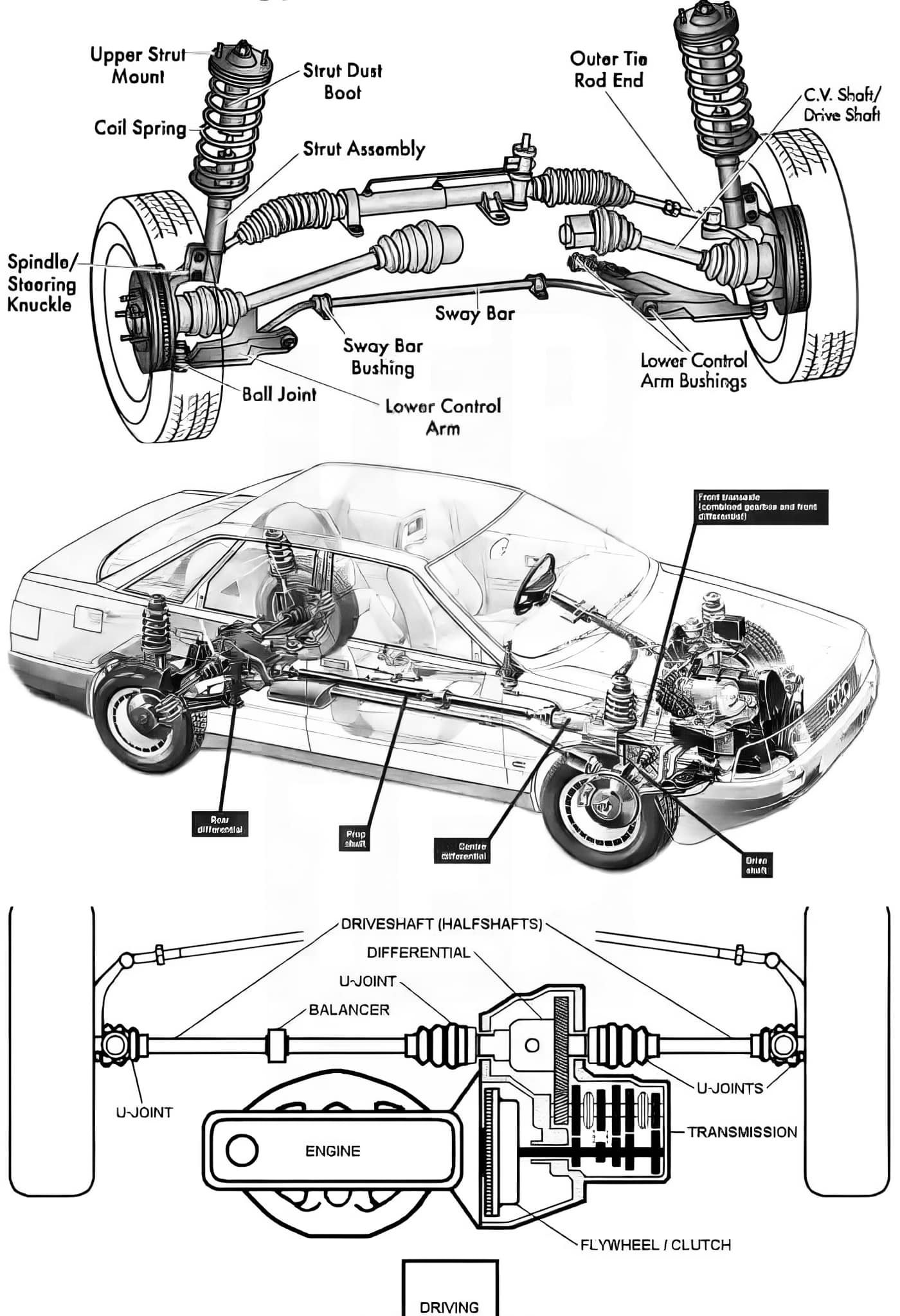
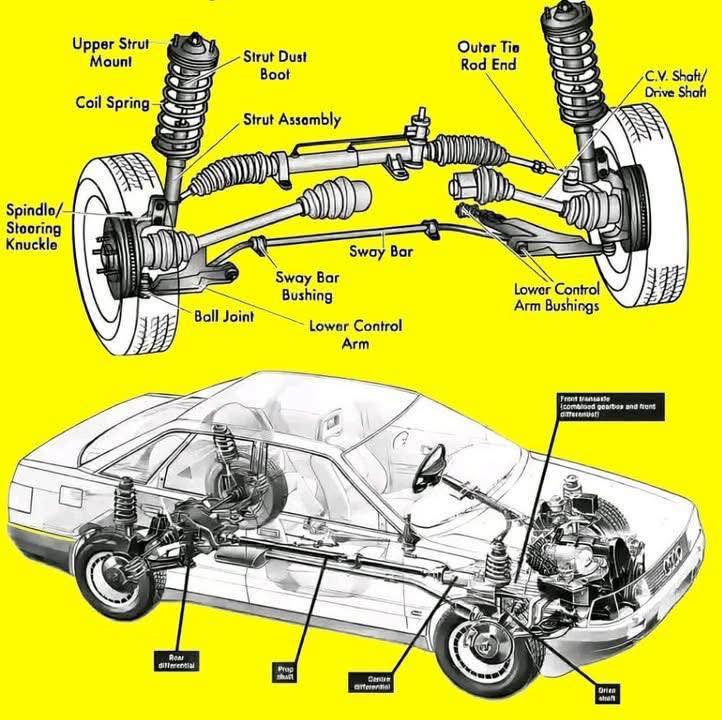
- Drive shafts:Connect the transmission to the front wheels, allowing power transfer and wheel movement.
- CV Joints (Constant Velocity joints):Allow drive shafts to flex while steering and moving up and down.
- Front differential:Splits power between the two front wheels, helping them rotate at different speeds during turns.
Credit: www.facebook.com
Role Of Drive Shafts In Vehicles
Drive shafts play a vital role in most vehicles. They transfer power from the engine to the wheels, enabling movement. Without drive shafts, cars cannot move efficiently or smoothly. The design and type of drive shaft depend on the vehicle’s drivetrain setup.
Understanding the purpose and types of drive shafts helps clarify their importance in car mechanics. This knowledge also explains how front wheel drive cars manage power delivery differently.
Purpose Of Drive Shafts
Drive shafts deliver torque from the engine to the wheels. They connect the transmission to the wheels or differential. This connection allows the wheels to turn and propel the vehicle forward. Drive shafts must handle high rotational forces and maintain balance. They also absorb vibrations to ensure smooth driving. In front wheel drive cars, drive shafts transmit power to the front wheels only.
Different Types Of Drive Shafts
- Solid Shaft:A single, rigid shaft that transmits power directly.
- Splined Shaft:Has grooves that allow length adjustment during suspension movement.
- Constant Velocity (CV) Shaft:Uses joints to transmit power at varying angles without vibration.
- Two-Piece Shaft:Composed of two shafts connected by a universal joint for longer vehicles.
Front wheel drive cars typically use CV shafts. These shafts handle the steering and suspension movements smoothly.
Drive Shafts In Front Wheel Drive Cars
When you think of front-wheel drive (FWD) cars, the concept of drive shafts might not immediately come to mind. However, they play a crucial role in connecting the engine power to the wheels. Understanding the presence and function of drive shafts in FWD cars can provide you with insights into how these vehicles operate and what makes them unique compared to other drivetrains.
Presence Of Drive Shafts In Fwd
Yes, front-wheel drive cars do have drive shafts. But unlike rear-wheel drive vehicles where a single drive shaft runs the length of the car, FWD cars have two shorter drive shafts. These are often referred to as half shafts. They extend from the transaxle to the front wheels.
Picture this: the engine powers the transaxle, which then splits the power between these two shafts. This setup helps deliver efficient and smooth power to the front wheels, enhancing control and driving experience. Ever wondered why many cars today prefer FWD? It’s because this configuration can improve traction and handling, especially in adverse weather conditions.
How Drive Shafts Connect To Wheels
The connection of drive shafts to the wheels in FWD cars is a fascinating process. Each drive shaft is equipped with constant velocity (CV) joints. These joints allow the shafts to flex and pivot as the wheels turn and the suspension moves.
Imagine these CV joints as the unsung heroes that enable the wheels to receive power even when they’re moving in different directions. They ensure that the car maintains smooth operation during turns and over bumps. Have you ever experienced a clicking sound while turning your FWD car? That could be a sign of worn-out CV joints, reminding you of their importance in your vehicle’s functionality.
Curious about how this affects your driving experience? The design of drive shafts in FWD cars contributes to a more compact layout, often resulting in better fuel efficiency and more cabin space. This setup is one of the reasons why FWD cars are popular in urban settings where maneuverability and economy are key.
Types Of Drive Shafts Used In Fwd
Front wheel drive (FWD) cars use specific types of drive shafts to transfer power from the engine to the wheels. These shafts must handle the steering and suspension movements. The design ensures smooth power delivery and vehicle control. Understanding the types of drive shafts used helps explain how FWD cars operate efficiently and reliably.
Constant Velocity (cv) Joints
CV joints connect the drive shafts to the wheels. They allow the shafts to flex and turn while maintaining constant speed. This flexibility is essential for steering and suspension movements. CV joints prevent vibration and power loss during wheel rotation. There are two main types of CV joints used:
- Ball-type joints for smooth motion at varying angles
- Tripod-type joints for absorbing length changes in the shaft
Both types ensure consistent power flow and improve driving comfort.
Half Shafts Explained
Half shafts are the main drive shafts in FWD vehicles. They connect the transmission to the wheels. Each front wheel has its own half shaft. Half shafts include CV joints at both ends. This setup allows the wheels to turn and move up and down. Half shafts are strong and flexible, handling torque and road shocks. They are shorter than full drive shafts used in rear-wheel drive cars. This design helps save space and reduce weight in FWD vehicles.
Advantages Of Drive Shafts In Fwd Cars
Drive shafts play a vital role in front wheel drive (FWD) cars. They transfer power from the engine to the wheels, ensuring the vehicle moves smoothly. These components bring several benefits that enhance the driving experience and vehicle performance.
Smooth Power Delivery
Drive shafts in FWD cars help deliver power evenly to the front wheels. This balance reduces vibrations and jerks during acceleration. The smooth transfer of energy makes driving more comfortable and controlled. It also protects other parts of the drivetrain from damage caused by sudden power surges.
Improved Handling And Efficiency
Drive shafts contribute to better vehicle handling by maintaining consistent power flow to the wheels. This helps the car respond quickly to steering inputs and road conditions. Efficient power delivery reduces energy loss, improving fuel economy. The design of FWD drive shafts also keeps the car lighter, aiding in easier maneuvering and less wear on tires.
Common Issues With Fwd Drive Shafts
Front wheel drive (FWD) cars rely on drive shafts to transfer power from the engine to the wheels. These components face stress from constant rotation and movement. Over time, this stress can cause common issues that affect vehicle performance. Recognizing these problems early helps avoid costly repairs and keeps the car running smoothly.
Signs Of Drive Shaft Wear
- Vibrations felt inside the car while driving
- Clicking or popping noises during turns
- Grease leaking near the drive shaft boots
- Difficulty steering or unusual resistance
- Visible cracks or tears in the protective boots
These signs indicate that the drive shaft may be damaged or worn out. Ignoring them can lead to further issues with the car’s drivetrain.
Maintenance Tips For Longevity
- Regularly inspect drive shaft boots for cracks or tears
- Keep boots clean to prevent dirt and debris buildup
- Replace damaged boots immediately to protect joints
- Use quality grease for proper lubrication of joints
- Schedule routine inspections during vehicle servicing
Proper care extends the life of FWD drive shafts and ensures safe driving. Small efforts in maintenance prevent bigger problems later.
Comparing Drive Shafts In Fwd And Rwd
Drive shafts are essential parts of many vehicles, but their design and function differ in front-wheel drive (FWD) and rear-wheel drive (RWD) cars. Understanding these differences helps explain how each system moves the car and affects driving experience. Comparing drive shafts in FWD and RWD shows unique engineering approaches tailored to each drivetrain.
Differences In Design
FWD cars have shorter drive shafts. They connect the transmission to the front wheels. These shafts often use constant velocity (CV) joints. CV joints allow smooth power transfer while the wheels turn.
RWD cars use longer drive shafts. These shafts run from the front engine or transmission to the rear axle. The rear axle then powers the back wheels. U-joints on these shafts help with movement and flexibility.
The layout in FWD is compact. RWD requires more space because of the longer shaft. This difference affects vehicle weight and complexity.
Impact On Vehicle Performance
FWD drive shafts help keep the vehicle lighter. This can improve fuel efficiency. The design also offers better traction in slippery conditions. Power is delivered directly to the front wheels, aiding control during acceleration.
RWD drive shafts support better handling and balance. The power goes to the rear, allowing the front wheels to steer freely. This setup often leads to improved acceleration and cornering for sporty driving.
Each design suits different driving needs. FWD is common in everyday cars for ease and efficiency. RWD appears in performance and heavy-duty vehicles for power and control.

Credit: www.facebook.com
Frequently Asked Questions
Do Front Wheel Drive Cars Have Drive Shafts?
Yes, front wheel drive cars have drive shafts. These shafts connect the transmission to the front wheels. They transmit power and enable the wheels to rotate, allowing the car to move forward or backward.
What Role Do Drive Shafts Play In Fwd Cars?
Drive shafts in FWD cars transfer engine power to the front wheels. They allow smooth rotation and handle suspension movements. This ensures efficient power delivery and vehicle stability during driving.
Are Front Wheel Drive Car Drive Shafts Different?
Yes, FWD car drive shafts differ from rear wheel drive ones. They are usually shorter and include constant velocity joints. This design accommodates steering and suspension movements more effectively.
Can Drive Shaft Issues Affect Front Wheel Drive Cars?
Yes, drive shaft problems can impact FWD cars. Symptoms include clicking noises, vibrations, or difficulty turning. Timely maintenance or replacement is crucial for safe and smooth driving.
Conclusion
Front wheel drive cars do have drive shafts, but they differ from rear wheel drive cars. These shafts connect the engine to the front wheels. They help transfer power so the car can move forward. Drive shafts in front wheel drive cars are shorter and placed differently.
This design helps improve fuel efficiency and handling. Understanding this can help you appreciate how your car works. Knowing simple car parts makes driving and maintenance easier. Drive shafts play a key role, even in front wheel drive cars.