
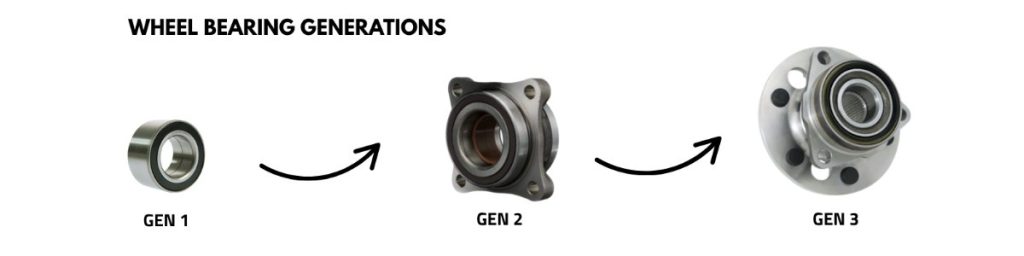
Have you ever wondered what keeps your car’s wheels spinning smoothly without any friction? The answer lies in a small but crucial part called the wheel bearing.
Understanding what a wheel bearing is can save you from unexpected car troubles and costly repairs. You’ll discover exactly what a wheel bearing does, why it matters for your car’s safety, and how to spot the signs when it’s time for a replacement.
Keep reading to make sure your ride stays safe and smooth every time you hit the road.
Wheel Bearing Basics
Wheel bearings are small but vital parts of a car’s wheel system. They allow the wheels to spin smoothly and handle the weight of the vehicle. Without them, driving would be rough and dangerous. Understanding wheel bearing basics helps you know why they need care and timely replacement.
Role In Vehicle Movement
Wheel bearings support the wheel’s rotation by reducing friction. They fit between the wheel and the axle. This setup allows the wheel to turn freely while holding the car’s weight. They also help keep the wheel aligned with the road. Good bearings improve driving comfort and safety.
Types Of Wheel Bearings
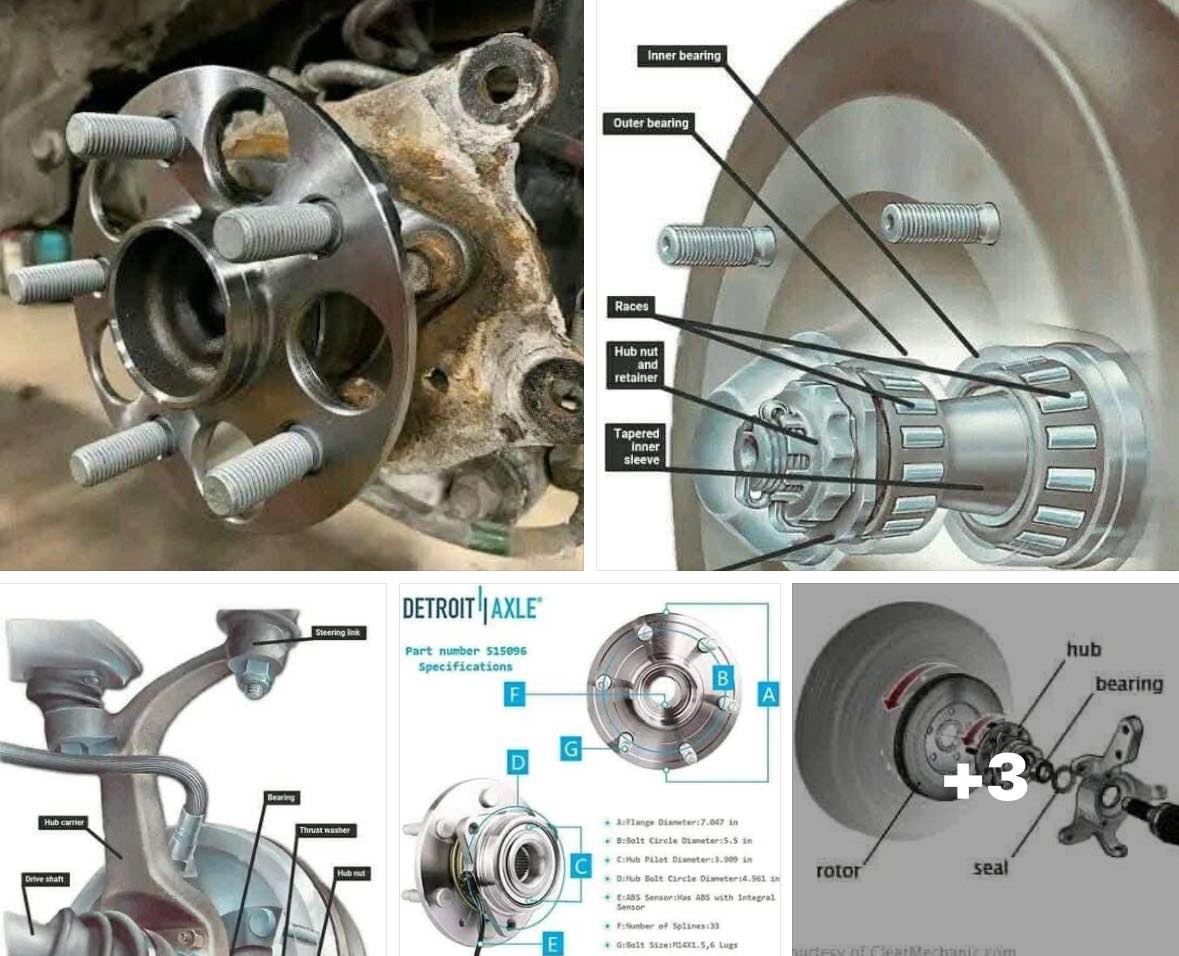
There are mainly two types of wheel bearings used in cars:
- Ball Bearings:Use small metal balls to maintain the gap between the bearing races. They work well for lighter loads and offer smooth rotation.
- Tapered Roller Bearings:Use conical rollers that handle heavy loads better. These are common in trucks and larger vehicles.
Each type suits different vehicle needs and driving conditions. Proper choice and maintenance extend the bearing’s life.
Signs Of Wheel Bearing Issues
Wheel bearings play a crucial role in your car’s smooth movement. They help the wheels turn freely with minimal friction. Detecting wheel bearing problems early can prevent serious damage. Certain signs point to worn-out or damaged wheel bearings. Recognizing these signs helps you act quickly and keep your car safe.
Unusual Noises
Listen for strange sounds coming from your wheels. A humming or growling noise often means the wheel bearing is failing. The noise may get louder with speed or when turning corners. These sounds usually worsen over time. They indicate metal parts inside the bearing are wearing out.
Vibrations And Handling Problems
Feel for vibrations in the steering wheel or car body. Bad wheel bearings cause wobbling or shaking while driving. The car may pull to one side or feel unstable. Handling can become less precise, making driving unsafe. These issues often increase with speed or during turns.
Uneven Tire Wear
Check your tires for uneven or rapid wear patterns. Faulty wheel bearings can cause misalignment in the wheel. This leads to uneven pressure on the tire surface. Tires may wear more on one side or develop bald spots. Uneven tire wear reduces tire life and affects vehicle safety.
Causes Of Wheel Bearing Failure
Wheel bearings are crucial for smooth driving. They allow wheels to spin freely. But they can fail. Understanding the causes helps prevent issues.
Wear And Tear
Wheel bearings handle immense pressure. Over time, they wear down. Constant movement and friction degrade them. This leads to failure. Regular check-ups can spot early wear signs.
Water And Dirt Contamination
Water and dirt can invade wheel bearings. This happens during wet weather or off-road driving. Contaminants cause rust and damage. Bearings lose their efficiency. Sealing and regular maintenance keep contaminants out.
Improper Installation
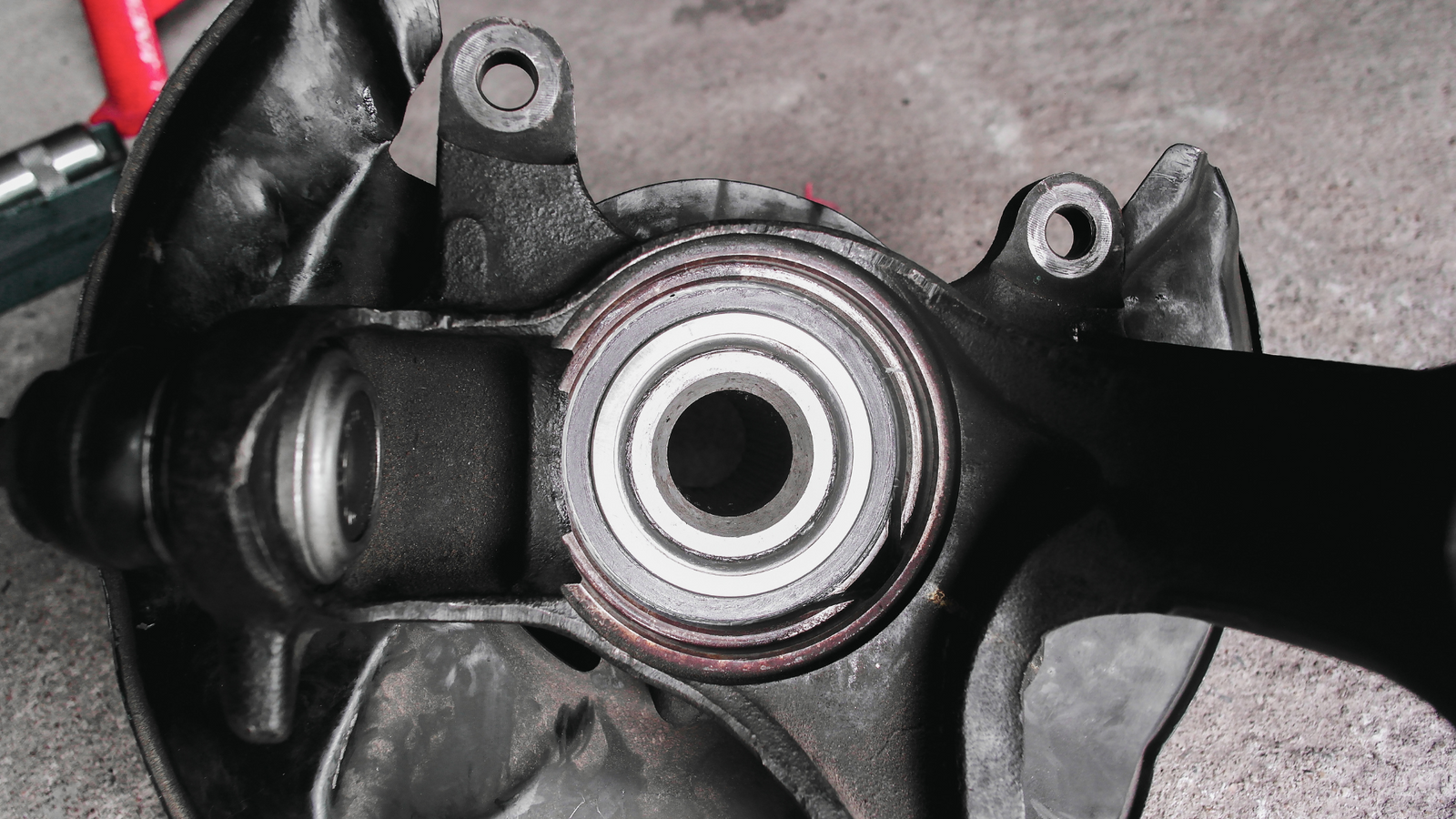
Incorrect installation causes wheel bearing failure. If not installed correctly, bearings face undue stress. Misalignment and pressure lead to quick wear. Professional installation ensures proper alignment and longevity.
Credit: universalautospares.com.au
Maintenance Tips
Keeping your wheel bearings in good shape is key to safe and smooth driving. Regular maintenance helps avoid unexpected breakdowns and costly repairs. Here are some practical tips to help you maintain your wheel bearings effectively.
Regular Inspections
Check your wheel bearings often, especially if you notice unusual noises or vibrations while driving. Look for signs like looseness in the wheel or roughness when you spin it by hand. Early detection can save you from bigger problems down the road.
Lubrication Practices
Proper lubrication reduces friction and extends the life of your wheel bearings. Use high-quality grease designed for automotive bearings and apply it according to your car manufacturer’s recommendations. Avoid over-greasing, as excess lubricant can attract dirt and cause damage.
When To Replace
Knowing when to replace your wheel bearings is crucial. If you hear grinding noises, experience wheel wobble, or feel uneven tire wear, it’s time to inspect and possibly replace them. Don’t ignore these signs—waiting too long can lead to wheel failure and unsafe driving conditions.
Replacement Process
Replacing a wheel bearing is essential for vehicle safety and smooth driving. The process requires care and the right tools. It involves removing the old bearing and fitting a new one accurately. Following proper steps ensures the job is done correctly. This guide breaks down the replacement process clearly.
Tools Needed
- Jack and jack stands
- Lug wrench
- Socket set and ratchet
- Hammer and punch
- Torque wrench
- Wheel bearing puller or press
- Pliers
- Grease
- Safety gloves and glasses
Step-by-step Guide
- Lift the car using a jack and secure it with jack stands.
- Remove the wheel with a lug wrench.
- Take off the brake caliper and rotor to access the hub.
- Remove the hub nut using a socket and ratchet.
- Use a wheel bearing puller or press to remove the old bearing.
- Clean the hub assembly thoroughly before installing the new bearing.
- Press the new bearing into place carefully.
- Reassemble the hub, rotor, and brake caliper.
- Attach the wheel and tighten lug nuts securely.
- Lower the car and torque all nuts to the manufacturer’s specs.
Safety Precautions
- Always wear safety gloves and glasses.
- Ensure the car is stable on jack stands before working.
- Never rely on a jack alone to hold the car up.
- Use the correct tools to avoid injury and damage.
- Follow torque specifications to prevent wheel issues.
- Keep your work area clean and organized.

Credit: www.instagram.com
Cost And Time Considerations
Understanding the cost and time involved in wheel bearing repair helps with better planning. This part is crucial for smooth wheel rotation. Repairing or replacing it can vary widely in price and duration. Several choices affect these factors, including who does the job and the car type.
Diy Vs Professional Service
Doing the repair yourself saves money on labor charges. You only pay for parts and tools. But it takes more time if you lack experience. Mistakes can cause extra damage, raising costs later.
Professional mechanics work faster with the right tools. They often provide warranties on their work. This option costs more but reduces risk and hassle.
Factors Affecting Price
- Car make and model: Luxury cars usually have pricier parts.
- Type of wheel bearing: Some designs cost more to replace.
- Labor rates: Vary by location and shop reputation.
- Extent of damage: Severe damage requires more parts and time.
- Additional repairs: Sometimes other components need fixing too.
Impact On Vehicle Safety
The wheel bearing plays a vital role in vehicle safety. It allows the wheels to spin smoothly and supports the car’s weight. A damaged or worn bearing can cause serious safety issues. Understanding its impact helps keep you and others safe on the road.
Risks Of Neglect
Ignoring wheel bearing problems can lead to dangerous situations. Bearings that fail may cause:
- Wheel wobbling or shaking
- Unusual noises like grinding or humming
- Increased tire wear
- Loss of wheel control
These issues can result in accidents or breakdowns. Early detection and repair are essential for safe driving.
How Bearings Affect Braking And Steering
Wheel bearings influence both braking and steering performance. A faulty bearing can cause:
- Uneven braking pressure
- Poor steering response
- Vibration during turns or stops
- Reduced vehicle stability
These effects reduce control over the vehicle. Properly functioning bearings ensure smooth and safe handling.
Credit: www.facebook.com
Frequently Asked Questions
What Does A Wheel Bearing Do In A Car?
A wheel bearing allows smooth rotation of the wheel by reducing friction. It supports the vehicle’s weight and ensures stable wheel movement.
How Can I Tell If My Wheel Bearing Is Bad?
Signs include unusual noises like grinding or humming, uneven tire wear, and looseness in the wheel. These indicate bearing wear or damage.
How Long Do Car Wheel Bearings Last?
Wheel bearings typically last between 85,000 to 100,000 miles. Proper maintenance can extend their lifespan and prevent premature failure.
Can A Bad Wheel Bearing Affect Car Safety?
Yes, a faulty wheel bearing can cause wheel wobble or failure, risking vehicle control and safety. Immediate repair is crucial.
Conclusion
A wheel bearing helps your car’s wheels turn smoothly. It supports the vehicle’s weight and reduces friction. Bad wheel bearings cause noise, vibration, and unsafe driving. Regular checks can catch problems early. Replacing worn bearings keeps your car safe and comfortable.
Understanding wheel bearings helps you care for your vehicle better. Simple maintenance saves time and money later. Keep an ear out for unusual sounds while driving. Your car will thank you with better performance and safety.