
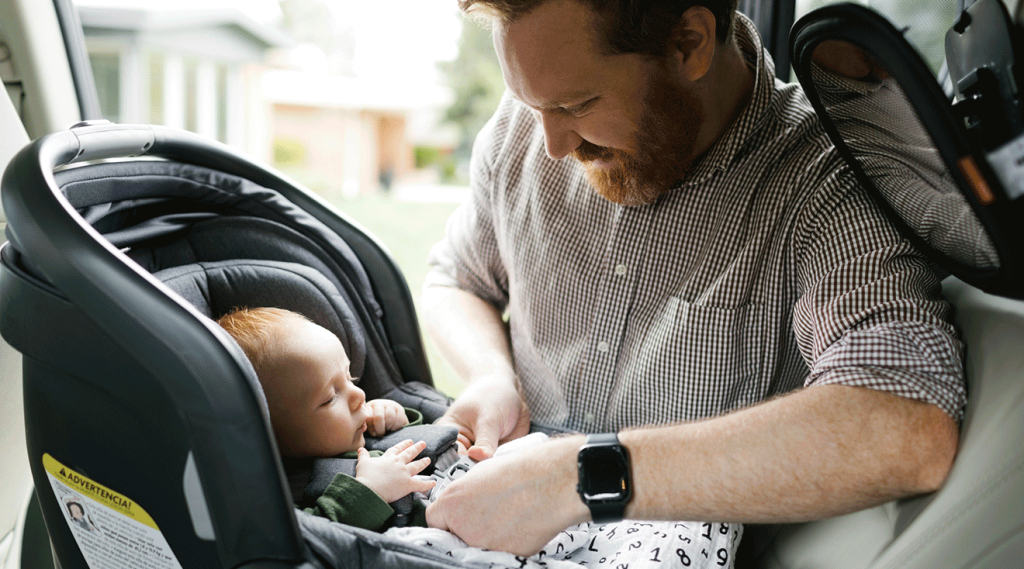
You want to keep your baby safe every time you travel. But how do you know when your little one has outgrown their infant car seat?
Using a seat that’s too small or too big can put your child at risk. You might be wondering if it’s time to switch to the next stage or if your baby still fits comfortably and securely. You’ll discover clear signs to watch for and expert tips to help you make the right choice for your child’s safety.
Keep reading to protect your baby on every ride.
Infant Car Seat Basics
Understanding the basics of an infant car seat is essential for every parent. These seats are designed to keep your baby safe during car rides, but knowing their features and safety rules helps you make the right choice. Have you ever wondered what makes an infant car seat different from other car seats?
Key Features
Infant car seats are made to fit newborns and smaller babies comfortably. They often come with a removable base, so you can click the seat in and out of your car easily. This feature is perfect for quick trips or carrying your sleeping baby without disturbing them.
Most infant seats have a five-point harness, which secures your baby at the shoulders, hips, and between the legs. This keeps your little one snug and protected. Additionally, many models include extra padding and adjustable straps to grow with your baby’s size.
Safety Standards
Safety is the top priority when choosing an infant car seat. Always look for seats that meet federal safety standards, which means they passed strict crash tests. You can usually find a label on the seat showing it complies with these regulations.
Remember, a car seat’s safety isn’t just about the product but also how you install and use it. Have you checked if your seat is installed correctly? Even the best seat won’t protect your baby if it’s not secured properly.
Weight And Height Limits
Understanding the weight and height limits of your baby’s infant car seat is essential for keeping your little one safe. Each car seat is designed to protect children within specific size ranges, and pushing beyond those limits can compromise safety. Knowing when your baby has outgrown their seat helps you make the right switch at the right time.
Manufacturer Guidelines
Every car seat comes with a label or manual detailing the maximum weight and height allowed. These guidelines are based on rigorous safety testing and should be your primary reference. Ignoring them can lead to unsafe travel conditions, even if your baby still seems comfortable.
Sometimes, parents feel their child is too big even if the manual says otherwise. Have you ever wondered if that wiggle room is safe? It usually isn’t. Trust the manufacturer’s limits rather than guesswork or assumptions.
Common Limit Ranges
Most infant car seats support babies up to about 22 to 35 pounds in weight. Height limits often range between 29 to 32 inches. These ranges vary by brand and model, so comparing your seat’s specific numbers is crucial.
| Weight Limit (lbs) | Height Limit (inches) | Typical Age Range |
|---|---|---|
| 22-30 | 29-30 | Birth to ~12 months |
| 30-35 | 31-32 | Birth to ~18 months |
Have you checked your infant seat’s limits lately? Many parents find their child outgrows the seat earlier than expected. This moment often signals it’s time for a convertible or toddler seat, which can handle bigger sizes and provide better support.
Signs Baby Is Ready To Transition
Knowing when a baby is ready to move out of an infant car seat is important for safety. Parents should watch for clear signs that show the baby has outgrown the seat. These signs help ensure the child travels safely and comfortably in a new car seat type. Recognizing these signs avoids risks linked to using the wrong seat size.
Physical Growth Indicators
Babies grow fast, so size matters most for car seats. Key physical signs include:
- The baby’s head is at or above the top of the car seat.
- Shoulders extend past the car seat harness slots.
- The baby’s weight exceeds the car seat limit, usually around 22 to 35 pounds.
- The baby’s height is too tall for the seat’s backrest or shell.
Check the car seat manual for exact limits. Exceeding any limit means it’s time to switch seats.
Behavioral Cues
Behavior changes can show discomfort or lack of support in the infant seat. Watch for:
- The baby fusses or cries more during rides.
- They try to move out of the harness or seat.
- Frequent slouching or awkward positioning in the seat.
- Resistance to being buckled in or wanting more freedom.
These signs suggest the infant seat no longer fits well or feels safe. A larger, more suitable seat can help.
Choosing The Right Next Seat
Choosing the right next seat after your baby outgrows the infant car seat is crucial for safety and comfort. It’s not just about moving to a bigger seat; it’s about finding one that fits your child’s size, your car, and your lifestyle. Understanding the options can help you make a confident choice that keeps your child secure on every trip.
Convertible Car Seats
Convertible car seats offer flexibility. They can be used rear-facing for toddlers and later converted to forward-facing as your child grows. This means you don’t have to buy a new seat right away, saving money and hassle.
Many parents find convertible seats a practical choice because they often have higher weight and height limits than infant seats. But remember, keeping your child rear-facing as long as possible provides better protection. Have you checked the height and weight limits on your current seat to know when it’s time to switch?
Booster Seats
Booster seats are the next step once your child outgrows a forward-facing car seat with a harness. They help position the vehicle’s seat belt correctly across your child’s body. This ensures the belt fits snugly over the shoulder and lap, reducing injury risk in a crash.
Choosing a booster seat depends on your child’s size and maturity. Some kids can safely use a booster by age 4, but others need more time in a harnessed seat. Think about whether your child can sit still and keep the belt in the right place on every ride—this is key to booster safety.
Safety Tips For Transition
Babies outgrow infant car seats by weight or height limits set by the manufacturer. Always check these limits before transitioning to the next seat. Secure your child properly to keep them safe during every ride.
Making the transition from an infant car seat to the next stage is a significant milestone in your baby’s journey. It’s crucial to prioritize safety during this change. The right timing and careful adjustments can make all the difference in keeping your little one secure on the road. Let’s dive into some essential safety tips that will ensure a smooth and safe transition for your baby.
Proper Installation
Ensure the new car seat is installed according to the manufacturer’s instructions. A study showed that nearly half of all car seats are installed incorrectly. This can be a sobering statistic, but it also emphasizes the importance of checking and rechecking the installation. Consider visiting a local fire station or a certified Child Passenger Safety Technician for assistance. They can guide you in securing the seat correctly, ensuring it doesn’t move more than an inch side-to-side or front-to-back.
Harness Adjustments
Adjust the harness so that it fits snugly on your baby. The harness should be at or above your child’s shoulders for forward-facing seats. Tighten the harness until you can no longer pinch any excess webbing at the shoulders. Remember, a loose harness can be dangerous, especially in sudden stops or collisions. This simple adjustment could significantly enhance your child’s safety. Have you ever wondered if your child is truly safe during every ride? Taking the time to ensure proper installation and harness adjustments can give you peace of mind, knowing you’ve taken the right steps to protect your little one.
Frequently Asked Questions
When Should I Stop Using An Infant Car Seat?
Stop using an infant car seat when your baby exceeds the height or weight limit. Typically, this is around 12 months or 22-35 pounds. Always check the manufacturer’s guidelines to ensure safety before transitioning to a convertible or toddler car seat.
How Do I Know If My Baby Outgrows The Seat?
Your baby has outgrown the seat if their head is less than an inch from the top or if they exceed the weight limit. Also, if their shoulders are above the harness slots, it’s time for a bigger car seat.
Can I Use The Infant Car Seat After 1 Year?
Generally, infant car seats are designed for babies up to 1 year old. However, use depends on your baby’s size and the seat’s limits. Always follow the car seat manual and local safety laws to decide when to switch.
What Are Signs Baby Outgrows Infant Car Seat?
Signs include your baby’s head touching the top edge, shoulders above harness slots, or exceeding weight limits. If your baby seems cramped or uncomfortable, consider moving to the next car seat stage for better safety.
Conclusion
Knowing when your baby outgrows the infant car seat keeps them safe. Check the seat’s weight and height limits often. Babies grow fast, so change seats on time. A well-fitted car seat helps protect during travel. Always follow the car seat manual instructions.
Safety matters most on every trip. Keep your child comfortable and secure by upgrading as needed. Remember, proper use of car seats saves lives. Stay informed and watch your baby’s growth closely.