
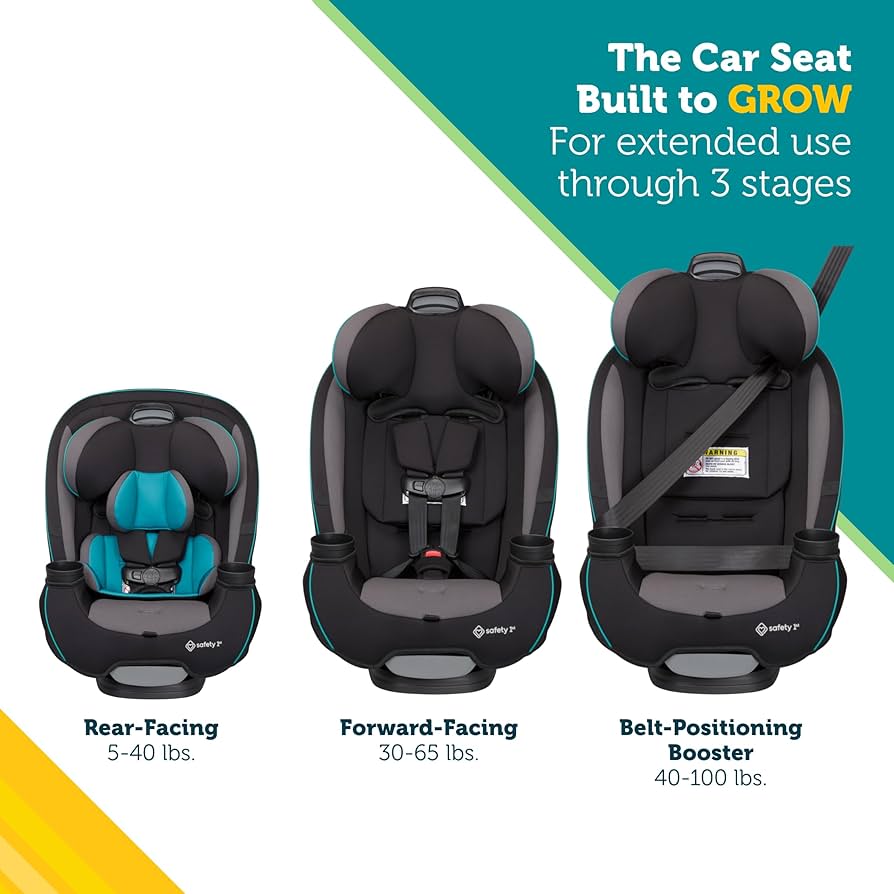
How Long are Safety First Infant Car Seats Good for. When it comes to your baby’s safety, every detail matters—especially the car seat you choose. You might be wondering, “How long can I safely use my Safety First infant car seat?” Knowing the answer is crucial because using an expired or worn-out car seat can put your little one at risk.
You’ll discover exactly how long these car seats last and the key signs that tell you when it’s time for a replacement. Keep reading to protect your child on every ride, without any guesswork.
Credit: fromrebel.com
Lifespan Of Safety First Infant Car Seats
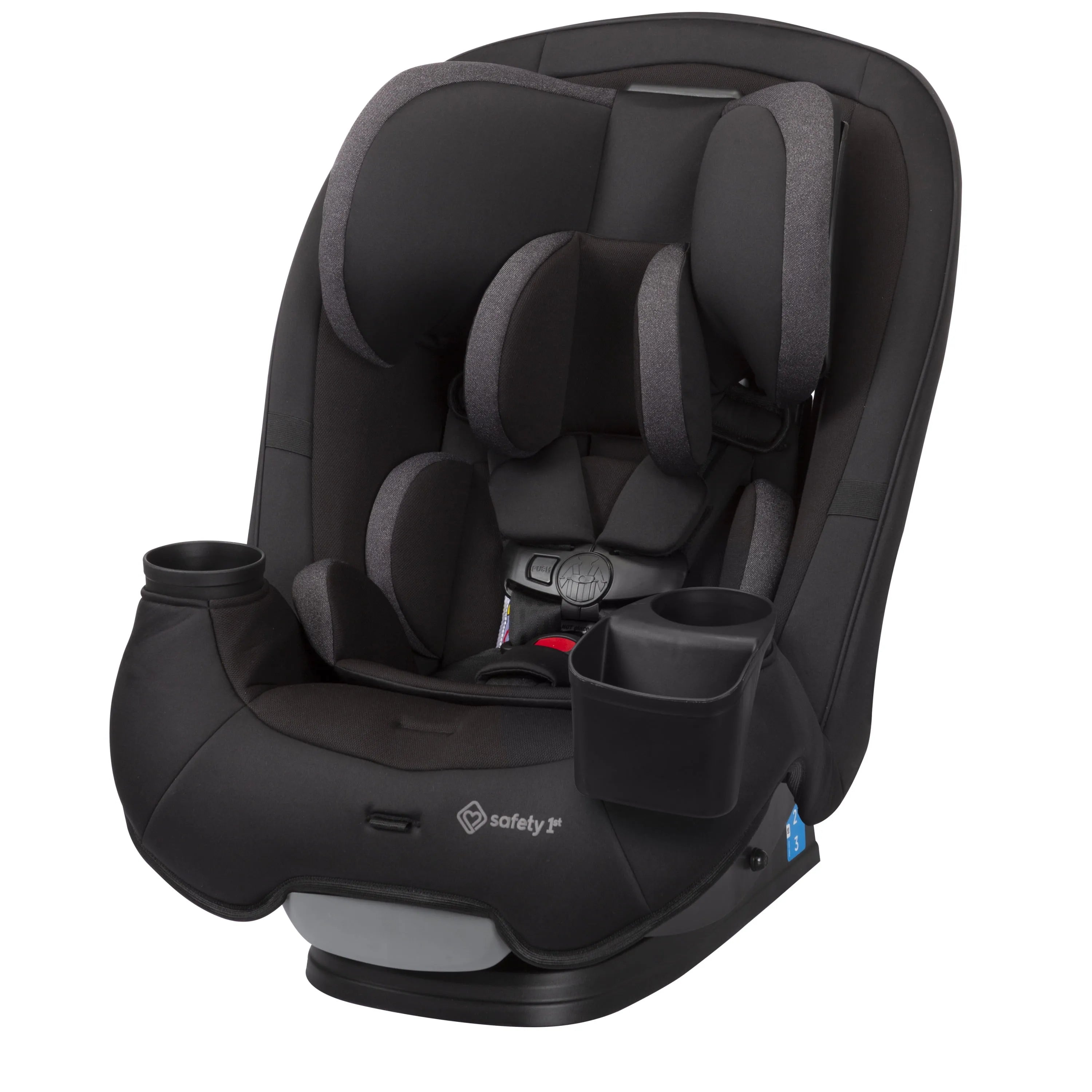
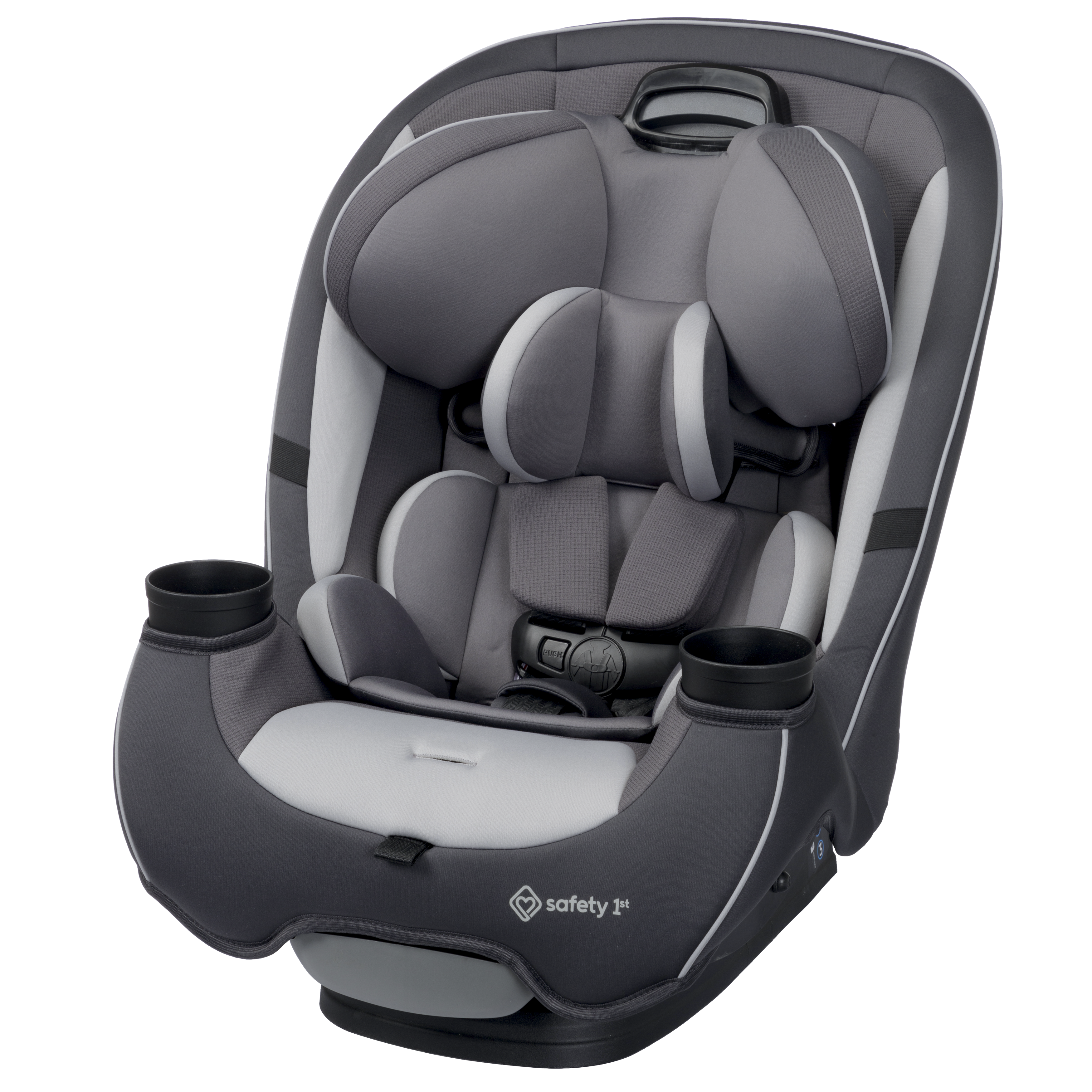
The lifespan of Safety First infant car seats depends on several key factors. Knowing how long these seats last ensures your child’s safety. Car seats can lose effectiveness over time due to material wear and safety updates. Parents should check the expiration date to avoid using expired seats. Understanding these details helps keep your child safe during every ride.
Typical Expiration Period
Most Safety First infant car seats expire after six years from the manufacture date. The expiration date is usually printed on a label under the seat or on the manual. Using a car seat past its expiration date can reduce protection during a crash. This period allows the seat to maintain its safety features and structural integrity.
Factors Affecting Durability
- Exposure to Sunlight:UV rays can weaken the plastic and fabric over time.
- Frequency of Use:Daily use may cause faster wear and tear on straps and buckles.
- Storage Conditions:Proper storage keeps the seat in good condition, avoiding damage from moisture or extreme temperatures.
- Accident History:Seats involved in crashes should be replaced immediately, regardless of age.
- Maintenance:Regular cleaning and inspections help maintain safety and durability.
Credit: safety1st.com
Identifying Expiration Dates
Knowing when your Safety First infant car seat expires is crucial for your child’s safety. These seats don’t last forever, and using one past its prime can put your little one at risk. Identifying the expiration date is the first step to ensuring your seat is still reliable and safe to use.
Where To Find The Date Label
The expiration date is usually found on a sticker or molded into the plastic of the car seat. Check the back, bottom, or side of the seat base carefully. Sometimes it’s near the model number or manufacturing date.
If you don’t see a clear “expiration date,” look for a manufacturing date instead. You can often calculate the expiration from this date, as most Safety First seats expire 6 to 10 years after manufacture.
Understanding Date Codes
Dates might appear in different formats, like MM/DD/YYYY or MM/YYYY. Don’t let this confuse you—focus on the year, since that’s key to knowing how old the seat is.
Keep in mind, some seats have a set lifespan printed, such as “Expires 8 years from manufacture.” If you spot this, add those years to the manufacture date to find the expiration.
Imagine finding your seat’s label buried under a cushion or faded by sunlight. That’s a red flag—faded or missing labels make it tough to verify safety. If you can’t find a readable date, it’s safer to replace the seat.
Risks Of Using Expired Car Seats
Using an expired Safety First infant car seat carries serious risks. These seats are designed with a limited lifespan to ensure maximum protection. After the expiration date, their ability to keep your baby safe decreases significantly. Understanding these risks helps you make smart choices for your child’s safety.
Compromised Safety Features
Safety features weaken after the car seat expires. The harness system may not hold your child securely. Buckles can become stiff or fail to latch properly. Impact-absorbing foam inside the seat loses effectiveness. These changes reduce the seat’s ability to protect in a crash. Using an expired car seat means relying on outdated safety technology.
Material Degradation Over Time
Plastic parts break down with age. Exposure to sunlight and heat causes cracks and brittleness. Straps can fray or lose strength. Padding may compress and lose cushioning power. These issues make the seat less stable and less comfortable. Material degradation increases the risk of injury during accidents.
Proper Maintenance Tips
Keeping your Safety First infant car seat in good shape is essential for your baby’s safety and comfort. Proper maintenance not only extends the life of the car seat but also ensures it performs well during every ride. Let’s look at how you can care for your car seat through cleaning and storage.
Cleaning Guidelines
Start by checking the manufacturer’s label for specific cleaning instructions. Many Safety First car seats have removable covers that you can wash by hand or in a gentle cycle.
Use mild soap and warm water to clean the harness straps—never soak or machine wash them, as this can weaken the material. Spot-clean any plastic parts with a damp cloth and avoid harsh chemicals that might damage the seat’s integrity.
Have you noticed any stains or spills on your car seat recently? Address them promptly to prevent odors and material breakdown. Regular cleaning keeps the seat fresh and safe for your little one.
Storage Recommendations
Storing your infant car seat correctly when not in use is just as important as cleaning. Always keep it in a dry, cool place away from direct sunlight to prevent fading and material deterioration.
Avoid placing heavy items on top of the car seat to maintain its shape and safety features. If you’re storing it for a long time, cover it with a breathable cloth to protect it from dust without trapping moisture.
Think about how you store other baby gear—does it get enough air circulation? Your car seat deserves the same careful treatment to stay reliable for every journey.
When To Replace Your Car Seat
Knowing when to replace your Safety First infant car seat is crucial. Children’s safety depends on using car seats that are in good condition. An expired or damaged seat may not offer needed protection. Pay close attention to signs that indicate it’s time for a new seat.
After An Accident
An accident can compromise your car seat’s integrity. Even minor crashes can cause unseen damage. Always replace your car seat after an accident to ensure safety. Check with your car seat manufacturer for specific guidelines.
Visible Damage Signs
Inspect your car seat regularly for visible damage. Look for cracks in the plastic or fraying straps. Any of these signs mean your car seat might not be safe. Replace it immediately to keep your child protected.
Selecting A New Infant Car Seat
Selecting a new infant car seat is an important choice for your baby’s safety and comfort. This seat protects your child during every ride. Choosing the right one means considering many factors. Focus on features that ensure security and ease of use. A good seat fits your car well and grows with your baby. Understanding what to look for helps you make a smart decision.
Key Features To Consider
- Strong safety ratings and crash test results
- Proper weight and height limits for your infant
- Easy installation with clear instructions
- Comfortable padding and adjustable straps
- Lightweight design for easy carrying
- Compatibility with your stroller, if needed
- Expiration date clearly marked on the seat
Budget-friendly Options
Affordable car seats can still offer good safety. Look for models that meet safety standards without extra features. Simple designs often cost less but protect well. Check for sales or discounts at local stores or online. Consider buying from trusted brands with good reviews. Avoid used seats due to possible damage and expired parts.

Credit: safety1st.com
Frequently Asked Questions
How Long Do Safety First Infant Car Seats Last?
Safety First infant car seats typically last about 6 years from the manufacture date. Expiration depends on wear and safety standards.
Can I Use A Safety First Car Seat After Expiration?
No, using a Safety First car seat after expiration is unsafe. Expired seats may fail crash tests and lose protection.
How To Find The Expiration Date On Safety First Seats?
The expiration date is printed on a label on the car seat’s shell or base. Look for “Expiration” or “Use By” info.
Why Should I Replace An Expired Infant Car Seat?
Expired car seats lose plastic integrity and safety features. Replacement ensures your baby has the best crash protection available.
Conclusion
Safety First infant car seats usually last about six years. Check the expiration date on the seat label. Old seats may not protect your child well. Cracks, wear, or missing parts mean it’s time to replace. Always follow the manufacturer’s instructions for safety.
Use a car seat that fits your child’s size and weight. Keep your little one safe by updating the car seat when needed. Safety matters most on every ride. Choose wisely and stay informed.