

Have you ever wondered what car polish really does for your vehicle? If you want your car to look shiny, smooth, and well-cared-for, understanding car polish is key.
It’s not just about making your car look good—it can protect your paint and keep your vehicle looking newer for longer. You’ll discover exactly how car polish works and why it’s an essential step in maintaining your car’s beauty. Keep reading, and you’ll learn simple tips that can make a big difference for your car’s appearance.
Credit: bodyshop.ae
How Car Polish Works
Car polish works by refining your vehicle’s paint surface to restore its shine and smoothness. It targets tiny flaws and layers of dirt that regular washing cannot remove. This process improves the car’s appearance and prepares the surface for protection.
Removing Surface Imperfections
Car polish contains mild abrasives that gently scrape off the top layer of paint. This action removes small scratches, swirl marks, and oxidation. It also clears away dirt stuck in the paint pores. The result is a cleaner, clearer surface ready for the next step.
Enhancing Paint Gloss
Polish smooths the paint to reflect light better. This makes the car’s color look deeper and richer. The gloss created by polishing gives the car a fresh, vibrant shine. It improves the overall look without changing the paint color.
Smoothing The Surface
Polishing fills in tiny irregularities on the paint. It creates a uniform, even texture that feels smooth to touch. This smooth surface helps protect the paint from dirt and water. It also makes waxing or sealing more effective and longer-lasting.
Credit: www.thedetailshopct.com
Types Of Car Polishes
Car polish comes in different types, each designed to serve a specific purpose on your vehicle’s paint. Understanding these types helps you choose the right product for your car’s needs and avoid unwanted damage. Let’s break down the main categories so you know what you’re working with next time you want to restore that showroom shine.
Abrasive Polishes
Abrasive polishes contain tiny particles that physically remove a thin layer of your car’s clear coat. This helps to get rid of scratches, swirl marks, and oxidation. If your paint looks dull or has noticeable imperfections, abrasive polishes can bring back its smoothness and gloss.
However, you need to be careful. Overusing abrasive polish can wear down your paint over time. Have you ever noticed how some cars look clearer and brighter after a professional detailing? That’s usually because of skillful use of abrasive polishes.
Non-abrasive Polishes
Non-abrasive polishes don’t cut into the paint. Instead, they work by filling in tiny scratches and enhancing the surface’s shine. These are perfect if your car only needs a light boost in gloss without the risk of paint damage.
Imagine you want your car to look freshly waxed but without any rubbing or buffing—non-abrasive polish is what you’d reach for. It’s gentle and safe for regular use, making it ideal for maintaining your car’s appearance between deeper cleanings.
Hybrid Formulas
Hybrid polishes combine elements of both abrasive and non-abrasive types. They offer moderate correction while adding shine and protection. This balance makes them popular among DIY enthusiasts who want effective results without complicated steps.
Have you tried a product that promised to fix minor scratches and leave a glossy finish? There’s a good chance it was a hybrid formula. These polishes provide flexibility, so you can tackle various paint issues with one product.
Benefits Of Using Car Polish
Car polish offers several benefits for your vehicle’s appearance and durability. It enhances shine, protects the paint, and extends the lifespan of your car’s exterior. Let’s explore how car polish helps in maintaining your vehicle.
Restoring Paint Clarity
Car polish helps remove minor scratches and swirl marks. It smooths the paint surface, restoring its clarity. A polished car looks newer and more vibrant. This process enhances the overall appearance of your vehicle.
Protecting Against Oxidation
Car polish acts as a barrier against oxidation. Oxidation makes paint look dull and faded over time. Polishing creates a protective layer on the paint. This layer prevents air and moisture from causing damage.
Improving Paint Longevity
Regular use of car polish extends the paint’s life. It keeps the surface smooth and free from contaminants. A polished car resists environmental damage more effectively. This prolongs the beauty and integrity of your vehicle’s paint.
Polish Vs. Wax: Key Differences
Understanding the differences between car polish and wax helps maintain your vehicle’s shine and protection. Both improve a car’s look but serve unique roles. Knowing their key differences guides you to use the right product for your needs.
Purpose And Function
Car polish cleans the paint by removing dirt, scratches, and oxidation. It smooths the surface and restores the original shine. Wax creates a protective layer on top of the paint. This layer guards against water, dirt, and sun damage while enhancing gloss.
Application Process
Polish requires more effort and care. It often needs a buffer or soft cloth to rub it evenly. Wax is simpler to apply by hand or with a pad. It dries to a haze and then buffs off to reveal shine.
Durability And Protection
Polish improves paint appearance but offers little protection. Wax lasts longer by shielding the paint from elements. Wax usually needs reapplication every few weeks. Polish is done less often, only when the paint looks dull.
Proper Application Techniques
Proper application techniques are key to getting the best results from car polish. If you skip important steps or use the wrong tools, you might end up with streaks or uneven shine instead of a smooth, glossy finish. The good news is that with the right preparation and careful polishing, you can easily enhance your car’s look and protect its paint.
Surface Preparation
Before applying polish, your car’s surface must be clean and dry. Dirt or grime trapped under the polish can cause scratches and dull the finish. Washing your car thoroughly with soap and water is essential, followed by drying it with a soft microfiber cloth.
After washing, inspect the paint for any stubborn contaminants like tar or tree sap. These need to be removed using a clay bar or a specialized cleaner to ensure the polish can work directly on the paint. Skipping this step is like trying to paint over dust—it won’t stick properly.
Choosing The Right Tools
Your choice of tools can make or break the polishing job. Soft foam or microfiber applicator pads are gentle on paint and help spread polish evenly. Avoid using old or dirty cloths that might scratch the surface.
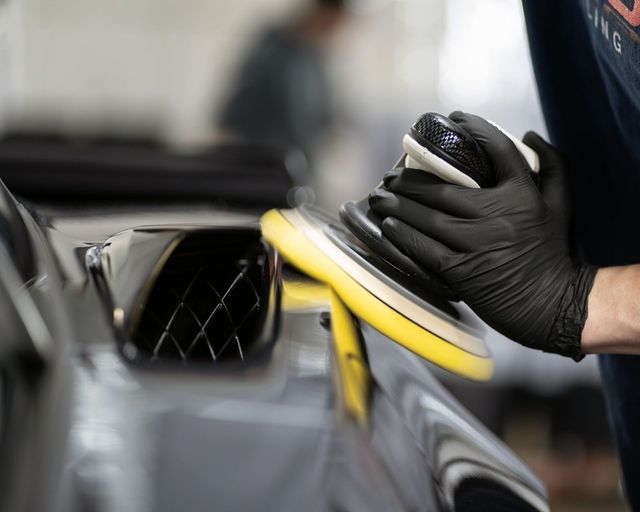
If you’re using a machine polisher, select the right pad type—foam for light polishing and wool for heavier correction. Using the wrong pad can damage the paint or fail to deliver the shine you want. Have you ever tried polishing with a rough cloth and ended up with swirl marks? That’s why tool quality matters.
Step-by-step Polishing Guide
- Apply a small amount of polish to your applicator pad to avoid waste and mess.
- Work on one panel at a time, using circular or back-and-forth motions to spread the polish.
- Use light to moderate pressure—pressing too hard can remove paint or cause unevenness.
- Allow the polish to haze slightly before wiping it off with a clean microfiber cloth.
- Check your work by inspecting the surface under natural light for consistent shine.
- Repeat the process on all panels, ensuring you don’t skip any areas.
Polishing takes patience and attention. Have you noticed how rushing through the process leaves you with streaks or missed spots? Taking your time ensures a perfect finish that lasts longer.
Common Mistakes To Avoid
Car polishing can transform your vehicle’s appearance, but it’s easy to slip up if you’re not careful. Avoiding common mistakes ensures your paint stays protected and shines without damage. Let’s look at some pitfalls that many car owners face and how you can steer clear of them.
Over-polishing Risks
Polishing too often or too aggressively can wear down your car’s clear coat. This layer protects your paint and once it’s gone, you expose your car to scratches and fading.
I once polished my car every two weeks, thinking it would keep it flawless. Instead, I noticed dull spots and minor scratches forming. Ask yourself: is your car really dirty or just a bit dusty? Sometimes, a simple wash is enough.
Using The Wrong Product
Not all polishes are made equal. Using a product meant for heavy cutting on a lightly scratched surface can cause more harm than good.
Some polishes contain harsh abrasives that strip away paint layers. Always check if the polish suits your car’s paint type and condition. If uncertain, test on a small, hidden spot first.
Neglecting Aftercare
Polishing isn’t the final step. Skipping proper aftercare can leave your car vulnerable to dirt and UV damage.
After polishing, applying a good wax or sealant locks in that shine and adds protection. I once skipped this step and saw my car dull quickly after rain. How often do you protect your paint after polishing?
Maintaining Shine After Polishing
Keeping your car’s shine alive after polishing requires more than just the initial effort. Polishing removes imperfections and adds gloss, but maintaining that brilliance depends on how you care for your vehicle daily. Small habits and timely treatments can make a big difference in preserving that fresh, just-polished look.
Regular Cleaning Tips
Washing your car often is key to maintaining shine. Use a gentle car shampoo instead of household detergents to avoid stripping away the polish. Rinse thoroughly to remove dirt and grime that can dull the surface.
Dry your car with a soft microfiber cloth to prevent water spots. These small steps prevent contaminants from embedding into the polish and keep the surface smooth and reflective. Have you noticed how even a quick wash can brighten your car’s appearance?
Applying Sealants
Sealants act like a protective shield over your polish, locking in the shine. They fill microscopic pores on the paint, making it harder for dirt and water to stick. Applying a sealant after polishing enhances durability and adds depth to the gloss.
Many sealants last several months, so you don’t have to apply them constantly. Choose one that suits your lifestyle—if you park outside often, a stronger sealant is worth the extra effort. Think of sealants as your car’s armor against environmental damage.
Scheduled Re-polishing
Even the best polish doesn’t last forever. Over time, exposure to sunlight, rain, and pollution will dull the shine. Setting a schedule for re-polishing helps you stay ahead and keep your car looking its best.
How often depends on your driving habits and where you live, but many car owners find that a polish every 6 to 12 months works well. Don’t wait until your paint looks tired—regular touch-ups keep your car’s finish smooth and radiant.
Credit: nufinish.com
Frequently Asked Questions
What Does Car Polish Do For My Vehicle?
Car polish removes minor scratches, swirl marks, and oxidation from the paint. It restores shine and smoothness to the surface, enhancing the car’s appearance and preparing it for waxing or sealing.
How Often Should I Use Car Polish?
Use car polish every 3 to 6 months, depending on your car’s condition. Frequent polishing can damage paint, so avoid overuse. Regular polishing maintains a glossy finish and protects the paint.
Can Car Polish Protect Against Environmental Damage?
Car polish provides a temporary protective layer against dirt, UV rays, and contaminants. However, it is not as durable as wax or sealant, which offer longer-lasting protection and water resistance.
Is Car Polish Suitable For All Car Paints?
Car polish is generally safe for most paint types but always test on a small area first. Avoid abrasive polishes on delicate or matte finishes to prevent damage.
Conclusion
Car polish helps keep your car’s paint smooth and shiny. It removes small scratches and dirt that washing misses. Using polish protects the paint from fading and damage. It also makes your car look newer and well cared for. Regular polishing saves money by preventing costly repairs later.
Choose the right polish and apply it carefully for best results. Your car will thank you with a bright, clean finish. Easy steps lead to better car care every time.