

Have you ever wondered if the wax used at your local car wash is actually good for your car? You might think a quick wax adds shine and protection, but could it be doing more harm than good?
Understanding what’s really happening when that wax touches your car’s surface can save you time, money, and frustration. Keep reading to discover the truth about car wash wax and learn how to keep your vehicle looking its best without hidden risks.
How Car Wash Wax Works
Understanding how car wash wax works can help you decide if it’s the right choice for your vehicle. Wax forms a protective layer on your car’s paint, shielding it from dirt, water, and harmful UV rays. It also enhances your car’s shine, making it look fresh and well-maintained.
Types Of Car Wash Waxes
There are several types of waxes you can find at car washes, each with unique properties:
- Carnauba Wax:Derived from a natural plant, it gives a deep, warm shine but may wear off faster.
- Synthetic Wax:Made from polymers, it lasts longer and offers stronger protection against elements.
- Spray Wax:Quick and easy to apply, perfect for touch-ups but less durable than paste or liquid wax.
Knowing these options helps you pick a wax that suits your needs. Which type do you think fits your routine better—natural or synthetic?
Application Process
Applying car wash wax is usually straightforward. After washing your car, the wax is applied either by hand or machine, then buffed to create a smooth finish.
Some car washes use automated sprayers that evenly coat your vehicle while others allow you to apply wax manually for more control. The key is ensuring the car surface is clean and dry before waxing.
Have you noticed how a simple wax application can instantly brighten your car’s look? It’s a small step with a big visual impact.
Benefits Of Waxing
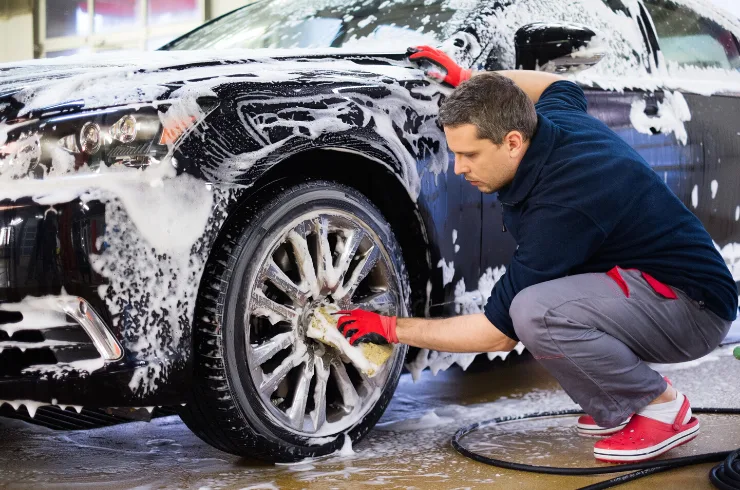
Waxing your car regularly brings several benefits beyond just making it shine. It protects the paint from scratches and fading caused by sun exposure.
Wax also repels water and dirt, making future washes easier and helping prevent rust. Plus, a well-waxed car can maintain its resale value better over time.
Does the idea of saving money on repairs and keeping your car looking new motivate you to add waxing to your routine?
Credit: www.washdoctors.co.uk
Common Concerns About Wax
Wax is a popular product for car care. Some people worry it might harm their car’s paint or finish. Understanding these concerns helps owners take better care of their vehicles. Common concerns about wax focus on paint damage, wax build-up, and effects on the clear coat.
Potential Paint Damage
Some believe wax can damage car paint. This usually happens if the wax is low quality or left on too long. Harsh chemicals in certain waxes might eat away at the paint. But most car waxes are safe and designed to protect paint. Using wax properly avoids damage and keeps paint shiny.
Wax Build-up Issues
Wax build-up occurs when layers of wax stack on the surface. This can make the paint look dull or uneven. Thick build-up may trap dirt and grime. It can also make the surface sticky or hard to clean. Regular washing and using the right amount of wax prevents build-up problems.
Effect On Clear Coat
The clear coat is a thin layer that protects car paint. Some worry wax might harm this layer. Proper wax products do not damage the clear coat. But abrasive waxes or overuse might wear it down over time. Gentle products and careful application keep the clear coat safe and glossy.
Myths Vs Facts
Many people believe car wash wax damages their car’s paint. Myths spread quickly, but facts tell a different story. Separating truth from fiction helps car owners make smart choices.
Waxing your car is often misunderstood. Some think wax causes scratches or wears down paint. Others wonder if wax helps protect the car’s finish. Let’s clear up these common myths with facts.
Does Wax Cause Scratches?
Wax itself does not cause scratches. Scratches usually come from dirt or debris trapped under the wax. Applying wax on a dirty surface can cause tiny scratches. Always wash your car thoroughly before waxing.
Using a soft cloth or applicator reduces the risk of scratches. Avoid abrasive tools that can damage paint. Waxing gently protects your car’s surface rather than harms it.
Wax And Car Paint Longevity
Wax adds a protective layer over the paint. This layer shields the car from UV rays, dirt, and water. Waxing regularly helps maintain the paint’s shine and color.
Without wax, paint can fade or peel faster. Wax slows down paint damage caused by weather and pollution. It extends the life of the car’s exterior.
Professional Opinions
- Experts agree wax improves paint protection.
- Many car detailers recommend waxing every few months.
- Professionals warn against skipping the washing step before waxing.
- They suggest using quality wax products for best results.
Car professionals see wax as a helpful part of regular care. Proper waxing keeps cars looking newer longer.
Safe Waxing Practices
Waxing your car can keep it looking shiny and protected, but only if done correctly. Safe waxing practices help you avoid damage to your car’s paint and maximize the benefits of waxing. Let’s dive into how you can wax your car safely and effectively.
Choosing The Right Wax
Not all waxes are created equal. Look for waxes designed specifically for your car’s paint type—whether it’s clear coat or single-stage paint. Using the wrong wax can lead to dullness or even damage.
Consider natural carnauba wax for a deep, glossy shine if you want a rich finish. Synthetic waxes often last longer and provide better protection against harsh weather. Do you know what kind of wax suits your car best?
Proper Application Tips
Applying wax is not just about spreading it on—how you do it matters. Always work on a clean, dry surface to avoid locking dirt under the wax. Use soft applicator pads and apply wax in thin, even layers.
Buff the wax off with a microfiber cloth before it fully dries to prevent streaking. Avoid waxing under direct sunlight or on a hot surface, as this can cause the wax to dry too quickly and become difficult to remove.
Frequency Of Waxing
Waxing too often can build up residue, while too infrequent waxing leaves your car unprotected. Most experts suggest waxing every three months for regular drivers. However, if you park your car outside in harsh conditions, more frequent waxing might be necessary.
Pay attention to how water behaves on your car’s surface—if it stops beading, it’s time to wax again. How often you wax will affect how well your car’s paint stays protected and looks over time.
Alternatives To Car Wash Wax
Some car wash waxes can harm your car’s paint over time. Using natural alternatives like clay bars or quick detail sprays helps protect the surface gently. These options keep your car shiny without the risks wax may cause.
Looking for alternatives to traditional car wash wax? You’re not alone. Many car enthusiasts are exploring different options to maintain that showroom shine while ensuring their car’s paint remains protected and vibrant. Let’s dive into some effective alternatives that offer both protection and shine for your vehicle.
Sealants And Coatings
Sealants and coatings are gaining popularity due to their durability and long-lasting protection. Unlike traditional wax, which may last a few weeks, sealants can provide protection for several months. They form a synthetic shield over your car’s paint, offering enhanced protection against UV rays, contaminants, and even minor scratches. Consider ceramic coatings, which have become a favorite among car owners. They offer a glossy finish and can last for years with proper maintenance. A friend once shared how a ceramic coating survived a harsh winter without losing its luster. Wouldn’t you prefer that kind of resilience?
Waterless Wash Options
Waterless wash products are perfect for those who want to save water and time. These products clean and protect your car in one go, without the need for rinsing. It’s a quick and convenient way to maintain your car’s appearance, especially when you’re short on time. These options often contain protective agents, similar to wax, but are much easier to apply. Imagine giving your car a quick clean and wax on a lunch break. Isn’t that an efficient way to keep your vehicle looking sharp?
Natural Wax Alternatives
For those who prefer eco-friendly choices, natural wax alternatives like carnauba wax are excellent options. Derived from the leaves of the carnauba palm, this wax is known for its high-gloss finish and water-repellent properties. It provides a beautiful shine while being gentle on the environment. Another natural option is beeswax, which adds depth to your car’s color and a warm glow. A colleague once used beeswax on an antique car, and the results were stunning. Could switching to natural waxes enhance not just your car’s look but also your eco-friendly lifestyle? These alternatives to car wash wax not only offer effective protection and shine but also cater to different needs and preferences. Whether you’re aiming for a quick clean, a long-lasting finish, or an eco-friendly option, there’s a solution that fits your lifestyle.
Credit: www.consumerreports.org
Frequently Asked Questions
Is Car Wash Wax Harmful To My Car’s Paint?
Car wash wax is generally safe and protects your car’s paint. However, low-quality waxes may cause buildup or dullness. Always use trusted products and follow instructions for best results.
Can Car Wash Wax Damage Car Surfaces?
Properly applied car wash wax should not damage surfaces. Avoid harsh chemicals or abrasive tools that can scratch or wear the finish. Use wax designed specifically for automotive use.
How Often Should I Apply Car Wash Wax?
Applying car wash wax every 6 to 8 weeks is ideal. Frequent waxing maintains shine and protects paint from dirt and UV rays. Over-waxing may cause residue buildup.
Does Car Wash Wax Improve Car Shine?
Yes, car wash wax enhances shine by creating a smooth, reflective surface. It also seals the paint, repelling water and dirt for a polished look.
Conclusion
Car wash wax can protect your car’s paint if used right. Using too much or the wrong type may cause damage. Always choose a wax made for your car’s finish. Apply it gently and do not overuse. Regular washing and waxing keep your car looking fresh.
Taking care of your car helps it last longer. A little effort goes a long way in car care. Keep your car shiny and safe with proper wax use.