

Have you ever finished washing your car and wondered, “Should I wax my car after every wash?” You want your vehicle to look shiny and new, but is waxing every time really necessary? Waxing can protect your paint and keep your car gleaming, but overdoing it might cause more harm than good.
You’ll discover the truth about how often you should wax your car to keep it looking its best without wasting time or money. Keep reading to find out what experts recommend and how you can make the right choice for your car care routine.
Benefits Of Waxing After Washing
Waxing your car right after washing it might seem like an extra chore, but the benefits can really make a difference in how your vehicle looks and lasts. Applying wax when the surface is clean helps lock in protection and gives your paint a fresh, vibrant finish. Let’s look at how waxing after every wash can keep your car in top shape.
Enhancing Paint Protection
Wax creates a protective barrier on your car’s paint, shielding it from harmful elements like UV rays, bird droppings, and road salt. After washing, your car’s surface is free from dirt and grime, making wax stick better and last longer.
Think about it: if you skip waxing, your paint is more exposed to damage. Regular waxing after washing means you’re consistently defending your car’s finish from fading and corrosion.
Boosting Shine And Gloss
Waxing immediately after washing enhances your car’s natural shine, giving it a deep, glossy look that turns heads. Clean paint reflects light better, so the wax can create that mirror-like finish you want.
I noticed that waxing right after a wash made my car look showroom-ready, even after weeks of driving. This simple step can give your vehicle that fresh-from-the-dealer sparkle every time.
Repelling Water And Dirt
Wax acts like a raincoat for your car, causing water to bead up and roll off quickly. This helps prevent water spots and reduces how often dirt sticks to your car’s surface.
After washing and waxing, you’ll find your car stays cleaner longer, which means less frequent washes and less effort overall. Wouldn’t you prefer spending more time driving and less time cleaning?
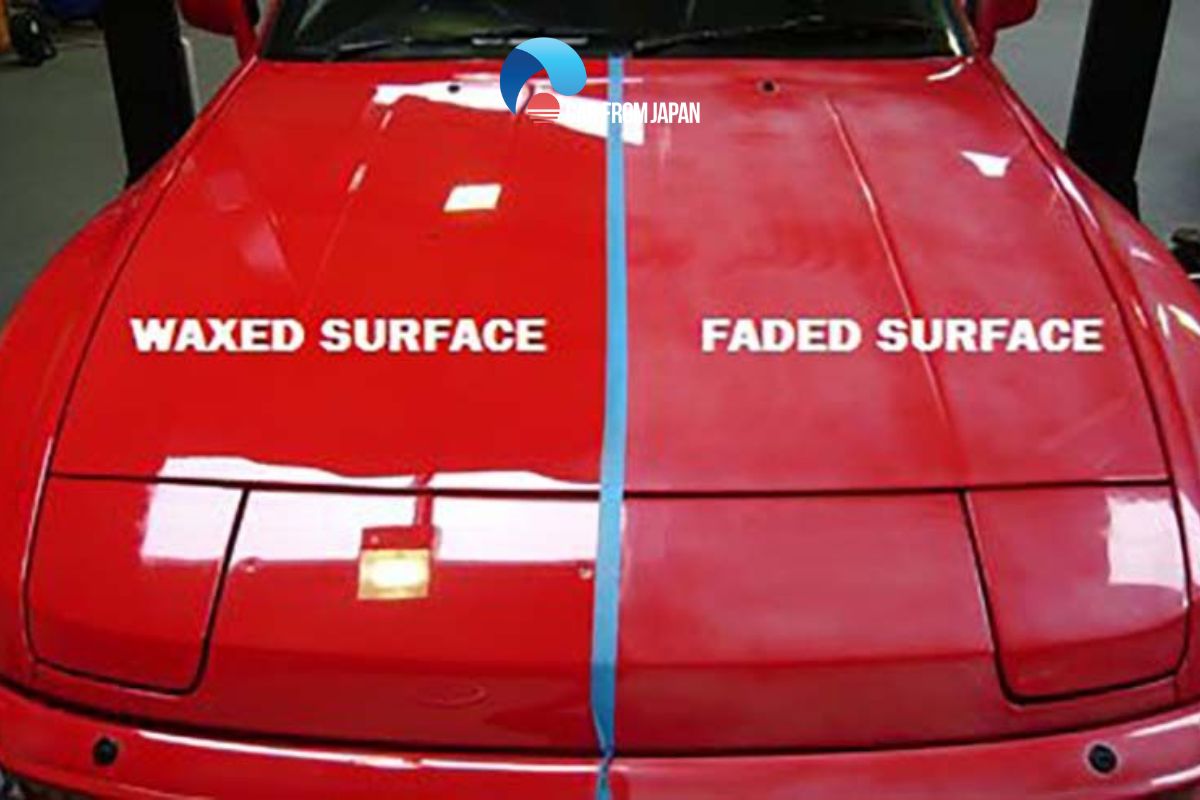
Credit: carfromjapan.com
How Often To Wax Your Car
Deciding how often to wax your car depends on several key factors that affect your vehicle’s finish and protection. Waxing too frequently might be unnecessary, while waiting too long can leave your paint vulnerable. Understanding the right frequency will help you maintain a glossy, protected surface without wasting time or product.
Factors Influencing Wax Frequency
Your driving habits play a big role in how often you should wax. If you mostly drive in the city, your car faces pollution and dust, which can wear down wax faster. On the other hand, highway driving exposes your car to fewer contaminants but more UV rays.
Also consider where you park. A garage keeps your car safe from harsh weather, meaning your wax lasts longer. Cars left outside endure rain, sun, and bird droppings, all of which break down wax quicker.
Think about how often you wash your car. Each wash strips away some wax, so more frequent washing might require more frequent waxing to maintain protection.
Seasonal Waxing Considerations
Season changes affect your waxing schedule. During winter, road salt and grime can damage your paint, so waxing before winter adds a protective barrier. Spring and summer bring strong sun and rain, which also wear down wax.
Many car owners find waxing every 3-4 months suits most climates. But if you live in areas with extreme weather, waxing every 2 months could be better to keep your paint safe.
Wax Types And Their Durability
Not all waxes last the same. Natural carnauba wax offers a deep shine but usually lasts 4-6 weeks. Synthetic waxes or sealants can protect your car for 3-6 months.
Consider your priorities: if you want a brilliant shine and don’t mind reapplying often, carnauba wax is great. If protection and low maintenance matter more, synthetic wax or ceramic coatings are smarter choices.
Ask yourself: what balance do you want between shine, protection, and effort? That answer will guide how often you need to wax your car.
Signs Your Car Needs Waxing
Knowing when to wax your car keeps its paint healthy and shiny. Wax protects the surface from dirt, sun, and rain. Waxing too often wastes time and product. Too little leaves your paint open to damage. Watch for clear signs that your car needs waxing soon. These signs show the wax layer is fading or gone.
Dull Or Faded Paint
Wax makes paint look glossy and bright. Dull or faded paint means the wax is wearing off. If your car’s shine looks flat or lifeless after washing, it likely needs waxing. Sun and weather break down wax over time, causing this dullness.
Water Spotting And Beading Loss
Wax helps water bead up on the surface. Water forms small droplets that roll off easily. If water spreads out or leaves spots on your car, the wax layer is weak or missing. Loss of water beading means less protection from moisture and dirt.
Surface Roughness
Wax smooths the car’s surface, making it slick to the touch. A rough or gritty feel after washing shows the wax has worn away. Dirt and grime stick more to rough surfaces. Waxing restores smoothness and helps keep the paint clean.
Waxing Mistakes To Avoid
Waxing your car protects its paint and keeps it shiny. But some common mistakes can harm your car’s finish instead. Avoid these errors to get the best results from waxing.
Waxing On Dirty Surfaces
Applying wax on a dirty car traps dust and grime under the wax. This causes scratches and dull spots on the paint. Always wash and dry your car fully before waxing. A clean surface helps the wax stick properly and gives a smooth shine.
Using Too Much Or Too Little Wax
Too much wax creates a thick layer that is hard to remove. It can leave streaks and cloudy spots. Using too little wax means less protection and a weak shine. Use a thin, even coat for the best effect. Follow the product instructions for proper amounts.
Skipping Regular Washing
Wax does not clean your car. Dirt and debris build up over time if you skip washing. This buildup can damage the paint beneath the wax layer. Wash your car regularly to keep the surface ready for waxing. Clean paint makes waxing more effective and longer-lasting.
Step-by-step Waxing Process
The step-by-step waxing process is crucial to maintain the glossy finish of your car and protect it from environmental elements. Knowing the correct way to wax your car ensures that you get the best results every time. Let’s delve into the details of preparing, applying, and buffing to achieve that showroom shine.
Preparing The Car Surface
Begin by thoroughly washing your car to remove dirt and grime. Any residues left on the surface can scratch the paint when waxing. Dry the car completely using a microfiber towel to prevent water spots from forming.
Inspect the car’s surface for any stubborn tar or bug splatters. Use a clay bar to gently lift these impurities away, leaving a smooth surface ready for waxing. Do you know that tiny contaminants can ruin your car’s finish?
Applying Wax Correctly
Choose a high-quality car wax that suits your vehicle’s needs. Apply a small amount of wax onto a foam applicator pad. Work in small sections, using circular motions to spread a thin, even layer across the surface.
Avoid direct sunlight while applying wax as it can dry too quickly, leaving streaks. Let the wax haze over for a few minutes. The right amount of waiting makes all the difference—too soon, and you’ll wipe it off before it sets.
Buffing For Best Results
Use a clean, soft microfiber cloth to buff the waxed surface. Gently wipe in circular motions until the wax is removed, revealing a deep, glossy finish. Notice the shine? It’s the reward for your meticulous effort.
Buffing is not just about removing wax—it enhances the shine and adds that extra layer of protection. Have you ever admired the reflection of a perfectly waxed car? It’s worth every minute spent buffing.
Regular waxing after every few washes can significantly extend the life of your car’s paint job. So, is it time to wax your car again?

Credit: carfromjapan.com
Alternatives To Traditional Waxing
Traditional waxing is a popular way to protect and shine your car’s paint. Yet, some drivers seek other options that last longer or need less frequent care. Alternatives to waxing offer strong protection and can save time. These options include sealants and ceramic coatings. Each has different benefits and care needs. Understanding these alternatives can help you choose the best way to keep your car looking great.
Sealants And Ceramic Coatings
Sealants are synthetic products that protect car paint. They form a hard, shiny layer on top. Sealants last longer than wax, usually up to six months. Ceramic coatings are liquid polymers that bond with the paint. They create a very tough, durable layer. This layer repels water, dirt, and chemicals well. Ceramic coatings can last for years with proper care. Both options give your car a glossy finish and strong defense.
Pros And Cons Compared To Wax
| Feature | Sealants | Ceramic Coatings | Wax |
|---|---|---|---|
| Durability | 4-6 months | 1-3 years | 4-6 weeks |
| Protection | Good | Excellent | Moderate |
| Gloss | High | Very High | Warm shine |
| Cost | Moderate | High | Low |
| Application | Easy | Requires skill | Easy |
Maintenance Tips For Alternatives
- Wash your car regularly with gentle soap.
- Avoid harsh chemicals that can break down coatings.
- Use a microfiber towel to dry and clean surfaces.
- Reapply sealants every 4-6 months for best results.
- For ceramic coatings, use special maintenance sprays.
- Check for signs of wear or damage on coatings.
- Park in shaded areas to reduce sun damage.

Credit: wavex.in
Frequently Asked Questions
Should I Wax My Car After Every Wash?
No, waxing after every wash is unnecessary. Waxing too often can damage the paint. Ideally, wax your car every 2-3 months for optimal protection and shine.
How Often Should I Wax My Car?
Wax your car every 2 to 3 months. This frequency keeps the paint protected and maintains a glossy finish without overdoing it.
Does Waxing Protect My Car’s Paint?
Yes, waxing creates a protective layer. It shields the paint from UV rays, dirt, and water damage, helping maintain your car’s appearance longer.
Can Washing Remove Car Wax?
Frequent washing, especially with harsh detergents, can strip wax off. Use gentle car shampoos to preserve wax protection between applications.
Conclusion
Waxing your car after every wash is not always needed. Too much waxing can harm the paint. Usually, waxing every few weeks works best. It protects your car and keeps it shiny. Clean your car well before waxing. This helps wax stick better and last longer.
Pay attention to your car’s condition. Adjust your waxing routine based on weather and use. Taking care of your car this way saves time and money. Keep your car looking nice with smart waxing habits.