

Want your car to shine like new and turn heads everywhere you go? Learning how to wax polish your car is easier than you think—and it can make a huge difference in protecting your paint and boosting your car’s appearance.
Imagine driving with a sleek, glossy finish that repels dirt and water, keeping your car looking fresh for longer. In this guide, you’ll discover simple steps to achieve that showroom shine right at home. Ready to give your car the care it deserves?
Let’s dive in and make your ride sparkle!
Choosing The Right Wax
Choosing the right wax is key to a shiny and protected car surface. The right wax keeps your paint safe from dirt, rain, and sun. It also makes your car look new for longer. Picking the right wax depends on your car’s paint type, your budget, and how long you want the shine to last.
Types Of Car Wax
Car wax comes in several forms. Each type has its own strengths and uses.
- Paste Wax:Thick and durable. Gives a deep shine but takes more effort to apply.
- Liquid Wax:Easy to apply and spreads quickly. Good for regular use.
- Spray Wax:Fast and simple. Best for quick touch-ups and light protection.
Wax For Different Paint Finishes
Not all wax works well on every paint finish. Choose wax based on your car’s paint type.
- Clear Coat Paint:Most common. Use wax made for clear coats to avoid damage.
- Single-Stage Paint:Older cars often have this. Use a softer wax to protect the color.
- Matte Paint:Special waxes exist that protect without adding shine or gloss.
Natural Vs Synthetic Waxes
Natural and synthetic waxes offer different benefits. Decide which suits your needs best.
- Natural Wax:Made from carnauba. Known for deep, warm shine and natural protection.
- Synthetic Wax:Made from polymers. Lasts longer and offers strong protection in all weather.
Natural wax shines beautifully but fades faster. Synthetic wax stays longer but may lack that warm glow.
Credit: www.cardekho.com
Preparing Your Car
Preparing your car is a vital step before applying wax polish. This process helps remove dirt, grime, and old wax layers. A clean surface allows the wax to stick better and shine brighter. Taking time to prepare your car improves the final look and protects the paint.
Washing And Drying
Start by rinsing your car with clean water to remove loose dirt. Use a car-safe soap and a soft sponge or mitt. Wash the car section by section to avoid soap drying on the surface. Rinse thoroughly to remove all soap residue. Dry the car using a microfiber towel to prevent water spots.
Removing Old Wax And Contaminants
Old wax and contaminants can block new wax from bonding. Use a wax remover or a gentle polish to clear these layers. Apply with a soft cloth and rub gently in circular motions. This step ensures a smooth surface for waxing. Wipe off any residue with a clean microfiber towel.
Claying The Surface
Clay bars remove tiny particles stuck to the paint. These particles cannot be seen or removed by washing alone. Lubricate the paint with a clay lubricant spray. Rub the clay bar softly over the paint in straight lines. Keep the surface wet and fold the clay often to expose a clean side.
Tools And Materials Needed
Getting your car waxed and polished requires the right tools and materials to make the process smooth and effective. Using improper items can lead to streaks, uneven shine, or even damage to your paint. Knowing exactly what you need helps you avoid these pitfalls and achieve that perfect glossy finish every time.
Applicator Pads
Applicator pads are essential for applying wax evenly across your car’s surface. They come in various materials like foam, microfiber, or wool, each offering different levels of softness and absorption.
Choosing the right pad depends on the type of wax you use and your car’s paint condition. Foam pads work well with liquid waxes, while microfiber pads excel with paste waxes. Have you ever tried using a worn-out rag? It often leaves streaks or misses spots, proving the value of a quality applicator pad.
Microfiber Towels
Microfiber towels are your best friend when it’s time to buff off the wax and reveal the shine. Their soft fibers prevent scratches and swirl marks, which can happen easily with regular cloths.
Keep several clean towels on hand; using a dirty one can ruin your hard work. I always keep a stack of fresh microfiber towels nearby to switch out as needed—this simple habit makes a noticeable difference in the final polish.
Polishing Machines
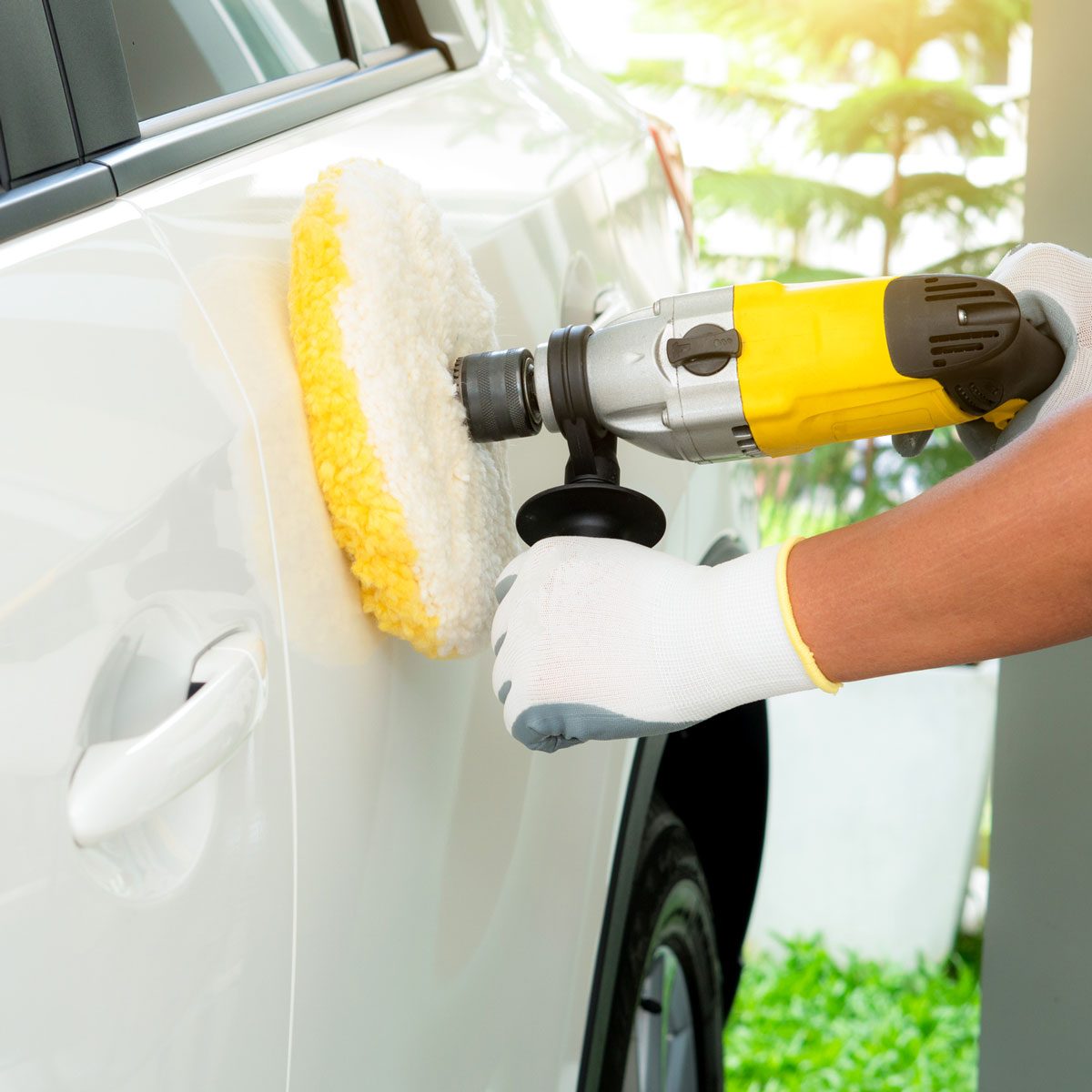
A polishing machine isn’t mandatory, but it can save you hours and deliver professional-level results. These machines provide consistent pressure and speed, making it easier to remove minor scratches and enhance shine.
If you decide to use one, practice on a small section first to avoid burns or swirl marks. Have you considered how much effort you want to put in? Sometimes investing in a polishing machine can be a game-changer, especially for larger vehicles or frequent detailing.
Applying Wax Step-by-step
Applying wax to your car is a delicate process that can significantly enhance its shine and protect the paint. The key is to be patient and precise, ensuring every inch receives the right amount of attention. Here’s how you can apply wax step-by-step to achieve a flawless finish.
Applying Wax Evenly
Start with a clean, dry car to avoid trapping dirt under the wax. Use a soft applicator pad to spread a thin, even layer of wax across the surface. Avoid heavy layers; too much wax can lead to streaks and take longer to dry.
Try to apply wax in a circular motion to cover the surface thoroughly. You’ll notice that even pressure helps the wax bond better with the paint. Have you ever tried applying wax unevenly and ended up with patches? This simple tip avoids that frustration.
Working In Small Sections
Breaking down your car’s surface into manageable sections makes the process less overwhelming. Focus on one door or panel at a time, completing it before moving on. This approach ensures wax doesn’t dry prematurely and become difficult to buff off.
Keep track of your progress by visualizing the car as a grid. Concentrating on small areas also helps you spot missed spots immediately. If you rush, you might miss areas or apply too much wax in places.
Allowing Wax To Haze
After applying wax, wait for it to develop a hazy, matte finish. This usually takes around 5 to 10 minutes, depending on temperature and wax type. The haze indicates the wax has bonded to the paint and is ready for buffing.
Don’t rush to wipe off the wax too soon; it won’t provide proper protection. On the other hand, waiting too long can make removal tougher. Watch for that perfect haze — it’s your signal to grab a clean microfiber cloth and gently buff the surface to a radiant shine.
Buffing For A Glossy Finish
Wax polish your car for a glossy finish by applying a thin layer of wax. Buff gently with a soft cloth to reveal a shiny surface. This simple process enhances your car’s appearance and protects the paint.
Buffing for a Glossy Finish Achieving that coveted glossy finish on your car after a wax polish is all about the buffing process. This is where the magic happens, transforming your vehicle’s exterior into a mirror-like surface. Done right, buffing enhances the shine and protects the paint, providing a long-lasting, eye-catching result.
Choosing The Right Towel
Using the right towel is crucial for effective buffing. Opt for a high-quality microfiber towel. It’s gentle on the paint and excellent at capturing wax residue. Microfiber towels prevent scratches and are highly absorbent. They ensure a smooth, streak-free finish. Avoid cotton or polyester towels as they can leave lint behind and may not provide the same shine.
Buffing Techniques
A proper buffing technique is key to achieving that professional-grade shine. Use a circular motion when buffing. This helps distribute the wax evenly and enhances the glossy finish. Apply light to moderate pressure. Too much pressure can damage the paint or remove the wax. Keep your movements consistent to ensure an even shine across the entire surface.
Avoiding Streaks And Swirls
Streaks and swirls can ruin the glossy finish you’re aiming for. To avoid them, make sure your towel is clean and dry. Damp or dirty towels can smear the wax and create swirls. Buff in shaded areas or during cooler parts of the day. Direct sunlight can cause the wax to dry too quickly, leading to streaks. Regularly check your towel for wax buildup and switch to a fresh one if needed. Buffing your car to a glossy finish is a rewarding process. Have you ever wondered how a simple towel choice can make such a difference? Taking the time to buff properly ensures your car looks its absolute best, turning heads wherever you go.

Credit: www.youtube.com
Maintaining The Shine
Maintaining the shine of your wax-polished car keeps it looking fresh and new. Regular care helps protect the paint and extends the wax’s effect. Simple habits can keep the surface smooth and glossy for longer. Consistent attention prevents dullness and fading caused by dirt and weather.
Regular Washing Tips
Wash your car gently to avoid scratching the wax layer. Use a soft sponge or microfiber cloth. Choose a mild car shampoo made for waxed surfaces. Rinse thoroughly to remove all soap residue. Avoid automatic car washes with harsh brushes. Dry the car with a clean microfiber towel to prevent water spots.
Reapplying Wax
Reapply wax every few months to maintain the shine. Clean the car fully before waxing again. Apply wax in small, circular motions with a foam applicator. Let the wax dry to a haze, then buff it with a soft cloth. Use thin layers for an even finish. Regular waxing protects paint and keeps water beading.
Protecting From Environmental Damage
Park in shaded or covered areas to reduce sun damage. Avoid parking under trees where sap and bird droppings fall. Wash off contaminants quickly to prevent paint harm. Use a car cover during long periods outside. Clean off salt and grime after winter drives. These steps keep the wax layer strong and the paint safe.
Common Mistakes To Avoid
Wax polishing a car looks easy but many make simple mistakes. These errors can reduce shine and protection. Avoiding them saves time and effort. Understanding common mistakes helps you get a smooth, glossy finish every time.
Applying Wax In Direct Sunlight
Wax hardens too fast under direct sunlight. This makes it tough to spread evenly. It can leave streaks and spots. Always wax in shade or a cool place. This helps the wax stay soft longer. You get a smoother coat and better shine.
Using Too Much Wax
More wax does not mean better results. Thick layers take longer to dry. They also become hard to buff off. Excess wax can cause a cloudy finish. Use a thin, even layer instead. It spreads easier and polishes faster.
Neglecting Surface Preparation
Wax sticks best to a clean surface. Dirt, dust, or old wax block adhesion. Skipping washing or drying reduces shine. Always wash your car thoroughly first. Dry it well before applying wax. This step ensures a smooth, lasting polish.
Credit: www.familyhandyman.com
Frequently Asked Questions
How Often Should I Wax Polish My Car?
Wax polish your car every 3 to 4 months. Regular waxing protects the paint and maintains shine. It also repels dirt and water effectively. Avoid waxing too frequently as it can cause buildup and dullness.
What Are The Best Tools For Waxing A Car?
Use a foam applicator pad and microfiber towels. A dual-action polisher can speed up the process. Clean tools ensure even application and prevent scratches. Always use clean, soft cloths to buff the wax.
Can I Wax Polish My Car In Direct Sunlight?
Avoid waxing your car in direct sunlight. Heat can cause wax to dry too quickly and become hard to remove. Choose a shaded, cool area to ensure smooth application and better results.
Should I Wash My Car Before Waxing Polish?
Yes, always wash your car before waxing. Dirt and grime can cause scratches during waxing. Use a gentle car shampoo and dry thoroughly. Clean surfaces help wax adhere better and last longer.
Conclusion
Waxing and polishing your car keeps it looking fresh and shiny. It protects the paint from dirt and sun damage. Take your time and follow the steps carefully for the best results. Regular care helps your car stay beautiful longer.
Enjoy the smooth, glossy finish every time you drive. Simple effort brings great rewards. Keep your car looking new with wax and polish.