

You want your car to look its best, right? A shiny, well-waxed car not only turns heads but also protects your paint from damage.
But here’s the question: how much does a car wax cost? You might be surprised by the range of prices and options available. Whether you’re thinking about doing it yourself or hiring a professional, understanding the costs can save you time and money.
Keep reading, and you’ll discover everything you need to know to make the best choice for your car and your budget.

Credit: carwashwiz.com
Factors Affecting Car Wax Prices
Several factors affect the price of car wax services. Understanding these can help you choose the right option for your budget and needs. Prices vary depending on the type of wax, how it is applied, the size and condition of your car, and where you get the service.
Type Of Wax
Different wax types cost different amounts. Synthetic wax usually lasts longer but costs more. Natural wax, like carnauba, offers a deep shine but may need frequent application. Some waxes come in liquid, paste, or spray forms, affecting their price and durability.
Application Method
How the wax is applied changes the price. Hand waxing takes more time and effort, so it often costs more. Machine waxing is faster and usually cheaper. Some services offer both, with prices varying based on the quality of work and tools used.
Car Size And Condition
Larger cars need more wax and take longer to finish. This increases the cost. Cars with damaged or dirty paint require extra preparation, adding to the price. Well-maintained cars often cost less to wax since less work is needed.
Location And Service Provider
Prices differ by location and service provider. Urban areas tend to have higher prices due to demand and costs. Professional detail shops usually charge more than quick-service centers. Reputation and experience of the provider also influence the cost.
Common Types Of Car Wax
Choosing the right car wax can feel overwhelming with so many options available. Understanding the common types of car wax helps you make a smart decision that fits your budget and your car’s needs. Each type offers different benefits, durability, and price points.
Natural Carnauba Wax
Carnauba wax comes from the leaves of the Brazilian palm tree. It’s loved for its deep, warm shine that many car enthusiasts prefer. However, it tends to wear off faster, usually lasting a few weeks, so you might need to apply it more often.
Have you noticed how car shows often feature cars with that rich, glossy finish? That’s usually carnauba wax at work. It’s great if you want a natural product and don’t mind reapplying frequently.
Synthetic Wax
Synthetic wax is made from polymers designed to protect your car longer. It creates a durable layer that can last months instead of weeks. This type is perfect if you want low maintenance and longer-lasting protection.
One time, I applied synthetic wax before a long road trip and didn’t have to worry about re-waxing for months. It’s a good choice if you want to save time and still keep your car looking good.
Hybrid Wax
Hybrid wax combines natural carnauba and synthetic ingredients. It aims to offer the best of both worlds: the shine of carnauba and the durability of synthetic wax. This option often balances cost and performance, making it popular among regular car washers.
If you want a glossy finish but also want to reduce how often you apply wax, hybrid wax might be the right pick. Have you tried a product that promised both shine and durability? Hybrid wax usually delivers on that.
Liquid Vs. Paste Wax
Liquid waxes are easy to apply and spread quickly. They dry faster, which is great if you’re short on time. However, they may not last as long as paste wax.
Paste wax takes more effort to apply but often provides a thicker, longer-lasting protective layer. It’s ideal if you want to spend a bit more time waxing for better results.
Think about your schedule and patience level—do you want a quick application or a more thorough, long-lasting wax? That choice can affect both the cost and outcome of your waxing session.
Diy Car Wax Cost Breakdown
Doing car waxing yourself saves money but requires some planning. Understanding the costs involved helps manage your budget. Below is a clear breakdown of what you need to spend on DIY car waxing.
Wax Product Prices
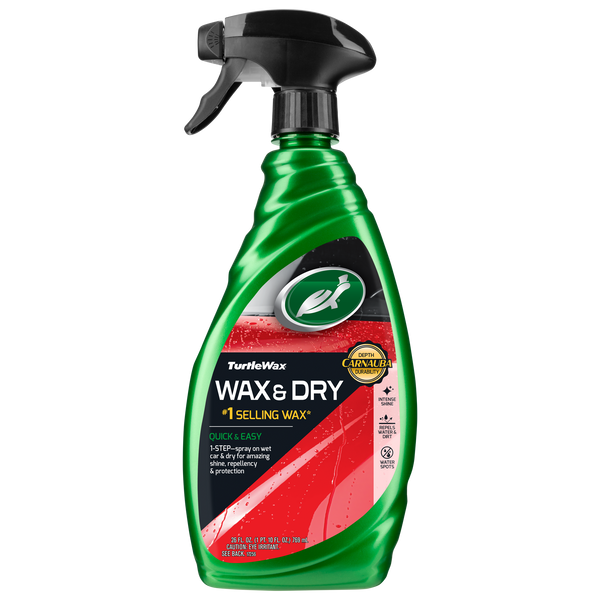
Car wax prices vary by type and brand. You can find products from $10 to $40 per container. Paste wax tends to be cheaper but needs more effort. Liquid and spray waxes cost more but are easier to apply. A single container usually covers several wax jobs.
Tools And Supplies Needed
Besides wax, you need some basic tools. These include:
- Applicator pads or sponges – around $3 to $10
- Microfiber towels for buffing – about $5 to $15
- Optional: a dual-action polisher – $50 to $150
Many people use simple hand tools to keep costs low. Investing in quality towels improves the finish and protects the paint.
Time Investment
Waxing a car takes 1 to 3 hours, depending on size and method. Hand waxing is slower but requires no special skills. Using a polisher speeds up the process. Regular waxing every few months keeps the paint shiny and protected.
Professional Car Wax Pricing
Professional car wax pricing varies widely depending on the services included and the quality of products used. Understanding what you get at each price point helps you decide what fits your budget and your car’s needs. Let’s break down the typical costs and offerings so you know what to expect when paying for a professional wax.
Basic Wax Packages
Basic wax packages usually start around $30 to $60. These include a simple hand or machine-applied wax that protects your car’s paint and gives it a glossy finish.
The process often takes about 30 minutes to an hour. It’s a quick refresh that suits cars with relatively clean and well-maintained paint.
Think of it as a regular tune-up for your vehicle’s look—effective but straightforward.
Premium Wax Services
Premium waxing services can range from $100 to $250 or more. These often include multi-step paint correction, clay bar treatment, and high-quality sealants or ceramic coatings.
I once paid for a premium wax on my older car and noticed the difference immediately—deep shine and longer-lasting protection, even after weeks of rain.
Is it worth the extra cost? If you want your car to stand out or protect its value, premium services deliver noticeable results.
Additional Services And Add-ons
Many shops offer extras like engine bay cleaning, interior detailing, or headlight restoration. These add-ons usually cost between $20 and $100depending on the service.
You can customize your waxing appointment based on your car’s condition and your priorities.
Consider whether these add-ons save you time or enhance your vehicle’s overall appearance before deciding.
Comparing Value: Diy Vs. Professional Waxing
Car waxing can protect and enhance your vehicle’s appearance. People often choose between DIY waxing and professional services. Each option offers unique benefits and costs. Let’s compare the value of DIY vs. professional waxing.
Cost Efficiency
DIY waxing often costs less upfront. You buy the wax and tools. This saves money if you wax your car regularly. Professional waxing usually costs more per session. But it includes expert service and high-quality products.
Quality And Longevity
DIY waxing depends on your skills. The results may vary. Professional waxing offers consistent quality. Experts use advanced techniques and products. This can lead to longer-lasting shine and protection for your car.
Convenience And Expertise
DIY waxing requires time and effort. You need to prepare, apply, and buff the wax. Professional services save you time. They provide expertise and precision. This is ideal if you prefer convenience and expert results.
Tips To Save On Car Waxing
Saving money on car waxing doesn’t mean you have to sacrifice quality. With a few smart moves, you can protect your car’s paint while keeping costs low. Let’s look at some practical tips that can help you spend less and still get a great shine.
Seasonal Discounts
Many car care shops offer discounts during off-peak seasons. Winter and early spring often have lower demand, which means better deals for you. Keep an eye out for holiday sales or special promotions around these times.
Have you checked your local auto shops’ websites or social media lately? They often post flash sales or coupons that can save you a good chunk of cash.
Bundled Services
Combining car waxing with other services like washing or detailing can reduce the overall cost. Many places offer package deals that make it cheaper than paying for each service separately.
If you usually pay for waxing alone, try asking about combo offers. You might discover a bundled service that fits your needs and budget perfectly.
Choosing The Right Wax For Your Needs
Not all waxes are created equal, and the price often reflects the quality and durability. Choosing a wax that suits your car’s finish and your local climate can save you money in the long run.
For example, synthetic waxes last longer but may cost more upfront. Natural carnauba wax is cheaper but needs more frequent application. Think about how often you want to wax and what kind of protection you need before buying.
When To Wax Your Car
Knowing when to wax your car is just as important as knowing how much it costs. Waxing protects your car’s paint, enhances its shine, and extends its life. But timing can be tricky if you don’t pay attention to your car’s condition and environment.
Recommended Frequency
Most experts suggest waxing your car every three months. This keeps your car’s surface well-protected without wasting product or effort. However, if you use a high-quality wax or synthetic sealant, you might stretch this to four or six months.
Think about your car’s daily use. If you drive a lot or park outside, you may need to wax more often. On the other hand, if your car lives in a garage and sees little sun, you can wait longer between waxings.
Weather And Environmental Factors
Harsh weather conditions speed up paint wear and reduce wax life. If you live in an area with intense sun, heavy rain, or snow, your car’s wax layer can break down faster.
- Salt from winter roads can eat away at your paint and wax.
- Bird droppings and tree sap are acidic and damaging.
- Dust and dirt act like tiny abrasives on your paint.
After a rough season, check your car’s surface and consider waxing even if it’s not time yet. Protecting your car during extreme weather can save you money on repairs later.
Signs Your Car Needs Waxing
How can you tell if your car is begging for wax? Look closely at the paint’s appearance. If it looks dull, faded, or feels rough, it’s time to wax.
Water behavior is a simple test: water should bead up on a well-waxed surface. If water forms sheets or streaks instead, your wax layer has worn off.
Another sign is if dirt sticks stubbornly to your car. Wax creates a slick surface that repels grime, so sticky dirt means the protective layer is gone.
Ask yourself: When was the last time you waxed your car? If you can’t remember, your car probably needs it now.
Credit: www.turtlewax.com

Credit: www.turtlewax.com
Frequently Asked Questions
How Much Does Professional Car Wax Cost?
Professional car wax typically costs between $50 and $150, depending on the service and location. High-end waxes or detailing packages can increase the price.
Is Diy Car Waxing Cheaper Than Professional Service?
Yes, DIY car waxing kits cost $10 to $30, saving money but requiring effort. Professional waxing offers better finish and convenience.
How Often Should You Wax Your Car?
Wax your car every 3 to 4 months to protect paint and maintain shine. Frequency depends on weather and driving conditions.
What Factors Affect Car Wax Pricing?
Car size, wax type, service location, and detailer expertise influence car wax costs. Additional services like polishing also increase the price.
Conclusion
Car wax prices vary based on type and service. DIY wax kits cost less but need effort. Professional waxing is pricier but saves time. Regular waxing protects paint and keeps your car shiny. Choose the option that fits your budget and needs.
A little care goes a long way in car maintenance. Stay informed and make the best decision for your vehicle.