

How Many Gears in a Manual Car. Have you ever wondered how many gears your manual car actually has? Understanding this can change the way you drive and maintain your vehicle.
Knowing the number of gears helps you shift smoothly, save fuel, and get the best performance. You’ll discover the basics of manual car gears, why they matter, and how they affect your driving experience. Stick with me, and by the end, you’ll feel more confident behind the wheel and in control of your manual transmission.
Ready to unlock the secrets of your car’s gears? Let’s dive in!
Manual Transmission Basics
Understanding the basics of a manual transmission is key to grasping how many gears a manual car typically has. The manual transmission lets you control the power and speed by shifting gears yourself. This control can make driving more engaging and efficient once you get the hang of it.
How Manual Gears Work
Manual gears connect the engine to the wheels through a set of gears that you select manually. When you press the clutch pedal, you disconnect the engine from the wheels, allowing you to change gears smoothly. Each gear corresponds to a different speed and power level, letting you match the engine’s performance to driving conditions.
Think about when you start driving from a stop—you use the first gear to get moving because it provides the most power. As you gain speed, you shift up to higher gears that let the car run more efficiently. Have you noticed how the engine sounds change as you shift? That’s the gear ratio adjusting to give you the right balance of power and speed.
Common Gear Configurations
Most manual cars have between 5 and 6 forward gears, plus one reverse gear. The traditional setup is a 5-speed gearbox, which covers most driving needs, from city streets to highways.
- 5-Speed Manual:Common in many compact and older cars, it balances simplicity and performance.
- 6-Speed Manual:Often found in sports cars and newer models, it offers better fuel efficiency and smoother acceleration at high speeds.
Some heavy-duty or performance vehicles might have more gears, but for everyday driving, 5 or 6 is typical. What kind of driving do you do? Your gear setup might influence your car’s fuel economy and how fun it is to drive.

Credit: gartzlube.com
Number Of Gears Explained
The number of gears in a manual car affects how smoothly it drives. Gears help control the car’s speed and power. Knowing the number of gears helps understand the car’s performance and fuel efficiency.
Manual cars use different gear counts depending on their design. The gear count impacts how the driver shifts and manages the engine power. Let’s explore typical gear counts and variations across car models.
Typical Gear Counts In Cars
Most manual cars have between 4 and 6 gears. These include:
- 4-speed manuals – common in older or basic models
- 5-speed manuals – standard in many everyday cars
- 6-speed manuals – found in sportier or newer cars
Each gear allows the car to run efficiently at different speeds. Lower gears provide more power for starting and climbing. Higher gears help save fuel during cruising.
Variations Across Models
Manual gear counts differ by car type and brand. Some trucks and sports cars may have more than 6 gears. Compact cars often stick to 5 gears for simplicity.
Performance vehicles sometimes use 7-speed manuals for better control. Economy cars prioritize fewer gears to reduce cost and complexity.
The choice of gear count depends on the car’s purpose and engine design. Manufacturers balance power, fuel economy, and driving feel when selecting gears.
Gear Ratios And Their Role
Gear ratios play a key role in how a manual car drives. They determine how power moves from the engine to the wheels. Each gear has a different ratio, which changes the car’s speed and strength. Understanding gear ratios helps explain why cars shift through gears and how this affects driving.
What Gear Ratios Mean
Gear ratios show how many times the engine turns compared to the wheels. A high gear ratio means the engine turns many times for one wheel turn. A low gear ratio means fewer engine turns per wheel turn. Lower gears have higher ratios for more power but less speed. Higher gears have lower ratios for more speed but less power.
Impact On Performance And Fuel Efficiency
Lower gear ratios help cars start moving and climb hills. They give strong engine power but use more fuel. Higher gear ratios help cars drive faster on highways. They use fuel more efficiently but provide less power. Good gear ratios balance power and fuel use. This balance affects how smooth and economical a car feels on the road.

Credit: drivingschoolnearmelbourne.com.au
First To Fifth Gear Functions
Understanding the functions of the first to fifth gears in a manual car is key to driving smoothly and efficiently. Each gear has a specific role that helps you control the car’s speed and power. Knowing when and how to use these gears can make your driving experience safer and more enjoyable.
Purpose Of Lower Gears
The first and second gears provide the most power but the least speed. They help you start moving from a complete stop and handle steep inclines without stalling.
Think about driving up a hill with a heavy load—you’ll rely on these gears to keep your car moving steadily without straining the engine. Lower gears give you better control and torque at low speeds.
Have you noticed how your car feels more responsive when you first press the accelerator? That’s the lower gears doing their job to get you moving efficiently.
Transitioning Through Gears
Moving from first to fifth gear is like shifting your car’s effort from power to speed. As your speed increases, you gradually shift to higher gears to maintain smooth acceleration and fuel efficiency.
Skipping gears or shifting too early can cause jerky movements or engine strain, so it’s important to listen to your engine’s sound and feel. When the engine sounds like it’s working too hard or the car feels sluggish, it’s time to upshift.
Have you ever felt the thrill of smoothly moving through gears as your car picks up speed? Mastering this transition can turn driving into a more connected and controlled experience.
Sixth Gear And Overdrive
Manual cars often have five or six gears, with the sixth gear typically serving as an overdrive. This allows for better fuel efficiency at higher speeds.
Navigating the gears of a manual car can feel like a dance of rhythm and precision. Adding a sixth gear and overdrive might seem like just another step, but these components can transform your driving experience. They offer benefits that extend beyond just cruising at high speeds, adding efficiency and comfort to your journey.
Benefits Of Additional Gears
Adding a sixth gear to your manual transmission can enhance fuel efficiency. With an additional gear, your engine can operate at lower RPMs while maintaining speed, which means less fuel consumption. Moreover, the extra gear can reduce engine wear and tear, extending its lifespan. This is especially useful on long highway drives where maintaining a steady speed is crucial. Besides, who doesn’t appreciate a quieter ride? Lower RPMs often mean less noise, making your drive more enjoyable.
When Overdrive Engages
Overdrive is essentially a gear that allows your car to maintain speed without working as hard. It’s like giving your car a chance to take a breather during long, open-road drives. Typically, overdrive engages automatically when you hit a certain speed, usually above 50 mph. This feature not only helps save fuel but also reduces engine strain, which could save you from costly repairs down the road. Ever noticed how your car feels smoother and quieter when cruising on the highway? That’s often the magic of overdrive at work. So next time you’re driving, consider how the sixth gear and overdrive are quietly contributing to your car’s performance. Do you feel the difference in fuel efficiency and comfort?
Choosing The Right Gear
Choosing the right gear in a manual car is key to smooth driving. It helps control speed, engine power, and fuel use. Using the correct gear keeps the engine running well and protects the car’s parts. Learning when to shift gears makes driving safer and easier.
Driving In Different Conditions
Different roads and weather need different gears. Low gears work best on hills and rough roads. They give more power and control. High gears fit flat roads and highways. They save fuel and reduce engine noise. Slippery roads need gentle use of lower gears to avoid wheel spin. Always adjust gears to match the road and weather.
Shifting Techniques For Efficiency
Shift smoothly to save fuel and avoid wear. Press the clutch fully before changing gears. Release it slowly while pressing the gas pedal. Avoid sudden moves or riding the clutch. Listen to the engine sound; it guides the right time to shift. Shifting too early or late can waste fuel and strain the engine.
Future Trends In Manual Gearing
The future of manual gears is evolving with technology. Car makers seek smoother, easier shifting systems. They aim to keep the fun of driving while improving efficiency. Manuals may not disappear but will change to meet new demands. The focus is on innovation and driver experience.
Innovations In Gearbox Design
New gearbox designs promise lighter and more compact systems. Engineers develop gearboxes with better materials to reduce wear. Some designs use electronic aids to help with clutch control. These changes make manuals easier to use for beginners. They also improve fuel economy and reduce emissions.
- Use of advanced materials for durability
- Integration of electronic assist systems
- Improved gear ratios for smoother shifts
- Focus on reducing driver effort
Manual Vs Automatic Evolution
Automatic transmissions have gained popularity due to ease of use. Manuals still offer control and a connected driving feel. New automatics are faster and more efficient than before. Manuals may adopt some automatic features to stay relevant. This blend could attract both driving enthusiasts and casual drivers.
| Aspect | Manual Transmission | Automatic Transmission |
|---|---|---|
| Driver Control | High | Moderate |
| Fuel Efficiency | Good | Improving |
| Ease of Use | Challenging | Easy |
| Maintenance | Lower Cost | Higher Cost |
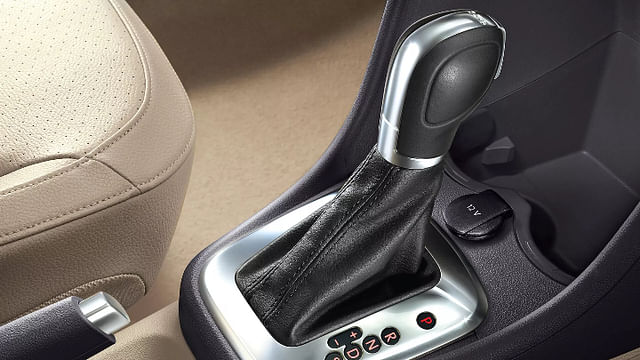
Credit: www.91wheels.com
Frequently Asked Questions
How Many Gears Do Most Manual Cars Have?
Most manual cars typically have 5 or 6 gears. Some older or basic models have 4 gears. Higher-performance cars may have 7 or more gears for better control and efficiency.
Why Do Manual Cars Need Multiple Gears?
Multiple gears help match engine power to speed. This improves fuel efficiency and vehicle control. Gears allow smooth acceleration and adapt to different driving conditions.
Can Manual Cars Have More Than 6 Gears?
Yes, some modern manual cars come with 7 or even 8 gears. More gears improve fuel economy and performance. However, 5 or 6 gears remain the most common.
What Is The Purpose Of Reverse Gear In Manuals?
The reverse gear lets you drive the car backward. It is essential for parking, maneuvering in tight spaces, and correcting direction. Reverse gear works differently than forward gears.
Conclusion
Most manual cars have between five and six gears. Some older or smaller cars may have four gears. Sports cars or trucks might offer seven or more gears. Each gear helps control speed and power while driving. Knowing the number of gears helps you understand how the car works.
Choosing the right gear makes driving smoother and safer. Gears play a key role in fuel efficiency too. Keep practicing to get comfortable with shifting gears. Manual cars give drivers more control on the road. Simple and steady shifts make every trip better.