

How Long Does Gear Oil Last in a Car? Have you ever wondered how long gear oil lasts in your car? Knowing this can save you from costly repairs and keep your vehicle running smoothly.
If you don’t change your gear oil at the right time, it can wear down and cause serious damage. But how do you know when it’s time for a change? You’ll discover everything you need to know about gear oil lifespan, signs it needs replacing, and simple tips to protect your car’s gears.
Keep reading to make sure your car stays in top shape for miles to come.
Gear Oil Basics
Understanding the basics of gear oil is key to maintaining your car’s performance and avoiding costly repairs. Gear oil plays a critical role in the smooth operation of your vehicle’s transmission and differential. Knowing what it does and the types available helps you make better decisions about when to change it and which product to choose.
Purpose Of Gear Oil
Gear oil lubricates the gears inside your car’s transmission and differential. It reduces friction and prevents wear and tear on metal parts.
Without proper lubrication, gears can grind and overheat, leading to mechanical failure. Gear oil also helps protect against rust and corrosion, extending the life of your vehicle’s drivetrain.
Have you ever noticed a whining noise from your transmission? That might be a sign your gear oil is old or low, showing how crucial it is for smooth gear operation.
Types Of Gear Oil
There are several types of gear oils, each designed for specific conditions and vehicle requirements.
- Mineral-based gear oil:This is the traditional type made from refined crude oil. It works well under normal driving conditions but may need more frequent changes.
- Synthetic gear oil:Made from chemically engineered base oils, this type offers better protection at extreme temperatures and under heavy loads. It lasts longer but can be more expensive.
- Limited Slip gear oil:Contains additives to help limited-slip differentials work properly by reducing chatter and noise.
Choosing the right type depends on your vehicle’s specifications and driving habits. Have you checked your owner’s manual to see what gear oil your car needs?

Credit: www.youtube.com
Factors Affecting Gear Oil Life
Several factors influence how long gear oil lasts in a car. Understanding these factors helps in maintaining the vehicle’s performance and avoiding damage. Gear oil life varies based on usage and conditions. Paying attention to these details can extend the oil’s effectiveness.
Driving Conditions
Harsh driving conditions shorten gear oil life. Frequent stop-and-go traffic causes more heat and stress. Off-road driving exposes the oil to dirt and moisture. Towing heavy loads increases the load on gears. All these lead to faster oil degradation.
Vehicle Type
Different vehicles use different gear oil types. Manual transmissions and differentials require specific oils. Older vehicles may need oil changes more often. High-performance cars often need higher-quality oils. Knowing your vehicle’s requirements helps in choosing the right oil.
Oil Quality
High-quality gear oil lasts longer and protects better. Synthetic oils resist breakdown under heat and pressure. Lower-quality oils may degrade quickly and lose effectiveness. Using the correct oil grade ensures proper lubrication. Regular checks help spot oil issues early.
Typical Gear Oil Lifespan
Knowing how long your gear oil lasts helps you avoid costly repairs and keeps your car running smoothly. Gear oil doesn’t have a one-size-fits-all lifespan. It varies depending on the type of gear system and the oil used. Let’s break down the typical lifespan for different types of gear oil to help you plan your maintenance better.
Manual Transmission Gear Oil
Manual transmission gear oil generally lasts between 30,000 to 60,000 miles. However, this depends on your driving habits and the conditions your car faces. If you often drive in stop-and-go traffic or tow heavy loads, the oil may degrade faster.
Checking your owner’s manual is crucial because some newer transmissions use special oils that last longer. You might be surprised to learn some manual gear oils require changing as often as engine oil, especially in performance cars.
Differential Gear Oil
Differential gear oil typically has a longer lifespan, often between 50,000 and 100,000 miles. This is because the differential usually operates under more stable conditions compared to the transmission. But, if you drive off-road or in harsh weather, the oil breaks down sooner.
Have you noticed any whining noises or rough shifts? These can be signs that your differential oil needs changing even if you haven’t hit the mileage limit.
Synthetic Vs Conventional Oil
Synthetic gear oil tends to last longer and perform better under extreme temperatures and heavy loads. It can stretch the change intervals by 20% to 30% compared to conventional oils. That means fewer oil changes and less hassle for you.
On the other hand, conventional gear oil is cheaper but may require more frequent changes to protect your gears. Are you willing to invest a bit more upfront to save time and avoid potential damage later?
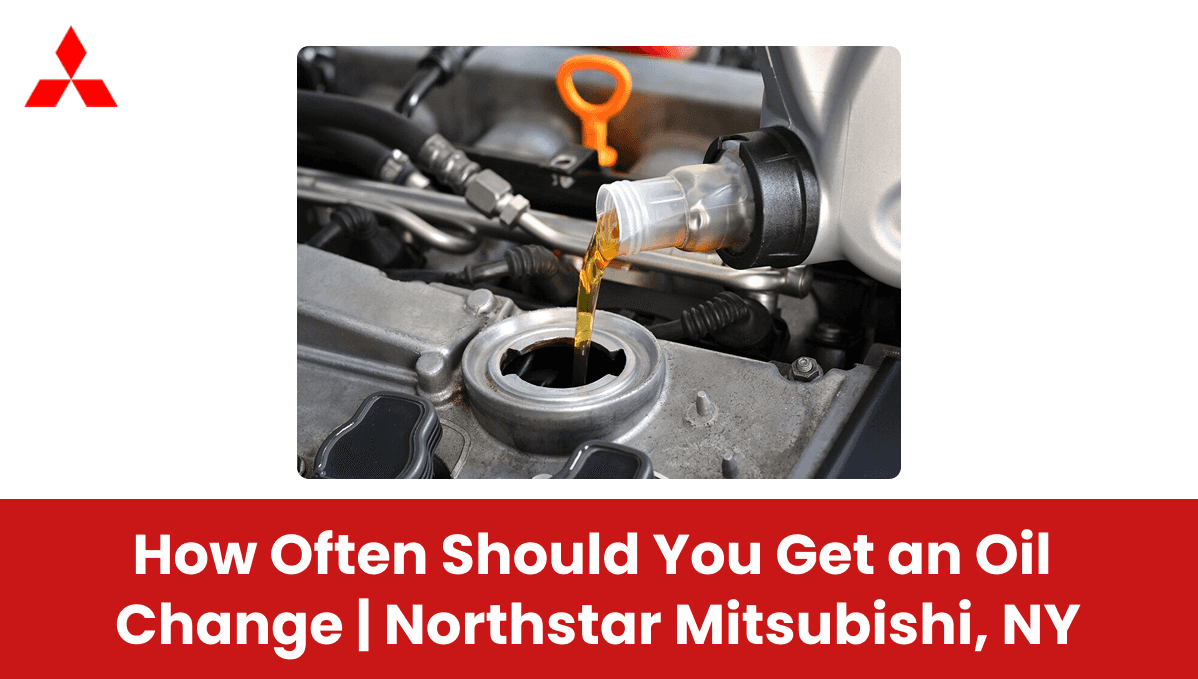
Credit: www.northstarmitsubishi.com
Signs Gear Oil Needs Changing
Gear oil plays a vital role in protecting your car’s transmission and differential. Over time, this oil wears out and loses its ability to lubricate properly. Recognizing the signs that gear oil needs changing helps prevent costly repairs. Watch for specific symptoms that indicate it’s time for fresh gear oil.
Noise And Grinding
Unusual noises from the transmission or differential often signal worn gear oil. You might hear grinding, whining, or clunking sounds while driving. These noises appear because old oil fails to reduce friction between gears. Early detection can save your car from serious damage.
Leaking Oil
Gear oil leaks show as dark, oily spots beneath your car. Check around the transmission and differential for wet areas. Leaks lead to low oil levels, causing poor lubrication. Regularly inspect your vehicle to catch leaks before they worsen.
Performance Issues
Sluggish gear shifts or difficulty changing gears can indicate bad gear oil. You may notice hesitation or jerking during acceleration. Poor performance often results from thickened or contaminated oil. Timely oil changes restore smooth operation and protect parts.
How To Check Gear Oil Condition
Check gear oil by looking at its color and smell. Dark or burnt oil means it’s time to change. Typically, gear oil lasts 30,000 to 60,000 miles, but use depends on driving conditions.
Checking the condition of your car’s gear oil is essential to ensure smooth driving and prolong the life of your vehicle. Many drivers overlook this critical maintenance task, but understanding how to assess your gear oil can save you time and money in the long run. If you’re unsure where to begin, here’s a straightforward guide to help you evaluate your gear oil’s condition effectively.
Visual Inspection
Start by looking at the gear oil’s color. Fresh gear oil is typically a clear or light amber color. If your oil appears dark or has visible particles floating in it, it may be time for a change. Check for any signs of contamination or debris. If you spot metal shavings or sludge, this could indicate potential damage or excessive wear. Remember, a simple visual check can tell you a lot about the state of your gear oil. Take a moment to inspect it regularly.
Smell And Texture
Take a whiff of the gear oil. Fresh oil should have a mild petroleum smell. If it smells burnt or acrid, this is a red flag indicating possible overheating or degradation. Feel the oil between your fingers. It should be smooth and slippery. Gritty or sticky textures can suggest contamination or breakdown. Don’t underestimate the power of your senses. A quick smell and touch can reveal more than you’d expect about your gear oil’s health.
Professional Testing
If in doubt, seek professional testing. Mechanics use specialized tools to analyze gear oil viscosity and chemical composition. This option provides detailed insights into your oil’s condition and the overall health of your transmission system. Sometimes, a professional’s expertise can offer peace of mind and prevent costly repairs down the road.

Credit: gandharoil.com
Gear Oil Change Intervals
Knowing the right time to change gear oil helps keep your car’s transmission smooth. Gear oil change intervals depend on several factors. These include the car make, oil type, and driving conditions. Following correct intervals prevents wear and costly repairs.
Manufacturer Recommendations
Car makers provide specific gear oil change guidelines. These appear in the owner’s manual. They often suggest changing oil every 30,000 to 60,000 miles. Following these helps maintain warranty and performance. Ignoring them may cause damage and void warranty.
Extended Intervals For Synthetic Oil
Synthetic gear oils last longer than conventional types. They resist heat and breakdown better. This allows longer periods between changes. Some synthetic oils can last 80,000 miles or more. Still, always check the product label and car manual for advice.
Adjusting Intervals Based On Use
Driving habits affect gear oil life. Frequent towing, off-roading, or heavy loads shorten oil life. Extreme temperatures also impact oil condition. In these cases, change gear oil more often. Regular checks can spot early oil problems. Adjust intervals to keep transmission safe.
Consequences Of Neglecting Gear Oil
Neglecting your gear oil can lead to serious problems for your car’s transmission system. Gear oil plays a crucial role in keeping the gears lubricated and running smoothly. Ignoring its maintenance can cause damage that might not only affect your car’s performance but also hit your wallet hard.
Increased Wear And Tear
Without fresh gear oil, friction between the moving parts inside your transmission increases. This leads to faster wear and tear of gears and bearings. You might notice grinding noises or difficulty shifting gears, which signals that the components are struggling without proper lubrication.
Potential Gear Damage
Old or insufficient gear oil fails to protect your gears from overheating and corrosion. Over time, this can cause pitting, scoring, or even cracking of the gear teeth. Have you ever driven a car that suddenly lost power or made strange clunking sounds? These could be signs of severe gear damage caused by neglected gear oil.
Costly Repairs
Ignoring gear oil maintenance often leads to expensive fixes like replacing the entire transmission or repairing damaged gears. These repairs can cost hundreds or even thousands of dollars. Regularly changing your gear oil is a simple step that can save you from these costly headaches down the road.
Tips For Maintaining Gear Oil
Gear oil usually lasts between 30,000 to 60,000 miles, depending on driving conditions. Regular checks and timely changes help keep your car’s gear system running smoothly. Clean oil prevents wear and extends the life of your vehicle’s gears.
Keeping your car’s gear oil in top condition is crucial for maintaining smooth vehicle performance and extending the life of your transmission. While it might seem like a set-it-and-forget-it component, gear oil deserves regular attention to ensure your car runs efficiently. Let’s dive into some practical tips to help you maintain your gear oil effectively.
Regular Inspections
Conducting regular inspections of your gear oil can prevent potential issues before they become costly repairs. Check the oil level and look for any signs of contamination or unusual color changes. If you’re unsure how to do this, consult your vehicle’s manual or ask a professional for guidance.
Using The Right Oil Grade
Choosing the correct oil grade is essential for optimal performance. Each car model has specific oil requirements, which you can find in the owner’s manual or by consulting a trusted mechanic. Using the wrong grade can lead to inefficient lubrication and increased wear and tear on your transmission.
Professional Maintenance
Even if you’re diligent with your inspections and oil changes, professional maintenance is invaluable. A mechanic can provide a thorough check-up, ensuring everything is in order and addressing any issues you may not have noticed. They can also recommend the best oil grade and schedule based on your driving habits and vehicle type. Maintaining gear oil might not be glamorous, but it’s a small task that can make a big difference. Are you giving your gear oil the attention it needs?
Frequently Asked Questions
How Often Should Gear Oil Be Changed?
Gear oil should be changed every 30,000 to 60,000 miles. This depends on vehicle type and driving conditions. Always check your owner’s manual for specific recommendations. Regular changes ensure optimal performance and prevent gear wear.
What Factors Affect Gear Oil Lifespan?
Gear oil lifespan depends on driving habits, load, and oil quality. Severe conditions like towing or off-roading shorten its life. High-quality synthetic oils last longer. Monitoring oil condition helps maintain transmission health and avoid costly repairs.
Can Old Gear Oil Damage My Car?
Yes, old gear oil loses lubrication properties and can cause gear wear. Contaminants build up, leading to overheating and gear failure. Timely oil changes protect your car’s transmission and ensure smooth operation.
How Do I Know If Gear Oil Needs Changing?
Signs include whining noises, difficulty shifting gears, or oil contamination. Dark, thick, or burnt-smelling oil indicates degradation. Regular inspections help detect issues early and maintain transmission health.
Conclusion
Gear oil protects your car’s gears from wear and tear. It usually lasts between 30,000 to 60,000 miles. Driving habits and conditions can change this timing. Checking the gear oil regularly helps keep your car running smooth. Changing the oil on time avoids costly repairs later.
Remember, clean oil means better gear performance. Always follow your car maker’s advice for oil changes. Taking care of gear oil keeps your vehicle healthy and safe on the road. Don’t wait until problems appear—stay ahead with good maintenance.