
You care about your safety every time you get behind the wheel. But have you ever wondered how much it actually costs to keep your car safe?
Knowing the price of car safety features and measures can help you make smart decisions that protect you and your loved ones. You’ll discover the real costs involved and learn how to get the best value for your money. Keep reading to find out what you need to know before making your next move on car safety.
.jpg)
Credit: www.carsguide.com.au
Factors Influencing Car Safety Costs
Understanding what affects car safety costs can help you make smarter choices when buying or upgrading your vehicle. Various elements come into play, from the kind of safety features you want to the ongoing expenses that keep your car secure on the road. Knowing these factors makes it easier to balance safety with your budget.
Type Of Safety Features
The kind of safety features you choose has a big impact on the overall cost. Basic items like seat belts and airbags are standard and usually don’t add much to the price. But advanced features such as adaptive cruise control, lane departure warnings, and automatic emergency braking can significantly increase costs.
Think about what matters most to you. Would you prefer a car with blind-spot detection or one with a full suite of driver-assist technologies? Your choice will directly affect how much you pay for safety.
Vehicle Make And Model
Not all cars are created equal in terms of safety costs. Luxury brands often come with pricier safety systems and replacement parts. On the other hand, economy models might offer fewer advanced safety options but come at a lower upfront cost.
For example, replacing a sensor in a high-end German car can cost much more than in a more common make. This means your vehicle’s brand and model will influence both purchase and repair expenses.
Installation Expenses
Adding new safety features after buying a car can be costly. Some systems require professional installation, which involves labor charges that vary by location and complexity. Simple add-ons like dash cams are usually affordable, but integrated systems like parking sensors can be expensive to install.
Ask yourself if you want to pay extra to install features later or choose a car that already has them. This decision can save you money and hassle down the road.
Maintenance And Repairs
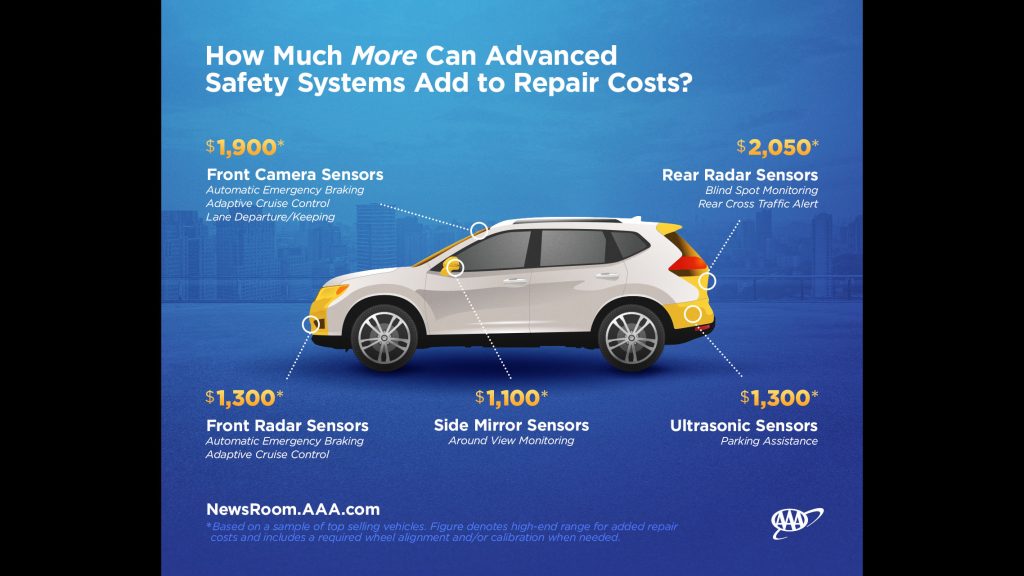
Safety features need regular upkeep to work properly, and this adds to your ongoing costs. Sensors, cameras, and airbags may need calibration or replacement after accidents or as they age. Ignoring maintenance can put your safety at risk and lead to higher repair bills.
Have you checked how much it costs to maintain the safety features in your car model? Being proactive can help you avoid unexpected expenses and keep your ride secure.

Credit: www.reliance-foundry.com
Common Car Safety Features And Their Prices
Understanding the cost of car safety features helps you make smarter choices when buying a vehicle or upgrading your current one. These features vary widely in price, depending on their complexity and the technology involved. Let’s break down some common car safety features and their typical costs, so you know what to expect and how to prioritize your spending.
Airbags And Seatbelts
Airbags and seatbelts are the foundation of car safety. Most cars come with multiple airbags, including front, side, and curtain airbags. Adding or replacing airbags can cost between $500 to $1,200, depending on the type and number.
Seatbelt upgrades, such as pretensioners or load limiters, usually add around $200 to $500. These features are often standard but can be pricey if retrofitted.
Anti-lock Braking System (abs)
ABS prevents your wheels from locking during hard braking, helping you maintain control. It is now standard in most vehicles, but installing ABS in older cars can cost $500 to $1,000.
Think about how much safer you feel when stopping suddenly. Is it worth the investment if your vehicle lacks this feature?
Electronic Stability Control (esc)
ESC helps prevent skidding and loss of control in slippery conditions. This feature can be found in newer cars, but adding it to older models is expensive, often ranging from $1,000 to $2,000.
Given the price, ESC is usually a feature you look for when buying a car rather than add later. Would you prioritize this over other upgrades?
Backup Cameras And Sensors
Backup cameras and parking sensors make reversing safer by providing visual and audio alerts. A basic backup camera system costs around $200 to $500to install, while advanced sensor systems can go up to $1,000.
Many states now require backup cameras in new cars. If you drive in crowded areas, how much easier would your daily parking be with these aids?
Advanced Driver Assistance Systems (adas)
ADAS includes features like lane departure warnings, adaptive cruise control, and automatic emergency braking. These systems significantly increase safety but come with higher price tags, often between $1,000 and $3,000or more as add-ons.
Investing in ADAS can reduce accidents and even lower insurance premiums. Would you spend more upfront to potentially save lives and money later?
Insurance Costs Related To Car Safety
Insurance costs are a big part of owning a car, and your vehicle’s safety features play a key role in determining those costs. Insurers often consider how safe your car is when calculating your premium. This means that investing in safety can sometimes save you money, but the details can vary depending on your coverage and insurer.
Impact Of Safety Features On Premiums
Cars equipped with advanced safety features like airbags, anti-lock brakes, and electronic stability control often lead to lower insurance premiums. These features reduce the risk of injury or serious damage during an accident, making you less costly to insure.
For example, I once switched to a car with a built-in collision avoidance system, and my insurance premium dropped noticeably. It’s worth asking your insurer which safety features they reward. Do you know what safety tech your current car has that might lower your costs?
Discounts For Safety Equipment
Many insurance companies offer discounts if your car has specific safety equipment installed. Common discounts apply to features such as:
- Anti-theft devices
- Backup cameras
- Lane departure warnings
- Automatic emergency braking
These discounts can add up, sometimes knocking off 5-15% from your premium. It pays to check with your insurer to see which discounts apply to your vehicle’s safety gear.
Choosing The Right Coverage
Choosing insurance coverage that matches your car’s safety profile can optimize your costs. For instance, if your car has top-tier crash protection, you might feel comfortable with lower collision coverage but keep comprehensive protection for other risks.
Think about your driving habits and risk tolerance too. Would paying a bit more upfront for better coverage bring you peace of mind? Or would you prefer to rely on your car’s safety features to reduce your premium and risk?
Diy Vs Professional Installation
Deciding between installing car safety features yourself or hiring a professional can significantly impact both your budget and the effectiveness of the installation. The choice affects not only the cost but also the reliability and safety of your vehicle. Let’s break down the pros and cons, when to call in the experts, and how the costs stack up.
Pros And Cons Of Diy
Taking on the installation yourself can save you money upfront. You avoid labor fees and get the satisfaction of completing the job on your own.
However, DIY installations come with risks. If you’re not experienced, you might install the safety system incorrectly, which could compromise your car’s protection. Time is another factor; installations can take longer if you’re unfamiliar with the process.
- Pros:Lower cost, hands-on experience, flexible timing
- Cons:Risk of mistakes, possible warranty issues, longer installation time
When To Hire Experts
If the safety feature involves complex wiring or integration with your car’s electronic system, a professional installer is worth considering. Experts ensure the installation meets safety standards and won’t void your vehicle’s warranty.
Think about your comfort level with tools and technology. If you hesitate or have doubts, hiring a pro can save you from costly errors. Also, professional installation often comes with a guarantee, giving you peace of mind.
Cost Comparison
| Installation Type | Average Cost | Time Required | Risk Level |
|---|---|---|---|
| DIY Installation | $0 – $100 (tools and materials) | 2 – 6 hours | Medium to High |
| Professional Installation | $150 – $500 | 1 – 2 hours | Low |
Looking at the numbers, DIY might seem cheaper but consider the hidden costs of potential mistakes. Professional help costs more but often saves time and reduces risks. What matters more to you: saving money or ensuring maximum safety and reliability?
Budgeting For Long-term Car Safety
Car safety costs vary depending on features and maintenance needs. Regular checks and quality parts help keep expenses manageable. Planning for these costs ensures safer driving over time.
Budgeting for long-term car safety is crucial for every vehicle owner. Ensuring your car remains safe involves regular checks and updates. This proactive approach not only protects you but also saves money in the long run. Let’s explore essential aspects of budgeting for car safety.Routine Safety Inspections
Regular safety inspections help identify issues early. By addressing problems sooner, you avoid costly repairs later. Schedule inspections every few months. Check brakes, tires, and lights. These are critical for your safety. A small fee for inspections can prevent major expenses.Upgrading Safety Features
Enhancing your car’s safety features improves protection. Consider installing advanced systems like lane departure warnings. Backup cameras and blind-spot monitors are also valuable. These upgrades may cost upfront. Yet, they provide peace of mind and increase vehicle value.Emergency Preparedness Tools
Keep emergency tools in your car. Essential items include a first-aid kit and flashlight. Jumper cables and a tire repair kit are also important. These tools prepare you for unexpected situations. Stocking your car with these items is a small investment. It ensures you are ready for emergencies.
Credit: www.consumerreports.org
Tips To Save On Car Safety Expenses
Keeping your car safe doesn’t have to drain your wallet. There are smart ways to cut down on car safety expenses without compromising on quality. By being proactive and informed, you can protect both your vehicle and your budget effectively.
Shop Around For Parts And Services
Don’t settle for the first price you see on safety parts or repairs. Prices can vary widely between dealers, local shops, and online retailers. Checking multiple sources can save you a significant amount.
Look beyond brand names—sometimes aftermarket parts meet safety standards and cost less. Comparing labor rates and asking for detailed quotes helps you avoid surprise expenses. Have you tried asking your mechanic if they offer discounts or package deals?
Utilize Manufacturer Warranties
Many safety features and parts come with warranties that cover repairs or replacements. Before paying out of pocket, check if your car’s safety components are still under warranty. This can often cover costly fixes like airbags or electronic safety systems.
Keep your warranty documents handy and track service dates carefully. If you spot an issue early, acting within warranty periods can save you hundreds. Have you reviewed your car’s warranty recently to understand what is covered?
Leverage Insurance Benefits
Your insurance policy might include perks that help reduce safety-related costs. Some insurers offer discounts for installing approved safety devices or for maintaining a clean driving record. Contact your provider to learn which safety upgrades qualify for discounts.
Additionally, certain claims can include coverage for safety repairs after accidents. Knowing your insurance benefits can steer you toward lower out-of-pocket expenses. How often do you review your policy to make sure you’re maximizing these savings?
Frequently Asked Questions
What Factors Affect The Cost Of Car Safety Features?
Car safety costs vary due to feature type, car model, and technology. Advanced systems like automatic braking increase expenses. Installation and maintenance also influence total cost. Insurance rates may rise with added safety tech. Overall, cost depends on the complexity and brand of the safety features.
How Much Does Basic Car Safety Cost?
Basic car safety features like airbags and seat belts come standard and cost less. Adding essential items such as ABS brakes usually costs a few hundred dollars. These features provide fundamental protection without significantly increasing the vehicle’s price. They are typically included in most new cars.
Are Advanced Safety Systems Worth The Extra Cost?
Yes, advanced safety systems like lane assist and collision warning reduce accidents. They enhance driver awareness and provide automated interventions. Though pricier, they can lower insurance premiums and repair costs. Investing in these features improves overall vehicle safety and peace of mind.
Does Car Safety Cost Vary By Vehicle Type?
Yes, safety costs differ by vehicle size and model. Luxury cars often have more expensive and advanced safety features. Smaller or older cars usually have basic safety equipment at lower costs. Vehicle type impacts the price and availability of various safety technologies.
Conclusion
Car safety costs vary based on features and models. Investing in safety helps protect you and your passengers. Choose options that fit your budget and needs. Remember, spending a little can save lives and reduce injury. Regularly check and maintain safety equipment for best results.
Safe driving and good car safety go hand in hand. Prioritize safety for peace of mind on every trip.