
Have you ever wondered if the wax applied during a car wash actually protects your car’s paint or if it’s just a shiny trick? You want your car to look great and stay safe from dirt, rain, and sun damage, but does that quick wax really make a difference?
You’ll discover how car wash wax works, what it can do for your vehicle, and whether it’s worth the extra cost. Keep reading to find out if that glossy finish is more than just a surface shine.
Credit: www.meguiars.com
How Car Wash Wax Works
Understanding how car wash wax works can help you decide if it’s worth adding to your routine. It’s more than just a shiny finish; wax acts as a protective shield for your car’s paint. Let’s break down what happens during the waxing process and why it matters for your vehicle’s look and longevity.
Types Of Wax Used
Car wash wax typically comes in two main types: synthetic and natural.
- Natural waxesare usually made from carnauba, a plant-based ingredient known for its deep, warm shine.
- Synthetic waxesare made from polymers or sealants that last longer and provide stronger protection against environmental damage.
Some car washes use blends to balance shine and durability. Have you noticed a difference in your car’s finish after using different wax types?
Application Process
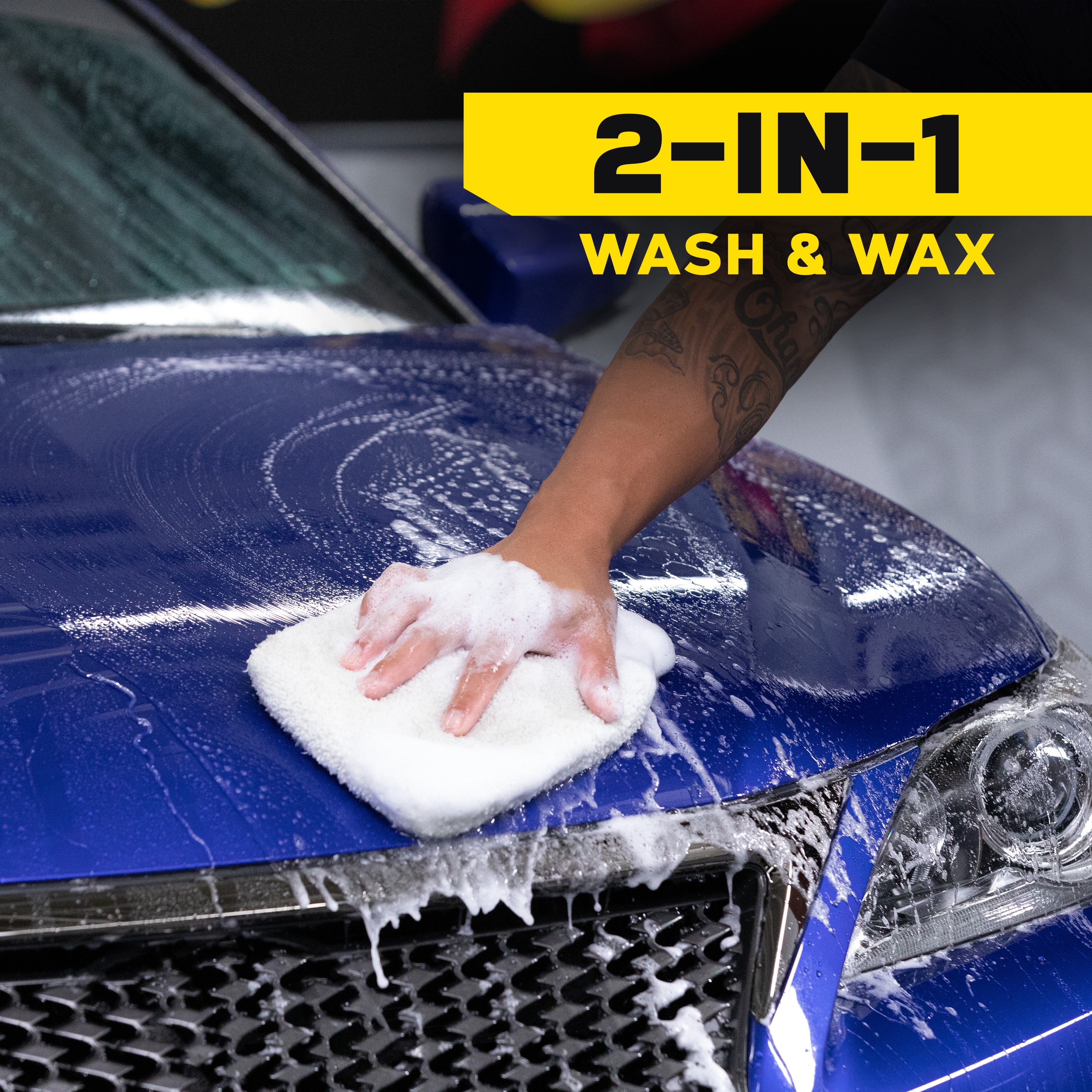
Wax is applied during or after the washing cycle, depending on the car wash system. Automated car washes often spray wax onto your wet car, spreading it evenly over the surface.
Manual application, on the other hand, involves wiping wax on the paint by hand and buffing it to a shine. This approach usually results in a thicker, more durable layer of protection, but it takes more time.
Think about your schedule—does a quick spray wax during an automated wash fit your needs, or would you benefit more from a hands-on approach?
Benefits For Car Paint
Wax creates a barrier that repels water, dust, and dirt, which helps keep your car cleaner for longer.
It also reduces the impact of UV rays, which can fade and damage paint over time. A regular wax layer can slow down this process significantly.
Besides protection, wax enhances the color and gloss of your paint, making your car look newer and more polished. Have you ever noticed how a freshly waxed car seems to catch the light differently?

Credit: www.amazon.com
Effectiveness Of Automated Waxing
Automated waxing at car washes offers a quick and convenient way to add shine and protection to your vehicle. But how well does it actually work? Understanding its effectiveness can help you decide if it meets your car care needs or if you should consider other options.
Coverage And Consistency
Automated waxing machines apply wax evenly across the car’s surface, which can be a big advantage over manual waxing that might miss spots. However, the thickness of the wax layer is usually thinner than what you get from hand application. This means while coverage is consistent, it may not be as thorough in protecting vulnerable areas like edges and crevices.
Have you noticed that some areas like door handles or mirrors get less wax in automated washes? That’s a common issue due to the machine’s fixed spray patterns and brushes.
Duration Of Protection
Automated wax coatings typically last for a few weeks, depending on weather conditions and how often you wash your car. They provide a basic layer of protection against water spots and minor dirt buildup but won’t stand up well against harsh elements or long-term exposure.
If you want your wax to last longer, you might need to apply a more durable product manually or use a professional-grade sealant. Think about how often you’re willing to maintain your car’s finish and whether quick automated waxing fits into your routine.
Common Limitations
- Automated waxes often use synthetic formulas that don’t penetrate the paint deeply.
- They may not remove existing contaminants or scratches before application.
- Machines can sometimes leave streaks or uneven shine, especially on larger vehicles.
- Environmental factors like dust and humidity can reduce wax effectiveness immediately after the wash.
Have you ever walked away from an automated wax feeling your car’s shine was just average? These limitations explain why that happens and why some drivers prefer to combine automated waxing with occasional hand detailing.
Comparing Wax Types
Choosing the right wax can make a big difference in how your car looks and how well it’s protected. Not all waxes are created equal, and understanding their differences helps you pick what fits your needs best. Let’s compare popular wax types to see how they stack up in terms of convenience, durability, and finish quality.
Car Wash Wax Vs. Hand Wax
Car wash waxes are designed to be quick and easy. You get the benefit of wax protection during a regular wash, without extra effort. However, the protection is usually lighter and doesn’t last as long.
Hand waxes require more time and effort but offer deeper protection and a richer shine. When I switched to hand waxing my car, I noticed the finish lasted weeks longer and water beaded off much better. Would you trade a few extra minutes for a superior shine?
- Car Wash Wax:Quick application, less durable, good for regular maintenance.
- Hand Wax:More effort, longer-lasting protection, better shine.
Synthetic Vs. Natural Waxes
Synthetic waxes, often made from polymers, provide strong, long-lasting protection against elements like UV rays and road salt. They tend to be easier to apply and remove. If you want a practical wax that holds up in tough weather, synthetic might be your choice.
Natural waxes, primarily carnauba-based, offer a warm, deep glow that many car enthusiasts love. They require more frequent application and can be less resistant to harsh conditions. But the visual appeal is often worth the extra care.
| Feature | Synthetic Wax | Natural Wax |
|---|---|---|
| Durability | High | Moderate |
| Ease of Application | Easy | Moderate |
| Finish | Glossy, sometimes plastic-like | Warm, natural shine |
| Weather Resistance | Excellent | Fair |
Have you noticed how different waxes change the look of your paint? Trying both synthetic and natural options might help you discover what matches your style and climate best. Don’t overlook how your environment impacts the wax’s performance on your car.
Myths About Car Wash Wax
Car wash wax often comes with many beliefs. Some of these are true, but others can mislead car owners. Understanding these myths helps to set the right expectations. It also guides better decisions about car care and maintenance.
Instant Shine Claims
Many think wax at the car wash gives an instant, mirror-like shine. The truth is, the shine improves, but it may not be dramatic. Wax adds a layer that reflects light better. Still, it cannot fix scratches or dull paint instantly. Real shine comes from proper cleaning and polishing before waxing.
Long-term Paint Protection
Some believe car wash wax protects paint for months. In reality, this wax layer is thin and wears off quickly. It mainly protects against dust and light dirt. Heavy rain, sun, and car washes reduce its lifespan. For long-term protection, regular waxing at home or by a professional is better.
Water Repellency Expectations
Wax at the car wash often promises water beading and repelling. It does create some water resistance but not strong enough to repel heavy rain. Water beads may look nice but do not guarantee full protection. Proper sealants or ceramic coatings offer stronger water repellency than wax.
Tips To Maximize Wax Benefits
Wax at car washes can protect your car’s paint and add shine. For best results, apply wax on a clean, dry surface and avoid washing immediately after. Regular waxing helps keep your car looking fresh and guards against dirt and water damage.
Maximizing the benefits of wax at a car wash can significantly enhance your vehicle’s appearance and longevity. Whether you’re a weekend car enthusiast or someone who just wants their ride to look its best, understanding how to optimize wax usage is key. Let’s dive into some practical tips that can help you get the most out of your car wash wax.
Choosing The Right Car Wash
Not all car washes are created equal. Some offer high-quality wax that can provide a lasting shine, while others may use products that barely last until your next wash. Check reviews and ask around for recommendations. Look for car washes that use premium wax products. This can make a significant difference in the shine and protection your car receives.
Frequency Of Wax Application
How often do you wax your car? Over-waxing can lead to buildup, while under-waxing might leave your car unprotected. A good rule of thumb is to apply wax every 2-3 months. Consider the climate you live in; harsh weather conditions might require more frequent application. Monitor your car’s surface; if water stops beading, it might be time for another wax.
Additional Protective Measures
Wax is just one part of keeping your car looking pristine. Pair it with other protective measures for the best results. Use a high-quality car polish before waxing to remove any minor scratches or blemishes. Apply a sealant for an added layer of protection, especially if you’re in an area with extreme weather conditions. What are some of your favorite tips for keeping your car looking its best? Share them with us and let’s keep those rides shining!

Credit: www.chemicalguys.com
Frequently Asked Questions
Does Wax At Car Wash Protect My Car Paint?
Yes, wax applied during a car wash adds a protective layer. It shields paint from dirt, UV rays, and minor scratches. However, it is a temporary protection requiring regular reapplication for best results.
How Long Does Wax From Car Wash Last?
Wax from a car wash typically lasts 2 to 4 weeks. Its longevity depends on weather, washing frequency, and wax quality. For extended protection, consider professional waxing or applying wax at home.
Can Car Wash Wax Replace Professional Waxing?
No, car wash wax is a quick solution but less durable. Professional waxing offers deeper, longer-lasting protection and enhances shine. Use car wash wax for convenience, but schedule professional waxing regularly.
Is Wax At Car Wash Safe For All Car Finishes?
Most car wash waxes are safe for standard paint finishes. However, specialty finishes may require specific products. Always check product compatibility with your car’s paint type before use.
Conclusion
Wax at a car wash can help protect your car’s paint. It adds a layer that repels dirt and water. This makes your car look shiny and clean longer. But, wax from a car wash may not last as long as hand waxing.
For best results, wax your car regularly. Keep your car looking fresh and protected with simple care. Waxing at a car wash works, but don’t rely on it alone. Your car deserves some extra attention now and then.