
Do You Leave Your Car in Gear When Parking. Have you ever wondered if you should leave your car in gear when you park? It’s a simple question, but the answer can save you from costly repairs or even dangerous situations.
Whether you drive a manual or automatic, what you do right after parking can make a big difference. Keep reading to find out the best practice for your car and why it matters more than you might think. Your car’s safety and your peace of mind depend on it.
Credit: www.slashgear.com
Why Gear Matters When Parking
Choosing the right gear when you park is more important than many drivers realize. It directly affects how secure and stable your vehicle remains while stationary. Understanding why gear matters can help you avoid unexpected accidents and keep your car exactly where you left it.
Impact On Vehicle Stability
Leaving your car in gear adds an extra layer of stability. Instead of relying solely on the parking brake, the gear acts as a mechanical lock. This is especially helpful on slopes where gravity can pull your car downhill.
Think about a time when you parked on a hill without putting the car in gear. Did you feel uneasy about your car rolling? Using gear reduces that worry by physically preventing the wheels from turning.
Role In Preventing Rollaway
Rollaway accidents happen more often than you might expect. When the car isn’t properly secured with gear engaged, it can slowly roll away, causing damage or injury. Even a slight nudge or vibration can set it in motion if the gear isn’t set.
Engaging the correct gear provides a fail-safe. It works alongside your parking brake to keep the car locked in place. This simple step can save you from costly repairs and dangerous situations.
Manual Transmission Parking Tips
Parking a manual transmission car correctly is more than just a habit—it’s about safety and preventing unnecessary wear on your vehicle. Understanding how to use your gears and handbrake effectively can save you from costly repairs and give you peace of mind. Let’s break down some practical tips that you can apply every time you park your manual car.
Choosing The Right Gear
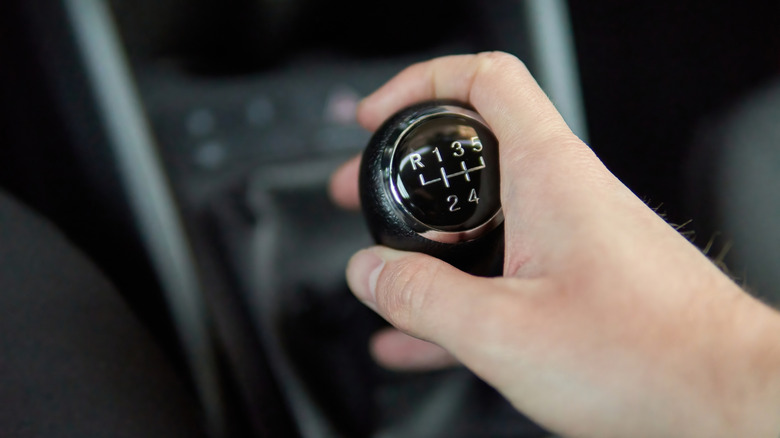
Many drivers wonder whether to leave the car in first gear or reverse when parking. The best choice depends on the slope where you park. If you’re facing uphill, leave the car in first gear. This gear provides resistance against rolling forward.
On a downhill slope, shift into reverse instead. Reverse gear works as a stronger lock against rolling backward due to its gear ratio. When parking on flat ground, you can leave the car in neutral, but always use the handbrake to prevent movement.
Have you noticed how your car behaves differently when parked on a slope? Paying attention to these small details helps keep your vehicle secure without putting strain on your transmission.
Using The Handbrake Effectively
The handbrake is your car’s main defense against unintended movement. Always engage it fully, even if you leave the car in gear. This double protection reduces stress on the gearbox.
Pull the handbrake lever firmly until you feel resistance. Avoid just a light pull; it might not hold the car securely. If your handbrake feels loose or doesn’t hold the car well, it’s time for an adjustment or a professional check.
Consider this: relying solely on the gear to hold your car can cause internal damage over time. Using the handbrake properly keeps the transmission parts safe and extends their life. How often do you check your handbrake’s effectiveness?
Automatic Transmission Parking Tips
Parking an automatic transmission car might seem straightforward, but there are key details that many drivers overlook. Understanding how to properly secure your vehicle can save you from unnecessary wear and potential damage. Let’s dive into practical tips that help you park your automatic transmission safely and efficiently.
Park Mode And Its Function
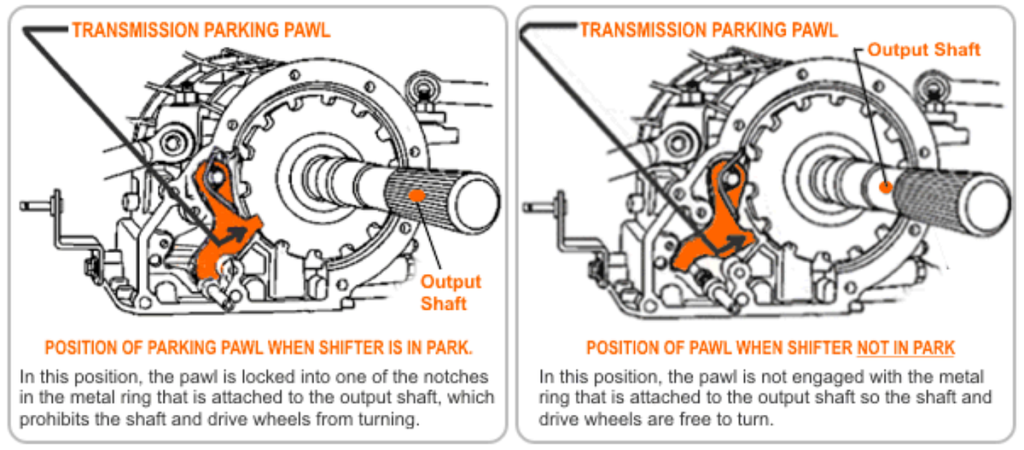
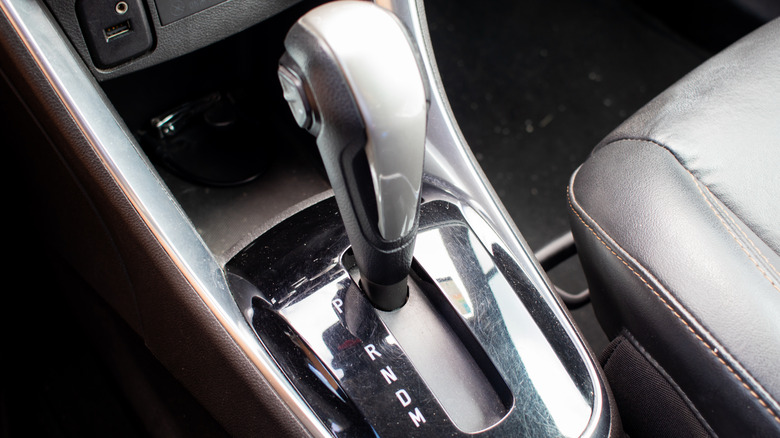
Park mode locks the transmission, preventing the wheels from moving. It’s designed to hold your car in place on flat surfaces and gentle slopes.
However, relying solely on park mode on steep hills can stress the transmission’s parking pawl, a small metal part that locks the gears. This stress can lead to costly repairs over time.
Have you ever felt your car shift slightly after parking on an incline? That’s a sign your parking brake should be engaged along with park mode to protect your transmission.
When To Use The Brake
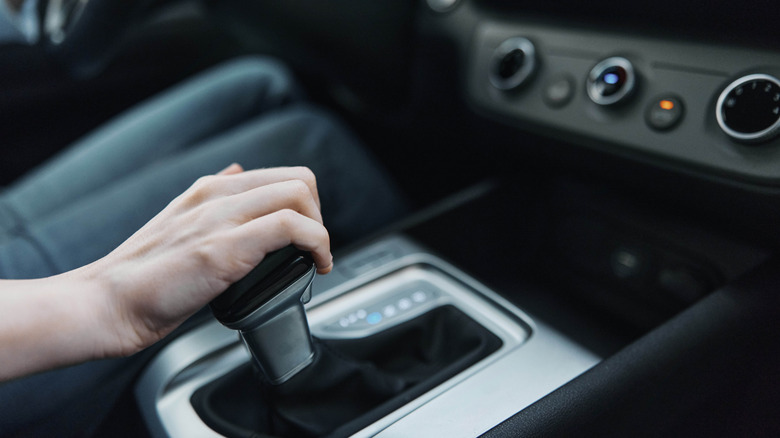
Always use your foot brake to bring the car to a complete stop before shifting into park. This prevents the parking pawl from locking while the vehicle is still moving, reducing strain.
After applying the brake and shifting to park, engage the parking brake. This extra step keeps your car stable and takes pressure off the transmission.
Think about the last time you parked on a slope without the parking brake—did your car stay perfectly still? If not, using the brake properly can make all the difference in keeping your vehicle secure.
Common Mistakes To Avoid
Parking your car might seem straightforward, but small mistakes can lead to big problems. Many drivers overlook simple habits that affect their vehicle’s safety and longevity. Avoiding these common errors will give you peace of mind and protect your car from unnecessary wear or accidents.
Leaving In Neutral
Some drivers leave their car in neutral when parking, thinking it’s harmless. However, this can allow the vehicle to roll, especially on slopes. Without the engine engaged in gear, your car depends entirely on the parking brake, which might fail or weaken over time.
Imagine parking on a hill, leaving the car in neutral, and relying only on the brake. A slight failure could send your car rolling into traffic or worse. Engaging the gear adds a mechanical block that prevents movement, giving you an extra layer of safety.
Relying Solely On The Handbrake
The handbrake is designed to hold your car in place, but it’s not infallible. Weather conditions like rain or cold can cause the brake cables to freeze or weaken. Relying only on the handbrake means you risk your vehicle moving unexpectedly.
Have you ever noticed your car roll slightly even with the handbrake on? This is a warning sign not to ignore. Using the gear alongside the handbrake reduces stress on the brake system and secures your car better.
Safety Precautions On Slopes
Parking on a slope requires caution to prevent accidents. Proper techniques ensure your car stays in place, reducing the risk of rolling. Whether you’re parking uphill or downhill, the right approach makes a difference.
Parking Uphill Techniques
When parking uphill, turn your wheels away from the curb. If the car rolls, the wheels will hit the curb and stop the car. Use your handbrake to add extra security. Ensure the car is in the correct gear. For manual cars, use first gear. In automatic cars, ensure the vehicle is in ‘Park’. This keeps the car from moving.
Parking Downhill Techniques
Parking downhill requires turning your wheels toward the curb. This prevents the car from rolling into traffic if brakes fail. Always apply the handbrake firmly. Select the right gear for your vehicle type. In manual cars, use reverse gear. Automatic cars should be set to ‘Park’. These steps help secure your car in place.
Credit: www.slashgear.com
Legal And Insurance Considerations
Parking your car safely involves more than just choosing a spot and turning off the engine. The legal and insurance aspects of whether you leave your car in gear when parking can impact your responsibilities and protections. Understanding these considerations helps you avoid fines and ensures your insurance covers any unexpected incidents.
Regulations On Parking Practices
Many regions have specific laws about how you must secure your vehicle when parked. Some places require you to leave your car in gear or engage the parking brake, especially on slopes. Failing to follow these rules can lead to fines or penalties.
For example, in certain states, leaving your car in neutral without the parking brake engaged on an incline is considered negligent. This negligence might result in your vehicle rolling away and causing damage, which can be legally your fault. Have you checked the parking regulations in your area recently?
Implications For Insurance Claims
Your insurance coverage might depend on how securely you park your vehicle. If your car rolls and causes damage, insurers will investigate whether you took reasonable precautions. Leaving your car out of gear or without the parking brake could be seen as negligence, possibly affecting your claim.
Imagine you park on a hill, leave the car in neutral, and it rolls into another vehicle. Your insurer might reduce or deny your compensation if they find you didn’t follow proper parking procedures. Always review your insurance policy details to understand what is required to keep your coverage valid.
Tips For New Drivers
Parking a car safely is a key skill for new drivers. Knowing whether to leave your car in gear when parking can prevent accidents. Simple habits help you park securely and avoid damage. Here are some tips to build good habits and avoid common mistakes.
Building Good Parking Habits
Always use the parking brake, even on flat surfaces. It adds extra safety by holding the car in place. Shift into gear to help prevent the car from rolling. Practice parking on different slopes to gain confidence.
- Check your surroundings before leaving the car.
- Use mirrors and look over your shoulder.
- Turn wheels toward the curb on downhill parking.
- Turn wheels away from the curb on uphill parking.
- Double-check the gear and parking brake before exiting.
Avoiding Common Pitfalls
Never rely only on the gear to hold your car. Parking brakes can fail if not used properly. Avoid leaving your car in neutral without the brake engaged. Do not forget to fully engage the parking brake each time.
- Do not rest your foot on the clutch or brake while parked.
- Do not park in gear without the parking brake on steep hills.
- Avoid rushing; take your time to park correctly.
- Never leave the car running when parked on a slope.
Credit: www.slashgear.com
Frequently Asked Questions
Should I Leave My Car In Gear When Parking On A Hill?
Yes, leaving your car in gear on a hill prevents it from rolling. It acts as an additional safety measure along with the parking brake. Always use first gear when facing uphill and reverse gear when facing downhill for maximum security.
Does Leaving Car In Neutral Harm The Transmission?
Leaving your car in neutral while parked offers no transmission protection. It can increase the risk of the vehicle rolling. Always engage a gear and use the parking brake to secure your car and avoid unnecessary transmission strain.
Is It Safer To Park In Gear Or Use Parking Brake?
Parking in gear and applying the parking brake together provides the safest hold. The gear prevents movement, and the brake locks the wheels. Using both methods reduces wear and prevents accidents caused by vehicle roll.
Can Leaving A Car In Gear Damage The Engine?
No, leaving a car in gear when parked does not damage the engine. It simply locks the drivetrain, preventing movement. The engine is off, so no mechanical stress occurs from parking in gear.
Conclusion
Leaving your car in gear when parking adds an extra safety step. It helps stop the car from rolling, especially on hills. Always use the handbrake along with the gear for best safety. This simple habit protects your car and others around you.
Remember, safety starts with small actions like this. Keep your car secure, no matter where you park. Simple steps can prevent big problems later. Stay safe and drive smart every time.