
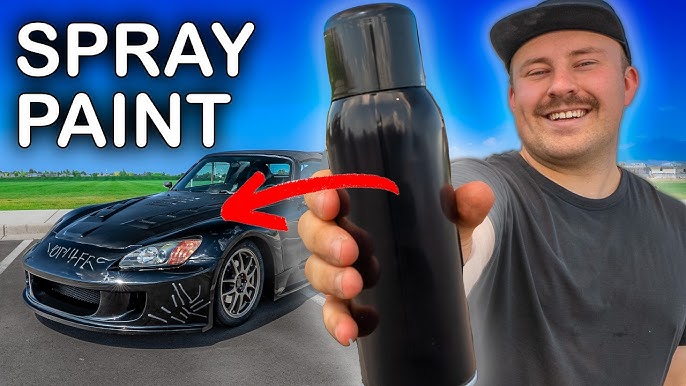
Have you ever wondered if you can spray paint your car yourself? Maybe you want to save money or give your ride a fresh new look without the hassle of a professional shop.
The idea sounds simple, but there are important things you need to know before grabbing that spray can. You’ll discover the secrets to spray painting a car the right way, what mistakes to avoid, and how to get the best results.
Keep reading, because your car’s new look might be closer than you think.
Choosing The Right Paint
Choosing the right paint for your car is crucial for a smooth and lasting finish. The paint type affects the look, durability, and ease of application. Picking the best color and finish can change your car’s appearance completely. Understanding paint options helps make a smart choice.
Types Of Automotive Paint
Automotive paint comes in different types, each with unique features. The most common include:
- Enamel:Easy to use and affordable. It gives a glossy finish but may chip over time.
- Acrylic:Dries fast and is durable. It works well for DIY projects and offers good color retention.
- Urethane:Very durable and resistant to chemicals. Requires proper equipment and skills to apply.
- Basecoat/Clearcoat:A two-step system. Basecoat provides color, and clearcoat adds shine and protection.
Each paint type suits different needs and skill levels. Choose based on your project’s size, budget, and desired outcome.
Selecting The Best Color And Finish
Color choice impacts your car’s style and visibility. Light colors hide dust but show scratches more easily. Dark colors look sleek but need more care.
Finish options affect shine and texture:
- Glossy:Reflects light well. Gives a shiny, new look.
- Matte:No shine, smooth look. Hides minor flaws but harder to clean.
- Satin:Between glossy and matte. Offers soft shine and good durability.
Pick a finish that fits your taste and maintenance ability. Test paint samples before finalizing your choice.

Credit: m.youtube.com
Preparing The Car Surface
Preparing the car surface is the most crucial step before you spray paint your car. If you skip or rush through this part, the paint won’t stick properly, and the finish will look uneven or peel off quickly. Taking your time here ensures a smooth, professional-looking result that lasts.
Cleaning And Sanding
Start with a thorough cleaning of your car’s surface. Dirt, grease, and old wax create a barrier that prevents paint from adhering well. Use a degreaser or soap and water, then dry the car completely before moving on.
Sanding is where you create a rough texture for the paint to grip onto. Use a fine-grit sandpaper, around 400 to 600 grit, to gently sand the entire surface you plan to paint. Have you noticed how smooth surfaces repel paint? That’s why sanding is essential.
Repairing Dents And Imperfections
Look closely for dents, scratches, or rust spots before painting. These flaws will be much more visible once the paint goes on. You can fill small dents with body filler, then sand it smooth once it hardens.
Rust needs special attention; sanding it down to bare metal and applying a rust converter can save you from paint failure later. Think of this step as fixing the foundation before painting a wall—it’s what keeps your finish flawless.
Masking And Protecting Areas
Spray paint doesn’t discriminate, so you’ll want to protect parts of your car you don’t want painted. Use painter’s tape and plastic sheeting to cover windows, mirrors, trim, and tires. This keeps your work neat and saves a lot of cleanup time.
Even small gaps around doors and windows can let paint seep through. Take your time to seal these areas well. Have you ever tried cleaning overspray from glass? Avoiding it saves hours of frustration.
Essential Tools And Equipment
Getting your car spray painted is more than just picking a color and pressing the trigger. The right tools and equipment make a huge difference in the final look and durability of the paint job. Without them, you might struggle with uneven coats, drips, or even damage to your vehicle’s surface.
Spray Guns And Aerosol Cans
Choosing between a spray gun and aerosol cans depends on your budget and the finish you want. Spray guns offer better control and a smoother finish, especially if you’re covering large areas. They require an air compressor and some practice to master.
Aerosol cans are easier to use and perfect for small touch-ups or beginners. However, they can result in uneven layers if you don’t spray evenly or hold the can too close. Have you ever noticed how a shaky hand can ruin an otherwise perfect paint job? That’s why consistent technique matters.
- Spray Guns:Need air compressor, adjustable spray patterns, ideal for full car painting.
- Aerosol Cans:Portable, easy to use, best for small repairs or accents.
Safety Gear And Ventilation
Spray painting releases fumes and fine particles that can harm your health if you’re not careful. Always wear proper safety gear like a respirator mask, gloves, and goggles to protect your lungs, skin, and eyes. Have you ever tried painting in a closed garage? The smell and fumes can be overwhelming and dangerous.
Good ventilation is crucial to avoid inhaling toxic chemicals and to help the paint dry properly. Open windows, use fans, or work outside if possible. Setting up a makeshift spray booth with exhaust fans can also improve air flow and keep dust from settling on your wet paint.
- Respirator Mask:Filters out harmful fumes and particles.
- Gloves and Goggles:Protect your skin and eyes from chemicals.
- Ventilation:Prevents buildup of fumes and speeds up drying.
Spray Painting Techniques
Spray painting your car can give it a fresh, professional look if done correctly. The techniques you use play a crucial role in achieving smooth, even coverage without drips or uneven patches. Understanding the right approach will save you time, money, and frustration.
Proper Spray Distance And Speed
Holding the spray gun at the right distance from the car surface is key. Aim to keep it about 6 to 10 inches away to avoid over-spraying or paint runs. Moving too close can cause drips, while staying too far results in a rough, uneven coat.
Your spray speed should be steady and consistent. Move the gun evenly across the panel, overlapping each pass by about 50% to ensure full coverage. Imagine painting a wall—too slow and you’ll get thick spots; too fast and the paint won’t cover well.
Applying Primer, Base Coat, And Clear Coat
Start with a primer to prepare your car’s surface. Primer helps the paint stick better and hides imperfections. Apply it in thin layers, allowing each coat to dry fully before adding the next.
Next comes the base coat, which provides the color. Spray it in light, even layers. It’s better to do multiple thin coats than one heavy one to avoid runs and uneven color.
Finish with a clear coat for protection and shine. This layer seals the paint and guards against scratches and UV damage. Be patient—clear coat needs proper drying time to harden and look glossy.
Avoiding Common Painting Mistakes
One mistake is rushing the drying process. Using heat lamps or forcing dry can trap solvents and cause bubbles. Let your paint dry naturally for the best finish.
Watch out for dust and debris landing on the wet paint. A clean, dust-free workspace is essential. Even a small particle can ruin the smooth surface you’re working hard to achieve.
Are you tempted to spray thick coats to cover up imperfections? Resist it. Thick coats often lead to runs and peeling later. Patience with thin, even layers will give you a better, longer-lasting result.
Drying And Curing Process
The drying and curing process is crucial when spray painting a car, often making the difference between a sleek, professional finish and a patchy, uneven one. It’s not just about letting the paint dry; it’s about ensuring the paint bonds correctly to the surface for durability and longevity. Understanding the optimal conditions and timing can transform your paint job from average to outstanding.
Optimal Drying Conditions
To achieve a flawless finish, pay attention to your environment. A dust-free, well-ventilated area is essential to prevent particles from sticking to the wet paint. Temperature matters too; aim for a consistent range between 60°F and 80°F to facilitate proper drying.
Humidity can be a hidden enemy. High moisture levels can slow down the drying process and lead to a dull finish. Consider using a dehumidifier if you’re working in a naturally humid environment.
Timing Between Coats
Timing between coats can be tricky, but it’s a crucial factor for a seamless application. Typically, waiting about 10 to 15 minutes between coats allows the paint to set without becoming too tacky or too dry. This timing ensures each layer adheres properly, minimizing the risk of peeling or bubbling.
Be patient and attentive. Rushing this process might lead to more work in the long run, as imperfections will require additional sanding and repainting. Ask yourself: is your desire to finish quickly worth compromising the quality of the final product?

Credit: m.youtube.com
Finishing Touches
The final phase of spray painting your car is where everything truly comes together. Finishing touches can transform a rough paint job into a smooth, glossy surface that looks professional. Paying attention to these details not only enhances appearance but also protects your investment for years to come.
Sanding And Polishing
After the paint dries completely, sanding helps remove any imperfections like dust particles or uneven spots. Use a fine-grit sandpaper, around 1500 to 2000 grit, to gently smooth the surface without damaging the paint layer beneath.
Polishing follows sanding and brings out the shine. Use a quality polishing compound and a soft cloth or buffer. This step can reveal a mirror-like finish and make your car look freshly painted by a professional shop.
Have you ever noticed how a polished surface reflects light differently? That’s the magic of removing microscopic scratches during polishing. It’s a small effort that makes a huge visual difference.
Waxing For Protection And Shine
Waxing is more than just adding shine; it creates a protective barrier against dirt, UV rays, and water. Applying a good car wax after polishing helps maintain the paint’s vibrancy and extends its lifespan.
Choose a wax suitable for newly painted surfaces, and apply it in thin, even layers. Buffing the wax off with a microfiber cloth will give your car a deep, glossy finish that’s hard to ignore.
Think about your daily driving conditions—could waxing help protect your paint from road grime or sun damage? Regular waxing keeps your car looking fresh and can save you money on costly repairs later.
Troubleshooting Paint Issues
Spray painting a car can be rewarding, but it’s common to run into some paint issues along the way. These problems can be frustrating, especially if you expect a smooth, professional finish. The good news is that most paint flaws have simple fixes you can handle yourself with a little patience and the right tools.
Handling Runs And Sags
Runs and sags happen when too much paint is applied in one spot. You’ll notice paint dripping or pooling, which ruins the smooth look you want. To fix this, wait until the paint dries completely, then gently sand the affected area with fine-grit sandpaper until it’s level with the surrounding surface.
After sanding, clean off the dust and apply a thin coat of paint to blend the repair. If you rush this process, you risk making the problem worse. Have you ever tried fixing a paint drip without sanding first? It usually ends up looking patchy.
Fixing Orange Peel Texture
Orange peel texture looks like the surface of an orange’s skin—bumpy and uneven. This often happens if the spray paint was applied too far from the surface or if the paint was too thick. To smooth it out, start by wet sanding with very fine sandpaper (1500-2000 grit).
After sanding, polish the area with rubbing compound to restore shine. Keep your spray gun close and steady next time to avoid this texture. Think about how many layers you applied and how quickly you moved the spray—could adjusting those make a difference?
Dealing With Paint Fading
Paint fading is usually caused by sun exposure or poor-quality paint. If your car’s color looks dull or washed out, you can bring back some life with a good polish or paint restorer. For deeper fading, a fresh coat of clear coat or paint might be necessary.
Protect your car’s paint by parking in the shade or using a car cover. You might be surprised how much simple care can slow down fading. What’s your routine for keeping your car’s paint vibrant?

Credit: www.youtube.com
Frequently Asked Questions
Can You Spray Paint A Car At Home?
Yes, you can spray paint a car at home with proper tools. Ensure you work in a well-ventilated, dust-free area. Preparation is key: clean, sand, and prime the surface before painting. Use multiple thin coats for even coverage and a professional finish.
What Type Of Spray Paint Is Best For Cars?
Automotive spray paints are best for cars. Choose high-quality, durable paints designed for metal surfaces. Look for paints with rust inhibitors and UV protection. Proper paint type ensures longevity, vibrant color, and resistance to weather conditions and wear.
How Long Does Spray Paint Take To Dry On A Car?
Spray paint typically takes 20-30 minutes to dry to touch. Full curing may take 24-48 hours depending on conditions. Temperature, humidity, and paint type affect drying time. Avoid handling or exposing the car to moisture until fully cured.
Is Spray Painting A Car Cheaper Than Professional Painting?
Spray painting a car yourself is generally cheaper than professional services. However, it requires skill, time, and proper equipment. Poor application can lead to uneven finishes and wasted materials. For best results, consider cost versus quality and your experience level.
Conclusion
Spray painting a car can be done with care and patience. It saves money but needs good preparation and tools. Mistakes can cause uneven color or rough texture. Practice on small parts before painting the whole car. Clean and dry the surface well to get the best result.
Take your time and work in a well-ventilated space. This way, you can give your car a fresh look without much cost. Remember, good work takes effort but feels rewarding in the end.