
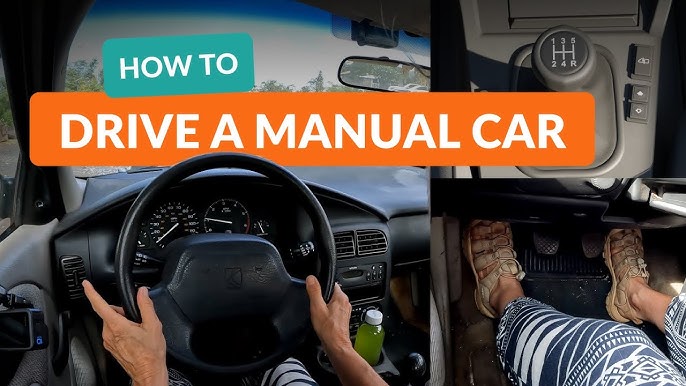
How to Drive Manual Gear Car. Learning how to drive a manual gear car can feel tricky at first, but once you get the hang of it, you’ll enjoy full control over your ride. Imagine smoothly shifting gears, feeling connected to the road, and mastering a skill that many drivers find exciting.
If you want to stop relying on automatic transmissions and take charge behind the wheel, this guide is made just for you. Keep reading, and you’ll discover simple, step-by-step tips that make driving a manual car easier than you think.
Your confidence and driving skills are about to level up!
Getting Familiar With Controls
Driving a manual gear car needs practice with its controls. Learning the parts helps you drive safely.
Start by understanding the pedals and gear stick. These are the main tools to control the car.
Clutch Pedal Basics
The clutch pedal is on the far left side. It helps you change gears smoothly.
Press the clutch fully before shifting gears. Release it slowly to avoid stalling the engine.
- Press clutch fully to start the car or change gears
- Release clutch slowly to move the car smoothly
- Never rest your foot on the clutch while driving
Gear Stick Layout
The gear stick is usually in the center console. It controls the car’s speed and power.
Most manual cars have 5 or 6 forward gears and one reverse gear. Each gear moves the car at different speeds.
| Gear | Use |
|---|---|
| 1st Gear | Start moving and slow speeds |
| 2nd Gear | Slow to moderate speeds |
| 3rd Gear | Moderate speeds |
| 4th Gear | Faster speeds |
| 5th Gear | High speeds and cruising |
| Reverse | Move backward |
Using The Accelerator And Brake
The accelerator pedal is on the right side. It controls the car’s speed by adding fuel to the engine.
The brake pedal is in the middle. It slows down or stops the car safely.
- Press accelerator gently to increase speed
- Press brake smoothly to reduce speed or stop
- Use both pedals carefully when starting on hills

Credit: www.youtube.com
Starting The Car
Starting a manual gear car needs practice. You must use the clutch and gear carefully to move the car.
This guide will help you learn how to start the car smoothly without stalling or jerking.
Pressing The Clutch
Press the clutch pedal all the way down with your left foot. This disconnects the engine from the wheels.
Keep the clutch fully pressed before changing the gear or starting the engine.
Engaging First Gear
Move the gear stick to the first gear position while holding the clutch down. This gear lets the car start moving slowly.
Make sure the handbrake is off before you start driving.
- Clutch pedal pressed down
- Gear stick in first gear
- Handbrake released
Smoothly Releasing The Clutch
Slowly lift your foot off the clutch pedal until you feel the car start to move. This is called the bite point.
At the bite point, gently press the gas pedal to keep the car moving without stalling.
- Lift clutch slowly
- Feel the bite point
- Press gas gently
Shifting Gears Smoothly
Driving a manual gear car requires smooth gear changes. Smooth shifting helps the car run better and lasts longer.
Learning to shift gears smoothly takes practice. Focus on timing and coordination to avoid jerks.
When To Shift Up Or Down
Shift up when the engine speed (RPM) is high. This saves fuel and protects the engine.
Shift down to get more power. This helps when climbing hills or slowing down.
- Shift up around 2500-3000 RPM for normal driving
- Shift down if the car feels slow or struggles
- Use lower gears for steep roads or heavy loads
Coordinating Clutch And Accelerator
Press the clutch fully before changing gears. This disconnects the engine from the wheels.
Release the clutch slowly while pressing the accelerator. This avoids jerks and stalls.
- Push the clutch all the way down before shifting
- Shift the gear lever smoothly to the next gear
- Release the clutch slowly and press the gas pedal gently
Avoiding Gear Grinding
Gear grinding happens when gears do not match speed. It causes noise and damages the gearbox.
To avoid grinding, always press the clutch fully. Shift gears at the right time and speed.
- Make sure the clutch is fully pressed before shifting
- Shift gears smoothly without forcing the lever
- Do not shift too early or too late

Credit: www.reddit.com
Handling Stops And Starts
Driving a manual car requires skill, especially when stopping and starting. Good control of the clutch and brakes makes driving smoother. This guide covers key techniques for handling stops and starts safely.
Learn how to stop with the clutch, make hill starts simple, and use the handbrake effectively. These tips will help you gain confidence behind the wheel.
Stopping With The Clutch
When you want to stop, press the clutch pedal fully to avoid stalling. Keep your foot on the brake to slow down smoothly. As the car comes to a stop, hold the clutch down and shift into neutral if you will stop for a while.
Hill Starts Made Easy
Starting on a hill can be tricky. Use these steps to avoid rolling back:
- Press the clutch and shift into first gear.
- Release the handbrake slowly while pressing the accelerator gently.
- Find the biting point by slowly lifting the clutch until the car feels ready to move.
- Release the handbrake fully and press the accelerator more to move forward smoothly.
Using The Handbrake
The handbrake helps hold the car still on hills or during stops. Use it to prevent rolling back before you move off.
| Situation | How to Use Handbrake |
| Stopping on a hill | Pull handbrake up when stopped, keep clutch down |
| Starting on a hill | Release handbrake slowly as you lift clutch and press accelerator |
| Stopping temporarily | Apply handbrake to keep car still, shift into neutral |
Common Mistakes To Avoid
Driving a manual gear car can be tricky at first. Many new drivers make avoidable mistakes. These errors can wear out your car and cause frustration.
Learning to avoid these mistakes helps your car last longer. It also makes driving smoother and safer.
Riding The Clutch
Riding the clutch means keeping your foot on the clutch pedal too long. This can cause the clutch to wear out fast. The clutch should be fully pressed or fully released.
Use the clutch only when changing gears. Avoid resting your foot on it while driving. This helps the clutch last longer and keeps the car running well.
Shifting Too Quickly
Shifting gears too fast can damage the transmission. Each gear needs time to engage properly. Shifting quickly may cause jerks or engine strain.
Take a moment to fully press the clutch before moving the gear stick. Shift smoothly and gently. This protects your car’s gearbox and makes your ride comfortable.
Ignoring Engine Sounds
Your engine makes sounds that tell you when to shift gears. Ignoring these sounds can hurt your engine and waste fuel. Listen for changes in pitch and speed.
Shift up when the engine sounds high and loud. Shift down if the engine sounds low and struggles. Paying attention to sounds helps you drive better and saves your car.
Tips For Faster Learning
Driving a manual gear car can be a fun experience. Learning quickly requires focus and practice.
Follow these tips to get comfortable with using a manual transmission. Start slow and build confidence over time.
Practice In Safe Areas
Find a safe place to practice driving. Empty parking lots or quiet streets are ideal.
Start practicing during off-peak hours. This helps you focus without much traffic.
- Choose a flat surface to start
- Avoid busy roads initially
- Bring a friend for guidance
Listening To The Engine
Pay attention to the sounds your car makes. The engine gives clues when to shift gears.
Shifting at the right time helps the car run smoothly. Listen for the engine’s sound changes.
- Learn the sound of low and high RPMs
- Shift up when the engine gets loud
- Shift down when the car struggles
Staying Calm And Patient
Stay calm while learning. Patience helps you make progress without stress.
Understand that mistakes are part of learning. Take breaks if you feel overwhelmed.
- Breathe deeply if you feel tense
- Remember that practice improves skill
- Set small goals for each session

Credit: gartzlube.com
Frequently Asked Questions
How Do I Start A Manual Gear Car Smoothly?
To start, press the clutch fully and shift to first gear. Slowly release the clutch while gently pressing the accelerator. This balances engine power and prevents stalling. Practice helps you master smooth starts in manual cars.
When Should I Shift Gears In A Manual Car?
Shift gears when the engine revs reach 2,500 to 3,000 RPM. Listen to engine sound and feel acceleration. Shifting timely improves fuel efficiency and prevents engine strain. Practice helps develop a natural gear change rhythm.
How Do I Avoid Stalling A Manual Car?
Press the clutch fully before changing gears or stopping. Release the clutch gradually while applying enough gas. Avoid sudden clutch release to prevent stalling. Practicing clutch control is key to smooth driving without stalls.
What Is The Correct Way To Use The Clutch?
Press the clutch fully when changing gears or stopping. Release it slowly while increasing throttle to prevent jerks. Avoid riding the clutch to reduce wear. Proper clutch use ensures smoother gear shifts and longer clutch life.
Conclusion
Driving a manual car takes practice and patience. Start slowly and focus on smooth gear changes. Listen to the engine and feel the clutch’s bite. Don’t rush; mistakes help you learn. Soon, shifting gears will feel natural and easy. Enjoy the control and connection to your car.
Keep practicing often to build confidence. Driving manual becomes a skill you can trust. Now, you are ready to take the wheel with more skill. Safe driving!