
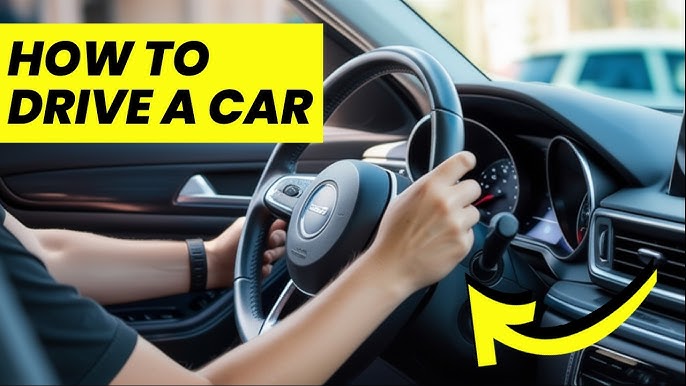
How to Drive a Car for the First Time. Learning how to drive a car for the first time can feel both exciting and a little scary. You might wonder where to start, what to focus on, and how to stay calm behind the wheel.
This guide is made just for you. It breaks down the process into simple steps that anyone can follow. By the end, you’ll feel more confident and ready to take control of the road. Keep reading—your first drive is closer than you think.
Getting Familiar With The CarHow to Drive a Car
Driving a car for the first time can feel strange. It helps to know your car before you start.
Take time to learn the basics. This will make your first drive safer and easier.
Know The Controls
Learn where the main controls are. This includes the steering wheel, pedals, and gear shift.
- Steering wheel: controls the direction
- Accelerator pedal: makes the car go faster
- Brake pedal: slows or stops the car
- Clutch pedal (manual cars): helps change gears
- Gear shift: changes the car’s speed settings
- Handbrake: holds the car in place when parked
Adjust Seats And Mirrors
Set your seat to sit comfortably. You should reach pedals without stretching.
Adjust mirrors to see behind and beside the car. This helps avoid blind spots.
| Adjustment | How to Set |
| Driver’s Seat | Move forward/backward, adjust height and tilt |
| Rearview Mirror | Center to show rear window view |
| Side Mirrors | Angle to see side lanes and a small part of your car |
Learn The Dashboard Indicators
Dashboard lights show important information. Know what the main symbols mean.
- Speedometer: shows your speed
- Fuel gauge: shows fuel level
- Engine warning light: check engine status
- Battery light: checks battery charge
- Oil pressure light: shows oil levels
Starting The Engine
Starting a car for the first time can feel exciting and a little confusing. It is important to know the steps to do it safely.
This guide will help you learn how to start the engine properly before driving.
Check The Gear Position
Before you start the engine, make sure the gear lever is in the right place. For manual cars, it should be in neutral. For automatic cars, it should be in park or neutral.
- Look at the gear shift indicator.
- Move the gear to neutral (manual) or park (automatic).
- Ensure the car will not move when you start it.
Press The Clutch Or Brake
Press the clutch pedal fully if you drive a manual car. If you drive an automatic car, press the brake pedal instead. This step helps the car start safely.
| Car Type | Pedal to Press |
| Manual | Clutch |
| Automatic | Brake |
Turn The Ignition
Insert the key into the ignition or press the start button. Turn the key or press the button until the engine starts. Release the key or button once the engine is running.
Tips for turning the ignition:
- Do not hold the key too long; it can damage the starter.
- Listen for the engine sound to know it has started.
- If the engine does not start, check the gear and pedals again.
Basic Driving Techniques
Learning to drive a car involves understanding some key skills. These skills help you control the car safely and smoothly.
This guide covers how to accelerate smoothly, use the clutch and gear shift, and steer the car properly.
Accelerating Smoothly
Press the gas pedal gently to start moving. Sudden acceleration can make the car jerk or lose control.
- Start by pressing the pedal slowly.
- Keep your foot steady to maintain speed.
- Release the pedal slowly to reduce speed smoothly.
Using The Clutch And Gear Shift
The clutch helps you change gears without damaging the engine. Use the gear shift to select the right gear for your speed.
| Action | Description |
| Press Clutch | Push the clutch pedal fully before changing gears. |
| Select Gear | Move the gear stick to the desired gear. |
| Release Clutch Slowly | Lift the clutch pedal gently while pressing the gas pedal. |
| Avoid Riding Clutch | Do not keep the clutch half-pressed while driving. |
Steering And Turning
Steering helps you guide the car in the right direction. Use smooth movements to turn safely.
Follow these tips to steer and turn well:
- Keep both hands on the wheel at the 9 and 3 o’clock positions.
- Look in the direction you want to go before turning.
- Slow down before making a turn.
- Turn the wheel smoothly without jerking.
- Use your signals to show other drivers your intentions.

Credit: www.youtube.com
Parking And Stopping
Learning to park and stop a car is key for safe driving. You need to control the car smoothly in these moments.
This guide covers how to park safely, use the handbrake, and stop the car properly.
How To Park Safely
Find a legal and safe spot to park. Check for signs that show parking rules.
- Signal early to alert other drivers
- Slow down and check mirrors
- Steer gently into the parking space
- Keep the car straight and centered
- Turn off the engine when parked
Using The Handbrake
The handbrake keeps your car from rolling when parked. Always use it on slopes and flat ground.
| When to Use Handbrake | How to Use |
| Parking on hills | Pull handbrake firmly after stopping |
| Parking on flat roads | Pull handbrake lightly to secure |
| Stopping temporarily | Use foot brake, handbrake optional |
Stopping The Car Properly
Stop the car smoothly to keep control and comfort. Use the brake pedal gently.
- Check mirrors and traffic behind you
- Release the accelerator pedal
- Press the brake pedal gradually
- Stop fully before crosswalks and stop signs
- Shift to neutral or park gear when stopped
Road Safety Tips
Driving a car for the first time can be exciting and scary. Safety should always be your top priority on the road.
Following road safety tips helps protect you and others. Learn these simple rules before you start driving.
Follow Traffic Rules
Traffic rules keep roads safe for everyone. Always obey speed limits and traffic signals.
Stop at stop signs and yield when needed. Use turn signals to show your moves.
- Obey speed limits
- Stop at stop signs
- Use turn signals
- Follow traffic lights
Maintain Safe Distances
Keep enough space between your car and the vehicle ahead. This gives time to stop safely.
In bad weather, increase the distance. This reduces the chance of accidents.
- Keep at least two seconds behind the car in front
- Add more distance in rain or fog
- Do not tailgate other drivers
Stay Alert And Avoid Distractions
Pay full attention to the road. Avoid using your phone or eating while driving.
Watch for pedestrians, cyclists, and other vehicles. Being alert helps you react quickly.
- Keep your eyes on the road
- Do not use your phone
- Focus on driving only
- Watch for changes in traffic

Credit: www.youtube.com
Handling Common Challenges
Driving a car for the first time can be exciting and nerve-wracking. You will face challenges, but with practice, you can overcome them.
Here are some common challenges you might encounter and how to handle them effectively.
Dealing With Hills
Driving on hills requires good control of the car. Use the right technique to avoid rolling back.
- Approach the hill slowly and assess traffic.
- Use the handbrake to hold the car if you stop on the hill.
- Release the clutch slowly while accelerating to move forward.
Navigating Traffic
Heavy traffic can be stressful, but staying calm helps. Keep your focus on the road and maintain a safe distance.
| Action | Result |
| Keep a safe distance | Prevents collisions |
| Stay in your lane | Improves traffic flow |
| Use indicators | Communicates intentions |
Managing Night Driving
Night driving requires extra attention. Your vision is limited, so use your headlights wisely.
Adjust your speed to match visibility. Stay focused and avoid distractions like loud music.
Building Confidence
Driving for the first time can be exciting and scary. Building confidence is key to becoming a good driver. Here are some tips to help you feel more comfortable behind the wheel.
Practice Regularly
The more you practice, the better you will get at driving. Set aside time each week to drive and improve your skills.
Start with short drives around your neighborhood. Gradually, increase the distance as you become more comfortable.
Start In Low-traffic Areas
Begin your driving lessons in places with little traffic. This will help you focus on learning the basics without stress.
Parking lots or quiet streets are great for beginners. They provide a safe environment to practice starting and stopping the car.
Seek Feedback From Experienced Drivers
Ask someone who knows how to drive well for advice. They can give you tips and help you avoid common mistakes.
Invite them to sit with you while you drive. Their feedback can boost your confidence and improve your driving skills.
- Listen to their suggestions
- Ask questions if you are unsure
- Learn from their experiences

Credit: m.youtube.com
Frequently Asked Questions
What Basic Steps Should I Follow To Drive A Car First Time?
Start by adjusting your seat and mirrors. Learn pedal functions, practice steering, and use turn signals. Begin in a safe, quiet area. Always wear a seatbelt and follow traffic rules. Stay calm and focused throughout your first drive.
How To Handle Nerves While Driving First Time?
Take deep breaths and stay calm. Practice in a quiet area to build confidence. Focus on your surroundings and avoid distractions. Remember, mistakes are normal. With experience, your nervousness will reduce naturally over time.
What Essential Car Controls Must I Know First?
Know the accelerator, brake, and clutch pedals. Understand gear shifting if manual. Learn to use indicators, headlights, and windshield wipers. Familiarize yourself with the steering wheel and parking brake. Mastering controls ensures safer driving and better vehicle handling.
How To Practice Driving Safely For Beginners?
Start in an empty parking lot or quiet street. Drive slowly and gradually increase speed. Avoid busy roads initially. Always wear your seatbelt and obey traffic signs. Practice emergency stops and parking. Consider a driving instructor for professional guidance.
Conclusion
Driving a car for the first time can feel exciting and scary. Stay calm and focus on the road. Practice often to build your confidence and skills. Always follow traffic rules to stay safe. Remember, learning takes time and patience.
Each drive helps you become a better driver. Enjoy the journey and keep improving every day. Soon, driving will feel natural and easy.