
Can Your Car Get Towed With the Emergency Brake On? Have you ever wondered what happens if your car gets towed while the emergency brake is still on? It’s a question many drivers don’t think about until they’re in that exact situation.
You might assume your car is safe, but the truth could surprise you. Understanding how towing works with the emergency brake engaged can save you from costly damage and frustration. Keep reading to find out what really happens to your car and how you can protect it when it’s being towed.
Emergency Brake Basics
The emergency brake is a feature in your car that many drivers overlook until it really matters. It’s designed to provide an extra layer of safety when your main brakes fail or when you need to keep your vehicle stationary. Understanding the basics of the emergency brake helps you use it properly and avoid common mistakes, like wondering if your car can get towed with it engaged.
Purpose Of The Emergency Brake
The emergency brake, sometimes called the parking brake, is primarily meant to hold your car in place when parked. It works independently of your regular braking system, so if the main brakes fail, it can help stop the vehicle.
Besides safety, it prevents your car from rolling on slopes or uneven surfaces. You might think it’s only for emergencies, but using it every time you park adds extra security. Have you ever parked on a steep hill and felt unsure if the car would stay put? That’s exactly where the emergency brake shines.
Types Of Emergency Brakes
There are mainly two types of emergency brakes, and knowing which one your car has can affect how you use it.
- Hand-operated lever:This is the classic emergency brake found between the front seats. You pull it up to engage and push a button to release.
- Foot pedal brake:Often found in older cars, this brake is a pedal on the far left side of the driver’s footwell. You press it down to engage and release it with a handle or by pressing again.
- Electronic parking brake:Modern cars may have a button or switch instead of a lever or pedal. It activates the brake electronically, often with an indicator light to show when it’s engaged.
Knowing which type your car uses helps you avoid accidentally damaging the system. Have you ever tried to release an electronic brake by pulling a lever? It won’t work, and it could cause frustration.
Credit: 247cartowing.com.au
How Towing Works
Towing a vehicle isn’t as simple as just hooking it up and driving away. Understanding how towing works can help you avoid damage to your car, especially if your emergency brake is on. The way your car’s brakes and towing method interact plays a big role in whether your vehicle can be safely towed.
Towing Methods
There are several ways to tow a vehicle, each suited for different situations and car types.
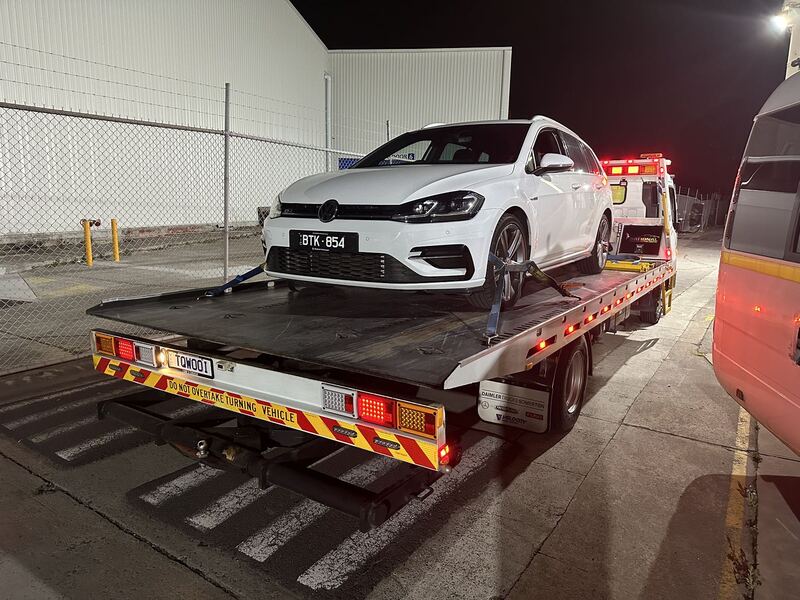
- Flatbed Towing:The entire car is lifted onto a flat platform. This method keeps all wheels off the ground, preventing any brake or transmission issues.
- Dollies:Only the front or rear wheels are lifted, while the other wheels roll on the road. This can be tricky if the emergency brake is on because the locked wheels won’t move freely.
- Flat Towing:The car is towed with all four wheels on the ground. This requires the emergency brake to be off and sometimes special equipment to avoid damaging the drivetrain.
Have you ever wondered why some tow trucks use a flatbed while others don’t? It often comes down to your car’s condition and what the tow is trying to avoid.
Role Of Vehicle Brakes During Towing
Your car’s brakes, especially the emergency brake, play a crucial role during towing. When the emergency brake is engaged, it locks the wheels, preventing them from turning.
If a tow truck tries to move your car with the emergency brake on, it can cause serious damage. The locked wheels may drag or cause strain on the brake components, leading to costly repairs.
Think about a time when you tried pushing a locked bicycle wheel—it just won’t roll smoothly. The same applies to your car’s wheels during towing.
Always make sure the emergency brake is fully released before towing. If you’re unsure, communicate clearly with the towing professional to prevent unnecessary damage.
Effects Of Emergency Brake On Towing
Understanding the effects of the emergency brake on towing is crucial for anyone who might face the situation of having their car towed. The emergency brake, also known as the parking brake, is designed to keep your vehicle stationary. But what happens if your car is towed while this brake is engaged? Let’s break down the possible consequences and what you should watch out for.
Potential Damage Risks
When the emergency brake is on during towing, it locks the rear wheels in place. This can cause significant wear and tear on the brake system.
The brake pads or shoes may get damaged because they are forced to slide rather than roll. This leads to overheating and warping of brake components.
You might also notice unusual noises or a burning smell once the car is released, indicating damage. Have you ever wondered why a car sometimes squeals after being towed? This could be the reason.
Impact On Towing Process
Towing a car with the emergency brake on complicates the process for the tow truck operator. The locked wheels mean the vehicle doesn’t roll smoothly, which can slow down the tow or cause jerky movements.
This resistance increases the chance of the tow truck’s equipment malfunctioning or the car slipping off the tow hooks. It also puts extra strain on the tow truck’s winch and cables.
In some cases, tow operators might refuse to tow a vehicle with the emergency brake engaged to avoid these risks. Next time, check if your brake is off before the tow begins—it could save you from costly repairs.
When Can You Tow With Emergency Brake On
Towing a car with the emergency brake engaged might seem straightforward, but it’s important to know when it’s actually safe and appropriate. Understanding these situations helps prevent damage to your vehicle and ensures a smooth towing experience. Let’s dive into the conditions that allow towing with the emergency brake on and what you should keep in mind.
Situations Allowing Towing
You can tow with the emergency brake on if the vehicle’s design supports it. Some cars have rear-wheel or four-wheel drive systems that allow limited movement without disengaging the emergency brake.
Another situation is when the towing distance is very short, such as moving the vehicle within a parking lot or garage. In these cases, the risk of damage is minimal, and the emergency brake can remain engaged.
Occasionally, emergency brake cables may be stuck or broken, forcing you to tow with the brake partially on. If you must do this, keep the distance short and drive slowly to avoid overheating the brake system.
Precautions To Take
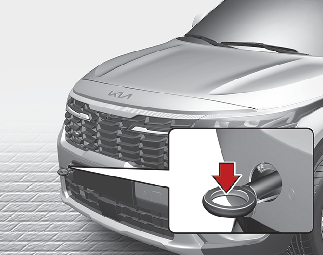
- Check your owner’s manual:It often specifies whether towing with the emergency brake engaged is safe for your specific vehicle model.
- Use flatbed towing:This method lifts the entire car off the ground, preventing any stress on the emergency brake or wheels.
- Drive slowly and carefully:If towing on wheels, keep speeds under 10 mph to minimize damage and heat buildup.
- Monitor brake temperature:After towing, touch the wheel or brake area to see if it’s unusually hot, which could indicate damage.
Have you ever had to tow a car unexpectedly? How did you handle the emergency brake? Sharing your experience might help others avoid costly mistakes.
Preventing Damage While Towing
Towing a car with the emergency brake on can cause serious damage to the brakes and tires. Always release the brake to avoid costly repairs and ensure safe towing. Small steps protect your vehicle from unnecessary wear during towing.
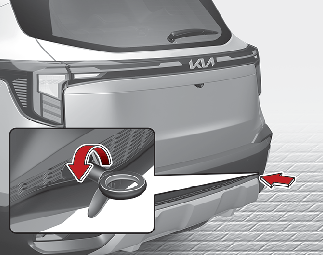
Preventing damage while towing your vehicle is crucial to avoid costly repairs and ensure your car remains in good condition. One common question is whether your car can be towed with the emergency brake engaged. The short answer is yes, but it can lead to serious damage if not handled correctly. Understanding the proper steps to release the brakes and seeking professional towing help can save you from unnecessary headaches.
Proper Brake Release Steps
Releasing your emergency brake before towing is essential. First, ensure your vehicle is on a flat surface to prevent any unintended movement. Then, sit inside the car, press the brake pedal, and gently release the emergency brake. If your car has an electronic brake system, consult your manual or look for an override option to manually disengage it. Always double-check that the brake is fully released. A partially engaged brake can still cause damage, leading to costly repairs.
Professional Towing Tips
Hiring a professional towing service can make all the difference. Experienced tow truck operators know how to handle vehicles with the emergency brake engaged. They have the right tools and techniques to safely tow your car without causing damage. Ask the towing company about their methods and ensure they have experience with your vehicle type. This ensures your car is in capable hands, giving you peace of mind. Have you ever wondered what might happen if your car is towed with the emergency brake on? Proper preparation and professional help can prevent a minor inconvenience from turning into a major repair bill. Remember, the key to a safe towing experience lies in attention to detail and expertise.
Credit: www.kia.com
Legal And Safety Considerations
Understanding the legal and safety aspects of towing a car with the emergency brake on is crucial. This knowledge helps avoid fines, damage to the vehicle, and accidents. Laws and safety guidelines vary by location and situation. Always be aware of these rules before towing a vehicle.
Towing Laws
Towing laws differ by state and country. Some places strictly forbid towing with the emergency brake engaged. Ignoring these laws can lead to penalties or towing violations. Certain areas require specific equipment or permits for towing. Commercial towing companies often follow stricter rules. Understanding local regulations reduces legal risks.
Safety Guidelines
Safety is a top priority when towing a car. The emergency brake can cause wheel locking and tire damage. It increases the risk of accidents due to impaired vehicle control. Properly releasing the brake before towing prevents mechanical failure. Use the right towing equipment and follow manufacturer instructions. Always check the vehicle’s manual for towing advice. Drive slowly and carefully during towing operations.
Credit: m.economictimes.com
Frequently Asked Questions
Can A Car Be Towed With The Emergency Brake Engaged?
Yes, a car can be towed with the emergency brake on, but it risks damaging the brake system. It’s best to release the emergency brake before towing to avoid costly repairs and ensure smooth towing.
What Happens If You Tow A Car With The Parking Brake?
Towing a car with the parking brake engaged can cause brake drag and overheating. This damages brake pads and rotors, leading to expensive repairs. Always disengage the parking brake to prevent brake system damage during towing.
Is It Safe To Tow A Car Using The Emergency Brake?
No, towing with the emergency brake on is unsafe. It can cause brake lock-up and damage components. Always disengage the emergency brake and use proper towing methods to ensure safety and avoid mechanical issues.
How To Prevent Damage When Towing A Parked Car?
To prevent damage, release the emergency brake before towing. Use a flatbed tow truck or a proper tow dolly. Ensure the car’s transmission is in neutral to avoid drivetrain damage.
Conclusion
Towing a car with the emergency brake on can cause damage. It puts extra strain on the towing equipment and your vehicle. Always check if the emergency brake is released before towing. This simple step helps avoid costly repairs. Knowing this can save time and money.
Stay safe and protect your car by following these tips. Towing done right means a smoother, safer journey for everyone.