
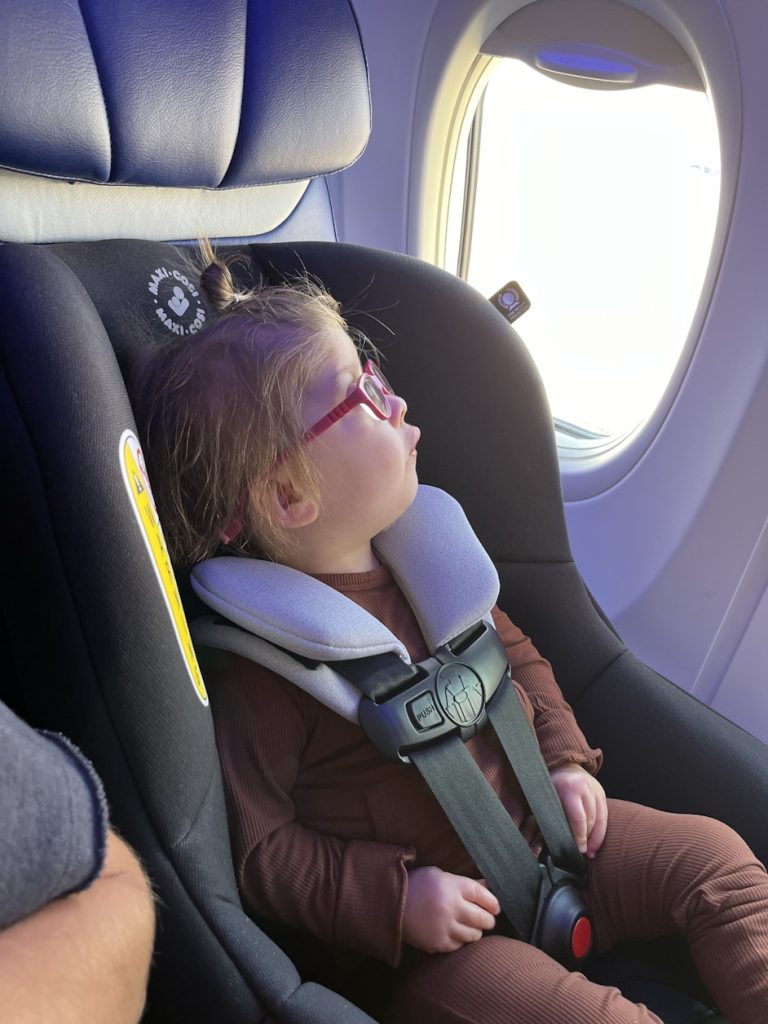
Flying with a baby can feel overwhelming, especially when it comes to bringing your baby’s car seat. You want to keep your little one safe and comfortable, but you’re not sure how to handle the car seat on a plane.
What if it’s too big? Can you use it during the flight? Will it make your trip harder? This guide will answer all your questions and give you simple, practical tips to make flying with a baby car seat easier than you think.
Keep reading, and you’ll discover how to travel confidently while keeping your baby secure every step of the way.
Choosing The Right Car Seat
Choosing the right car seat for flying with your baby can feel overwhelming. The market offers many options, but not all are suitable for air travel. Picking a seat that fits safety rules, your child’s needs, and your travel style is crucial for a smooth trip.
Faa Approved Seats
Look for car seats labeled as FAA approved. These seats meet specific safety standards for use on airplanes. Without this approval, the airline may not allow the seat on board, or you might have to hold your baby in your lap for the flight.
Check the label or product manual for FAA approval before you buy. Have you ever brought a car seat only to find out it wasn’t allowed on the plane? Avoid that hassle by confirming this detail early.
Weight And Size Limits
Every car seat has weight and size limits that matter more when flying. Airlines often have space restrictions, so your seat must fit into the airplane seat comfortably. A bulky seat might not only be hard to manage but also cause inconvenience during the flight.
Consider your baby’s current weight and how much they will grow by travel time. A seat too small won’t last, and one too large could be a burden. Is your car seat easy to carry through the airport or will it slow you down?
Convertible Vs. Infant Seats
Deciding between a convertible seat and an infant-only seat depends on your travel needs. Infant seats are lighter, easier to carry, and often come with a convenient handle, perfect for short trips. However, they only fit babies up to about 22 pounds.
Convertible seats last longer and grow with your child, but they tend to be heavier and bulkier. If you plan multiple trips or extended travel, a convertible seat might offer better value. What type of trips do you usually take with your baby?
Booking Your Flight
Booking your flight with a baby car seat requires careful planning to ensure a smooth travel experience. It’s more than just picking a date and time—you need to think about how your car seat fits into the airline’s rules and your seating choices. Taking the time to get these details right can save you stress on the day of your flight.
Informing The Airline
Letting the airline know you’ll be flying with a baby car seat is essential. Some airlines require advance notice to reserve the correct type of seat or to approve the car seat model you plan to bring. Calling the airline directly often works best, as website forms may not cover car seat details.
Have you ever arrived at the gate only to be told your car seat isn’t allowed? Avoid that by double-checking the airline’s car seat policy before booking. This way, you know if your car seat meets safety standards and if you need any special documentation.
Selecting Seats
Choosing the right seat can make your flight much easier. Bulkhead seats often provide extra legroom and space for your baby’s car seat, but they may be limited and require early booking. Window seats can offer a quieter spot, but you might struggle with limited space for installing the car seat.
Think about your baby’s comfort and your convenience. Would you prefer easy access to the aisle for quick diaper changes? Or do you want a spot with less foot traffic? These small decisions can have a big impact on your travel experience.
Extra Fees And Policies
Many airlines allow you to bring a car seat without extra charges, but some may apply fees or specific rules. Checking the airline’s baggage policy is key to avoid surprises at the airport. Some airlines count the car seat as a checked item, while others require it to be carried onboard.
Be aware that policies vary widely between airlines and even flight routes. Have you compared how different airlines handle car seats before booking? Sometimes paying a small fee for better service or more flexible policies is worth the peace of mind.
Packing And Preparing
Packing and preparing for a flight with a baby car seat requires careful planning. Bringing the right items keeps your baby comfortable and safe. It also helps reduce stress at the airport and on the plane. Organize your gear and check everything before you leave home.
Car Seat Travel Bags
Use a car seat travel bag to protect the seat during travel. These bags shield against dirt and damage. Look for lightweight, padded bags with handles or wheels. A good travel bag makes carrying easier through airports. It also meets airline carry-on size rules for some seats.
Essential Baby Gear
- Pack extra diapers and wipes for quick changes.
- Bring a small blanket to keep baby warm.
- Include a favorite toy or pacifier for comfort.
- Carry a change of clothes in case of spills.
- Have baby snacks and bottles ready for feeding.
Keep all gear in an easily accessible bag. This helps during security checks and boarding.
Pre-flight Checks
- Confirm your car seat is FAA-approved for airplane use.
- Check airline policies on car seat use and size limits.
- Inspect the car seat for any loose parts or damage.
- Practice installing the car seat in the airplane seat.
- Verify your flight’s baggage rules for car seats.
Doing these checks helps avoid surprises at the airport. It ensures a smoother travel experience for you and your baby.
Airport Navigation
Navigating an airport with a baby car seat requires careful planning and calmness. Airports are busy places, and moving through crowds can feel stressful. Preparing ahead helps keep the journey smooth for both you and your baby. Knowing how to handle security checks, strollers, and your baby’s comfort is key. This section covers practical tips to make airport navigation easier and less tiring.
Security Screening Tips
At security, you must remove the car seat from your stroller or carry it separately. Security officers may ask you to place the car seat on the conveyor belt for X-ray screening. If your baby is in the car seat, you might be asked to carry them through the metal detector. Inform officers about the baby to avoid confusion. Keep all diaper bags and baby items ready for inspection. Arrive early to allow extra time for these steps.
Using Strollers And Car Seats
Strollers make moving faster and easier in the airport. Many airports allow gate-checking of strollers, so you can use them until boarding. Attach your car seat securely to the stroller frame. Use stroller hooks or bags to carry extra baby supplies. Label your stroller and car seat with your contact details. At the gate, fold the stroller and check it with your luggage or carry it on board if allowed.
Managing Baby’s Comfort
Airports can overwhelm babies with noise and crowds. Dress your baby in comfortable layers to adjust to changing temperatures. Bring favorite toys or blankets to soothe your baby. Feed your baby during takeoff and landing to help with ear pressure. Use a baby carrier if your little one prefers to be held. Keep a calm voice and gentle touch to reassure your baby throughout the journey.
Installing The Car Seat On The Plane
Flying with a baby car seat requires planning. Secure the seat using the airplane’s seat belt for safety. Check airline policies beforehand to ensure compliance.
Installing a car seat on a plane can feel daunting, but with a few simple steps, you can ensure your baby’s safety and comfort. It’s all about understanding the installation process and knowing the benefits of where you choose to place the seat. When done correctly, you’ll find the flight much more enjoyable for both you and your little one.
Seatbelt Installation
Start by checking that your car seat is approved for aircraft use. This information is usually found on the label. Once on the plane, thread the airplane seatbelt through the car seat’s belt path. Ensure the seatbelt is tight and secure. You should not be able to move the car seat more than an inch side to side. A snug fit will keep your baby safe during the flight.
Window Seat Benefits
Choosing a window seat can make a world of difference. It provides a sturdy wall to support the car seat, reducing movement. Additionally, it prevents passengers from needing to climb over you, making for a more peaceful flight. You’ll also have a better view to entertain your little one. The changing scenery can be a great distraction for curious eyes. Have you considered how much easier diaper changes could be without an aisle full of people?
Handling Turbulence Safely
Turbulence can be unsettling, but with a properly installed car seat, your baby remains secure. Keep the seatbelt fastened at all times, even when the seatbelt sign is off. During unexpected turbulence, your baby will be safer in their seat than in your arms. This peace of mind allows you to focus on keeping calm and comfortable. What strategies do you have in place to manage turbulence anxiety for both you and your baby?
In-flight Baby Care
Flying with a baby can feel overwhelming, especially when it comes to keeping your little one comfortable and happy during the flight. Managing in-flight baby care while using a baby car seat requires thoughtful preparation and a calm approach. Let’s look at practical ways you can make feeding, soothing, and entertainment smooth and stress-free for both you and your baby.
Feeding And Hydration
Feeding your baby during a flight is crucial, not just for hunger but also to help with ear pressure changes. Breastfeeding or bottle-feeding during takeoff and landing can ease discomfort. Keep extra bottles or snacks handy in your carry-on, so you don’t have to search through your bags mid-flight.
Hydration is equally important. Offer small amounts of water regularly if your baby is old enough. Have a spill-proof cup ready to avoid messes, and remember that cabin air can be drying, so extra fluids help keep your baby comfortable.
Soothing Techniques
Babies can get fussy with all the new sounds and sensations. Try gentle rocking motions in the car seat if the airline allows it, or softly pat your baby’s back. Using familiar items like a favorite blanket or pacifier can provide comfort and a sense of security.
Don’t hesitate to walk up and down the aisle if your baby becomes restless, but keep safety in mind and follow crew instructions. Sometimes, just changing your baby’s position slightly can make a big difference in calming them down.
Entertainment Ideas
Keeping a baby entertained on a plane is a challenge, but small, simple toys can work wonders. Choose lightweight, quiet toys that won’t disturb other passengers, like soft books or teething rings. Rotate toys every 15–20 minutes to keep your baby’s interest.
Engage your baby with peek-a-boo or sing softly to maintain attention without over-stimulation. Have you noticed how a new sound or a simple game can quickly capture your baby’s focus during a flight? Use these moments to turn potential fussiness into calm playtime.
Post-flight Tips
After the plane lands and you’ve gathered your belongings, the journey with your baby car seat isn’t over yet. Handling the car seat carefully right after the flight can save you a lot of hassle later on. These post-flight tips help keep your car seat safe, clean, and ready for the next leg of your trip.
Disassembling And Packing
Once you’re off the plane, take a moment to carefully disassemble any removable parts of the car seat. This makes it easier to pack and protects fragile components from damage.
Use a dedicated travel bag or a sturdy case designed specifically for car seats. It will shield your seat from dirt and impacts during transit. Have you checked if your airline provides any special handling for car seats? Some do, and it’s worth asking before you pack.
Car Seat Cleaning
Flying can expose your car seat to germs and spills. Wiping down the fabric and plastic surfaces with baby-safe wipes keeps it fresh and hygienic.
If your seat cover is removable, consider washing it as soon as you reach your destination. This small step prevents any lingering odors and bacteria from building up. Have you noticed how a clean car seat makes travel more comfortable for your baby?
Traveling Beyond The Airport
Once you’re past the airport, think about how you’ll transport the car seat to your accommodation or next destination. Using a lightweight stroller that’s compatible with your car seat can reduce the strain on your arms.
Also, plan your route to avoid rough terrain that might jostle the seat excessively. Protecting your investment means smoother travels for both you and your baby.

Credit: adiosteam.com

Credit: adiosteam.com
Frequently Asked Questions
Can I Bring A Baby Car Seat On The Airplane?
Yes, most airlines allow you to bring a baby car seat if it’s FAA-approved. Check airline policies before flying.
How Do I Install A Car Seat On An Airplane Seat?
Install the car seat using the airplane seatbelt. Ensure it’s tightly secured and follows the car seat manual.
Is It Better To Check Or Carry On A Baby Car Seat?
Carrying on your baby’s car seat is safer and protects it from damage. Gate check if needed.
Do I Need To Buy A Separate Ticket For My Baby’s Car Seat?
If your baby has a seat, some airlines require a separate ticket. Confirm with the airline before booking.
Conclusion
Flying with a baby car seat can feel tricky at first. Plan ahead and check airline rules carefully. Keep your baby comfortable and safe during the flight. Use the car seat properly to avoid stress. A little preparation makes travel easier for everyone.
Enjoy your trip knowing your child is secure. Safe travels and happy flying with your little one!