
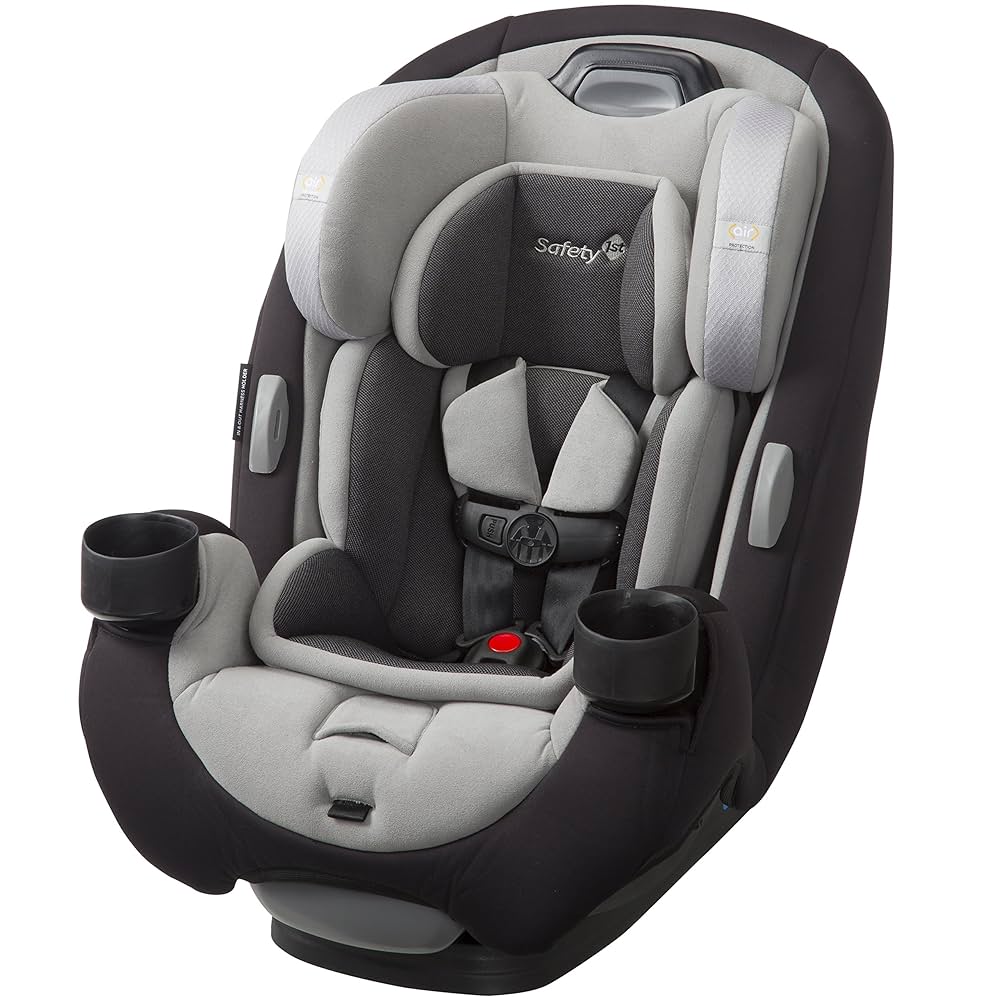
How Long Does a Safety First Car Seat Last. When it comes to your child’s safety, every detail matters—especially the car seat you trust. But have you ever wondered, how long does a Safety First car seat really last?
Knowing the answer can protect your little one and save you money. You’ll discover exactly how long these car seats stay reliable, when it’s time to replace them, and what signs to watch for. Keep reading to ensure your child’s safety isn’t compromised by an expired car seat.
Safety First Car Seat Lifespan
Understanding the lifespan of your Safety First car seat is crucial for keeping your child safe. Car seats don’t last forever, and using one past its prime can compromise its effectiveness. Knowing how long your seat is good for helps you avoid risks and plan for timely replacements.
Manufacturer’s Expiration Dates
Every Safety First car seat comes with a clear expiration date, usually printed on a label or molded into the plastic shell. This date is based on rigorous testing and safety standards to ensure the seat performs well during crashes.
Using the seat beyond this date means the materials and safety features might not protect your child as designed. Have you checked your car seat’s expiration date lately? It’s easy to forget, but crucial for your child’s safety.
Materials And Wear Factors
The materials in car seats, like plastic and foam, degrade over time due to heat, sunlight, and general wear and tear. Even if your seat looks fine, the internal structure might weaken, reducing its crash protection.
Think about how often your car seat gets exposed to harsh sun or rough handling. These factors can shorten its lifespan significantly. Regularly inspect your car seat for cracks, frayed straps, or broken buckles to catch early signs of wear.

Credit: www.youtube.com
Signs To Replace Your Car Seat
Knowing when to replace your Safety First car seat is crucial for your child’s safety. Car seats do not last forever. Wear and tear or damage can reduce their protection. Watch for clear signs that a replacement is needed. These signs help prevent risk during travel.
Visible Damage Or Wear
Check the car seat closely for cracks or broken parts. Look for frayed straps or torn fabric. Fading or discoloration can mean material weakness. Any visible damage may cause failure in a crash. Replace the seat immediately if you find these issues.
After A Crash
A car seat involved in any crash must be replaced. Even small impacts can weaken the structure. Safety First recommends replacing the seat after any collision. The internal parts may be damaged but invisible. Using a seat after a crash puts your child at risk.
Missing Parts Or Labels
All parts must be intact for the seat to work properly. Missing buckles, straps, or padding lowers safety. Safety labels provide important use and expiration information. If labels are missing or unreadable, replace the seat. Without them, you cannot ensure proper installation or use.
Storage And Maintenance Tips
Proper storage and maintenance keep your Safety First car seat safe and durable. Clean and store it well to extend its life. Small care steps prevent damage and wear.
Proper Cleaning Methods
Remove the car seat cover before cleaning. Use mild soap and warm water for stains. Avoid harsh chemicals that can weaken materials. Air dry the cover completely before putting it back.
Wipe the plastic and metal parts with a damp cloth. Check straps for dirt and clean gently. Never soak the straps or machine wash them. Keep buckles free of crumbs and debris for smooth use.
Safe Storage Practices
Store the car seat in a dry, cool place. Avoid direct sunlight to prevent fading and cracking. Keep it away from extreme heat or cold, which can damage materials.
Use a cover or bag to protect the seat from dust. Do not place heavy objects on top. Check the seat regularly for signs of wear or damage before use.
Impact Of Technology On Longevity
Technology plays a crucial role in determining how long a Safety First car seat remains reliable and safe for your child. As innovations evolve, they not only improve safety but also influence the seat’s lifespan. Understanding these impacts can help you make smarter decisions about when to replace your car seat.
Advancements In Safety Features
Safety First continually updates its car seats with new technology to protect your child better. Features like side-impact protection, energy-absorbing foam, and adjustable harness systems have become standard over the years. These improvements mean newer models often offer enhanced safety compared to older ones.
However, these advanced features may also mean that older seats lack the latest protections. If you’re using a car seat that’s several years old, ask yourself if it still meets current safety standards. Staying informed about updates ensures your child benefits from the best available protection.
How Technology Affects Durability
Technological improvements don’t just boost safety; they also impact how long a car seat lasts. Materials like reinforced plastics and advanced fabrics can extend durability, resisting wear and tear better than older models. This means your car seat can stay strong and functional for many years if well cared for.
On the flip side, some high-tech components may have specific expiration dates or degrade over time. For example, foam padding can lose its effectiveness, and buckles or straps might weaken. Have you checked the expiration date on your seat or inspected these parts recently?
Balancing the benefits of new safety tech with the natural aging of materials is key. Regularly review your car seat’s condition and technology level to decide if it’s time for an upgrade. Your child’s safety and comfort depend on it.
Comparing Safety First To Other Brands
Safety First car seats usually last about six years, similar to many other brands. Expiration dates ensure the seat stays safe and reliable over time. Checking each brand’s guidelines helps parents choose the best option for their child.
When choosing a car seat for your child, the brand can make a significant difference in terms of safety, durability, and value for money. Safety First has established a reputation for offering reliable and trustworthy car seats. But how does it fare when compared to other brands?
Lifespan Differences
The lifespan of a car seat is crucial for both safety and value. Safety First car seats typically have a lifespan of about six to ten years, depending on the model. This is comparable to brands like Graco and Britax, which also offer similar longevity. However, some premium brands might extend their lifespan slightly longer. But does a longer lifespan always mean better value? It’s essential to consider how long you actually need the seat. Are you planning for multiple children, or just one? Your personal needs can heavily influence the worth of a longer lifespan.
Cost Vs. Longevity
A common dilemma is whether to invest in a higher-priced seat with a longer lifespan or opt for a more affordable option that might not last as long. Safety First strikes a balance here by offering cost-effective seats without compromising on safety or longevity. While some high-end brands might offer extra features and a slightly longer lifespan, they come with a higher price tag. You need to weigh if those extras justify the cost for your situation. Safety First provides solid longevity at a price that respects your budget, making it a practical choice for many families. Which matters more to you: extra features or a price that aligns with your budget? In the end, understanding how Safety First compares to other brands helps you make an informed decision, ensuring your child’s safety without overspending.

Credit: www.ubuy.co.in

Credit: www.amazon.in
Frequently Asked Questions
How Long Does A Safety First Car Seat Last?
A Safety First car seat typically lasts 6 to 10 years. Always check the expiration date on the seat. Using a car seat beyond this period can compromise safety due to wear and outdated technology.
Can I Extend The Lifespan Of My Car Seat?
Regular cleaning and proper storage can help maintain your car seat. Avoid exposure to extreme heat or sunlight. However, never use a car seat past its expiration date for safety reasons.
What Happens If I Use An Expired Car Seat?
Using an expired car seat increases risk during a crash. Materials can degrade, reducing protection. Safety standards may have changed since the seat was manufactured, making it less reliable.
How Do I Find My Car Seat’s Expiration Date?
The expiration date is usually printed on a label or molded into the plastic shell. Check the manufacturer’s manual or website if you cannot find it. Always follow the expiration date for safe use.
Conclusion
Safety First car seats usually last about 6 to 10 years. Check the label for the exact expiration date. Avoid using a car seat past this time. Old car seats may not protect your child well. Cracks, missing parts, or previous accidents reduce safety.
Always follow the manufacturer’s instructions for use and care. Replace the seat if you are unsure about its condition. Keeping your child safe is the top priority. Regular checks help ensure the seat works properly. Choose a car seat that fits your child’s current size and age.
Safety lasts as long as you keep the seat in good shape.