
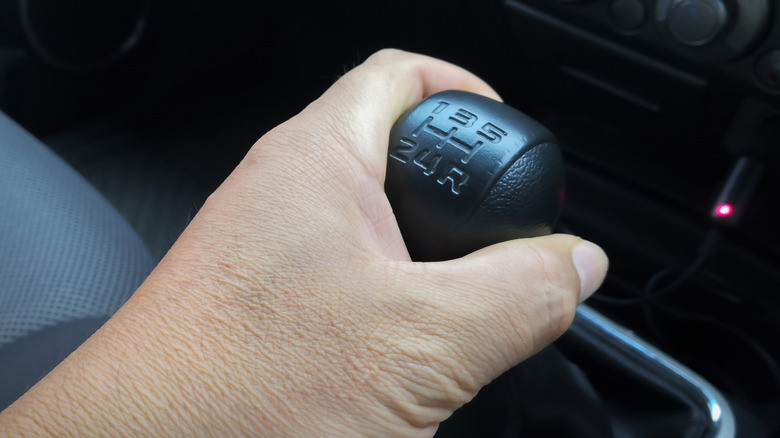
Have to Wiggle Gear Shifter to Start Car. Have you ever turned the key in your car’s ignition, only to find you have to wiggle the gear shifter before it finally starts? It’s frustrating, right?
You might wonder if this is a sign of a small glitch or a bigger problem waiting to happen. Understanding why this happens can save you time, money, and stress. Keep reading, and you’ll discover the simple reasons behind this issue and how you can fix it before it gets worse.
Your car deserves the best care, and so do you.
Credit: www.mazda6club.com
Common Causes Of Gear Shifter Issues
Having to wiggle your gear shifter just to start your car can be frustrating and may signal deeper issues. Understanding the common causes behind gear shifter problems helps you diagnose the issue faster and avoid unexpected breakdowns. Let’s look at some frequent culprits that might be causing your gear shifter trouble.
Faulty Shift Interlock System
The shift interlock system prevents the car from shifting out of park unless the brake pedal is pressed. If this system malfunctions, it may lock the shifter, forcing you to wiggle it to engage gears. A faulty brake switch or damaged wiring often causes this issue, and you might notice the brake lights not working properly as a clue.
Have you ever noticed your brake lights failing right before the shifter acts up? That’s a sign to check the shift interlock components first.
Worn Out Gear Linkage
The gear linkage connects the shifter to the transmission and allows smooth gear changes. Over time, this linkage can wear out or become loose, creating resistance that makes shifting difficult. Wiggling the shifter might temporarily realign the linkage, but the problem will return unless replaced or adjusted.
Pay attention if you feel unusual stiffness or a loose, sloppy movement in your shifter—that’s a classic sign of worn gear linkage.
Damaged Transmission Components
Internal transmission problems can also cause gear shifter issues. Damaged or broken parts inside the transmission may prevent the gears from engaging properly, requiring extra effort or wiggling to start the car. This is a more serious problem that often comes with strange noises or delayed gear response.
If your car hesitates to move even after shifting, ask yourself if the transmission might need professional inspection before damage worsens.

Credit: www.youtube.com
Signs Of A Problematic Gear Shifter
Noticing signs of a problematic gear shifter early can save time and money. The gear shifter plays a crucial role in starting and driving your car. When it malfunctions, the car might not start smoothly or respond correctly. Recognizing the warning signs helps in addressing the issue before it worsens.
Difficulty Starting The Car
One common sign is struggling to start the car. The gear shifter may not be in the correct position. You might have to wiggle the shifter to get the engine to turn on. This problem often points to a worn or damaged shift interlock system.
Gear Shifter Feels Loose Or Stuck
A loose or stuck gear shifter signals trouble. It may move too freely or not shift at all. This can mean worn internal parts or damaged linkage. Driving with a faulty shifter can be unsafe and cause further damage.
Warning Lights On Dashboard
Dashboard warning lights can indicate gear shifter issues. Lights such as the check engine or transmission warning may turn on. These alerts suggest the car’s computer detects a problem. Ignoring these lights can lead to costly repairs later.
Quick Fixes To Try At Home
Experiencing trouble starting your car without wiggling the gear shifter can be frustrating. Some common issues cause this problem but can be fixed quickly at home. Simple checks and minor adjustments often solve the issue without needing a mechanic.
Try these quick fixes to get your car starting smoothly again.
Check The Brake Pedal Switch
The brake pedal switch signals the car to start only if the brake is pressed. A faulty switch can prevent the engine from starting. Locate the switch near the brake pedal and press the pedal several times. Look for loose wires or damage. Replace or adjust the switch if needed to restore proper function.
Lubricate The Gear Shifter Mechanism
Stiff or dry gear shifter parts can cause difficulty in starting. Use a light lubricant on the shifter mechanism. Focus on moving parts like joints and pivots. Move the shifter back and forth after applying lubricant to ensure smooth operation. This can reduce friction and improve the starting process.
Inspect And Adjust Gear Linkage
The gear linkage connects the shifter to the transmission. Misalignment or wear in this linkage may require shifting the gear to start. Check for loose or damaged parts along the linkage. Tighten any loose bolts and replace worn components. Adjust the linkage carefully to align the shifter correctly for easy starts.

Credit: www.reddit.com
When To Seek Professional Help
Figuring out when to call a professional can save you time, money, and stress. If you find yourself constantly needing to wiggle the gear shifter to start your car, it’s a clear sign that something deeper might be wrong. Knowing the right moment to seek expert help ensures the issue doesn’t worsen and keeps your vehicle safe to drive.
Persistent Shifting Problems
Do you notice that the gear shifter feels loose or refuses to stay in place even after multiple attempts? Persistent shifting issues often point to worn-out components inside the gear mechanism or linkage. If simple fixes like adjusting the shifter or checking for obstructions don’t work, it’s time to get a professional diagnosis.
Ignoring these problems could lead to the car slipping out of gear unexpectedly, which is dangerous. Mechanics have the tools and knowledge to inspect and repair the shifter system thoroughly. Don’t wait until the problem disrupts your daily routine or causes an accident.
Transmission Fluid Issues
Transmission fluid plays a vital role in smooth gear changes. If you notice your car requires gear wiggling to start, low or dirty transmission fluid might be the culprit. Check the fluid level and color—if it’s dark or smells burnt, it’s a warning sign.
Fluid problems often indicate leaks or the need for a fluid change, tasks best handled by professionals. They can identify leaks, flush old fluid, and refill with the correct type to restore proper function. Have you ever tried topping up fluid yourself, only to find the problem persists? That’s when expert intervention helps.
Electrical System Malfunctions
Modern cars rely heavily on electrical systems to manage gear shifting and starting functions. A faulty sensor or wiring issue can cause the car to behave unpredictably, such as needing to wiggle the shifter before starting. If your dashboard lights flicker or you notice inconsistent gear indicator readings, electrical faults could be the cause.
Diagnosing electrical problems requires specialized equipment and training. Professionals can run tests to pinpoint faulty sensors or wiring and fix them efficiently. If you’ve tried troubleshooting without success, don’t hesitate to get professional help before the issue escalates.
Preventive Maintenance Tips
Wiggling the gear shifter to start your car may signal a worn shift interlock. Regular checks can prevent this issue and keep your car starting smoothly. Simple maintenance helps avoid costly repairs and improves driving safety.
Preventive maintenance can save you from many car troubles. A problematic gear shifter is no exception. Regular checks and habits can keep your car running smoothly. Here are some tips to prevent gear shifter issues.
Regular Transmission Fluid Checks
Check your transmission fluid often. It should be at the right level. Clean fluid is crucial for smooth gear shifts. Dirty or low fluid can cause problems. Replace fluid as needed to prevent damage.
Routine Inspection Of Shifter Components
Inspect shifter parts regularly. Look for wear or damage. Ensure all components are working well. Replace worn-out parts promptly. This helps avoid bigger issues later.
Avoiding Rough Shifting Habits
Gentle shifting is important. Avoid forcing the shifter. Be patient when changing gears. This reduces stress on the transmission. Good habits prolong your car’s life.
Frequently Asked Questions
Why Do I Have To Wiggle Gear Shifter To Start?
Wiggling the gear shifter often fixes a faulty shift interlock switch. This switch prevents starting unless the car is in Park or Neutral. Wear or damage can cause poor connection, requiring movement to engage the switch and start the engine.
Can A Bad Gear Shifter Cause Starting Issues?
Yes, a damaged gear shifter or linkage can stop the car from recognizing Park or Neutral. This prevents the engine from starting. Repairing or replacing the gear shifter or related parts often resolves this problem quickly.
How Does The Shift Interlock System Affect Starting?
The shift interlock system blocks the ignition until the shifter is in Park or Neutral. If this system fails, it may require moving the shifter to engage it. Proper function is crucial to prevent starting issues and ensure safety.
Is It Safe To Wiggle Gear Shifter To Start Car?
Wiggling the gear shifter is a temporary fix, not a long-term solution. It indicates underlying mechanical or electrical issues. Have a mechanic inspect your vehicle promptly to avoid further damage or safety risks.
Conclusion
Wiggling the gear shifter to start a car signals a problem. It could be a worn shifter, a faulty sensor, or a misaligned linkage. Ignoring this can lead to bigger car troubles. Getting the issue checked early saves time and money.
Drive safely by keeping your car’s parts in good shape. Simple fixes often prevent costly repairs later. Trust your car’s signals and act soon. Your car deserves proper care to run smoothly every day.