
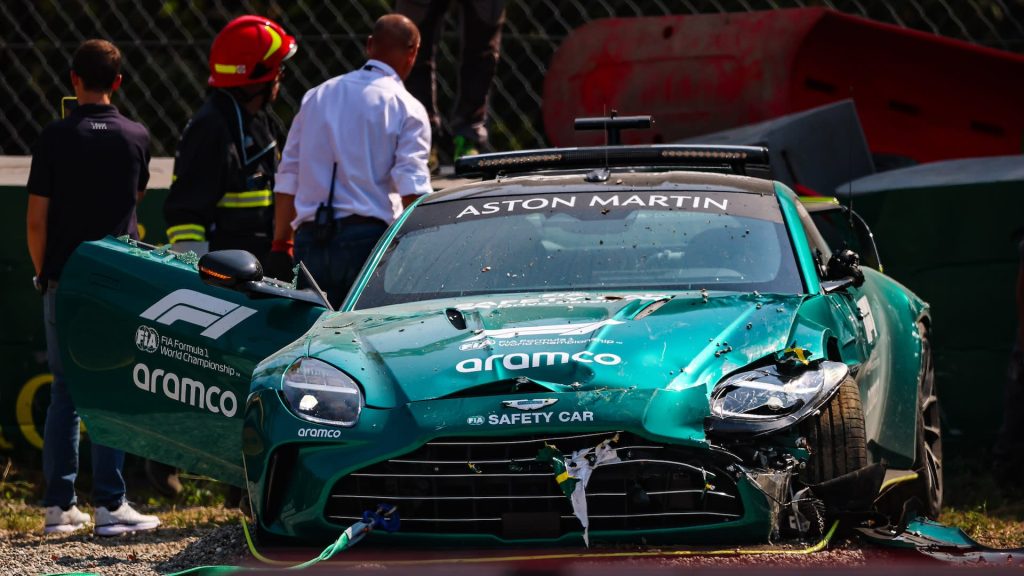
Have you ever wondered if the safety car, the very vehicle meant to protect drivers during chaos on the track, has ever been involved in a crash itself? It sounds almost impossible, right?
The safety car is supposed to keep things calm and controlled, but what happens when the protector becomes part of the problem? If you’re curious about the unexpected twists in Formula 1 history and want to uncover surprising moments you probably never heard of, keep reading.
This story might just change how you see those flashing lights and slow laps on the circuit forever.

Credit: www.reddit.com
Role Of The Safety Car In F1
The safety car plays a crucial role in Formula 1, ensuring that races continue smoothly and safely when unexpected incidents occur. Its presence on the track helps manage risks and maintain order, protecting both drivers and track personnel. Understanding its role gives you insight into how F1 balances speed with safety.
Purpose During Races
The safety car is deployed whenever there’s a hazard on the track, such as a crash, debris, or poor weather conditions. It slows down the race without stopping it, allowing marshals to clear the danger safely. This means drivers must follow the safety car at a controlled speed, keeping close gaps to avoid losing their position unfairly.
Have you ever wondered why drivers often complain about safety car restarts? It’s because timing and positioning become critical when the race picks up pace again. The safety car also prevents reckless overtaking during dangerous moments, making sure everyone stays in line until conditions are safe.
Types Of Safety Cars Used
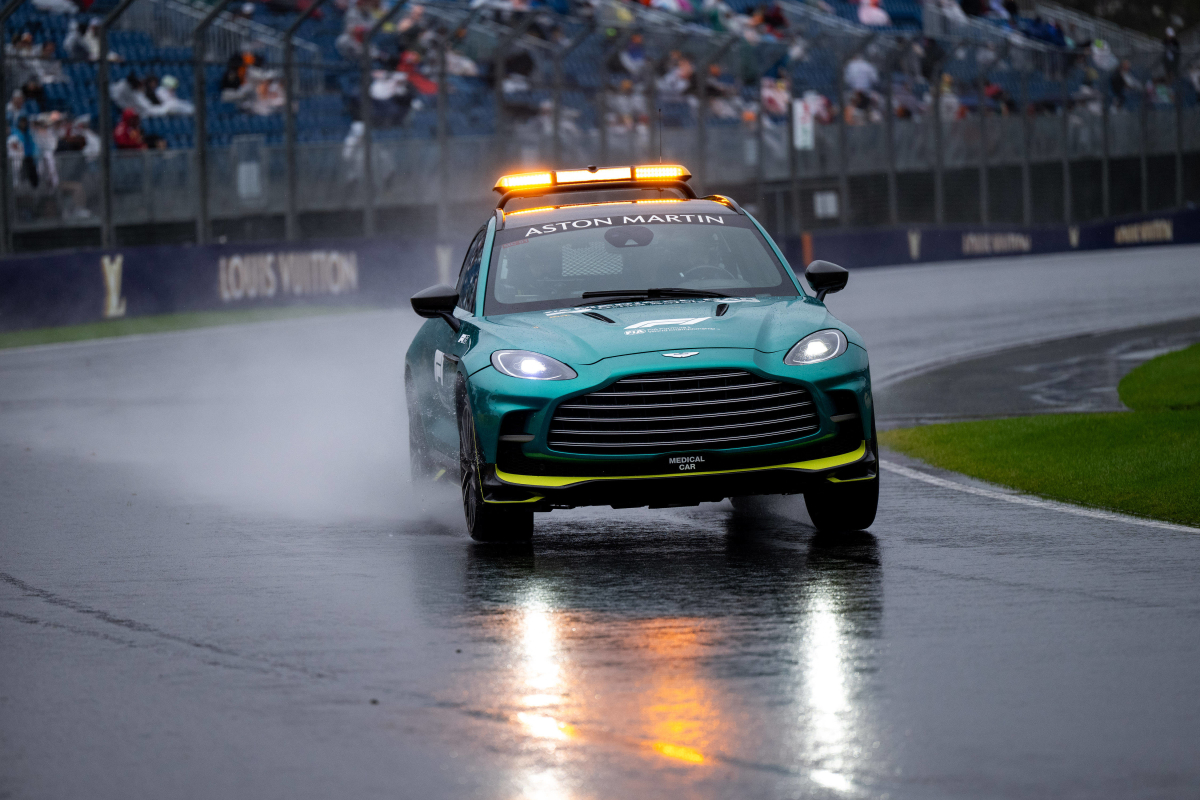
Over the years, F1 has used various models of safety cars, each chosen for its speed, reliability, and ability to handle the track’s demands. Commonly, high-performance sports cars from brands like Mercedes-AMG, Aston Martin, and Porsche are selected. These cars must be fast enough to keep up with F1 cars while maintaining control during tricky track sections.
- Mercedes-AMG GT R:Known for its power and agility, it’s a favorite in recent seasons.
- Aston Martin Vantage:Combines speed with a smooth ride, helping the safety car driver manage the pack.
- Porsche 911 Turbo:Offers excellent handling and acceleration, ideal for quick deployment.
Each safety car is equipped with flashing lights and communication systems to alert drivers instantly. Their choice isn’t just about speed; it’s also about reliability and safety. Next time you watch a safety car lead the pack, consider how much engineering and planning go into that moment.
Credit: www.gpfans.com
Notable Safety Car Crashes
The safety car plays a crucial role in Formula 1, helping to control race pace and keep drivers safe during hazardous conditions. However, even the safety car isn’t immune to mishaps. Over the years, there have been some notable crashes involving the safety car itself, reminding us that safety on the track is a complex challenge.
Early Incidents
In the earlier days of Formula 1, safety car protocols were less refined, which sometimes led to unexpected incidents. One memorable crash occurred during the 1993 South African Grand Prix when the safety car lost control on a wet track. This incident showed how track conditions could affect even the most experienced drivers behind the safety car.
These early accidents raised important questions about the safety car’s speed and the way it enters the track. They highlighted the need for clearer rules and better communication between race control and drivers. Have you ever wondered how such lessons shape today’s safety measures?
Recent Shocking Crashes
Safety car crashes are rarer now but still happen, sometimes with dramatic consequences. In the 2021 Azerbaijan Grand Prix, the safety car was involved in a collision that disrupted the race and left fans stunned. This event underlined how even small mistakes under pressure can lead to major problems on the track.
Recent incidents have pushed F1 to constantly review safety car procedures, including driver training and car handling during race restarts. What can teams and officials do to prevent these rare but impactful crashes? Your attention to these details might change how you watch the next race.
Causes Behind Safety Car Crashes
Safety car crashes in Formula 1 are rare but possible. Understanding the causes helps to improve safety measures. Several factors contribute to these incidents, affecting both the safety car and other vehicles on track.
Track Conditions
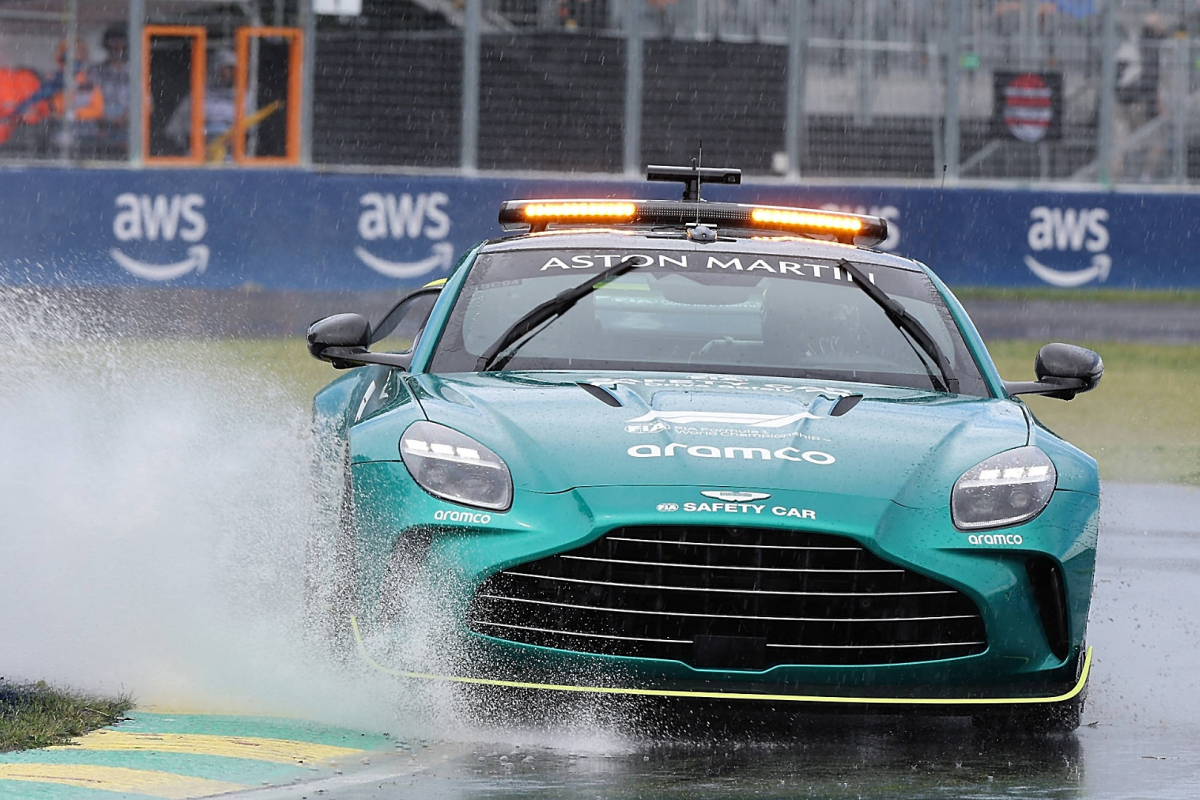
Wet or slippery surfaces increase the risk of losing control. Oil spills or debris can surprise drivers, causing sudden braking or swerving. Narrow or uneven sections of the circuit make maneuvering the safety car more difficult. Poor visibility due to fog or rain also plays a role in accidents.
Driver Errors
Even experienced drivers can make mistakes under pressure. Misjudging distances or speeds leads to collisions. Lack of communication between the safety car driver and race control can create confusion. Overconfidence or distraction might cause slower reactions during critical moments.
Mechanical Failures
Faults in the safety car’s braking system or tires can cause crashes. Engine problems may reduce acceleration, affecting control on the track. Electrical failures might impact steering or other critical functions. Regular maintenance aims to reduce these risks, but mechanical issues still occur.
Impact On Race Outcomes
In Formula 1, the safety car plays a crucial role. It ensures the safety of drivers during dangerous conditions. But what happens if it crashes? Such events can significantly impact race outcomes. The repercussions are manifold and directly affect the race dynamics.
Race Delays And Interruptions
A safety car crash can lead to unexpected race delays. The main track may need clearing. This causes extended interruptions. Teams must wait longer for the race to resume. Drivers may lose their rhythm and focus during these delays. Unforeseen interruptions can be frustrating for drivers and fans alike.
Effect On Driver Strategies
Driver strategies may change after a safety car crash. Teams must quickly adapt to new race conditions. Pit stops might be rescheduled. Tire strategies may need adjustments. Drivers could face increased pressure to maintain positions. A crash may also alter fuel management plans. The unpredictability of such events tests a team’s flexibility.
Safety Improvements After Crashes
Crashes involving the Safety Car in Formula 1, though rare, have prompted important safety improvements over the years. Each incident serves as a reminder that even vehicles designed to enhance safety must be carefully managed. Understanding the changes made after these events can help you appreciate how F1 constantly evolves to protect drivers, officials, and fans alike.
Technological Advances
After Safety Car crashes, F1 teams and officials pushed for better technology to prevent similar incidents. Modern Safety Cars are now equipped with advanced telemetry systems that provide real-time data to race control. This helps monitor the car’s speed, location, and mechanical status continuously.
Improved communication tools also allow the Safety Car driver to receive precise instructions instantly. You might find it interesting that some Safety Cars now use anti-lock braking systems and enhanced traction control to maintain stability during sudden maneuvers. These upgrades reduce the risk of losing control on tricky track sections.
Revised Protocols
Protocol changes often follow after Safety Car incidents to tighten safety rules during race interruptions. For example, stricter speed limits are enforced when the Safety Car is deployed, minimizing chances of accidents. You may wonder how these rules affect race strategy—teams must adapt quickly to these constraints.
Race control has also introduced clearer guidelines on when and how the Safety Car enters and exits the track. This reduces confusion among drivers and prevents unexpected moves that could lead to crashes. Additionally, Safety Car drivers now undergo rigorous training to handle the unique pressures of leading a pack of high-speed race cars.
Credit: www.gpfans.com
Memorable Quotes From Drivers And Officials
The role of the Safety Car in Formula 1 is serious, but sometimes even the professionals behind the wheel share moments of humor, frustration, or insight that stick with fans. Drivers and officials often have sharp, memorable comments that reveal the real challenges and unexpected moments in races involving the Safety Car.
These quotes go beyond the usual race talk. They give you a glimpse into the pressure and the human side of managing safety at high speeds. Let’s look at some of the most notable remarks made over the years.
Quotes From Drivers After Safety Car Incidents
- Lewis Hamilton:“I thought the Safety Car was supposed to be the safe option, not a hazard itself!” This quote came after a tense moment where the Safety Car’s presence caused confusion and nearly led to a crash.
- Max Verstappen:“When the Safety Car is on track, it’s like walking a tightrope—you have to be ready for anything.” Verstappen highlights the constant alertness required during these periods.
- Sebastian Vettel:“Sometimes, the Safety Car feels like an extra competitor you didn’t train for.” This points to the unpredictability and added challenge the Safety Car introduces.
Officials’ Perspectives On Safety Car Challenges
- Race Director Michael Masi:“Our priority is safety, but we must also keep the race fair and exciting. Balancing that is a daily challenge.” This shows the tightrope walk officials perform during Safety Car deployments.
- Stewards at the 2018 Azerbaijan GP:“The Safety Car incident was a reminder: no matter how much you plan, motorsport always throws curveballs.” Their comment reflects the unexpected nature of incidents involving the Safety Car.
- Former FIA Official Charlie Whiting:“Sometimes the Safety Car becomes part of the drama—it’s not just about safety but how it changes the race.” Whiting’s insight reminds you how the Safety Car can shift race dynamics drastically.
What These Quotes Teach You About Racing Safety
These remarks show that even the best drivers and officials face uncertainty when the Safety Car is on track.
It’s a moment where skill, strategy, and calm under pressure all collide. Have you ever wondered how you’d react if you were behind the wheel during a Safety Car incident?
Understanding these perspectives helps you appreciate the complexity of F1 beyond just speed. It’s about quick decisions, teamwork, and managing the unexpected every second.
Frequently Asked Questions
Has The Safety Car Ever Crashed During An F1 Race?
Yes, the Safety Car has crashed in F1 races, though it is very rare. One famous incident occurred in the 2001 Canadian Grand Prix when the Safety Car spun off the track but caused no injuries.
What Causes A Safety Car Crash In Formula 1?
Safety Car crashes usually result from slippery track conditions or driver error. The Safety Car drives at high speed on wet or oily surfaces, increasing the risk of losing control.
How Does A Safety Car Crash Impact An F1 Race?
A Safety Car crash can delay the race and cause additional safety measures. It may lead to extended safety car periods or even race suspension for track cleanup.
Are Safety Car Drivers Specially Trained For F1 Events?
Yes, Safety Car drivers undergo rigorous training to handle high-speed conditions. They must maintain control and ensure the race restarts safely without incidents.
Conclusion
The safety car plays a crucial role in Formula 1 races. Crashes involving the safety car are rare but have happened. These incidents remind us how challenging racing conditions can be. Drivers and teams always focus on safety first. The sport keeps improving rules to avoid such accidents.
Fans enjoy the thrill, yet safety remains the priority. Safety cars help protect drivers during dangerous moments. Their presence ensures races continue smoothly and fairly. Understanding these facts adds depth to F1’s excitement. It shows the balance between speed and safety on track.