
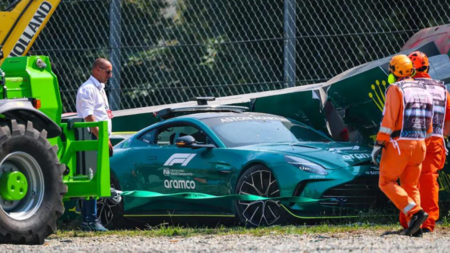
Has a Safety Car Ever Crashed. Have you ever wondered if the very car meant to keep race drivers safe has ever been in an accident itself? The safety car plays a crucial role in high-speed motorsports, guiding drivers through danger and preventing chaos on the track.
But what happens when this trusted vehicle faces trouble? You might be surprised to learn about moments when the safety car lost control or crashed. Keep reading, because the story behind these rare but shocking incidents will change the way you see safety in racing forever.

Credit: www.threads.com
Role Of The Safety Car
The role of the safety car in motorsport is crucial but often overlooked. It acts as the guardian of the track during hazardous situations, maintaining order and protecting drivers. Understanding its function helps you appreciate why its presence is both a relief and a challenge during races.
Purpose In Racing
The safety car’s main job is to slow down the race without stopping it completely. It leads the pack at a controlled speed when there’s an accident, debris, or bad weather on the track. This prevents further crashes while allowing marshals to clear dangers safely.
Think about a race where a sudden crash blocks part of the circuit. Without a safety car, drivers would speed blindly into the hazard. The safety car ensures everyone stays behind it, reducing risk and keeping the competition fair.
Common Procedures
When the safety car is deployed, you’ll notice a few key rules in action. Drivers must form a single line behind it and cannot overtake until it returns to the pits. This keeps the field organized and prevents chaos on the track.
- Drivers reduce speed and keep a safe distance.
- The safety car driver communicates with race control constantly.
- Once the track is clear, the safety car exits, and racing resumes.
Have you ever wondered how the safety car driver handles the pressure? They must balance controlling the pace while staying alert to sudden moves from racers. This role demands skill and calm under fire—qualities that often go unnoticed by fans.

Credit: www.youtube.com
Notable Safety Car Crashes
Safety cars are meant to control race pace and protect drivers during hazardous track conditions. But what happens when the safety car itself faces trouble? Several incidents over the years have shown that even these vehicles aren’t immune to crashes. Let’s look at some notable safety car crashes that have surprised fans and drivers alike.
Historic Incidents
One of the most talked-about historic crashes happened during the 1973 Canadian Grand Prix. The safety car was a pace car that struggled to keep up with the race pace, leading to confusion and mishaps on track. This incident raised questions about the choice and readiness of safety cars in the early days of Formula 1.
Another memorable case was at the 1994 San Marino Grand Prix. The safety car was deployed amidst tragedy, but it later got involved in a minor collision that added to the chaos. This event highlighted the challenges of managing emergency vehicles during high-pressure race moments.
Recent Accidents
Even in recent years, safety car crashes have occurred. At the 2021 Italian Grand Prix, the safety car hit a barrier during a restart, causing a brief delay. This incident reminded everyone that safety cars must be driven with extreme caution, even by highly skilled professionals.
More recently, during the 2023 Monaco Grand Prix, a safety car narrowly avoided a crash with a race car exiting the pit lane. This close call made many fans wonder about the coordination between race control and safety car drivers. Have you ever considered the split-second decisions these drivers must make?
These examples show that safety cars, while essential, come with their own risks. They must balance speed and caution perfectly. What measures do you think could improve safety car performance to avoid such incidents?
Causes Behind Safety Car Crashes
Safety cars play a crucial role in motorsports by controlling race pace during incidents. Despite their purpose, safety cars can crash too. Understanding the causes behind these crashes helps improve safety measures and driver awareness. Various factors can lead to safety car accidents, ranging from human mistakes to technical problems and challenging track environments.
Driver Errors
Driver mistakes are a common reason for safety car crashes. Drivers may misjudge speed or braking distances. Lack of focus or distractions can cause collisions. Sometimes, drivers fail to maintain proper distance from other vehicles. These errors increase the risk of accidents, especially in fast-paced race settings.
Mechanical Failures
Mechanical issues can cause safety car crashes as well. Brake failure or tire problems reduce control over the vehicle. Engine troubles may lead to sudden loss of power. Steering malfunctions affect the car’s handling. Regular maintenance and checks are vital to prevent such failures during races.
Track Conditions
Track surface and weather conditions greatly impact safety car performance. Wet or slippery tracks lower tire grip and control. Debris or oil spills create hazardous spots. Sharp turns and narrow sections increase crash risks. Drivers must adapt quickly to these changing conditions to avoid accidents.
Impact On Race Outcomes
The impact of a safety car crash on race outcomes can be significant. Such incidents often change the flow and strategy of the race. They can cause unexpected delays and force teams to rethink their plans. The safety of drivers is also a major concern in these situations. Crashes involving safety cars have led to new rules to prevent future accidents. These changes affect how races are managed and how drivers behave on track.
Race Delays
A safety car crash usually causes race interruptions. The track may need clearing, which takes time. This delay affects the race schedule and driver focus. Teams use this pause to adjust strategies. Pit stops and tire changes can happen during these breaks. The delay can also change the race’s competitive dynamics.
Driver Safety Concerns
Safety car crashes raise serious safety issues. Drivers expect the safety car to control race speed safely. A crash increases the risk of injury for all involved. It highlights the need for strict safety measures. Drivers become more cautious after such incidents. Teams emphasize safety training and awareness.
Regulation Changes
Crashes involving safety cars have prompted rule changes. Race officials review and update protocols to improve safety. New regulations may include speed limits for safety cars. Communication between race control and drivers has improved. These changes aim to reduce the chance of future accidents. The goal is safer and smoother race management.
Safety Measures For Prevention
Safety measures are key to avoiding accidents involving safety cars on the track. Drivers follow strict rules and stay alert to keep everyone safe during races. Regular checks and clear communication help prevent crashes effectively.
In the high-stakes world of motorsport, the safety car plays a critical role in maintaining order and ensuring the safety of drivers. However, the question arises: has a safety car ever crashed? While rare, such incidents have occurred. This highlights the importance of robust safety measures to prevent these occurrences. Let’s dive into the key strategies used to ensure that safety cars operate flawlessly on the track.
Improved Training
Enhanced training programs for safety car drivers are crucial. Drivers undergo rigorous instruction to sharpen their skills and decision-making abilities under pressure. They learn to handle unexpected situations with precision, reducing the likelihood of mistakes. A personal experience from a motorsport enthusiast might resonate here. Imagine watching a race where a safety car deftly navigated a sudden obstacle. Such moments underscore the importance of training in real-world scenarios.
Technological Advances
Technology is a powerful ally in preventing crashes. Modern safety cars are equipped with advanced systems that monitor vehicle performance and environmental conditions. Features like traction control and stability systems are standard, ensuring optimal handling. Innovation doesn’t stop there. Think about how real-time data analysis helps in making split-second decisions. This technological edge can be the difference between a smooth operation and a potential mishap.
Strict Protocols
Strict protocols are enforced to maintain order and safety. These include precise guidelines on when and how to deploy the safety car, ensuring it integrates seamlessly into the race. Adherence to these protocols is non-negotiable. Consider the meticulous planning that goes into every race. Teams review and rehearse these protocols to prepare for any scenario. This disciplined approach minimizes risks and ensures the safety car fulfills its role effectively. Are there other safety measures you think could be implemented? Your insights could spark a valuable discussion on enhancing motorsport safety even further.
Memorable Driver And Team Reactions
When a safety car crashes during a race, the reactions from drivers and teams are often intense and revealing. These moments expose the raw emotions behind the sport, showing how much is at stake beyond the usual competition. The way drivers and teams respond can influence race dynamics and even future safety protocols.
Statements And Interviews
Drivers involved in or witnessing a safety car crash often share candid thoughts right after the incident. Some express frustration about the unexpected disruption, while others highlight concerns over safety procedures. For example, a driver might say, “It’s ironic that the car meant to keep us safe caused a crash itself.”
Interviews sometimes reveal surprising insights into driver mindset. One racer once admitted that such incidents made them rethink their trust in race control decisions. How would you feel if the safety net you rely on suddenly became a hazard?
Team Strategies Post-crash
Teams quickly adapt their strategies following a safety car crash. Pit stops might be rescheduled, tire choices reconsidered, and driver instructions altered to maximize advantage or minimize risk. These adjustments can turn a potential setback into a strategic opportunity.
Some teams take a cautious approach, prioritizing driver safety and vehicle integrity above all. Others see the chaos as a chance to gain track position. This split in strategy often sparks debates among fans and analysts: is it smarter to play it safe or take risks after such an incident?

Credit: www.youtube.com
Frequently Asked Questions
Has A Safety Car Ever Crashed In Formula 1?
Yes, safety cars have crashed in Formula 1 during races. These incidents are rare but have happened due to high speeds and challenging conditions on track.
What Causes Safety Car Crashes During Races?
Safety car crashes often occur due to wet conditions, driver errors, or sudden braking. The safety car leads at slower speeds, but unexpected situations can still cause accidents.
How Do Safety Car Crashes Impact The Race?
Safety car crashes can cause delays, red flags, or race suspensions. They may also affect race strategies and safety protocols for drivers and teams.
Are Safety Car Drivers Specially Trained?
Yes, safety car drivers undergo special training. They must handle high-speed vehicles under pressure and navigate race tracks safely to protect drivers.
Conclusion
Safety cars play a crucial role in racing safety. Crashes involving safety cars are very rare but can happen. Drivers stay alert to avoid accidents during safety car periods. Racing teams and officials work hard to keep everyone safe. Knowing about safety car incidents helps fans understand race risks.
Racing continues to improve safety measures every year. Safety cars remain essential for protecting drivers on the track.