

You want to keep your child safe every time they ride in the car. But did you know that your Safety First car seat doesn’t last forever?
Using an expired car seat can put your little one at risk. So, when do Safety First car seats expire, and how can you tell? Keep reading to find out crucial facts that could protect your child and give you peace of mind on every trip.
Don’t miss this—your child’s safety depends on it.

Credit: safety1st.com
Car Seat Expiration Basics
Understanding the basics of car seat expiration is crucial for keeping your child safe during every ride. Car seats are not built to last forever, and knowing when your Safety First car seat expires can prevent potential risks. Let’s break down why these seats have expiration dates and what you can expect regarding their lifespan.
Why Car Seats Expire
Car seats expire because over time, the materials they are made from degrade. Plastic components can become brittle, and straps may lose their strength, which can reduce the seat’s ability to protect your child in a crash.
Manufacturers also update safety standards regularly. An expired car seat may not meet the latest safety requirements, leaving you with outdated protection. Have you ever wondered if your seat still meets today’s safety rules?
Additionally, repeated use and exposure to sunlight, heat, and accidents can wear down the seat’s parts. These factors combined make it essential to replace your car seat once it reaches its expiration date.
Typical Lifespan Of Safety First Car Seats
Most Safety First car seats have a lifespan of about 6 to 10 years from the date of manufacture. You can usually find the exact expiration date printed on a label or molded into the plastic shell of the seat.
Knowing your car seat’s manufacture date is key. For example, if your seat was made in 2016 and has a 7-year lifespan, it will expire in 2023. This simple check can save you from unknowingly using an unsafe seat.
Remember, if your seat has been in a moderate or severe car accident, it should be replaced immediately, even if it hasn’t reached the expiration date. Your child’s safety depends on using a seat that is in optimal condition at all times.
Finding Expiration Dates
Finding the expiration date on your Safety First car seat is crucial for your child’s safety. Over time, materials wear down, and safety standards evolve. Knowing exactly where and how to find this date helps you avoid using a seat past its safe lifespan.
Where To Look On The Car Seat
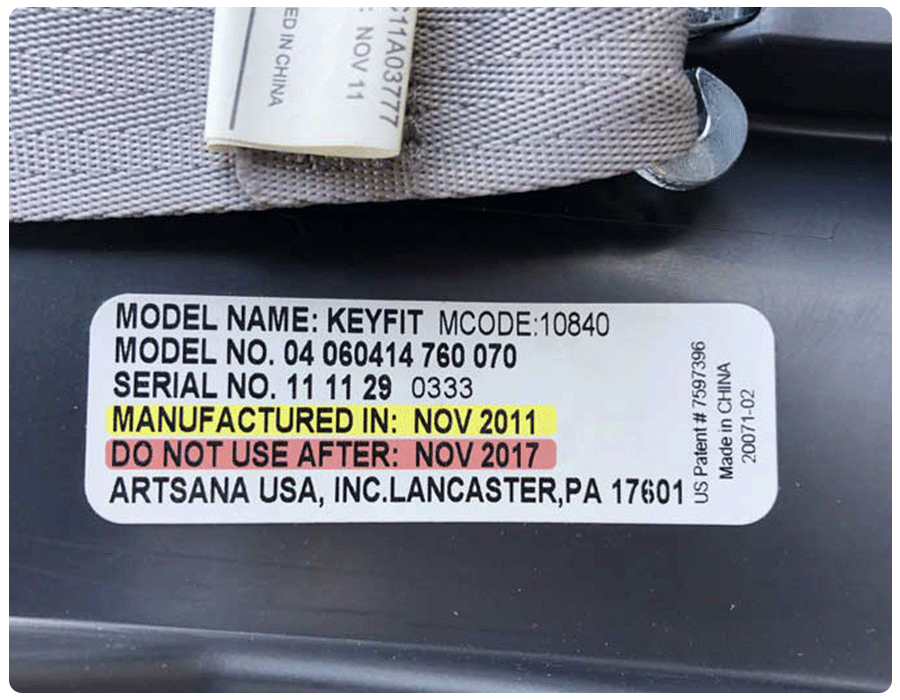
The expiration date on a Safety First car seat is usually located on a sticker or molded directly onto the plastic shell. Check these common spots carefully:
- Back or bottom of the seat base
- Side of the seat near the belt path
- Underneath the seat padding or cover
Sometimes, the date is hidden under removable fabric, so take a moment to peel back the cover. Don’t rely solely on the manual; physical inspection is key. Have you ever missed an expiration because it was tucked away in an odd spot?
Decoding The Date Labels
The expiration date might look like a string of numbers and letters that confuse you at first glance. Usually, you’ll find a clear “EXP” followed by a date or a manufacturing date plus a lifespan period.
| Label Example | What It Means |
|---|---|
| EXP 12/2026 | The car seat expires in December 2026 |
| MFG 03/2020 + 6 years | Manufactured in March 2020; expires in March 2026 |
Keep in mind that if you find only the manufacturing date, you need to add the seat’s lifespan, which is often 6 years but can vary. Missing this step can lead to using an expired seat unknowingly. Have you checked your car seat’s date recently?
Factors Affecting Car Seat Lifespan
Understanding the factors that affect the lifespan of your Safety First car seat is crucial to keeping your child safe. Not all car seats expire simply because of age; several key elements play a role in determining when you need to replace yours. Knowing these factors helps you make informed decisions and avoid using a seat that might no longer provide adequate protection.
Material Wear And Tear
Over time, the materials in your car seat—plastic, fabric, and straps—can degrade. Exposure to sunlight, temperature changes, and regular use causes cracks, fading, and weakening of these materials. Have you ever noticed how the harness straps can fray or the plastic shell can feel brittle? These signs mean the seat might not perform well in a crash.
Regularly inspect your car seat for visible damage. If you spot any tears, missing parts, or stiff straps, it’s a clear signal that the seat’s lifespan is nearing its end. Your child’s safety depends on these materials holding up under stress.
Technological Advances
Car seat technology improves rapidly, often making older models less effective. Features like side-impact protection, energy-absorbing foam, and better harness systems evolve with new research. If your seat is several years old, it might lack these newer safety enhancements.
Ask yourself: Is your current seat offering the best protection available? While your seat may still be within its expiration date, newer models might provide significant safety benefits that older ones can’t match.
Safety Standards Updates
Regulations and safety standards change to reflect new crash test results and safety data. A car seat that met standards five or ten years ago might not comply with today’s stricter requirements. This means your expired seat could be outdated not just physically but legally and technically as well.
Keep an eye on recalls and updates from Safety First and regulatory bodies. Staying informed helps you avoid using a seat that is no longer considered safe by current standards. When was the last time you checked if your car seat model is still recommended?
Credit: www.thebump.com
Risks Of Using Expired Car Seats
Using an expired Safety First car seat can put your child at serious risk. Car seats have a limited lifespan. Over time, their materials and safety features can weaken. This means the seat may not protect your child during a crash like it should.
Understanding the risks helps parents make safer choices. Here are the main dangers of using an expired car seat.
Reduced Crash Protection
Car seats lose their crash protection ability over time. The plastic frame can weaken and crack. This reduces the seat’s strength in an accident. The harness and straps may also wear out. They might not hold your child securely anymore.
Component Degradation
Parts like buckles, padding, and straps break down with age. Exposure to heat, sunlight, and moisture speeds this process. Worn components might fail when you need them most. This puts your child at higher risk during travel.
Lack Of Manufacturer Support
Expired car seats no longer receive updates or recalls from the maker. Safety standards and designs change over time. Using an old seat means missing out on newer safety improvements. Also, you cannot get help if the seat has a defect.
Extending Car Seat Use Safely
Safety First car seats have expiration dates, usually around six years from manufacture. Using seats past this date can reduce protection during a crash. Always check the label to ensure your child’s seat is safe and effective.
Extending the lifespan of a car seat ensures safety and value. Safety First car seats have expiration dates for a reason. Over time, materials can degrade, affecting the seat’s protective capabilities. But with proper care and attention, you can maximize the safe usage period. This section will guide you on how to extend the use of your car seat safely.
Regular Inspection Tips
Check the car seat for cracks or warping regularly. Look closely at the harness and straps for wear. Ensure the buckle clicks securely and without resistance. Examine the padding for signs of deterioration. Review the instruction manual often to understand the manufacturer’s guidelines. Stay informed about any recalls related to your car seat model.
Proper Maintenance Practices
Keep the car seat clean using mild soap and water. Avoid harsh chemicals that can damage materials. Store the car seat in a cool, dry place when not in use. Protect it from prolonged sunlight exposure, which can weaken components. Tighten screws and bolts occasionally to ensure stability. Always refer to the manual for specific cleaning and maintenance instructions.

Credit: francisurology.com
Replacing Your Safety First Car Seat
Replacing your Safety First car seat is a crucial decision that directly affects your child’s safety. Car seats don’t last forever, and knowing when to swap out your current model can prevent accidents and injuries. It’s important to stay vigilant and recognize the right time to upgrade or replace the seat.
Signs It’s Time To Replace
Car seats have expiration dates, usually printed on the label or molded into the plastic shell. If your Safety First car seat is past this date, it’s time to replace it. Using an expired seat means the materials could have weakened, reducing its ability to protect your child.
Other signs include visible damage like cracks or broken parts. If your car seat was involved in a moderate or severe crash, even without visible damage, you should replace it. Safety First recommends replacing the seat to ensure it hasn’t been compromised.
Also, check for recalls. If your model has an active recall and you haven’t fixed it or replaced the seat, consider swapping it out immediately. Age, damage, crash history, and recalls are clear indicators that your child’s safety depends on a new car seat.
Choosing The Right New Car Seat
When picking a new car seat, focus on your child’s current size and weight rather than just their age. Safety First offers seats for different stages, from infant to booster, so choose one that fits your child comfortably and securely.
Look for easy installation features. A seat that’s simple to install reduces the chance of errors that could compromise safety. Models with clear instructions and simple harness adjustments make daily use easier for you.
Consider extra features like removable covers for washing or side-impact protection for added safety. Don’t forget to check the expiration date on the new seat before purchasing. Your child’s safety depends on a car seat that fits well, installs easily, and meets the latest safety standards.
Frequently Asked Questions
When Do Safety First Car Seats Typically Expire?
Safety First car seats usually expire 6 to 10 years after manufacture. Check the label for the exact expiration date.
How Can I Find My Car Seat’s Expiration Date?
Look for a label or molded date on the car seat. It shows the manufacture and expiration dates clearly.
Why Do Safety First Car Seats Have Expiration Dates?
Materials degrade over time, reducing safety. Expiration ensures the seat meets current safety standards.
Can I Use An Expired Safety First Car Seat?
No, using an expired car seat is unsafe and not recommended. Always replace expired seats for child safety.
Conclusion
Safety First car seats have expiration dates for your child’s safety. Check the label on the seat to find the exact expiry. Using an expired car seat can reduce protection in crashes. Always replace seats once they reach their expiration date.
Keep the manual for reference and safety tips. Staying aware helps keep your child safe on every ride. Don’t take risks with old car seats. Safety matters most, so update seats as needed. Simple steps make a big difference in car safety.