
Are you sure your child is safe every time they get in the car? Knowing how long kids need to stay in car seats isn’t just about following rules—it’s about protecting your most precious passenger.
You want to keep your child safe without overcomplicating things or guessing when to switch to the next seat. You’ll discover clear, easy-to-follow guidelines that help you make the best choice for your child’s safety and comfort. Keep reading, because this simple knowledge could make all the difference on your next drive.
Car Seat Laws By Age And Weight
Car seat laws vary based on a child’s age and weight. These rules help keep kids safe during every trip. Understanding these laws is important for every parent and caregiver. They guide which car seat to use as children grow.
Each stage has specific requirements to protect children properly. Following these laws reduces the risk of injury in accidents. Laws may differ by state but share common safety goals.
Infant Car Seat Requirements
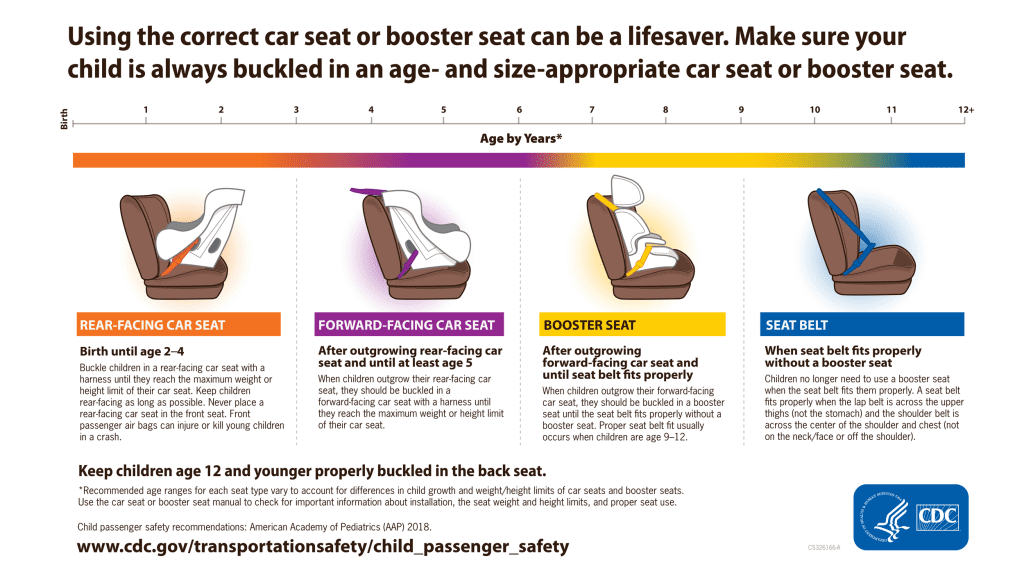
Infants must ride in rear-facing car seats. This position supports their head, neck, and spine. Rear-facing seats are for babies up to at least 2 years old. Weight limits usually range from 4 to 35 pounds. Always check the car seat label for exact limits.
Toddler Car Seat Guidelines
Toddlers transition to forward-facing car seats with a harness. This change happens after outgrowing rear-facing limits. Toddlers should remain in forward-facing seats until they reach 40 to 65 pounds. Harness straps must fit snugly for maximum protection. Many laws recommend keeping the harness on as long as possible.
Booster Seat Age Limits
Booster seats are for older children who outgrow harness seats. Usually, kids aged 4 to 8 use booster seats. Weight limits often start at 40 pounds and go up to 100 pounds. Booster seats position the seat belt correctly across the child’s body. Children should stay in boosters until seat belts fit properly without help.
Types Of Car Seats
Choosing the right car seat is vital for child safety. Car seats come in different types. Each fits a specific age and size range. Understanding these types helps parents keep children secure on the road.
Rear-facing Seats
Rear-facing seats are for infants and toddlers. They support the head, neck, and spine better in a crash. Kids should stay rear-facing as long as possible. Most experts recommend until at least age 2.
Forward-facing Seats
Forward-facing seats are for older toddlers and preschoolers. These seats have a harness system to keep kids secure. Children should use these seats until they outgrow the height or weight limits.
Booster Seats
Booster seats raise children to fit seat belts properly. They are for kids who outgrow forward-facing seats. Kids usually use boosters until seat belts fit without a booster, often around age 8 to 12.
When To Transition Between Seats
Knowing the right time to change your child’s car seat is key for safety. Each stage of car seat use matches a child’s growth and development. Changing seats too early or too late can be risky. Parents should watch for signs and meet safety rules to decide the next step.
Signs To Move From Rear-facing To Forward-facing
- Child reaches the height or weight limit of the rear-facing seat.
- Child is at least 2 years old, as recommended by safety experts.
- Child’s head is less than 1 inch from the top of the seat.
- Child can sit upright without slouching or leaning forward.
Criteria For Switching To Booster Seats
- Child outgrows the forward-facing seat’s height or weight limits.
- Child is usually at least 4 years old.
- Child can sit with their back against the car seat and knees bent at the edge.
- Child fits properly with the car’s seat belt: lap belt low on hips and shoulder belt across chest.
Moving Out Of Booster Seats Safely
- Child is at least 8 years old or 4 feet 9 inches tall.
- Seat belt fits properly without the booster seat.
- Child can sit still and keep the seat belt in the right place.
- Child understands the importance of wearing the seat belt on every ride.
Proper Installation And Fit
Proper installation and fit are key for child car seats. They keep children safe during every trip. A poorly installed car seat can fail in a crash. The right fit helps protect your child from injury. Understanding how to install and adjust the seat is vital. Small details make a big difference.
Checking Seat Belt Positioning
Seat belts must sit correctly on the child and seat. The belt should lie flat and not twist. The lap belt goes low across the hips. The shoulder belt crosses the chest, away from the neck. Check that belts follow the car seat guides. Proper positioning prevents injuries in sudden stops.
Ensuring Correct Harness Tightness
The harness must be snug but not too tight. You should not be able to pinch the strap at the shoulder. Loose straps allow too much movement. Too tight straps can cause discomfort or injury. Adjust straps after every use to keep the right fit. Make sure the chest clip is at armpit level.
Common Installation Mistakes
- Using the wrong belt path for the child’s age and size
- Not locking the seat belt or LATCH system properly
- Placing the chest clip too low or too high
- Leaving harness straps twisted or loose
- Installing a seat in a reclined position not allowed by the manual
Review the car seat manual carefully. Double-check the installation every time. Safety depends on correct use and fit.
Safety Tips For Car Seat Use
Ensuring the safety of children in car seats is crucial. Proper usage can prevent injuries during travel. Follow these tips to keep children safe and secure.
Avoiding Loose Straps And Padding
Check car seat straps for tightness regularly. Loose straps can compromise safety. Make sure they fit snugly against the child’s chest. Avoid using extra padding that didn’t come with the seat. Extra padding can affect strap tightness and security.
Regular Seat Inspection
Inspect the car seat before every use. Look for cracks or wear in the seat materials. Ensure the buckles and straps function correctly. Check the seat’s installation to confirm it’s secure. Follow the manufacturer’s guidelines for maintenance and replacements.
Traveling Safely With Multiple Children
Arrange car seats so each child is safe. Install each seat according to its specific guidelines. Ensure children are seated and buckled before starting the car. Keep an eye on all children during the trip. Use mirrors to check on rear-facing seats.
Special Considerations
Special considerations come into play when deciding how long your child needs to stay in a car seat. Each child’s needs can vary based on health, travel habits, and safety history. Understanding these nuances helps you keep your child both comfortable and secure on every trip.
Car Seats For Premature Or Small Babies
Premature or small babies often require extra attention when it comes to car seats. Their fragile bodies might need specialized inserts or seats designed for smaller sizes to provide the right support.
Consult your pediatrician about the best options for your baby’s size and development stage. It’s crucial to ensure the car seat supports their head, neck, and spine properly to avoid any risk during travel.
Handling Car Seat Use During Travel
Traveling with your child means you might face longer trips or unfamiliar vehicles. Make sure you have a car seat that is easy to install and adjust, so your child remains safely buckled throughout the journey.
Consider packing extras like a sunshade or a mirror to keep an eye on your child without turning around. Have you ever struggled with installing a car seat in a rental? Planning ahead can save you stress and keep your child secure.
Replacing Car Seats After Crashes
After any car crash, even a minor one, it’s important to replace the car seat. The impact can weaken the seat’s structure, making it unsafe for future use.
Check the manufacturer’s guidelines for your specific car seat model. Some recommend replacement after any collision, while others may allow continued use if the seat shows no visible damage.
Are you keeping records of your car seat’s purchase and crash history? This information can be vital when deciding whether to replace it or not.

Credit: www.safetyandhealthmagazine.com
Frequently Asked Questions
How Long Should Kids Stay In Rear-facing Car Seats?
Kids should stay rear-facing until at least age 2 or until they reach the seat’s height or weight limit. Rear-facing seats provide better head and neck protection during crashes. Following manufacturer guidelines ensures maximum safety for toddlers in vehicles.
When Can Kids Switch To Forward-facing Car Seats?
Children can switch to forward-facing car seats after outgrowing rear-facing limits, usually around age 2 to 4. Forward-facing seats with a harness offer strong protection. Always follow your car seat’s specific height and weight recommendations for safe transitions.
At What Age Can Kids Use Booster Seats?
Kids typically start booster seats between ages 4 and 7, after outgrowing forward-facing seats. Booster seats position the seat belt correctly on a child’s body. Use boosters until the vehicle’s seat belt fits properly without assistance, usually around 8 to 12 years.
When Can Kids Stop Using Car Seats Altogether?
Children can stop using car seats when the vehicle’s seat belt fits them properly. This usually occurs when they reach 4 feet 9 inches tall and are 8 to 12 years old. Proper seat belt fit is crucial for safety during car rides.
Conclusion
Car seats keep children safe on every trip. Follow age, height, and weight rules carefully. Use rear-facing seats for babies as long as possible. Switch to forward-facing seats when kids outgrow rear-facing ones. Booster seats help older children fit seat belts properly.
Always check your state’s car seat laws. Safety matters more than convenience. Proper use reduces injury risks. Keep kids secure until they no longer need car seats. Stay informed and protect your children on the road. Safety first, every time.