

You want to keep your baby safe every time you hit the road. But how do you know when it’s time to change your baby’s car seat?
Using a car seat that’s too small or too old can put your little one at risk. On the other hand, switching too soon might mean missing out on the best protection. You’ll discover the key signs that tell you when it’s time to upgrade your baby’s car seat.
Keep reading to ensure your child travels safely and comfortably every mile of the way.
Signs Your Baby Car Seat Needs Replacing
Knowing when to replace your baby car seat is crucial for your child’s safety. Car seats don’t last forever, and using one past its prime can put your little one at risk. Watch for clear signs that it’s time to get a new seat before a potential problem arises.
Expiration Dates And Manufacturer Guidelines
Every baby car seat has an expiration date printed on it, usually found on a sticker or molded into the plastic. This date is not just a suggestion—it’s based on safety testing and material durability. Using a seat past its expiration means the materials could weaken, making it less safe in a crash.
Have you checked your car seat’s manual or the manufacturer’s website for specific guidelines? Some companies recommend replacing seats after a certain number of years, even if they look fine. Always follow these rules to avoid hidden risks.
Visible Wear And Damage
Inspect your car seat regularly for cracks, frayed straps, broken buckles, or missing parts. Even small damage can compromise the seat’s ability to protect your child. If you spot any signs of wear, it’s time to consider a replacement.
Think about the last time you cleaned the seat—did you notice anything unusual? A worn harness or faded fabric might indicate the seat is aging. Don’t ignore these details; they matter more than you think.
After A Car Accident
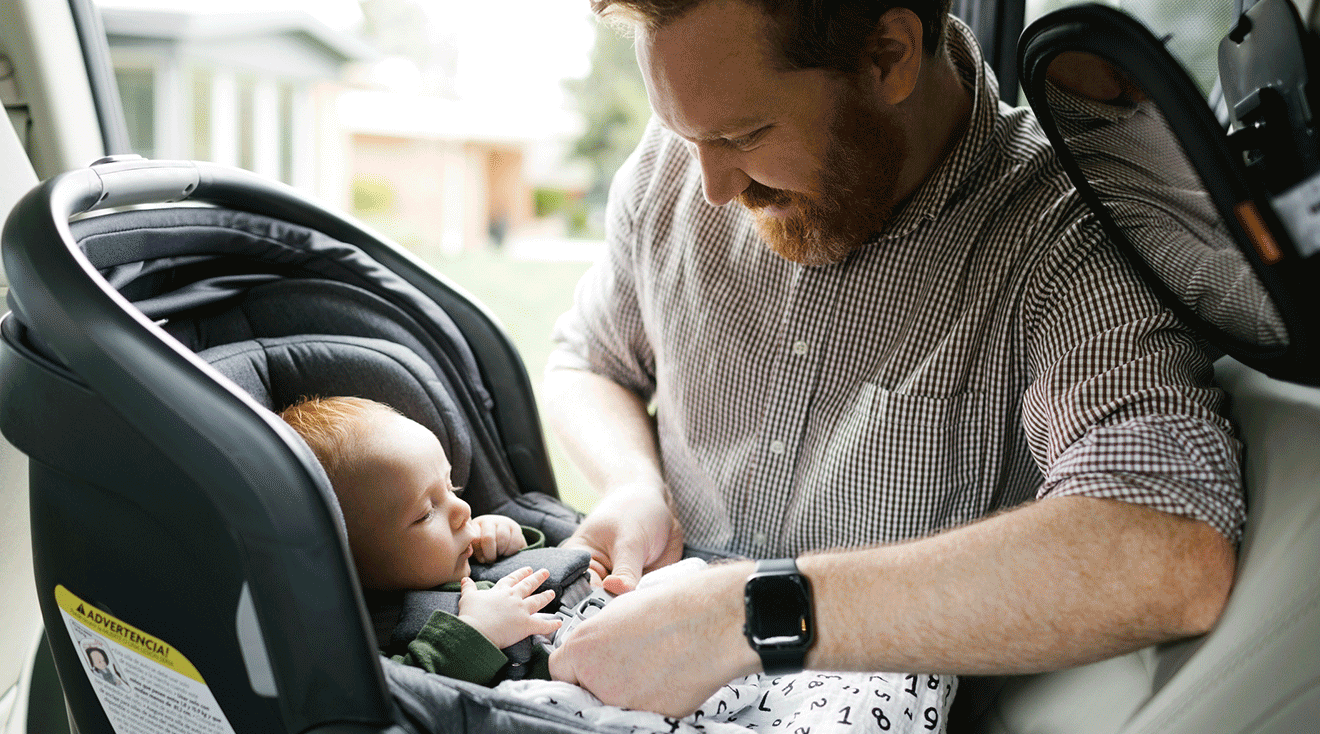
Any car seat involved in a crash should be replaced immediately, even if it looks undamaged. The impact can cause invisible structural damage that weakens the seat’s safety features. Your child deserves the best protection, so don’t take chances.
Have you ever wondered if a minor fender bender requires a new seat? The safest move is to replace it after any accident, no matter how small. It’s a small price to pay for peace of mind and your child’s security.
Credit: www.thebump.com
Age And Weight Limits To Watch
Knowing when to change your baby’s car seat is crucial for their safety. Age and weight limits are key markers that help you decide the right time to switch. Ignoring these limits can put your child at risk, so understanding them is a must for every parent.
Rear-facing Seat Limits
Rear-facing seats are designed for infants and toddlers because they offer the best protection for a young child’s head, neck, and spine. Most seats support children up to 40 pounds, but this can vary depending on the model. You should keep your child rear-facing as long as possible—many experts suggest until at least age 2.
Have you checked the labels on your car seat lately? Some newer models can hold children rear-facing up to 50 pounds. Don’t rush to turn your child forward-facing just because they seem too big; safety guidelines prioritize weight and height over age alone.
Forward-facing Seat Limits
Once your child outgrows the rear-facing limits, it’s time to move to a forward-facing seat with a harness. These seats usually support children from about 22 to 65 pounds. However, weight and height limits vary widely, so always refer to your seat’s manual.
It’s common to think that once your child reaches a certain age, they are ready to switch. But a 4-year-old may still need the harness if they haven’t reached the forward-facing limits. Remember, a snug harness is far safer than a loose belt.
Booster Seat Transition
Booster seats are the next step after forward-facing harness seats, designed for kids who have outgrown the harness limits but are not yet tall enough for seat belts alone. Most booster seats support children from 40 to 100 pounds.
Many parents underestimate the importance of staying in a booster until the child fits the vehicle’s seat belt properly—usually when they are about 4 feet 9 inches tall. Skipping this step can cause the seat belt to sit incorrectly, risking injury in a crash.
Are you sure your child’s seat belt fits well without a booster? If the lap belt rides up on the stomach or the shoulder belt crosses the neck, it’s time to keep using a booster.
How To Choose The Right Car Seat
Choosing the right baby car seat is crucial for your child’s safety and comfort during every ride. It’s not just about picking a seat from the store shelf; you need to consider several key factors that match your child’s unique needs. Making the right choice can save you from costly mistakes and ensure peace of mind on the road.
Matching Seat To Child’s Size
Every car seat comes with weight and height limits. You should check these limits carefully to see if they fit your child’s current size. A seat that is too small can be uncomfortable and unsafe, while one that’s too big might not provide enough support.
Think about your child’s growth rate. If your baby is growing fast, look for seats with adjustable harnesses and multiple recline positions. This flexibility allows the seat to grow with your child, extending its usability and ensuring a snug fit at all times.
Checking Safety Ratings
Safety ratings are your best guide to understanding how well a car seat protects your child in a crash. Look for seats that have passed rigorous crash tests and have high safety scores from trusted organizations.
Don’t rely solely on labels. Visit websites like the National Highway Traffic Safety Administration (NHTSA) or Consumer Reports to compare ratings. These sources often reveal real-life performance details that manufacturers might not highlight.
Ease Of Installation
You might not realize how important ease of installation is until you struggle to secure a car seat properly. A complicated installation increases the chance of errors, which can compromise safety.
Choose a car seat with clear instructions and user-friendly features like color-coded belt paths or LATCH connectors. If possible, try installing the seat yourself before buying it or watch installation videos online to get a feel for the process.
Have you ever struggled with a car seat installation that made you question your choice? Don’t let frustration be a sign you need a different model—your child’s safety depends on a secure fit every time.
Common Mistakes To Avoid
Choosing the right time to change your baby’s car seat is crucial for safety. Many parents make avoidable mistakes that put their child at risk. Understanding these common errors helps keep your baby secure during every ride.
Using Expired Seats
Car seats have expiration dates for safety reasons. Over time, materials can weaken and fail in a crash. Using an expired seat reduces protection for your child. Always check the label for the expiration date. Replace the seat promptly once it passes this date.
Ignoring Seat Recalls
Manufacturers recall seats with safety defects. Ignoring these recalls can endanger your baby. Regularly check if your seat has been recalled. Follow the instructions given by the manufacturer to fix or replace the seat. Staying updated ensures your child’s safety remains a priority.
Incorrect Harness Adjustments
The harness keeps your child snug in the seat. Loose or too tight harnesses reduce effectiveness in a crash. Adjust the straps so they fit snugly without pinching the skin. Position the harness at or below your baby’s shoulders for rear-facing seats. Proper harness use improves safety significantly.
Tips For Safe Car Seat Installation
Check your baby car seat’s weight and height limits to know the right time to switch. Expired seats or those with damage should be replaced immediately for safety. Always ensure the new seat fits your child’s current size and your vehicle properly.
When it comes to your baby’s safety, car seat installation is crucial. Installing a car seat correctly ensures your child is protected during travel. Here are some essential tips to help you secure the car seat effectively.Proper Seat Positioning
Place the car seat in the back seat. This is the safest spot for your baby. Make sure it faces the rear of the vehicle. A rear-facing position offers better protection for your child’s head, neck, and spine.Securing The Harness
Ensure the harness is snug against your child’s body. The straps should lie flat and not twist. The chest clip should be at armpit level. This positioning helps distribute force evenly in case of a collision.Utilizing Latch System
Use the LATCH system if your vehicle supports it. LATCH stands for Lower Anchors and Tethers for Children. It allows for easier and more secure installation. Follow your car seat and vehicle manuals for guidance. This ensures proper usage and maximizes safety for your little one.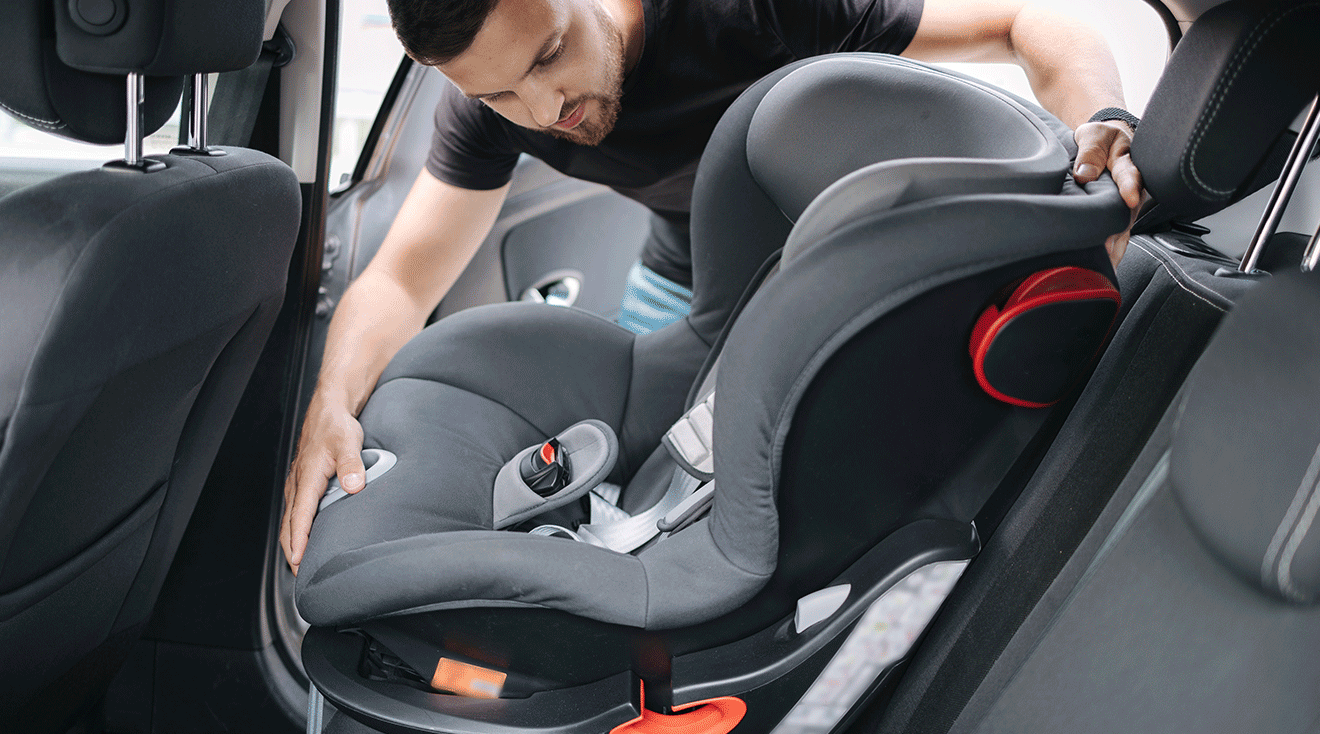
Credit: www.thebump.com
When To Transition Between Seat Types
Knowing the right time to switch your child’s car seat can feel overwhelming. Each transition marks a step toward more independence and safety for your little one. Recognizing the signs and guidelines for each stage helps you keep your child secure without unnecessary delays.
From Rear-facing To Forward-facing
Children should remain rear-facing as long as possible because it offers the best protection for their head, neck, and spine. Most experts recommend waiting until your child reaches the maximum height or weight limit set by the car seat manufacturer before turning the seat forward.
Have you checked your car seat’s manual lately? It often provides specific limits that matter more than age alone. Remember, switching too early can increase the risk of injury in a crash.
From Forward-facing To Booster
Once your child outgrows the forward-facing seat with a harness, it’s time to move to a booster seat. Typically, this happens when they exceed the height or weight limits for their forward-facing seat.
Boosters help position the vehicle’s seat belt correctly across your child’s chest and hips. This stage may require patience, as your child must understand how to sit properly without slouching or leaning.
From Booster To Seat Belt
Transitioning out of a booster seat happens when your child can wear a seat belt properly without it slipping off. Key signs include:
- The lap belt lies flat across the upper thighs, not the stomach.
- The shoulder belt crosses the chest, not the neck or face.
- Your child can sit with their back against the car seat and knees bent comfortably at the edge.
Ask yourself: does your child meet these criteria every time they ride? If not, keep the booster in place to avoid compromising safety.

Credit: rollercoaster.ie
Frequently Asked Questions
When Should I Change My Baby Car Seat?
Change your baby car seat when your child outgrows the weight or height limits. Also, replace it if it’s expired, damaged, or involved in a crash. Always follow manufacturer guidelines for safety and proper use.
How Do I Know If My Car Seat Is Expired?
Check the car seat label or manual for the expiration date. Most seats expire after 6 to 10 years. Using an expired seat can reduce protection, so always replace it before the expiry date.
Can I Use A Car Seat After A Crash?
No, always replace a car seat after any crash. Even minor collisions can weaken its structure. Using a compromised seat risks your child’s safety.
When Should I Switch From Rear-facing To Forward-facing?
Switch to forward-facing when your child exceeds rear-facing height or weight limits. Experts recommend keeping children rear-facing as long as possible for better protection.
Conclusion
Changing your baby car seat at the right time keeps your child safe. Check the seat’s weight and height limits often. Watch for recalls or damage on the seat. When your baby outgrows the current seat, it’s time to switch.
Always follow the car seat manual and safety rules. A proper car seat protects your child in every ride. Stay alert and update the seat as your baby grows. Safety matters most on every trip.