
Why Does My Battery Keep Dying in My Car. Have you ever turned the key in your car, only to hear that dreaded click or nothing at all? A dead battery can ruin your day and leave you stranded when you least expect it.
But why does your car battery keep dying? Understanding the reasons behind this common problem can save you time, money, and frustration. You’ll discover the surprising causes that might be draining your battery and simple steps you can take to fix the issue for good.
Keep reading—your car’s health depends on it.

Credit: burtbrothers.com
Common Battery Issues
Car batteries often fail due to common issues that affect their performance. Understanding these problems helps in preventing unexpected battery drain. Many drivers face battery troubles because of simple, fixable causes. Below are some frequent reasons why a battery might keep dying.
Age And Wear
Batteries have a limited lifespan, usually three to five years. Over time, the battery’s ability to hold a charge weakens. Wear and tear cause internal components to degrade. Old batteries struggle to start the engine or power electrical systems. Replacing an aged battery often solves recurring power failures.
Corroded Connections
Corrosion appears as a white or greenish powder on battery terminals. It blocks the flow of electricity, reducing battery efficiency. Corroded connections cause slow starting or complete power loss. Cleaning terminals with a mixture of baking soda and water restores proper contact. Regular checks prevent corrosion buildup and extend battery life.
Loose Terminals
Loose battery terminals create poor electrical contact. Vibrations during driving can loosen clamps over time. Loose connections lead to intermittent power and starting problems. Tightening the terminals ensures a solid link between the battery and car. This simple fix can prevent many battery-related issues.
Electrical System Problems
Electrical system problems often cause a car battery to die quickly. The battery relies on the electrical system to keep it charged. If any part of this system fails, the battery cannot maintain its power. This section covers common electrical issues that drain the battery and reduce its lifespan.
Faulty Alternator
The alternator charges the battery while the engine runs. A faulty alternator cannot supply enough power. This causes the battery to lose charge over time. Signs include dim lights and warning dashboard lights. Ignoring alternator issues leads to a dead battery and car breakdown.
Parasitic Drain
Parasitic drain happens when electrical devices keep running after the engine stops. Examples include interior lights, radios, or alarms left on. This constant power use drains the battery slowly. Even small drains add up, causing battery failure. Finding and fixing parasitic drains saves battery life.
Malfunctioning Starter
The starter uses a lot of battery power to start the engine. A malfunctioning starter may draw more power than usual. This excessive draw quickly drains the battery. Problems with the starter include slow engine cranking or clicking noises. Replacing a bad starter restores proper battery use.
Environmental Factors
Your car battery’s health is deeply affected by environmental factors. These conditions can silently drain your battery without you noticing until your car won’t start. Understanding these influences can help you protect your battery and avoid unexpected breakdowns.
Extreme Temperatures
Both scorching heat and freezing cold can harm your battery’s performance. Heat speeds up chemical reactions inside the battery, causing fluid to evaporate and damaging its plates. Cold weather, on the other hand, slows down the battery’s chemical activity, reducing its ability to provide enough power to start your engine.
If you’ve ever struggled to start your car on a frosty morning, you’ve experienced this firsthand. Protect your battery by parking in a garage or using battery insulation kits when temperatures drop or soar.
Frequent Short Trips
Short drives might seem harmless, but they can leave your battery undercharged. Your alternator needs time to recharge the battery after starting the engine. Quick trips don’t allow enough time for this process, gradually draining your battery over several days.
Think about your daily routine. Are you often running errands nearby or making frequent stops? Try taking longer drives occasionally to let your battery recharge fully.
Long Periods Of Inactivity
Leaving your car unused for days or weeks can cause the battery to slowly lose its charge. Even when the car is off, small electrical components like clocks and alarms draw power. Over time, this drain can leave your battery too weak to start the engine.
If you don’t drive your car regularly, consider using a battery maintainer or disconnecting the battery to preserve its charge. How long has your car been sitting idle lately?

Credit: www.reddit.com
Driver Habits Impacting Battery Life
Your daily driving habits can have a bigger impact on your car battery than you might expect. Small actions, repeated often, drain your battery faster and reduce its overall lifespan. Understanding these habits helps you take control and avoid unexpected battery failures.
Leaving Lights On
Have you ever accidentally left your headlights or interior lights on overnight? This is one of the most common ways to drain a car battery quickly. Even a few hours of lights left on can sap enough power to prevent your car from starting the next day.
It’s easy to forget, especially if you’re in a rush or distracted. Try to make it a habit to double-check your lights before locking the car. Adding a reminder note near your steering wheel might save you from a dead battery.
Using Electronics While Engine Off
Using your radio, charging devices, or running other electronics when the engine is off also drains the battery. Unlike when the engine is running, the alternator isn’t recharging the battery during this time. This means all power comes directly from the battery.
Consider how often you use electronics without the engine. Even short periods can add up, especially if your battery is already weak. Could you wait to use these features until the engine is running? It’s a small change that can make a big difference.
Infrequent Maintenance
Ignoring regular battery maintenance can accelerate battery failure. Corrosion on battery terminals, loose connections, or failing to check battery health leave you vulnerable to sudden dead batteries. These issues often build up quietly until your car won’t start.
Simple maintenance steps like cleaning terminals and testing battery voltage during oil changes keep your battery in better shape. If you haven’t checked your battery in over a year, consider scheduling a quick inspection. Could regular maintenance be the key to avoiding your battery troubles?
Signs Of A Dying Battery
Car struggles to start or lights dim quickly. Strange smells or corrosion on battery terminals appear. Frequent dead battery moments signal it’s time for a check.
There’s nothing more frustrating than a car that won’t start. A dying battery is often the silent culprit behind this inconvenience. Recognizing the early signs of a failing battery can save you from unexpected breakdowns and costly repairs. Here are some telltale signs your car battery might be on its last legs.
Slow Engine Crank
When you turn the ignition key and the engine cranks sluggishly, your battery might be struggling. This slow crank can be a clear signal that your battery is losing its ability to hold a charge. Imagine waking up late for an important meeting, rushing to your car, only to hear that hesitant, slow engine crank. It’s not just an annoyance; it’s a warning sign.
Dim Headlights
Notice that your headlights seem less bright than usual? Dim headlights often point to a weak battery. Driving at night or in dim conditions with reduced visibility is not just a hassle, but also a safety risk. Next time you’re parked in your garage, switch on the headlights and observe. If they look like they’re fading to black, it’s time to check that battery.
Electrical Failures
Your car is a hub of electrical components that rely heavily on the battery. If the radio stops playing, power windows roll up slowly, or dashboard lights flicker, these are red flags. A failing battery struggles to power these systems efficiently. Ask yourself: Can you afford to wait until more components fail? Addressing these signs early can keep you cruising smoothly. By catching these signs early, you can prevent the hassle of being stranded and ensure your car is always ready to go. Always listen to what your car is telling you.

Credit: www.youtube.com
Preventing Battery Drain
Preventing battery drain is key to avoiding the frustration of a car that won’t start. Your car’s battery is like its heart, and keeping it healthy requires some simple habits and attention. You might be surprised how small changes in how you care for your battery can extend its life significantly.
Regular Testing And Maintenance
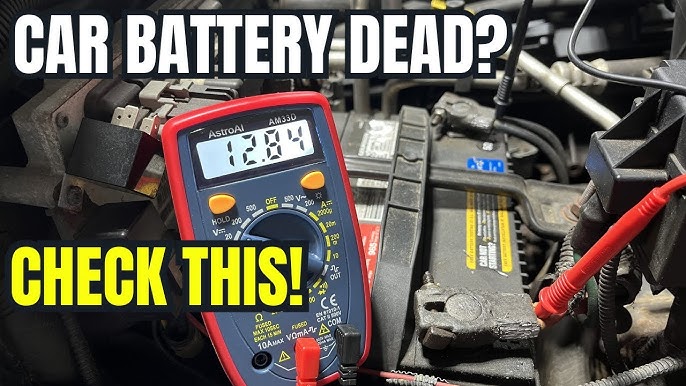
Checking your battery regularly helps catch problems before they leave you stranded. Use a multimeter to measure voltage or visit a mechanic for a professional test every few months. Clean any corrosion around the terminals with a baking soda solution and a brush to maintain a strong connection.
Have you noticed how a neglected battery often dies faster? This is because dirt and corrosion increase resistance and reduce power output.
Proper Charging Techniques
Charging your battery correctly prevents overcharging or undercharging, both of which shorten battery life. Avoid leaving your car unused for long periods; if you must, use a trickle charger to keep the battery at an optimal charge level. Also, try to limit short trips that don’t allow the alternator enough time to recharge the battery fully.
Think about your daily drive—does it give your battery enough time to recharge? Adjusting your routine could be the simple fix your battery needs.
Addressing Electrical Issues Early
Faulty wiring or a malfunctioning alternator can cause your battery to drain unexpectedly. If you notice dim lights or strange electrical behavior, get your car checked promptly. Ignoring these signs can lead to persistent battery problems that are costly and inconvenient.
Have you ever found your battery dead after a night in the garage? It might be a hidden electrical fault silently draining your power.
Frequently Asked Questions
Why Does My Car Battery Die Quickly?
Car batteries die quickly due to old age, frequent short trips, or leaving lights on. Parasitic drains and faulty alternators also cause quick battery drainage.
How Can I Prevent My Car Battery From Dying?
Regularly check battery health, avoid short trips, and turn off all electronics when parked. Clean terminals and test the alternator to maintain battery life.
What Are Common Signs Of A Dying Car Battery?
Slow engine crank, dim headlights, and frequent jump-starts indicate a weak battery. Warning lights on the dashboard may also signal battery problems.
Can Extreme Weather Affect My Car Battery Life?
Yes, extreme cold or heat can reduce battery efficiency. Cold weather slows chemical reactions, while heat increases corrosion and fluid evaporation inside the battery.
Conclusion
Car batteries die for many simple reasons. Old batteries lose power over time. Leaving lights or devices on drains the battery fast. Cold weather also weakens battery strength. Regular checks help catch problems early. Clean battery terminals improve connection. Drive your car often to keep the battery charged.
Small steps prevent big troubles later. Keep your battery healthy to avoid unexpected breakdowns. Taking care of your battery saves time and money. Stay aware and act quickly if your battery dies.