
What Would Drain a Car Battery. Have you ever gone to start your car only to find the battery completely dead? It’s frustrating, inconvenient, and can leave you stranded when you least expect it.
But do you know what really drains a car battery? Understanding the common causes can save you time, money, and a lot of stress. You’ll discover the surprising reasons behind battery drain and simple steps you can take to keep your car running smoothly.
Keep reading to protect your battery and avoid those unexpected breakdowns.
Common Battery Drain Causes
Car batteries are designed to power your vehicle efficiently, but certain common issues can drain them faster than you expect. Identifying these causes can save you from unexpected breakdowns and costly repairs. Let’s look closely at some frequent culprits behind a dead car battery.
Leaving Lights On
One of the simplest yet most common reasons your battery might die is leaving the lights on. Interior cabin lights, headlights, or even the trunk light can continue drawing power when the engine is off.
Have you ever rushed out of the car, only to realize later the lights stayed on? That small oversight can drain your battery overnight. Always double-check your lights before locking up, or consider installing an alert system to remind you.
Faulty Alternator
Your alternator plays a key role in keeping the battery charged while the engine runs. If it malfunctions, your battery won’t recharge properly, even though it’s still supplying power to the car.
Signs like dimming dashboard lights or a warning light on your dash can hint at alternator trouble. If ignored, you might find yourself stranded with a dead battery, despite replacing the battery itself.
Parasitic Electrical Loads
Modern cars have many electrical components that draw power even when the engine is off. These parasitic loads include things like clocks, security systems, and onboard computers.
While normal parasitic drain is minimal, a malfunctioning device can cause excessive battery drain. If you notice your battery dying without obvious reasons, it’s worth having a technician check for hidden electrical drains in your vehicle.

Credit: carfromjapan.com
Hidden Electrical Issues
Hidden electrical issues in your car can silently drain the battery without obvious signs. These problems often go unnoticed until your vehicle fails to start, leaving you puzzled. Understanding these hidden culprits can save you time, money, and the frustration of unexpected breakdowns.
Malfunctioning Relays
Relays act like switches for your car’s electrical system. When they malfunction, they can keep certain circuits active even when the car is off.
This continuous power draw slowly drains the battery over time. You might notice lights dimming or hear unusual clicking sounds. Have you ever wondered why your battery dies despite no apparent electrical use? Faulty relays could be the answer.
Wiring Problems
Damaged or frayed wires can cause short circuits or unwanted power drain. Exposure to heat, moisture, or rodents often leads to wiring issues.
These hidden faults can siphon energy without triggering dashboard warnings. Regular visual inspections under the hood can help you spot damaged wires early. Could a simple wire repair prevent your next dead battery?
Aftermarket Device Impact
Adding aftermarket electronics like alarm systems or stereo units can unintentionally strain your battery.
Improper installation or low-quality devices may draw power continuously. Even devices designed to save energy can cause problems if not installed correctly. Are the gadgets you add to your car silently draining its life?
Environmental Factors
Environmental factors play a significant role in draining your car battery without you even realizing it. These external conditions can quietly weaken your battery’s ability to hold a charge, leaving you stranded at the worst moments. Understanding these influences helps you take simple steps to protect your battery and extend its life.
Extreme Temperatures
Both scorching heat and freezing cold can damage your car battery. High temperatures speed up the chemical reactions inside the battery, causing it to age faster and lose capacity. On the flip side, cold weather thickens the battery’s fluids, reducing its ability to deliver power when you start your car.
Have you ever noticed your car struggling to start on a bitterly cold morning? That’s your battery fighting against the cold. Parking your vehicle in a garage or using a battery warmer can help reduce these temperature effects.
Corrosion And Dirt
Corrosion on battery terminals is a silent enemy that drains power and prevents proper charging. Dirt and grime buildup act as an insulator, blocking the electrical flow between the battery and the car. Even a thin layer of corrosion can cause slow voltage leaks.
Checking your battery terminals regularly and cleaning them with a mixture of baking soda and water can prevent this issue. You might be surprised how much a simple cleaning session can improve your battery’s performance.
Frequent Short Trips
Short trips don’t give your battery enough time to recharge fully after starting the engine. Each time you start your car, it uses a burst of power, which the alternator needs time to replenish. If your daily drives are mostly under 10 minutes, your battery might never reach a full charge.
Think about your driving habits—do you make many quick stops? Taking a longer drive occasionally, like a 20-minute highway trip, can help keep your battery healthy by allowing it to recharge completely.
Credit: carfromjapan.com
Battery Health And Maintenance
Keeping your car battery in good shape is key to avoiding unexpected breakdowns. Battery health and maintenance aren’t just about replacing the battery when it dies; it’s about understanding the factors that slowly wear it down. Paying attention to these details can save you time, money, and frustration.
Aging Battery Effects
As batteries get older, their ability to hold a charge decreases. You might notice your car struggles to start, especially in cold weather or after sitting unused for a while. This happens because internal components degrade, reducing overall capacity.
Have you ever wondered why a battery that worked fine last year now fails to start your car on chilly mornings? That’s aging at work. Keeping track of your battery’s age helps you plan for a replacement before it leaves you stranded.
Improper Charging
Charging your battery incorrectly can cause serious damage. Overcharging creates excess heat and can cause the battery to swell or leak, while undercharging leaves it weak and unable to start your car reliably.
Using the wrong charger or leaving devices plugged in when the engine is off are common culprits. Think about your last time charging your battery—did you follow the recommended procedures? Small mistakes here can shorten the battery’s lifespan significantly.
Checking Battery Condition
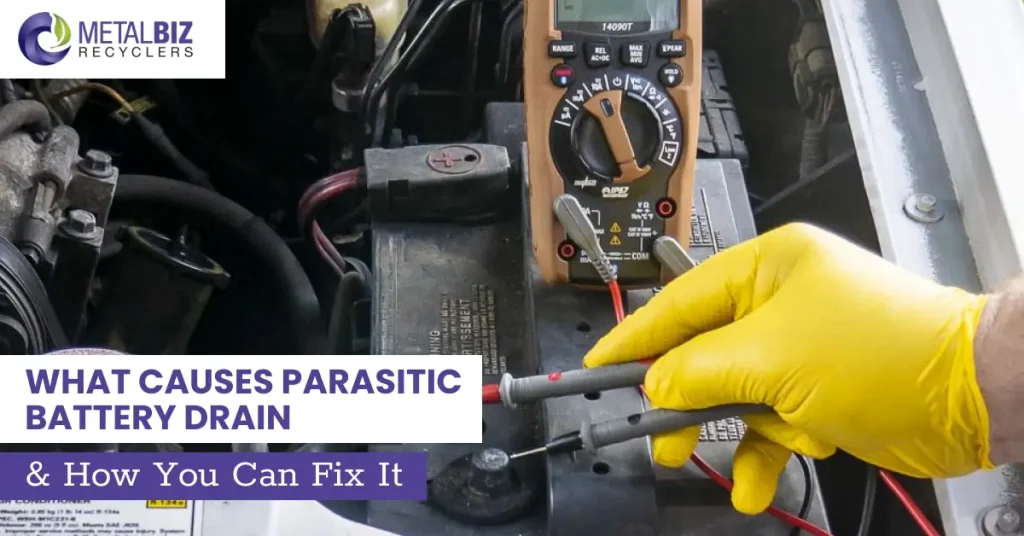
Regular battery checks can catch problems before they become emergencies. You can inspect the terminals for corrosion, ensure cables are tight, and use a multimeter to test voltage.
If you notice any white powdery deposits or loose connections, it’s time to clean and tighten them. Have you tested your battery voltage lately? A healthy battery usually reads around 12.6 volts when the engine is off.
Preventive Measures
Keeping electrical devices off when the engine is not running helps save battery power. Regularly checking battery health prevents unexpected drains and extends its life.
Preventive measures are essential in keeping your car battery healthy and reliable. By taking proactive steps, you can avoid unexpected battery drains and ensure your vehicle starts without a hitch. Let’s explore some practical ways to maintain your car battery’s longevity.
Regular Inspections
Regularly inspecting your car battery can catch potential issues early. Check for corrosion on the terminals, as this can hinder the battery’s performance. Make it a habit to clean the terminals with a mixture of baking soda and water to prevent buildup. Additionally, assess the battery’s physical condition. Look for any bulges or cracks that might indicate a problem. Keeping an eye on these factors helps you address issues before they escalate.
Using Battery Maintainers
A battery maintainer can be a lifesaver, especially if your car is parked for extended periods. These devices keep your battery charged without overcharging it. They’re particularly useful in colder climates where batteries tend to discharge faster. Invest in a quality battery maintainer that suits your vehicle’s specifications. Set it up according to the instructions, and let it work its magic. It’s a small investment that can save you from the inconvenience of a dead battery.
Professional Diagnostics
Sometimes, it’s best to leave it to the experts. Scheduling a professional diagnostic can uncover hidden issues affecting your battery’s performance. Technicians use advanced tools to assess your battery’s health and charging system. Consider getting a diagnostic test during your routine car service. It’s an opportunity to address not just the battery but other related components. By doing so, you ensure your vehicle remains in peak condition, ready for any journey you embark on.

Credit: carfromjapan.com
Frequently Asked Questions
What Are Common Causes Of Car Battery Drain?
Car battery drains due to leaving lights on, faulty alternators, or parasitic electrical draws. Cold weather and short trips also reduce battery charge.
How Does Leaving Lights On Drain The Battery?
Headlights or interior lights left on consume power continuously. This prevents the battery from recharging, causing it to drain quickly.
Can A Faulty Alternator Drain The Battery?
Yes, a faulty alternator fails to recharge the battery while driving. This leads to gradual battery depletion and potential vehicle starting issues.
Does Frequent Short Driving Affect Battery Life?
Short trips prevent the battery from fully recharging. Over time, this repeated partial charging reduces battery capacity and causes premature drain.
Conclusion
Car batteries drain for many simple reasons. Leaving lights on or using electronics can cause it. Cold weather and old batteries also play a part. Regular checks help catch problems early. Keep your car battery healthy for smooth drives. Small habits make a big difference.
Stay aware and save yourself from unexpected trouble.