
Are Most Cars Front Wheel Drive Or Rear Wheel Drive? Have you ever wondered whether most cars on the road are front wheel drive or rear wheel drive? This simple question can change how you think about your car’s handling, fuel efficiency, and even safety.
Knowing the difference can help you make smarter choices the next time you buy or drive a car. Stick with me, and by the end of this article, you’ll have a clear understanding of which drive system dominates the market—and why it matters to you.
Front Wheel Drive Basics
Understanding front wheel drive (FWD) is key to answering whether most cars on the road use this setup or rear wheel drive (RWD). FWD vehicles have the engine power sent directly to the front wheels, which handle both driving and steering. This design affects how the car behaves, feels, and performs in everyday driving conditions.
How Front Wheel Drive Works
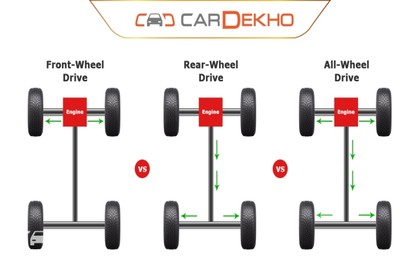
In a front wheel drive car, the engine sits at the front and connects to the transmission. Power flows from the engine through the transmission to the front wheels only.
These front wheels pull the car forward and also steer it, combining two critical functions in one place. This setup reduces the complexity of the drivetrain, making it lighter and more compact.
Advantages Of Front Wheel Drive
One big advantage of FWD is better traction on slippery roads. Since the engine’s weight is over the front wheels, it helps them grip the road better, especially in rain or snow.
FWD cars usually offer more interior space because they don’t need a driveshaft running to the rear wheels. They tend to be more fuel-efficient and cheaper to build, which often means a lower price for you.
Ever noticed how many affordable, practical cars are FWD? That’s no coincidence.
Common Front Wheel Drive Vehicles
You’ll find FWD in many popular cars like the Honda Civic, Toyota Corolla, and Ford Focus. These models prioritize efficiency and ease of driving, making them favorites for daily commuting.
Even some SUVs and crossovers use front wheel drive as their base configuration, offering a good balance between cost and performance for most drivers.
Think about the last car you drove—was it FWD? Chances are, it probably was, thanks to the widespread use of this drivetrain layout.

Credit: en.wikipedia.org
Rear Wheel Drive Essentials
Rear wheel drive (RWD) cars have a unique setup that affects how they perform and handle on the road. Understanding the essentials of RWD can help you decide if this drivetrain suits your driving style or needs. Let’s break down what makes rear wheel drive different and why many drivers still prefer it.
Mechanics Of Rear Wheel Drive
In a rear wheel drive system, the engine sends power to the rear wheels instead of the front. This setup means the front wheels handle steering, while the rear wheels handle propulsion. A driveshaft runs from the engine at the front to the rear axle, transferring power efficiently.
This separation of roles helps balance the car’s weight and improves traction during acceleration. If you’ve ever felt a car push forward smoothly when accelerating, that’s often the result of RWD mechanics at work. It also allows for a simpler layout in sports cars and trucks.
Benefits Of Rear Wheel Drive
- Better handling and balance:Since power is sent to the rear, the front wheels can focus on steering, giving you more control in turns.
- Improved acceleration:Weight shifts to the back during acceleration, increasing grip on the rear wheels and reducing wheel spin.
- Durability:RWD systems tend to be more robust, especially in heavy-duty vehicles like trucks and SUVs.
- Sporty driving experience:Many performance cars use RWD because it offers responsive handling and a more engaging drive.
Have you noticed how some cars feel more planted and responsive on twisty roads? Rear wheel drive plays a big role in that experience.
Popular Rear Wheel Drive Cars
Many iconic and popular cars use rear wheel drive for its performance benefits. Some examples include:
| Car Model | Type | Why RWD? |
|---|---|---|
| BMW 3 Series | Sedan | Known for sporty handling and balanced driving feel |
| Ford Mustang | Muscle Car | Delivers powerful acceleration and classic rear wheel drive dynamics |
| Toyota Supra | Sports Car | Built for precision and agility on the road |
| Mercedes-Benz C-Class | Luxury Sedan | Offers smooth drive with rear wheel power delivery |
Do you prefer the feel of a car that pushes you forward from the back, or one that pulls you from the front? Understanding these rear wheel drive essentials can shape your next car choice.
Comparing Front And Rear Wheel Drive
Front-wheel drive and rear-wheel drive are two common systems in cars. Each has unique advantages and challenges. Choosing between them depends on driving needs and conditions.
Performance Differences
Front-wheel drive cars often have better traction in wet conditions. They pull the car forward, providing stability on slippery roads. Rear-wheel drive cars excel in dry conditions. They offer better acceleration and performance. Enthusiasts prefer them for their sporty feel and power distribution.
Handling And Stability
Front-wheel drive vehicles handle turns smoothly. They are generally more stable, reducing the risk of oversteering. Rear-wheel drive cars offer superior cornering capabilities. They provide balanced weight distribution, enhancing control during sharp turns.
Cost And Maintenance
Front-wheel drive cars are typically cheaper to produce. Their design is simpler, making them cost-effective for manufacturers. Maintenance is often less expensive due to fewer parts. Rear-wheel drive cars can be costly to maintain. Their complex design requires specialized care and parts.

Credit: www.engineeringity.com
Trends In Car Drivetrain Choices
Car drivetrain choices have shifted over time due to technology and consumer needs. Different drivetrains offer unique benefits and challenges. Understanding these trends helps buyers make better decisions. The market reflects changing preferences for front-wheel drive, rear-wheel drive, and all-wheel drive vehicles.
Market Share Of Drive Types
Front-wheel drive (FWD) dominates many markets today. It offers good fuel efficiency and space-saving designs. Rear-wheel drive (RWD) remains popular in sports and luxury cars. All-wheel drive (AWD) grows in demand for better traction. Market share depends on region and vehicle segment.
Influence Of Vehicle Type
Small cars mostly use front-wheel drive. It reduces cost and improves interior space. Trucks and SUVs often prefer rear-wheel or all-wheel drive. These drivetrains handle heavy loads and rough roads better. Sports cars favor rear-wheel drive for better handling and balance.
Future Drivetrain Developments
Electric vehicles (EVs) are changing drivetrain trends. Many EVs use all-wheel drive for power and control. New tech allows more efficient and flexible drivetrain layouts. Autonomous driving may also affect drivetrain designs soon. The future shows more diversity and innovation in drivetrains.
All Wheel Drive And Other Options
All wheel drive (AWD) and other drivetrain options offer unique advantages beyond the typical front-wheel and rear-wheel drive setups. These systems can change how your vehicle handles different road conditions, improving safety and performance. Understanding these alternatives helps you choose the right car for your driving needs.
When All Wheel Drive Is Preferred
All wheel drive sends power to all four wheels simultaneously, giving you better traction. This is especially useful if you live in areas with snow, rain, or uneven terrain. Have you ever felt your car slip on a wet road? AWD can help prevent that by distributing power where it’s needed most.
AWD is common in SUVs and crossovers, making them more stable on rough roads. It’s also a favorite among drivers who want extra control without switching between two-wheel drive modes. However, AWD systems can add weight and reduce fuel efficiency, so consider if you really need it for everyday driving.
Hybrid And Electric Car Drivetrains
Hybrid and electric vehicles often use different drivetrain setups. Some hybrids combine front-wheel drive with electric motors powering the rear wheels, effectively creating an all-wheel drive system. This setup improves efficiency while maintaining good traction.
Electric cars can have motors on each axle, offering instant torque and precise control. This means smoother acceleration and better handling. Have you noticed how quiet electric cars feel? That’s partly because their drivetrain is simpler and cleaner than traditional systems.
Choosing a hybrid or electric car with AWD can give you the best of both worlds: eco-friendly driving with enhanced stability. Think about your daily routes and weather conditions when deciding if this option fits your lifestyle.

Credit: www.velospinner.com
Frequently Asked Questions
Are Most Cars Front Wheel Drive Or Rear Wheel Drive?
Most cars today are front wheel drive (FWD). FWD offers better fuel efficiency and space. Rear wheel drive (RWD) is common in sports and luxury cars for better handling.
Why Do Manufacturers Prefer Front Wheel Drive Cars?
Manufacturers prefer front wheel drive for better fuel economy and lower production costs. FWD also provides more interior space and easier handling in slippery conditions.
What Are The Main Benefits Of Rear Wheel Drive?
Rear wheel drive offers improved handling and balance, especially in performance cars. It provides better acceleration and towing capacity compared to front wheel drive.
Is Front Wheel Drive Better For Everyday Driving?
Yes, front wheel drive is generally better for everyday driving. It performs well in rain and snow, offers more cabin space, and is easier to control for most drivers.
Conclusion
Most cars on the road today use front-wheel drive. This design offers better fuel efficiency and easier handling. Rear-wheel drive is common in sports and larger vehicles. Each type has its own benefits and limits. Choosing the right drive depends on your needs and driving style.
Understanding these basics helps you make a smart decision. Cars keep evolving, but front-wheel drive remains popular worldwide.