
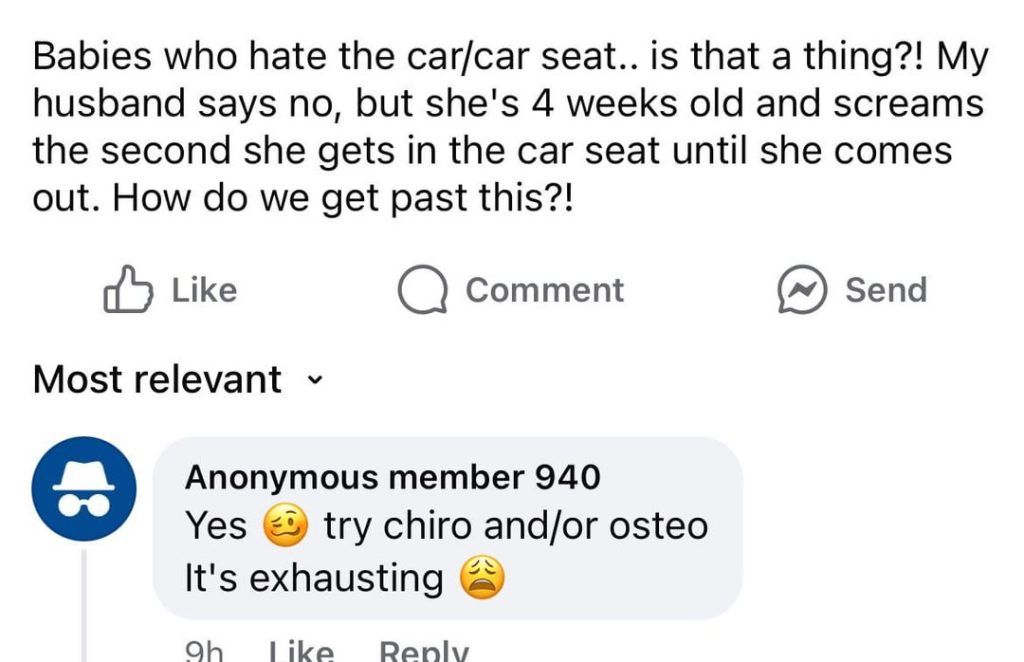
You’ve probably noticed it: the moment you buckle your baby into the car seat, the crying starts. It’s frustrating and confusing.
Why does your baby hate the car? You want every trip to be smooth and peaceful, but instead, you’re met with tears and fussiness. Understanding what’s behind this common struggle can change your drives from stressful to calm. Keep reading, and you’ll discover simple reasons and easy solutions to help your baby enjoy car rides — and give you the quiet, happy trips you both deserve.
Common Reasons Babies Dislike Car Rides
Understanding why your baby dislikes car rides can help you find better ways to comfort them during trips. Babies react to the car environment in different ways, and several common reasons might explain their distress. By identifying these causes, you can make car journeys smoother for both you and your little one.
Motion Sickness And Discomfort
Motion sickness is a frequent culprit behind a baby’s unhappiness in the car. Their inner ear balance system is still developing, making them more sensitive to the rocking motion. You might notice your baby fussing or even vomiting during longer rides.
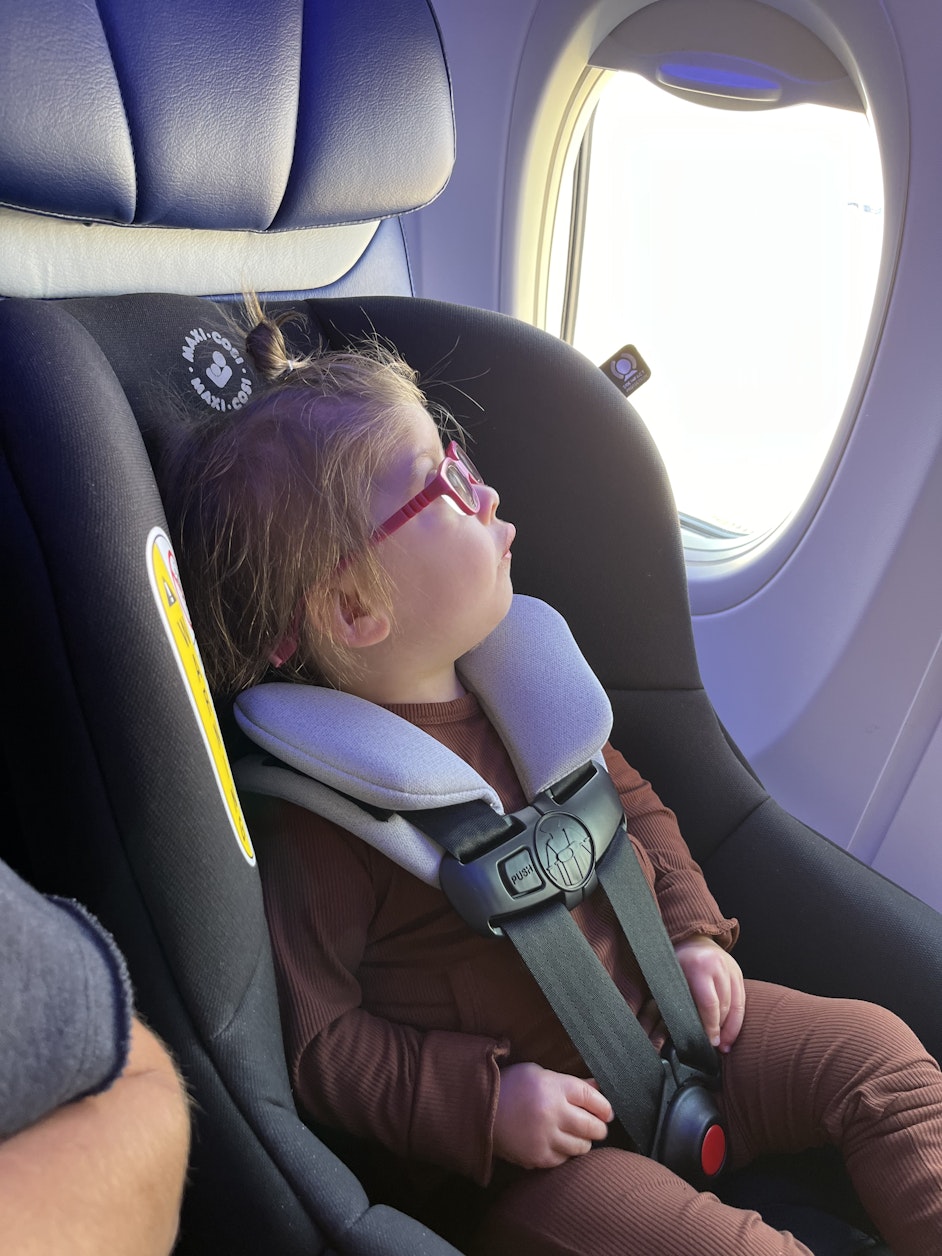
Adjusting the car seat angle or taking breaks can ease this discomfort. Have you tried facing your baby towards the window so they can focus on a stable point? Sometimes, fresh air and gentle distractions like soft music help calm the queasiness.
Fear Of Strangers Or New Environments
Your baby might cry because they feel uneasy in unfamiliar surroundings or around new people. The car can feel strange and isolating, especially if it’s a new experience or if they see unfamiliar faces. This fear is a normal part of their development and shows they are learning about their world.
To ease this fear, try bringing a familiar toy or blanket along for comfort. Talking softly or singing can also reassure your baby that they are safe. Could the car ride be less intimidating if you make it a calm, predictable routine?
Hunger And Sleepiness
Babies have small stomachs and can get hungry quickly, which makes any car ride uncomfortable if feeding times are missed. Similarly, a sleepy baby who can’t settle might cry more in the car’s unfamiliar setting. These basic needs often get overlooked when parents focus on the logistics of travel.
Plan car rides around feeding and nap times whenever possible. Keep snacks and bottles handy and watch for signs of tiredness before starting the trip. Have you noticed how much smoother rides go when your baby isn’t hungry or tired?
Overstimulation From Noise And Lights
The car environment can bombard your baby with bright lights, honking horns, and loud music. This sensory overload can make them irritable and anxious. Unlike adults, babies can’t filter out background noise or sudden changes in light easily.
Try shading the windows or using a white noise machine to create a calmer atmosphere. Lowering the volume of music or avoiding busy roads can also help. What small changes can you make to reduce your baby’s exposure to overwhelming stimuli during car rides?
Credit: www.safeintheseat.com
Signs Your Baby Is Uncomfortable In The Car
Noticing that your baby dislikes car rides can be stressful. Understanding the signs of discomfort helps you address the problem faster and make trips smoother. Watch closely for clear signals that your baby is unhappy in the car seat.
Crying And Fussiness Patterns
If your baby cries or fusses every time you start the car or buckle them in, it’s a strong sign of discomfort. Pay attention to whether the crying begins immediately or builds up gradually during the ride. Does your baby calm down when the car stops? These details reveal whether the car itself or the motion causes distress.
Body Language Clues
Observe your baby’s movements and posture. Arching their back, stiffening their legs, or turning their head away can indicate discomfort. Sometimes, babies push against the car seat straps or try to wriggle free, showing they don’t like how they feel. Are they looking around nervously or avoiding eye contact? These subtle signs speak volumes about their comfort level.
Changes In Breathing Or Heart Rate
Watch for rapid or irregular breathing, which often accompanies distress. A faster heartbeat may not be visible but can cause restlessness and crying. You might notice your baby’s chest rising quickly or hear uneven breaths. These physical changes suggest stress and discomfort, signaling that your baby isn’t at ease during car rides.
Simple Ways To Soothe Your Baby During Car Rides
Car rides can be tough for babies. Many get upset and restless during trips. Simple changes can help make rides calmer and happier. Small comforts often make a big difference for your little one.
Adjusting Seat Position And Temperature
Check your baby’s seat angle. A slight recline can offer better support and comfort. Make sure the seat isn’t too upright or too flat. Adjust the temperature inside the car to keep it cozy. Use shades or sunshades to block direct sunlight. Keep the air fresh but avoid strong drafts. A comfy seat and right temperature help your baby relax.
Using Calming Sounds And Music
Soft sounds can soothe a fussy baby. Try playing gentle lullabies or white noise. Sounds that mimic the womb can be very calming. Avoid loud or sudden noises that might startle your child. Use a small speaker or a phone with a playlist made for babies. Consistent, calming sounds help distract and comfort your baby during rides.
Providing Favorite Toys Or Blankets
Bring along a favorite toy or blanket. Familiar items offer comfort and security. Let your baby hold or cuddle these during the trip. Soft textures and gentle colors can be reassuring. Rotate toys to keep your baby interested. These small items can make the car feel like a safe place.

Credit: ohbabyconsulting.com
Preventing Car Discomfort Before It Starts
Car discomfort often causes babies to cry during rides. Ensuring the seat is comfortable and the temperature is right helps prevent fussiness. Soft toys and gentle music can also soothe your baby before the journey begins.
Preventing Car Discomfort Before It Starts Understanding your baby’s discomfort in the car is key to smoother rides. It’s not just about the destination; it’s about ensuring the journey is pleasant too. By anticipating and addressing potential issues before they arise, you can transform car rides into a more enjoyable experience for both you and your baby.Timing Rides Around Sleep And Feeding
Timing is everything when it comes to car rides with your baby. Plan trips when your baby is naturally more relaxed, like after a good feed or when they’re ready for a nap. This can significantly reduce fussiness and make the car ride feel like an extension of their cozy crib. Remember how you feel when you’re hungry or tired? It’s no different for your little one. By aligning car rides with their natural schedule, you help minimize the chances of discomfort and crankiness.Gradual Exposure To Car Rides
Introducing your baby to car rides gradually can make a big difference. Start with short trips around the block to familiarize them with the car environment. Slowly increase the duration as they become more comfortable. Think of it like building a relationship; trust takes time. With each positive experience, your baby will associate the car with safety and comfort, not stress or anxiety.Creating A Comfortable Car Seat Environment
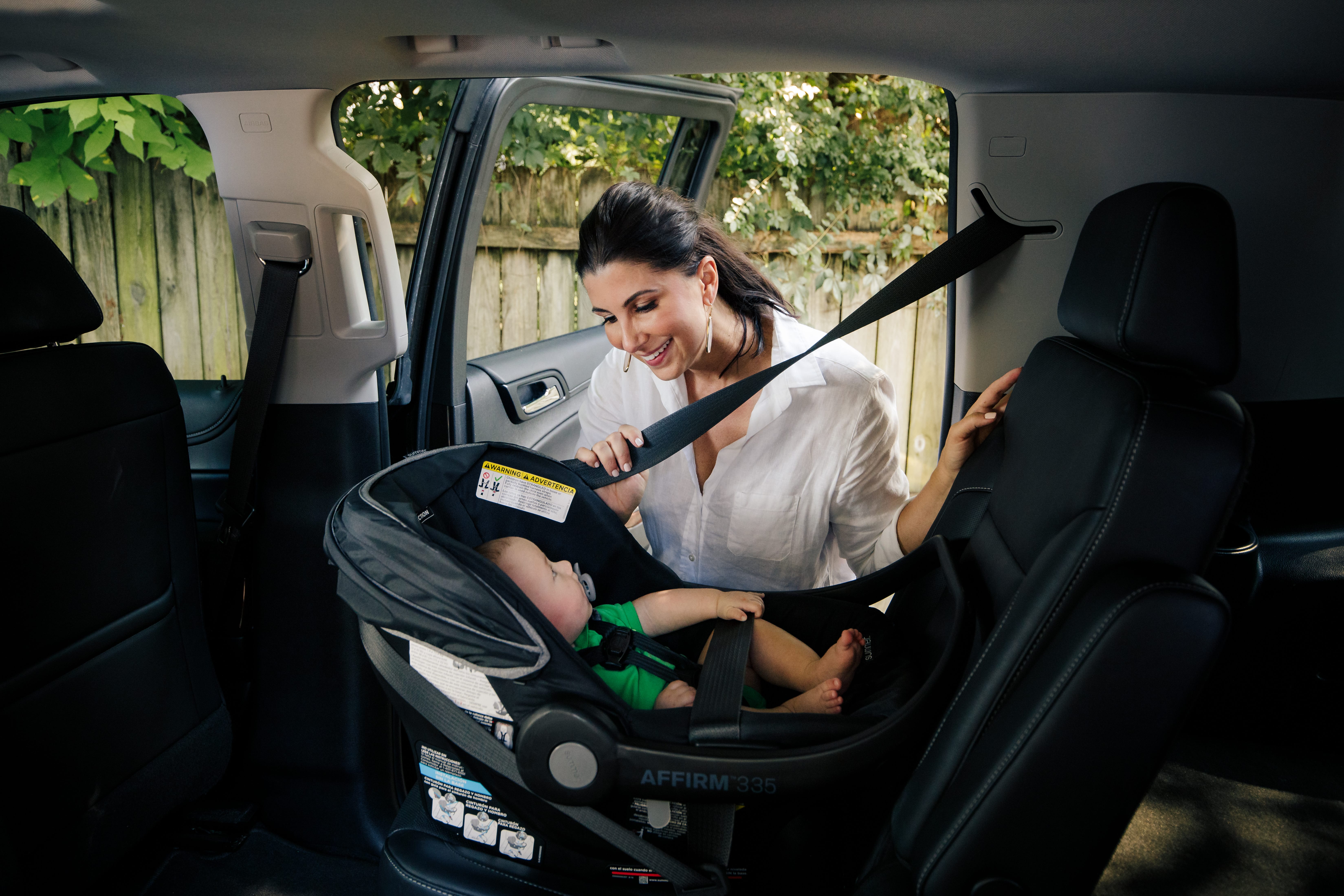
The car seat is your baby’s travel throne, so make it as comfy as possible. Ensure the seat is properly fitted and padded to avoid any discomfort. Adding soft toys or a familiar blanket can also create a sense of familiarity and security. Consider the temperature and lighting inside the car. Babies can be sensitive to temperature changes and bright lights, so adjust the climate control and use sunshades if needed. A comfortable seat environment can make all the difference in how your baby perceives car rides.When To Seek Professional Help
Knowing when to seek professional help is important for your baby’s comfort and health. Some car rides cause stress, but persistent problems need expert advice. Watch for signs that suggest a deeper issue beyond normal fussiness.
Experts can guide you through managing your baby’s discomfort. Early intervention prevents long-term struggles and helps your baby enjoy car trips. Do not ignore ongoing distress during car rides.
Persistent Crying Despite Efforts
Crying that lasts through every car ride can signal a bigger problem. Attempts to soothe your baby might fail repeatedly. This ongoing distress deserves a pediatrician’s attention to rule out underlying causes.
Signs Of Severe Motion Sickness
Look for symptoms like vomiting, pale skin, or heavy sweating in the car. These signs show severe motion sickness that needs medical evaluation. Motion sickness can affect your baby’s growth and well-being if untreated.
Consulting Pediatricians For Advice
Pediatricians offer tailored advice for your baby’s car troubles. They may suggest tests or treatments to ease discomfort. Regular check-ups help track your baby’s progress and adjust care as needed.
Credit: www.safeintheseat.com
Frequently Asked Questions
Why Does My Baby Cry In The Car?
Babies cry in cars due to discomfort, motion sickness, or feeling confined. Loud noises and unfamiliar surroundings can also distress them.
How Can I Soothe My Baby During Car Rides?
Try gentle rocking, soft music, or familiar toys. Ensure the car seat is comfortable and temperature is pleasant.
Can Motion Sickness Cause My Baby To Hate Car Rides?
Yes, motion sickness is a common reason babies dislike car rides. It causes nausea, dizziness, and irritability in infants.
When Should I Worry About My Baby’s Car Ride Discomfort?
If your baby consistently cries or vomits during car rides, consult a pediatrician. Persistent discomfort may indicate an underlying issue.
Conclusion
Babies may dislike car rides for many simple reasons. They might feel uncomfortable, bored, or scared. Sometimes, the motion or noise bothers them. Parents can try small changes to help their baby feel better. Playing soft music or giving a favorite toy can calm them down.
Regular breaks during long trips also help. Understanding your baby’s needs is key. Patience and care make car rides easier for both. Soon, your baby may even enjoy the journey. Keep trying gently and stay calm.