
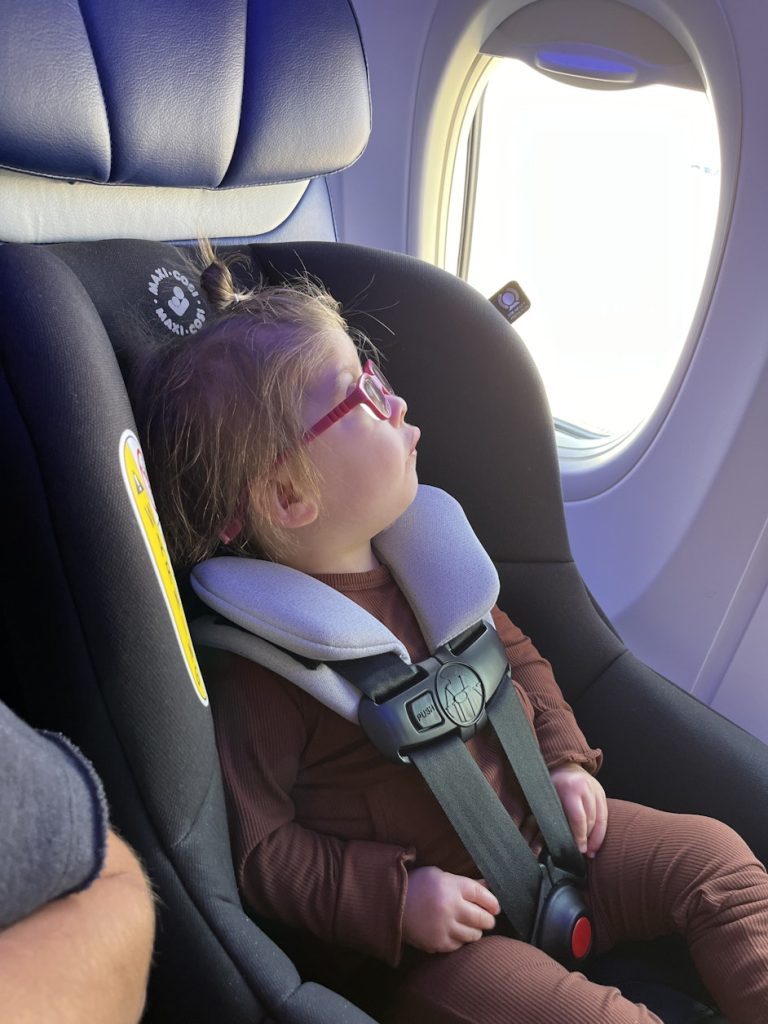
You’ve probably asked yourself, “Why does my baby hate car rides?” You’re not alone. Many parents struggle when their little one starts crying the moment the car moves.
It can turn a simple trip into a stressful ordeal for both of you. But don’t worry—understanding the reasons behind your baby’s discomfort can help you find solutions that make car rides easier and more peaceful. Keep reading to discover what might be causing your baby’s fussiness and how you can turn those dreaded car rides into calm, happy moments.
Common Causes Of Car Ride Discomfort
Understanding why your baby dislikes car rides can help you make those trips smoother for both of you. Babies can feel discomfort in many ways during car travel, and identifying the root cause is key to easing their distress. Let’s look at some common reasons that might explain your baby’s unhappiness in the car.
Motion Sickness In Babies
Motion sickness happens when the inner ear senses movement, but the eyes don’t see it clearly, confusing the brain. Babies can’t tell you if they feel dizzy or nauseous, but fussiness or vomiting after car rides might be signs. If your baby seems queasy, try stopping for breaks or facing them forward to reduce the sensation.
Fear Of Confined Spaces
Some babies feel anxious in small, enclosed spaces like car seats. If your baby cries as soon as you buckle them in, this might be the reason. Try making the seat more inviting with familiar toys or a soft blanket, and keep talking calmly to reassure them.
Uncomfortable Car Seats
The car seat itself can cause discomfort if it’s too hard, poorly padded, or doesn’t fit your baby correctly. Even small pressure points can make a big difference in their mood. Check the straps aren’t too tight and consider adding a breathable cushion designed for car seats.
Loud Noises And Vibrations
Cars produce sounds and vibrations that might overwhelm sensitive babies. The hum of the engine, road noise, or sudden bumps can trigger distress. Using white noise machines or soft music can sometimes drown out harsh sounds and create a calming environment.
Hunger And Diaper Needs
Babies communicate discomfort through crying, and hunger or a wet diaper are common causes. If your baby starts fussing mid-ride, check if it’s time for a feeding or a diaper change. Being proactive about these needs before setting off can prevent unnecessary upset during the drive.
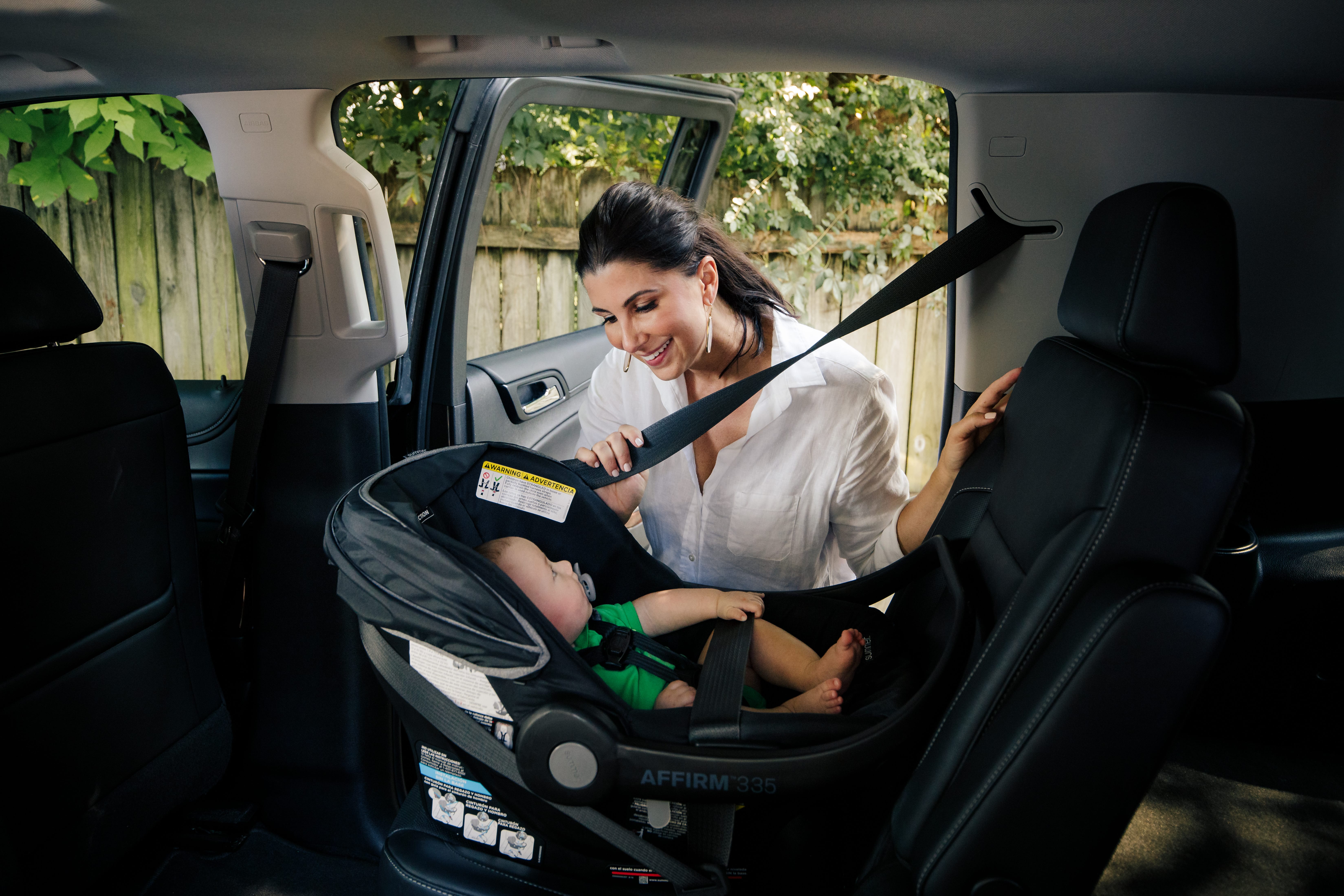
Credit: www.safeintheseat.com
Behavioral And Emotional Factors
Understanding why your baby might hate car rides often involves looking beyond physical discomfort. Behavioral and emotional factors play a huge role in how your little one reacts to the car environment. These factors can sometimes explain the fussiness and resistance you see, even when everything else seems fine.
Separation Anxiety
Separation anxiety is a common reason babies get upset during car rides. Your baby might feel uneasy being away from your immediate presence or unable to see you clearly. This can trigger crying and clinginess, especially if the car seat faces backward or if you’re not within their line of sight.
Have you noticed your baby calming down when you talk or sing to them during the ride? That’s because your voice helps ease their anxiety. Try using a mirror to keep eye contact or bring a familiar blanket to comfort them.
Overstimulation Or Understimulation
Car rides can either be too overwhelming or too dull for your baby’s senses. Bright lights, passing cars, and loud noises might overload their tiny brains, causing distress. On the flip side, a long, quiet trip with nothing to look at can lead to boredom and fussiness.
Think about your baby’s reactions: do they get restless quickly or seem exhausted by too much activity? Offering soft toys or playing gentle music might strike the right balance and keep them engaged without overwhelming their senses.
Tiredness And Sleep Disruption
Many babies struggle with sleep schedules during car rides. The motion may make them sleepy, but the unfamiliar environment can prevent them from falling asleep easily. When they’re overtired, they become cranky and harder to soothe.
Have you tried timing your trips to coincide with your baby’s usual nap times? Creating a cozy, dark space with a blanket over the car seat can also help them relax and catch some much-needed rest.
Environmental Triggers In The Car
Babies are sensitive to their surroundings, and the car environment can sometimes feel overwhelming. Small changes in temperature, airflow, or lighting can turn a calm ride into a fussy experience. Understanding these environmental triggers helps you create a more comfortable space for your little one during car rides.
Temperature And Ventilation Issues
Babies can’t regulate their body temperature like adults. If the car feels too hot or too cold, your baby may become restless quickly. Have you noticed your baby sweating or shivering during rides? That’s a clear sign the temperature isn’t right.
Proper ventilation makes a big difference. Stale or stuffy air can irritate your baby’s sensitive nose and throat. Try adjusting the air vents so fresh air circulates without blowing directly on your baby’s face.
- Use a sunshade to block direct sunlight, which can increase heat inside the car.
- Dress your baby in light layers that you can add or remove easily.
- Check the car temperature before placing your baby in the seat, especially during extreme weather.
Lighting And Visual Distractions
Bright sunlight or flashing lights can overwhelm your baby’s developing eyes. Sudden changes in lighting often cause discomfort or distress. Have you tried covering the car window with a light-blocking shade? It can reduce glare and help your baby feel more secure.
Visual distractions inside the car also play a role. Toys dangling or reflections on the window might catch your baby’s attention but then confuse or scare them. Sometimes, a calm, less busy environment can soothe your baby better than a cluttered one.
- Limit the use of toys with flashing lights during rides.
- Keep the car interior simple and avoid hanging too many objects near your baby’s seat.
- Consider using a rear-facing mirror so you can maintain eye contact and reassure your baby.

Credit: www.bespokefamily.co.uk
Effective Solutions To Ease Car Rides
Making car rides pleasant for your baby takes patience and the right approach. Simple adjustments and thoughtful planning can reduce fussiness. Focus on comfort, routine, and distractions to keep your baby calm. These strategies work well together to create a smoother travel experience for both baby and parent.
Adjusting Feeding And Napping Schedules
Plan car rides around your baby’s feeding and sleeping times. A well-fed baby feels secure and less cranky. Avoid starting trips when your baby is very hungry or tired. Try to feed your baby just before the ride to keep hunger at bay.
Ensure your baby has had a good nap before the trip. Tired babies can get fussy quickly. If the ride is long, plan short breaks to let your baby rest outside the car.
Creating A Comfortable Seating Setup
Check your baby’s car seat for proper fit and support. Use soft, breathable fabrics to keep your baby cozy. Avoid tight straps or anything that might cause discomfort. Adjust the seat recline to a gentle angle that supports your baby’s head and neck.
Consider adding a small sunshade to block bright light. Keep the temperature inside the car pleasant, not too hot or cold.
Using Calming Sounds And Music
Play soft, soothing sounds to help your baby relax. Gentle lullabies or white noise can mask road noise. Use a music playlist designed for babies or nature sounds like rain or ocean waves.
Keep the volume low to avoid startling your baby. The calming audio can create a peaceful environment for sleep or quiet time during the ride.
Gradual Exposure And Shorter Trips
Start with short, calm drives to help your baby get used to the car. Gradually increase trip length as your baby becomes more comfortable. Try driving in quiet areas to reduce sensory overload.
Use each ride as a chance to build positive experiences. Stay relaxed and patient to help your baby feel safe.
Engaging Toys And Visual Aids
Bring favorite toys or new, safe toys to keep your baby entertained. Soft rattles, teething rings, or colorful objects work well. Attach toys to the car seat for easy reach and to prevent them from falling.
Use visual aids like mirrors to let your baby see themselves or parents. These distractions help reduce boredom and fussiness during rides.
When To Seek Professional Help
Persistent crying during car rides or signs of distress may indicate the need for expert advice. Consulting a pediatrician can help identify any medical or sensory issues causing discomfort. Early support ensures your baby’s comfort and safety on the road.
When to Seek Professional Help Some babies may strongly dislike car rides. While this is often normal, there are times when seeking professional help is crucial. Parents should watch for specific signs that indicate the need for expert advice. These signs can help determine if the baby’s discomfort is more than just a dislike for car rides.Signs Of Severe Motion Sickness
Severe motion sickness may cause extreme distress for your baby. Watch for persistent crying and vomiting during every car trip. Notice if your baby seems unusually pale or sweaty. These could be signs of severe motion sickness. If these symptoms occur frequently, it might be time to consider professional advice. Motion sickness can significantly affect a baby’s comfort and well-being.Consulting Pediatricians For Persistent Issues
If your baby continues to experience issues, consulting a pediatrician is wise. Pediatricians can offer guidance on whether the discomfort is normal or a sign of something more. They can provide reassurance or suggest potential solutions. This could include recommendations for car seat adjustments or other interventions. Early consultation can help address any underlying issues effectively.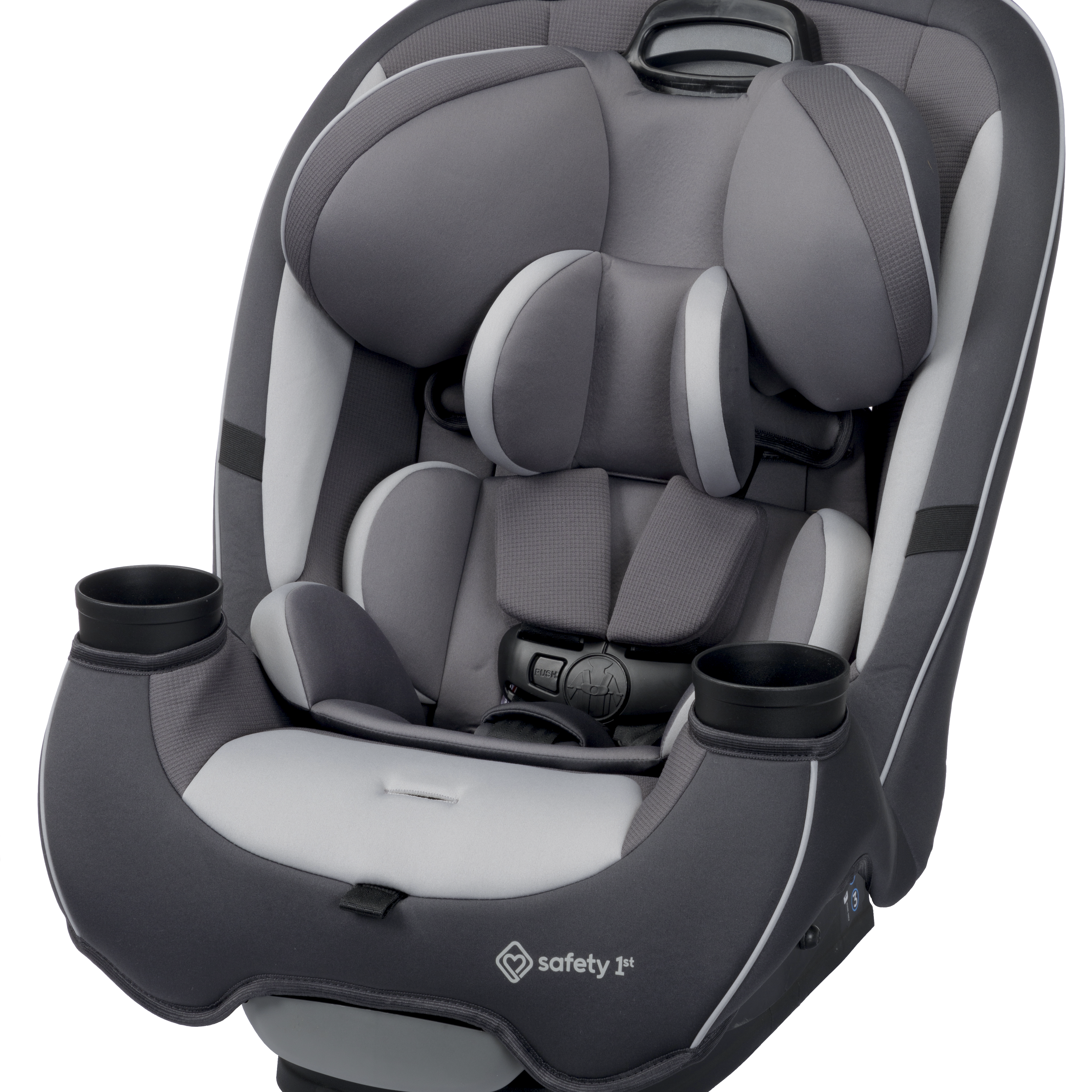
Credit: safety1st.com
Frequently Asked Questions
Why Does My Baby Cry During Car Rides?
Babies cry in cars due to discomfort, motion sickness, or unfamiliar surroundings. The car’s motion can upset their inner ear balance. Hunger, tiredness, or needing a diaper change also triggers crying. Ensuring comfort and distraction can help soothe your baby during car rides.
How Can I Make Car Rides More Comfortable For My Baby?
Use a well-padded, properly installed car seat for safety and comfort. Keep the temperature moderate and bring familiar toys or blankets. Playing soft music or singing can soothe your baby. Frequent breaks during long rides help reduce fussiness and restlessness.
Can Motion Sickness Cause My Baby To Hate Car Rides?
Yes, motion sickness is common in babies. It causes nausea, dizziness, or vomiting. The conflicting signals between the inner ear and eyes can upset your baby. To reduce motion sickness, keep the car well-ventilated and avoid feeding heavy meals before rides.
When Should I Worry About My Baby’s Car Ride Discomfort?
If your baby cries excessively or shows signs of illness, consult a pediatrician. Persistent vomiting, fever, or lethargy during car rides needs medical attention. Most discomfort is normal, but severe symptoms can indicate underlying health issues requiring professional advice.
Conclusion
Babies may dislike car rides for many reasons. They might feel uncomfortable, bored, or scared. Sometimes, motion sickness or hunger causes fussiness. Parents can try soothing sounds or toys to help. Patience and gentle care make rides easier for babies.
Understanding your baby’s needs is key. Small changes can make a big difference. Keep trying different ways to calm your child. Soon, car rides may become more pleasant for both of you.