

Have you ever wondered why your baby screams the moment you buckle them into their car seat? You’re not alone.
Many parents face the same frustrating struggle every time it’s time for a ride. It’s not just about discomfort—there are surprising reasons behind your baby’s strong dislike for their car seat. Understanding these reasons can help you make car rides smoother and more peaceful for both you and your little one.
Keep reading to discover why babies hate car seats and what you can do to change that.
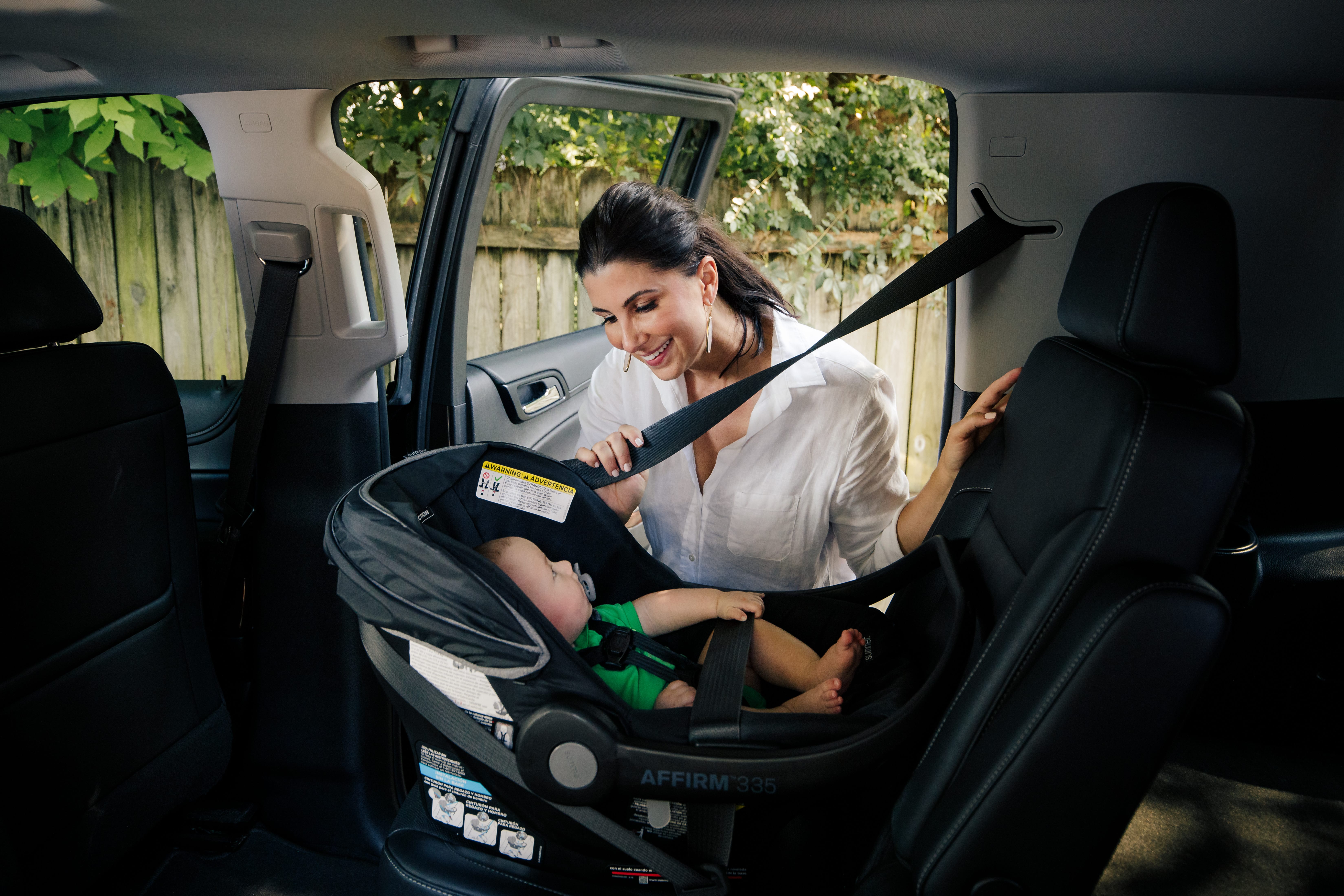
Credit: www.safeintheseat.com
Babies’ Discomfort In Car Seats
Babies often show frustration in car seats due to several discomfort factors. Car seats limit their natural movements, making them feel confined. The temperature inside the seat can quickly become too hot or cold for their sensitive skin. Babies also struggle with limited visibility, which can make car rides boring or scary. Understanding these discomforts helps caregivers ease their baby’s car seat experience.
Physical Restrictions
Car seats are designed to keep babies safe and secure. This safety means babies cannot move freely. Their arms and legs get restricted by the straps and the seat sides. Babies like to kick, stretch, and wiggle, but car seats stop this. This lack of movement can make babies feel trapped and restless during rides.
Temperature Sensitivity
Babies have delicate skin and feel temperature changes quickly. Car seats can get hot in summer and cold in winter. Materials like plastic and fabric may trap heat or cold near the baby’s body. This discomfort causes fussiness and crying. Babies often cannot adjust to these changes, making rides unpleasant.
Limited Visibility
Babies enjoy seeing their surroundings and faces. Car seats often face backward or limit what babies can see. This restriction can make babies feel isolated or scared. They cannot watch parents or passing scenery. Limited visibility reduces stimulation and can increase fussiness during car trips.
Common Triggers For Fussiness
Understanding why babies fuss in car seats can help you make their rides more comfortable. Fussiness often stems from a few common triggers that you can watch for and address quickly. By spotting these early signs, you can reduce stress for both you and your little one.
Hunger And Thirst
Babies can get cranky when they’re hungry or thirsty, just like adults. If your baby starts crying soon after being placed in the car seat, check if it’s feeding time. Sometimes a quick bottle or breastfeeding session before the trip can make a big difference.
Keep snacks or a bottle handy during longer drives. It’s easier to prevent fussiness than to calm a hungry, upset baby once the ride has started. Have you noticed your baby’s mood change right around feeding times?
Overstimulation
The car can be noisy and full of sights that overwhelm your baby. Bright lights, loud sounds, or even too much movement can cause discomfort. Your baby might be signaling that they need a break from all the excitement.
Try dimming the lights or using a soft blanket to create a cozy space. Playing calming music or white noise can also help soothe an overstimulated baby. What small changes have you tried to calm your baby during car rides?
Sleep Disruptions
Car seats can interfere with your baby’s natural sleep patterns. The angle or position might not support their head and neck well, making it hard to rest. If your baby is tired but uncomfortable, fussiness is a common reaction.
Adjusting the seat slightly or using approved supports can improve comfort. You might also plan car trips around your baby’s nap times to avoid disruptions. Have you found certain positions or routines that help your baby sleep better in the car seat?
How Car Seat Design Affects Babies
Car seat design plays a big role in how babies react to their seats. The right design can make a baby feel safe and cozy. The wrong design can cause discomfort and fussiness. Small details matter a lot for a baby’s comfort and mood.
Strap Tightness Issues
Straps that are too tight can pinch or hurt a baby’s skin. Babies dislike feeling trapped or squeezed. Loose straps reduce safety and cause movement that babies don’t like. Proper strap tightness keeps babies secure without causing pain.
Seat Padding And Support
Soft padding cushions a baby’s body and prevents hard spots. Lack of padding can cause pressure points and discomfort. Good support helps keep a baby’s head and neck steady. Babies feel calmer when their body is well supported.
Positioning And Angle
The seat’s angle affects how a baby’s body rests. A seat that is too upright or too reclined can cause strain. Proper positioning helps with breathing and digestion. Babies prefer seats that support a natural and relaxed posture.
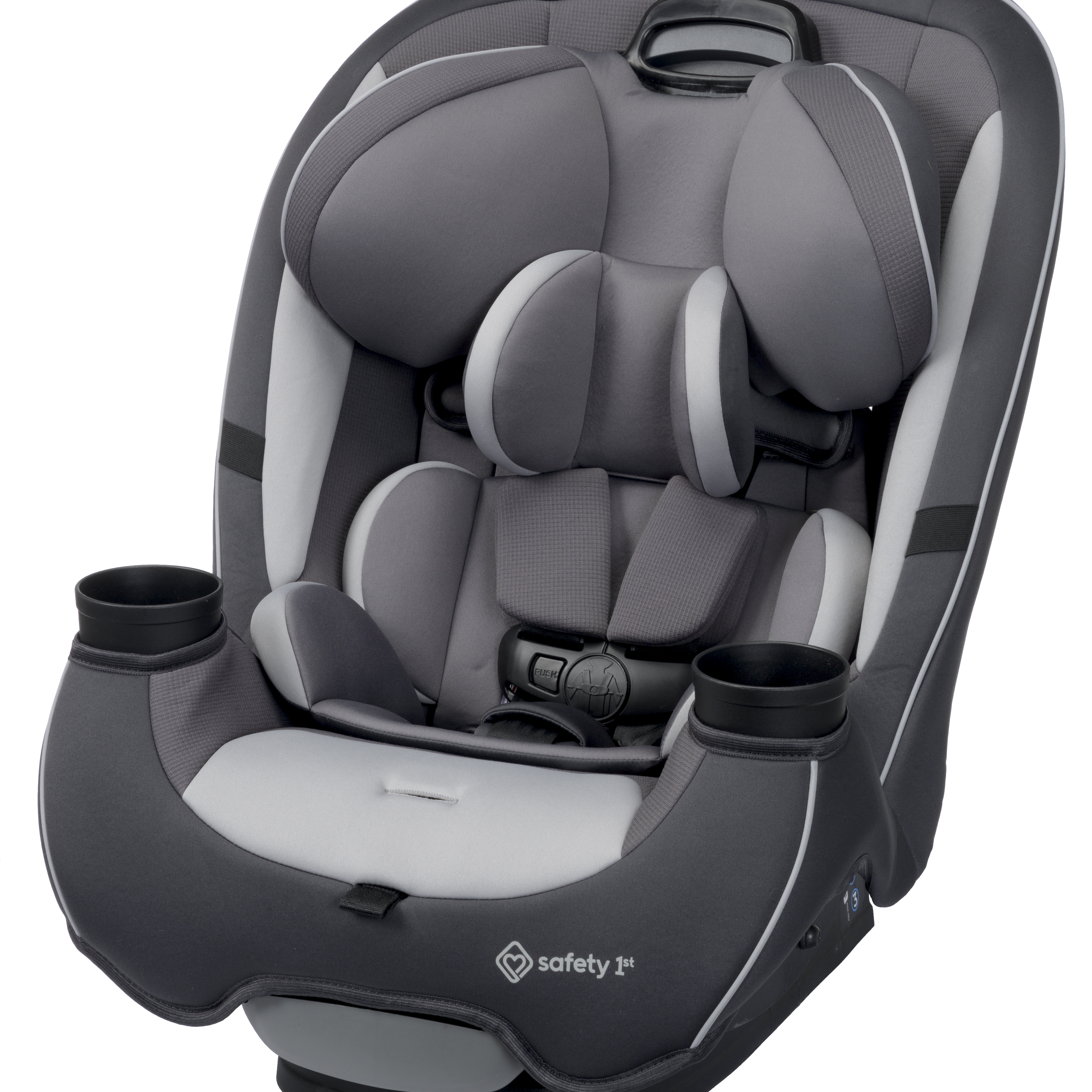
Credit: safety1st.com
Simple Ways To Soothe Babies
Simple ways can calm a baby upset in a car seat. Small changes bring big comfort. These ideas help babies feel safe and relaxed during travel. Try gentle methods that ease their fussiness without stress.
Adjusting Seat Settings
Check the seat’s recline angle for a cozy position. Too upright can make babies uncomfortable. Adjust straps to fit snug but not tight. Make sure padding supports the baby’s head and neck well. A well-set seat can reduce crying and fuss.
Using Comfort Accessories
Soft blankets or small pillows add warmth and softness. Choose breathable fabrics to avoid overheating. Use car seat toys with gentle colors and textures. Attach toys safely so they do not distract or harm. These accessories make the seat a more inviting place.
Engaging With Soothing Sounds
Play soft music or white noise to calm the baby. Sounds like rain or ocean waves work well. Use a small speaker or a sound machine near the seat. Singing quietly or talking can also soothe and distract. Calm sounds create a peaceful travel environment.
Tips For Safe And Happy Rides
Babies often dislike car seats because they feel confined and uncomfortable. Loud noises and sudden movements can also make them uneasy during rides. Making the seat cozy and calm helps create happier car trips.
Tips for Safe and Happy RidesCar rides with babies can be a challenge. Many infants fuss when placed in car seats. Ensuring their comfort can transform the journey. Here are some tips to make car rides pleasant for your baby.Regular Breaks During Travel
Plan your journey with frequent stops. Allow your baby to stretch and play. Babies can get restless when confined for long periods. Regular breaks give them time to relax and recharge. This can reduce fussiness and make the journey smoother.Proper Feeding Before Trips
Feed your baby before setting out. A full tummy can lead to a calm baby. Avoid feeding just before or during the ride to prevent discomfort. If your baby is relaxed, they are more likely to enjoy the car ride.Ensuring Optimal Clothing
Dress your baby in comfortable, weather-appropriate clothing. Tight or bulky clothes can make them uncomfortable in a car seat. Choose soft fabrics and ensure layers are easy to adjust. Comfortable clothing helps keep your baby calm and content.
Credit: www.reddit.com
Frequently Asked Questions
Why Do Babies Cry In Car Seats?
Babies cry in car seats due to discomfort, unfamiliarity, or feeling restrained. They may also feel bored or scared during car rides. Proper padding and frequent breaks can help soothe them.
How Can I Make Car Seats Comfortable For Babies?
Use soft, breathable fabrics and ensure the seat fits properly. Add head supports and avoid tight straps. Taking breaks and engaging your baby helps reduce fussiness.
Do Babies Hate Car Seats Because Of Motion?
Yes, some babies dislike the motion or sensation of being in a car seat. The rocking and vibrations can cause discomfort or motion sickness in sensitive infants.
When Should Babies Get Used To Car Seats?
Babies can gradually get used to car seats from birth. Short, frequent rides help them adapt and feel secure. Consistency and comfort improve their tolerance over time.
Conclusion
Babies often dislike car seats because they feel confined and uncomfortable. Their limited movement can cause fussiness and crying. Car seats may also disrupt their sleep or make them feel too hot. Parents can try adjusting straps or adding soft padding for comfort.
Taking breaks during long rides helps babies relax and feel better. Understanding these reasons can make travel easier for both babies and parents. Patience and gentle care go a long way in easing a baby’s dislike of car seats.