
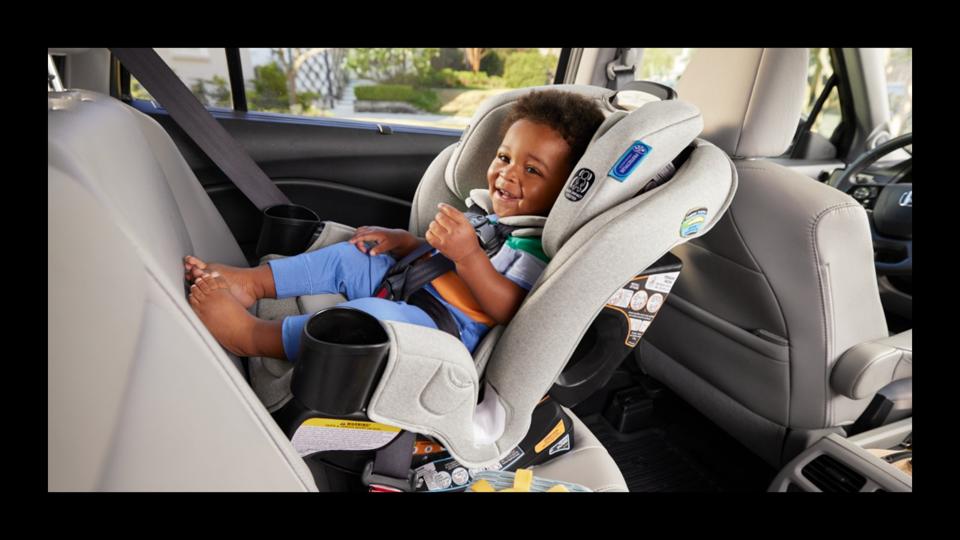
You want your baby to be as safe as possible every time you hit the road. But where exactly should you put your baby car seat to keep your little one secure?
Choosing the right spot isn’t just about convenience—it can make all the difference in an emergency. You’ll discover the safest and smartest place to install your baby car seat, so you can drive with confidence and peace of mind. Keep reading to find out what experts recommend and why it matters for your child’s safety.
Best Seat Location
Choosing the best seat location for your baby car seat is crucial for safety and convenience. The position not only affects your child’s protection during a crash but also your ease of access when placing or removing the seat. Let’s look closely at the options available and what makes each one stand out or fall short.
Rear Middle Seat Benefits
The rear middle seat is often considered the safest spot for a baby car seat. It is the farthest from any potential impact in a side collision. This reduces the risk of injury by providing a buffer zone on both sides.
Installing a car seat in the center also keeps your baby away from the doors, preventing accidental openings or interference from passing traffic. However, some vehicles have a narrow or raised hump in the middle, which can make installation tricky.
Think about your car’s layout—does the middle seat have a proper seat belt or LATCH anchors? If yes, this spot can give you peace of mind every time you drive.
Rear Side Seats Pros And Cons
Rear side seats are more common for baby car seats because they are easier to access. You can quickly slide the seat in and buckle your child without squeezing into the back.
- Pros:Easier to install and remove the car seat
- Pros:Convenient for parents, especially in tight parking spaces
- Cons:Closer to doors, which can be a safety concern during crashes
- Cons:Risk of side impact injuries is higher compared to the middle seat
If you park on the curbside, placing the car seat on the passenger side rear seat can protect your child from traffic when you open the door. This practical tip can make daily outings safer without sacrificing convenience.
Front Seat Risks
Placing a baby car seat in the front seat is generally unsafe and often illegal. Airbags are designed to protect adults and can cause serious harm to infants during deployment.
Even if your vehicle allows it, the impact zone of the front seat exposes your child to greater forces in a crash. You lose the protective barrier of the rear seats, which act as a buffer zone.
Ask yourself if convenience is worth this risk. The safest place for your baby is almost always in the back, away from airbags and direct impact zones.
Car Seat Types And Placement
Choosing the right car seat and placing it correctly can make a huge difference in your child’s safety during every ride. Different types of car seats serve different age groups and needs, and their placement in the car affects both security and convenience. Understanding these details helps you protect your baby better and feel confident on the road.
Infant Car Seats
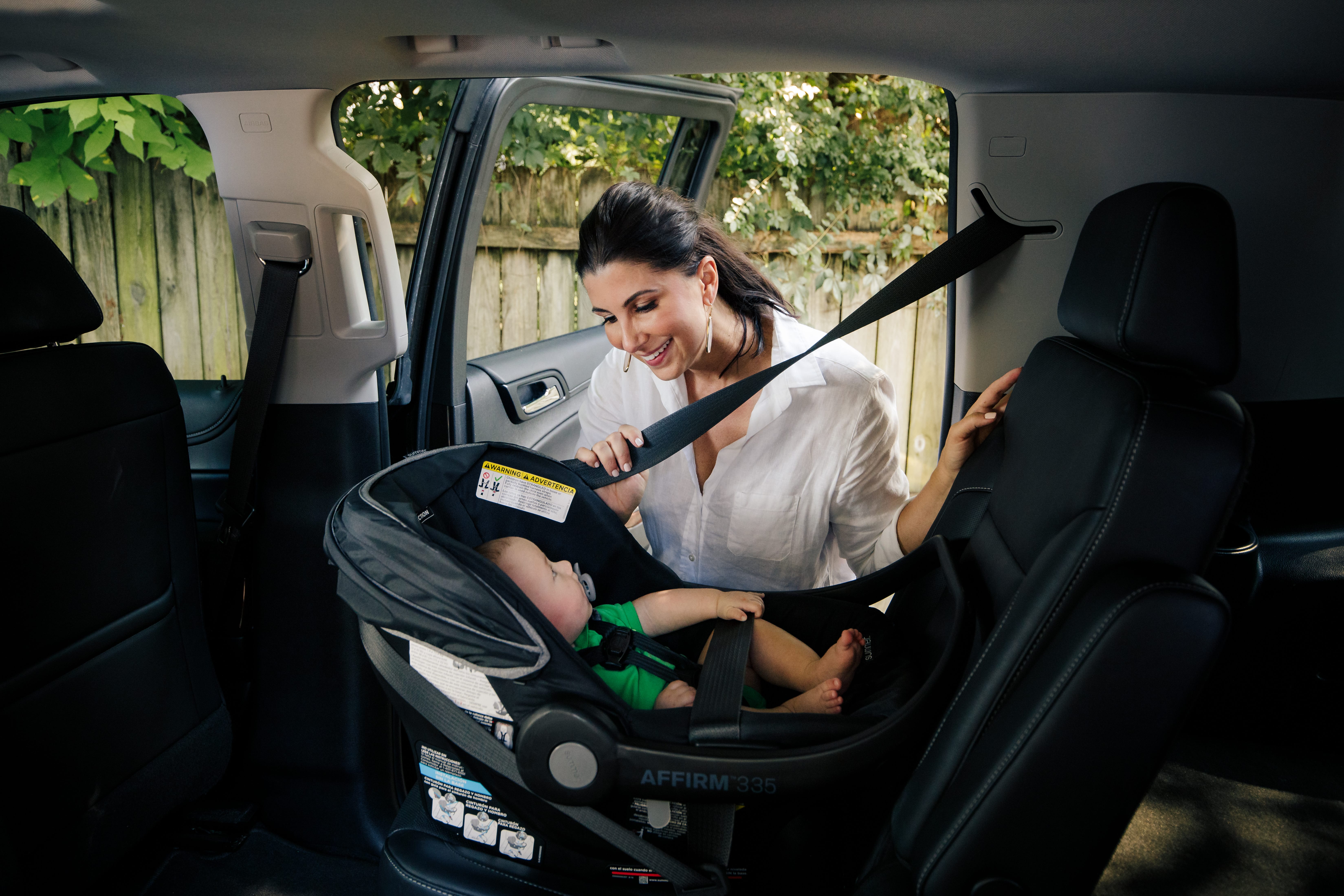
Infant car seats are designed for newborns and small babies, usually up to 22-35 pounds. They are rear-facing only, which is the safest position for young children because it supports their head and neck during sudden stops.
These seats are often lightweight and come with a handle for easy carrying. The best spot to install an infant car seat is the back seat, preferably in the middle if your vehicle allows. This position offers the most protection from side impacts.
Convertible Car Seats
Convertible car seats grow with your child, starting as rear-facing for babies and switching to forward-facing as they get older. They support children up to 40-65 pounds rear-facing and up to 65-75 pounds forward-facing, depending on the model.
Placing a convertible car seat in the back seat is essential. Many parents find it easier to install these seats on either side of the back seat for easier access. Have you tested your car’s seatbelt or LATCH system to ensure a snug fit?
Booster Seats
Booster seats are for older children who have outgrown their forward-facing car seats but are still too small for seat belts alone. They help position the seat belt correctly across the child’s shoulder and lap.
Always place booster seats in the back seat to reduce injury risk during crashes. Side seats work well for booster seats, but check your car’s manual for seatbelt fit and airbag locations. Do you know if your child’s booster seat is the right height and weight for your vehicle?
Installation Methods
Installing a baby car seat correctly ensures your child’s safety on every trip. There are several installation methods to secure the seat firmly inside your vehicle. Understanding these methods helps you choose the best option for your car and seat type.
Using Latch System
The LATCH system stands for Lower Anchors and Tethers for Children. It uses built-in anchors in the car to attach the car seat directly. This system is easy to use and often faster than seat belts. Most cars made after 2002 have LATCH anchors. Check your car manual to find the anchor locations. Ensure the car seat clicks firmly onto the anchors to avoid loose installation.
Seat Belt Installation
Seat belt installation is a universal method and works in almost all vehicles. Thread the seat belt through the car seat’s belt path as shown in the car seat manual. Buckle the seat belt and pull it tight to remove slack. Lock the seat belt if your vehicle allows it. The seat should not move more than one inch side to side or front to back. This method may take more time but is very secure.
Tether Strap Importance
The tether strap is a critical part of forward-facing car seat installation. It attaches the top of the car seat to an anchor point behind the vehicle seat. This strap limits the seat’s forward movement during a crash. Always use the tether strap if your car seat and vehicle have tether anchors. Tighten the strap to keep the car seat stable. This simple step enhances your child’s protection significantly.

Credit: chicco.ca
Common Installation Mistakes
Installing a baby car seat correctly is critical for your child’s safety. Many parents make common mistakes that reduce protection. Understanding these errors helps avoid risks and ensures proper use.
Errors often happen during installation or harness adjustment. These mistakes can cause the seat to move too much or fail to protect your baby in a crash.
Loose Seat Issues
A loose car seat can shift dangerously during travel. The seat should not move more than one inch side to side or front to back. Failing to tighten the seat belt or latch system causes looseness. This reduces the seat’s ability to absorb impact and protect your child.
Incorrect Angle
The seat must be at the right angle for your baby’s age and size. Too upright or too reclined positions can cause breathing problems or reduce crash protection. Many seats have angle indicators or adjusters. Ignoring these features leads to incorrect seat positioning.
Harness Position Errors
The harness keeps your baby secure inside the seat. Straps placed too high or too low reduce safety. For rear-facing seats, harness straps should be at or below shoulder level. For forward-facing seats, straps must be at or above the shoulders. Loose or twisted straps also weaken the harness’s effectiveness.
Vehicle Compatibility
Choosing the right spot for your baby’s car seat is crucial for their safety and comfort. Vehicle compatibility plays a significant role in this decision. Understanding how your car’s design and features interact with the car seat can prevent future headaches and ensure your little one is secure during every drive.
Checking Car Seat Fit
Before anything else, test how well the car seat fits in your vehicle. Not all car seats are designed to fit every car perfectly. It’s wise to take your car seat to the dealership or store and try fitting it in your car’s backseat.
Look for any gaps or instability when the car seat is installed. You want a snug fit that doesn’t allow for much movement. If the seat wobbles, it could be a sign that it’s not the right fit for your vehicle.
Consulting Vehicle Manual
Your vehicle’s manual is an invaluable resource when installing a car seat. It provides specific instructions on where and how to install car seats. Pay attention to sections discussing LATCH (Lower Anchors and Tethers for Children) systems if your car has them.
Some vehicles have weight limits for LATCH systems, which can affect your installation method. Always double-check this before proceeding. If unsure, contacting the car manufacturer can provide clarity.
Special Considerations For Suvs And Trucks
SUVs and trucks often come with unique challenges when installing a car seat. Raised seats or limited space can complicate matters. Consider the vehicle’s height, as lifting a car seat into a high truck repeatedly can be taxing.
Additionally, some SUVs have narrower back seats, affecting how the car seat fits. If space is tight, you might need to adjust or choose a different car seat model. Always prioritize ease of use and safety over aesthetics or convenience.
Safety Tips And Regulations
Placing your baby’s car seat correctly is about more than just convenience—it’s a crucial safety matter. Understanding safety tips and regulations helps protect your little one every time you hit the road. Let’s break down key guidelines you need to know to keep your baby secure and compliant with laws.
Age And Weight Guidelines
Babies grow fast, and their car seats need to match their size and age. Most infant seats are designed for newborns up to about 30 pounds, but always check the manufacturer’s limits. Using a seat that fits your baby’s current weight and height is vital to ensure proper protection.
Rear-facing seats are safest for infants and toddlers—usually recommended until at least age 2 or until your child reaches the maximum weight or height allowed. Have you checked if your seat still meets these criteria recently?
Local Laws And Standards
Your state or country sets specific rules about where and how car seats should be installed. These laws can vary widely, from which seats are required to the placement of the seat in your vehicle. Make sure you know the regulations where you live to avoid fines and, more importantly, keep your child safe.
For example, some areas require children to ride in the back seat until a certain age. Others specify harness types or how long to keep children rear-facing. Have you reviewed the latest regulations for your area?
Regular Seat Checks
Car seats can loosen or become damaged over time, so frequent inspections are crucial. Check the seat’s installation after every trip to ensure it hasn’t shifted or loosened. Also, examine straps and buckles for wear and tear.
Cleaning your car seat regularly prevents dirt buildup that might affect the buckles or straps. Don’t forget to verify the expiration date on your car seat, as materials degrade and safety can be compromised. When was the last time you gave your baby’s car seat a thorough check?
Additional Safety Accessories
Additional safety accessories improve your baby’s comfort and protection during car rides. These tools help keep the car seat secure and your child safe. They also make travel easier and more enjoyable for both parents and babies.
Seat Protectors
Seat protectors shield your car’s upholstery from damage and spills. They prevent indentations caused by the car seat base. Most protectors have non-slip backing to keep the car seat stable. Easy to clean, they help maintain your car’s interior. Choose one that fits well and supports proper car seat installation.
Sun Shades
Sun shades block harsh sunlight and reduce glare inside the car. They protect your baby’s sensitive skin from UV rays. Shades help keep your child cool and comfortable during sunny drives. Many attach easily to windows with suction cups or static cling. Opt for shades that fit your car windows securely and do not obstruct the driver’s view.
Mirror Installation
Mirrors allow you to see your baby while driving without turning around. Install a baby mirror on the rear headrest facing the back seat. It helps monitor your child’s safety and comfort at all times. Choose mirrors with adjustable angles and shatterproof glass. Secure installation prevents distractions and keeps the mirror stable.

Credit: orbitbaby.com
Credit: www.safeintheseat.com
Frequently Asked Questions
Where Is The Safest Place For A Baby Car Seat?
The safest spot is the back seat, ideally the middle position. It reduces injury risk in crashes by avoiding side impacts.
Can I Put A Baby Car Seat In The Front Seat?
It is not recommended. Front seats have airbags that can harm babies during accidents. Always use the back seat.
How Do I Install A Baby Car Seat Correctly?
Follow the manufacturer’s instructions carefully. Ensure the seat is tightly secured using the seat belt or LATCH system.
When Should I Switch The Baby Car Seat Position?
Keep the seat rear-facing until at least age 2 or until the child reaches height and weight limits.
Conclusion
Choosing the right spot for a baby car seat keeps your child safe. The back seat is usually best for protection. Always follow the car seat and vehicle instructions carefully. Check that the seat is installed tightly and correctly. Make sure your child fits the seat size and weight limits.
Regularly inspect the car seat for wear or damage. Safety matters most, so take your time to secure the seat well. A proper car seat placement gives you peace of mind on every trip. Safety first, always.