
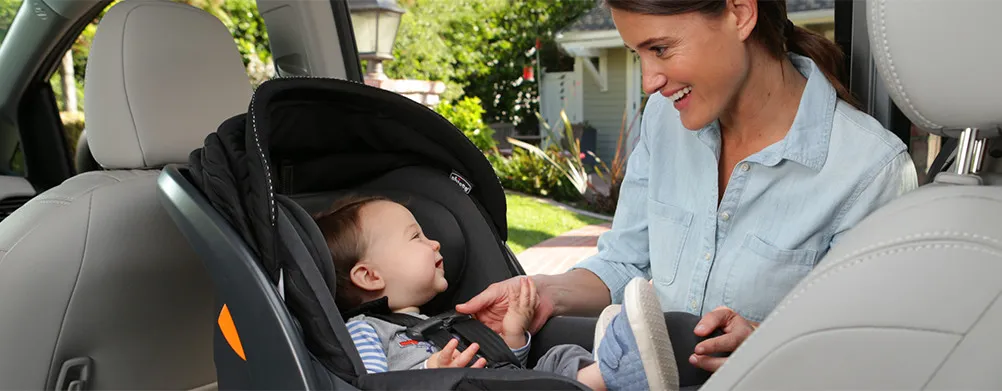
Choosing the right spot to install your baby car seat is more important than you might think. It’s not just about fitting the seat in your car—it’s about keeping your little one safe every time you drive.
You want to make sure you’re doing it correctly, but with so much information out there, it can feel overwhelming. This guide will help you find the safest and most practical place for your baby car seat, so you can drive with peace of mind.
Keep reading to discover simple tips that protect your child and make your life easier.
Credit: bestfamilycars.com.au
Best Car Seat Positions
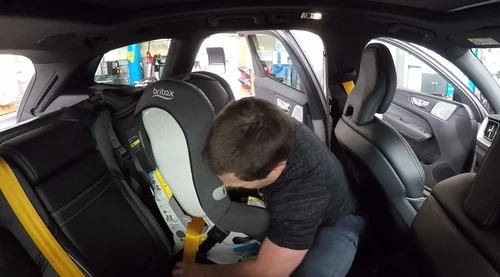
Choosing the right car seat position is crucial for your baby’s safety. The car’s layout affects how well the seat protects your child during travel. Some seats offer better crash protection than others. Knowing the best spot helps keep your baby secure and comfortable.
Rear Middle Seat Benefits
The rear middle seat is the safest place for a baby car seat. It is farthest from impact in most crashes. This position reduces the risk of injury. It also offers better protection from side collisions. Most cars have a lap and shoulder belt here, ideal for securing the seat tightly.
Installing the seat in the middle keeps your baby away from doors. This lowers the chance of accidental opening or impact. It also allows you to monitor the child easily from both sides. Many experts recommend the rear middle seat for these reasons.
Side Rear Seats
Side rear seats are common for car seat installation. They are easier to access than the middle seat. This spot can be a good choice if your car lacks a middle seat belt. The side seats often have lower anchors for the LATCH system.
Keep in mind, side seats are closer to doors and windows. Side impact crashes pose a higher risk here. Use a high-quality car seat with strong side impact protection. Secure the seat firmly to minimize movement during travel.
Front Seat Risks
The front passenger seat is not safe for baby car seats. Airbags can cause serious injuries to infants. Most safety rules advise against placing a car seat in front. The front seat is closer to dashboard and windshield hazards.
Only use the front seat if your car has no back seats. In such cases, deactivate the airbag before installing the car seat. Always follow the car seat and vehicle manual instructions. The back seat remains the best choice for child safety.
Types Of Baby Car Seats
Choosing the right type of baby car seat is crucial for your child’s safety. Each seat suits different ages and sizes. Understanding these types helps you pick the best option for your baby’s needs. Below are the main types of baby car seats commonly used.
Rear-facing Seats
Rear-facing seats support a baby’s head, neck, and spine during sudden stops. They are the safest option for newborns and infants. Most experts recommend keeping children rear-facing until at least age two. These seats fit in the back seat, facing the rear of the vehicle.
Convertible Seats
Convertible seats grow with your child. They start as rear-facing for infants. Later, you can turn them forward-facing for toddlers. These seats offer longer use and good protection. They often have adjustable harnesses and recline positions.
Booster Seats
Booster seats raise older children to fit vehicle seat belts correctly. They are for kids who outgrow forward-facing seats but still need extra height. Booster seats help the seat belt sit across the chest and hips safely. They are used until a child is tall enough for seat belts alone.
Installation Techniques
Installing your baby’s car seat correctly is crucial for safety and peace of mind during every ride. Understanding the best techniques helps you secure the seat firmly and protect your child in case of sudden stops or accidents. Let’s dive into practical ways to install the car seat effectively.
Using Latch System
The LATCH system, which stands for Lower Anchors and Tethers for Children, is designed to make installation easier and safer. You’ll find built-in anchors in your vehicle’s back seat that connect directly to the car seat’s hooks.
Attach the lower anchors first, then tighten the straps until the seat doesn’t move more than an inch side to side or front to back. Don’t forget to use the top tether strap if your seat has one—it adds extra stability.
Have you checked if your car and seat both support LATCH? Some older vehicles or certain car seats might not have compatible anchors, so always verify before relying on this method.
Seat Belt Installation
If your car or seat doesn’t support LATCH, the seat belt is your next best option. Thread the seat belt through the correct path on the car seat, usually clearly marked by the manufacturer.
Lock the seat belt by pulling it all the way out and then letting it retract slowly; this engages the locking mechanism. After tightening, press down on the car seat firmly to reduce movement.
Have you ever struggled with a loose seat belt installation? It helps to enlist a second pair of hands to hold the seat in place while you tighten the belt.
Avoiding Common Mistakes
Even the best intentions can lead to mistakes during installation. Avoid placing the car seat in the front passenger seat, especially if there’s an active airbag—it can cause serious injury in a crash.
Don’t use aftermarket products like seat belt clips or cushions that haven’t been approved by safety authorities. These can interfere with the car seat’s performance.
Lastly, double-check that the seat is installed at the correct recline angle; too upright or too reclined can compromise safety. Have you reviewed the seat’s manual recently to confirm installation steps? Small oversights can make a big difference.
Credit: dondoreviews.com
Safety Tips
Installing a baby car seat requires attention to safety. Proper installation ensures your child’s protection during travel. Focus on these essential tips to maximize safety.
Checking Harness Fit
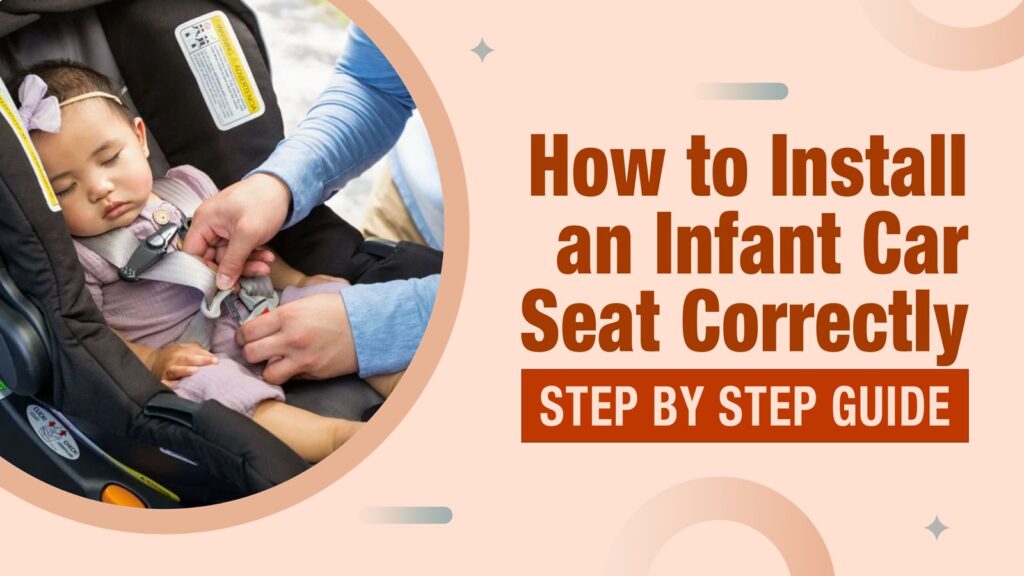
Ensure the harness fits snugly against your child’s body. There should be no slack. The chest clip must be at armpit level. Check for proper fit before every trip.
Avoiding Bulky Clothing
Bulky clothes can affect harness fit. Dress your child in thin layers. Add blankets over the harness if needed for warmth. This ensures the harness is tight and effective.
Regular Seat Inspections
Inspect the car seat regularly for damage. Check for loose parts or wear. Ensure the seat is securely attached to the vehicle. Regular checks maintain optimal safety.
Ensuring Comfort
Ensuring comfort in a baby car seat is vital for your child’s safety and happiness. A comfortable seat helps your baby stay calm during trips. It also supports proper posture and reduces fussiness. Focus on key areas like padding, temperature, and recline angle to create the best environment.
Proper Padding
Good padding cushions your baby’s body and prevents pressure points. Choose a car seat with soft, thick padding made of breathable materials. Add extra inserts or head supports if needed. Avoid bulky blankets or pillows that can affect the seat’s safety features.
Temperature Control
Keep the car seat cool in summer and warm in winter. Use sunshades on windows to block direct sunlight. Dress your baby in layers to adjust easily. Avoid overheating or chilling, as both can cause discomfort and fussiness during rides.
Adjusting Recline Angle
Set the recline angle according to your baby’s age and size. Newborns need a more reclined position to support their necks. Older babies can sit more upright for better visibility. Check your car seat manual for the correct angle and adjust as needed for comfort and safety.
Legal Requirements
Understanding the legal requirements for installing a baby car seat is crucial for your child’s safety and your peace of mind. These laws are designed to protect your little one during every trip, no matter how short. Knowing the rules helps you avoid penalties and, more importantly, ensures the car seat is used correctly.
Age And Weight Guidelines
Each car seat is designed to fit a specific age and weight range. You must follow these guidelines strictly to provide the best protection. Using a seat that’s too small or too large for your child can increase the risk of injury.
Typically, infants start with rear-facing seats until they reach at least 2 years old or the maximum weight allowed by the seat manufacturer. After that, children move to forward-facing seats with harnesses, followed by booster seats until they’re tall enough for regular seat belts.
Check the labels on your car seat for exact weight and height limits. Have you ever wondered if your child is still safely secured or if it’s time to upgrade? Staying within these limits is not just a recommendation—it’s the law in many places.
State Laws
Every state has its own specific laws about where and how to install baby car seats. These laws dictate the type of seat required, the placement in the vehicle, and when your child can transition to the next stage.
Some states require children to ride rear-facing until a certain age, while others have different rules for booster seats. It’s important to look up your state’s specific regulations to ensure compliance.
Ignoring these laws can lead to fines or even more serious consequences. Have you checked your state’s official transportation website lately? Staying informed helps you keep your child safe and avoid costly mistakes.
Car Seat Expiry Dates
Car seats are not meant to last forever. Manufacturers include expiry dates to ensure that the materials remain strong and the safety features effective. Using an expired car seat puts your child at risk because components can degrade over time.
Typically, car seats expire 6 to 10 years after the manufacturing date. This information is usually printed on a label or molded into the plastic of the seat.
Don’t overlook this detail. Have you ever used an old car seat handed down from a friend or family member? Always verify the expiry date before installation to guarantee your child’s safety on the road.
Travel Tips
Traveling with your baby can be both exciting and challenging. Knowing how to manage the journey effectively makes a huge difference in comfort and safety. Here are some travel tips to help you make the most of your trip while ensuring your baby car seat is used correctly and your little one stays happy.
Frequent Breaks
Babies need to stretch and move regularly, especially during long drives. Plan to stop every 1 to 2 hours to give your baby a break from the car seat. This helps prevent fussiness and keeps your child comfortable.
Use these breaks to change diapers, feed, or just hold your baby outside the vehicle. Have you noticed how a short walk can instantly calm a restless baby? These pauses benefit both you and your child.
Keeping Baby Entertained
Keeping your baby entertained during travel is key to a peaceful ride. Pack a few favorite toys or soft books within easy reach. Consider playing gentle music or singing to your baby to keep them engaged.
Changing the scenery by using a baby mirror to let them see you can also capture their attention. What simple trick do you find works best to keep your baby smiling on the road?
Emergency Preparedness
Accidents and delays can happen, so always be prepared for emergencies. Carry a well-stocked diaper bag with essentials like diapers, wipes, extra clothes, and snacks. Include a small first aid kit tailored for babies.
Have contact numbers and your pediatrician’s information handy. Planning ahead for unexpected situations helps you stay calm and focused on your baby’s safety.
Credit: uppababy.com
Frequently Asked Questions
Where Is The Safest Spot For A Baby Car Seat?
The safest spot is the rear middle seat. It offers maximum protection from side impacts. Always check your car’s manual for specific recommendations.
Can I Install A Baby Car Seat In The Front Seat?
It is not recommended to install a baby car seat in the front seat. Airbags can cause serious injury. Always place the seat in the back seat for safety.
How Do I Properly Secure A Baby Car Seat?
Use either the seat belt or LATCH system to secure the seat tightly. Ensure there is no more than one inch of movement at the base.
When Should I Switch The Baby Car Seat Position?
Switch positions when the baby outgrows the seat’s height or weight limits. Follow the manufacturer’s guidelines for correct usage and safety.
Conclusion
Choosing the right spot for your baby car seat keeps your child safe. The back seat is usually best, away from airbags. Make sure the seat is tightly installed and does not move. Follow the car and seat instructions carefully every time.
Double-check the angle and harness fit for comfort and security. Safety matters most on every ride. Your baby deserves the best protection on the road. Keep these tips in mind for peace of mind.