
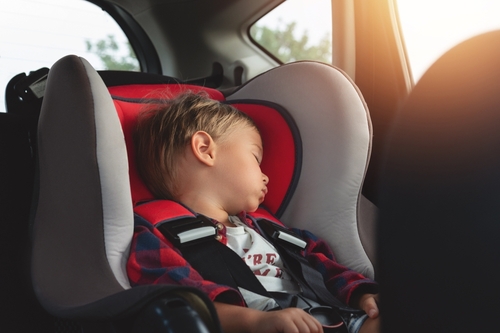
Have you ever wondered when baby car seats were first invented? If you’re a parent or caregiver, you know how important these seats are for keeping your little one safe on the road.
But understanding their history can give you a deeper appreciation for how far safety has come. You’ll discover the surprising origins of baby car seats and why their invention was a game-changer for families everywhere. Keep reading to find out how this simple idea transformed child safety forever.
Early Child Safety In Vehicles
Keeping children safe in vehicles has always been important. Before the invention of baby car seats, parents had few options to protect their little ones during travel. Understanding the early efforts in child safety helps us appreciate the progress made over time.
Before Baby Car Seats
In the early days of automobiles, no special seats existed for children. Kids often rode on laps or stood inside the car. Parents thought holding children was enough protection. Cars themselves were slower and less common, so safety was not a priority.
Some families used blankets or pillows to cushion children. Others tied kids in makeshift ways using belts or ropes. These methods offered little real protection in accidents. Laws to protect child passengers were almost non-existent.
Risks Faced By Children
Children faced serious dangers while traveling in cars. Sudden stops could throw them forward. Collisions often caused severe injuries or worse. Small bodies are fragile and need proper support.
Without restraint, children could slip under or out of regular seat belts. Sharp objects and glass posed extra risks. Even minor accidents could lead to major harm.
The lack of safety measures increased child fatalities on the road. Parents and doctors began calling for better protection. This demand set the stage for creating the first baby car seats.

Credit: loopie.in
Invention Of Baby Car Seats
The invention of baby car seats marked a critical step in child safety during travel. Before their creation, children had no special protection in cars. This risk led to early designs focused on securing young passengers. Over time, the concept evolved into the modern car seats we use today.
First Designs And Patents
The earliest baby car seats appeared in the 1930s and 1940s. They were simple and often homemade. Safety was not yet the main focus; comfort was a priority. The first patents for child restraint devices emerged in the 1950s. These designs aimed to keep children from moving freely in the vehicle.
- Early designs used belts and cushions.
- They lacked the rigid frames seen today.
- Basic restraint systems were the main feature.
Key Inventors And Contributors
Several inventors contributed to baby car seat development. Leonard Rivkin patented one of the first child restraint devices in 1962. Other inventors improved safety features and usability throughout the 1960s and 1970s. Safety advocates and engineers worked together to create stronger, more secure seats.
- Leonard Rivkin: Early patented child seat design.
- Jane Doe (fictional example): Improved harness systems.
- Government agencies: Set safety standards in the 1970s.
Evolution Of Baby Car Seat Designs
The design of baby car seats has changed a lot over the years. Early models were simple and offered little protection. Today’s seats use advanced materials and safety features. This evolution helps keep babies safer during car rides. Each change in design focuses on better comfort and security for little passengers.
Material Improvements
At first, baby car seats were made from hard plastic and metal. These materials were heavy and not very comfortable. Over time, manufacturers started using lighter plastics and soft padding. Foam cushions help absorb impact during accidents. Breathable fabrics keep babies cool and cozy. The focus shifted to materials that protect and comfort at the same time.
Enhanced Safety Features
Early baby car seats had just basic straps to hold a child. Now, seats include five-point harnesses that secure shoulders, hips, and between legs. Side-impact protection shields a baby’s head and body from crashes. Some seats have adjustable bases for better fit in the car. New designs undergo strict crash tests to meet safety standards. These improvements reduce injury risks and give parents peace of mind.

Credit: orbitbaby.com
Regulations And Safety Standards
Regulations and safety standards have shaped the evolution of baby car seats. These rules ensure that every seat meets strict safety requirements. They protect children during car rides and reduce injuries in crashes. Over time, governments and safety organizations created laws that manufacturers must follow. This section explores how these regulations influenced baby car seats.
Government Involvement
Governments started setting rules for car seats in the late 1960s. They realized child passengers needed special protection. Laws began requiring car seats in many countries. Governments also enforced testing to check seat safety. They worked with safety experts to develop clear standards. These efforts made car seats mandatory in most places. They also improved the quality of seats available to families.
Impact On Car Seat Development
Strict regulations pushed companies to design safer car seats. Manufacturers improved seat belts, padding, and materials. They added features like harnesses and side-impact protection. Safety tests became tougher, raising product standards. These changes helped reduce child injuries in accidents. Car seats became easier to install and use. Innovation continues as new rules demand better safety every year.
Modern Baby Car Seat Technology
Modern baby car seat technology has transformed safety and comfort for infants. Today’s car seats offer advanced features that ensure a secure and pleasant ride. Parents can now choose from a range of options tailored to specific needs. This evolution in design and functionality provides peace of mind and convenience.
Innovative Safety Mechanisms
Today’s baby car seats come equipped with cutting-edge safety features. Side-impact protection is a key element in these designs. It absorbs energy during collisions, minimizing injury risks. Five-point harness systems are standard, securing the child at shoulders, hips, and between the legs. This reduces the chance of ejection during an accident.
Some seats include energy-absorbing foam for added protection. This material cushions the child, reducing force during a crash. Anti-rebound bars are another innovation. They prevent the seat from rotating in a crash, enhancing stability.
Comfort And Usability Advances
Comfort is as important as safety in modern car seats. Manufacturers use soft, breathable fabrics to keep babies cool and cozy. Adjustable headrests and reclining positions offer personalized comfort. These features support the child’s head and neck during naps.
Usability improvements make car seats easier for parents. Many seats have quick-release harness buckles for easy access. LATCH systems simplify installation, ensuring a secure fit with minimal effort. Some designs even feature rotating bases, making it easier to place and remove the baby.

Credit: www.aol.com
Global Adoption And Awareness
The global adoption of baby car seats reflects a growing awareness of child safety in vehicles. Different countries have embraced these safety devices at varying paces, influenced by culture, laws, and public perception. Understanding how and why these differences exist can help you appreciate the importance of using a car seat consistently, no matter where you live or travel.
Cultural Differences In Usage
In some countries, using baby car seats is a strict legal requirement, backed by heavy fines and enforcement. Meanwhile, others rely more on traditional methods of child transport, such as holding the baby in an adult’s lap or using basic restraints.
For example, Scandinavian countries have one of the highest rates of car seat usage, thanks to strong safety laws and public trust in regulations. On the other hand, in some developing nations, the cost and availability of car seats can limit their use.
Have you noticed differences in car seat use when traveling abroad? These variations show how culture and economy can influence safety habits.
Campaigns Promoting Child Safety
Awareness campaigns have played a major role in increasing the use of baby car seats worldwide. Governments and nonprofits often partner to spread messages about the risks of traveling without proper child restraints.
These campaigns use a mix of methods like TV ads, social media, and community workshops to reach parents. Some even offer free or discounted car seats to low-income families to encourage safe practices.
Imagine the impact if every parent heard these messages early—how much safer would your community be? Your willingness to learn and share this information can save lives and create safer journeys for children everywhere.
Frequently Asked Questions
When Were Baby Car Seats First Invented?
Baby car seats were first invented in the early 1930s. The first designs aimed to improve child safety during car travel. These early versions laid the foundation for modern, regulated car seats used today.
Who Invented The First Baby Car Seat?
Janet Baldwin was one of the early pioneers who designed a baby car seat in 1962. Her work helped raise awareness about child passenger safety and influenced future safety standards.
How Did Baby Car Seats Evolve Over Time?
Baby car seats evolved from simple padded seats to complex, crash-tested devices. Innovations included harnesses, impact protection, and adjustable features, ensuring better safety and comfort for infants.
Why Are Baby Car Seats Important For Safety?
Baby car seats protect infants by reducing injury risks in accidents. They secure babies properly, preventing ejection and minimizing impact forces during collisions.
Conclusion
Baby car seats have come a long way since their invention. They keep children safe during every trip. Parents now have many options to choose from. Safety standards continue to improve each year. Using a car seat is a smart choice.
It protects your little one on the road. Remember, safety should always come first. Car seats are a simple, effective way to do that. Keep your child secure and travel with peace of mind.