
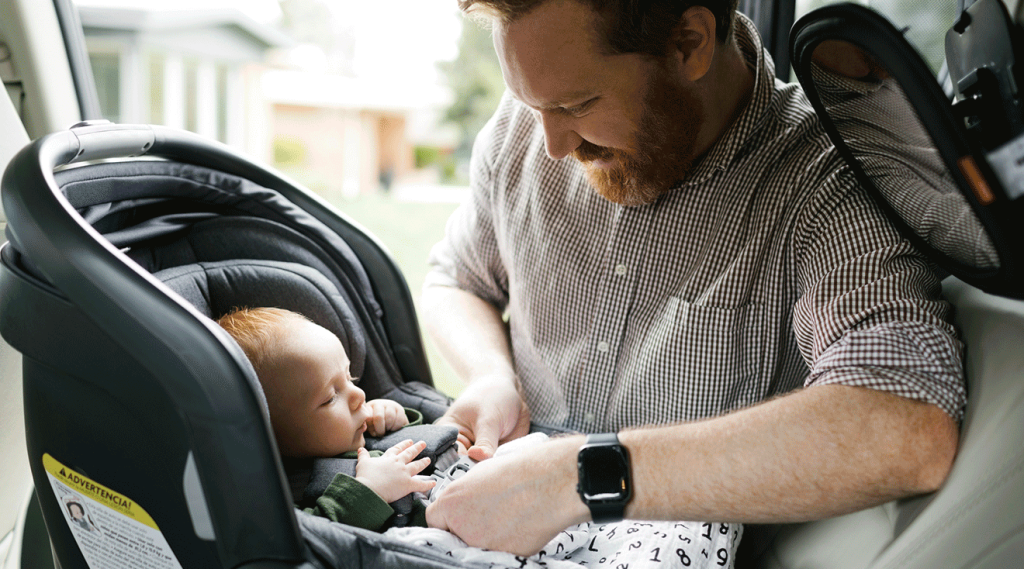
You want to keep your baby safe every time you hit the road. But when is the right time to turn your baby’s car seat forward?
It’s a question many parents wonder about. Making the switch too soon can put your little one at risk, while waiting too long might feel uncomfortable for them. You’ll discover clear, easy-to-follow guidelines to help you decide the perfect moment to turn your baby’s car seat forward—so you can drive with confidence and peace of mind.
Keep reading to learn how to protect your child the best way possible.

Credit: www.thule.com
Rear-facing Vs Forward-facing
Choosing between rear-facing and forward-facing car seats matters for your baby’s safety. Babies grow fast, but their bodies stay fragile for months. The direction of their car seat can protect them during sudden stops or crashes.
Rear-facing seats support the head, neck, and spine better than forward-facing ones. Experts say keeping babies rear-facing longer reduces injury risks. This section explains the benefits and dangers of each position. It also covers age and weight guidelines to help decide the right time to turn your baby’s seat.
Benefits Of Rear-facing Seats
- Protects baby’s head and neck during crashes
- Spreads crash forces over the entire body
- Reduces risk of serious injuries
- Offers better support for a baby’s fragile spine
- Recommended for infants and toddlers up to age 2 or more
Risks Of Early Forward-facing
- Increases chance of head and neck injuries
- Less support for spine in sudden stops
- Can cause severe trauma in crashes
- Babies’ bodies are not strong enough for forward-facing impact
Age And Weight Recommendations
| Seat Position | Minimum Age | Weight Range |
|---|---|---|
| Rear-Facing | Birth to at least 2 years | Up to 40 pounds (varies by seat) |
| Forward-Facing | At least 2 years or older | Typically 20 to 65 pounds |
Safety Standards And Regulations
Understanding safety standards and regulations is vital for knowing when to turn a baby car seat forward. These rules protect children during travel and reduce injury risks. They also help parents follow the best practices based on research and expert advice.
Current Legal Requirements
Most countries require children to ride in rear-facing seats until a certain age or weight. This rule exists because rear-facing seats better protect a child’s head and neck in crashes. Laws often specify minimum age or weight limits before turning the seat forward.
Car seat laws vary but typically include:
- Minimum age, often 2 years old
- Weight limits, usually around 20 to 30 pounds
- Height considerations for safety harness use
Updates In Car Seat Guidelines
Experts update car seat guidelines regularly. These updates reflect new safety data and crash testing results. Recent advice encourages keeping children rear-facing longer than before. This change improves protection against serious injuries.
Parents should check guidelines from trusted groups like the American Academy of Pediatrics. These groups recommend children stay rear-facing until at least age 2 or until reaching the seat’s maximum limits.
Variations By Region
Safety rules for car seats differ by country and state. Some places have stricter laws, while others offer more flexibility. It is important to know the local regulations before changing a car seat’s position.
For example:
- In the U.S., laws vary by state but generally require rear-facing until age 2.
- In Europe, many countries follow similar rules but with different weight limits.
- Other regions may have unique standards based on vehicle types and road conditions.
Signs Your Baby Is Ready
Knowing when to turn your baby’s car seat forward is important for safety. Babies develop at different rates. Watching for clear signs helps you decide the right time. These signs show your baby is ready to face forward without risk.
Physical Growth Indicators
- Your baby’s neck can hold up their head steadily.
- The baby reaches the height or weight limit for rear-facing seats.
- Shoulders are wider than the car seat’s harness slots allow rear-facing.
Behavioral Cues
- Your baby shows discomfort or fussiness in the rear-facing position.
- The baby tries to turn or twist around frequently in the seat.
- Interest in looking out the window or interacting with surroundings increases.
Manufacturer’s Limits
Every car seat has specific height and weight limits. These limits tell you when forward-facing is allowed. Check the instruction manual carefully. Following these guidelines keeps your baby safe and secure.

Credit: maxicosi.com
Transitioning Safely
Transitioning your baby’s car seat from rear-facing to forward-facing is a big milestone that demands careful attention. It’s not just about flipping the seat around; it’s about making sure your child stays safe and comfortable every mile of the journey. Understanding the right time and the best way to make this switch can help you avoid common mistakes that put your little one at risk.
Choosing The Right Forward-facing Seat
Not all forward-facing seats are created equal. You want one that fits your child’s current weight and height while offering strong side-impact protection.
Look for seats with a five-point harness system—this design holds your child securely in place. Also, check if the seat has easy-to-adjust features so you can customize the fit as your child grows.
Have you noticed how some seats feel bulky but others are streamlined? Think about your vehicle’s space and how the seat will fit before making a purchase.
Proper Installation Tips
Even the best car seat won’t protect your child if it’s not installed correctly. Always follow the manufacturer’s instructions and double-check every strap and buckle.
Use the vehicle’s lower anchors or seat belt to secure the seat tightly. It should not move more than an inch side-to-side or front-to-back.
Consider visiting a certified car seat technician if you’re unsure about the installation. They can spot mistakes you might miss and give you peace of mind.
Using Harnesses Correctly
The harness system is your child’s first line of defense in a crash. Make sure the straps lie flat without twists and are snug enough that you can’t pinch excess webbing.
Position the harness straps at or above your child’s shoulders for forward-facing seats. This positioning helps keep them secure without causing discomfort.
Ask yourself: are you checking the harness fit every time you buckle up? Kids grow fast, and what fit yesterday might be loose today.
Common Mistakes To Avoid
Turning a baby car seat forward too soon can put your child at risk. Waiting until they meet height and weight limits ensures safer travel. Many parents rush this step, but patience protects your baby better.
When it comes to turning your baby’s car seat forward, there are several common mistakes that parents often make. These errors can compromise your child’s safety during car rides. Understanding these pitfalls is crucial to ensure your little one is as safe as possible on the road.Switching Too Early
Many parents are eager to switch their child’s car seat to a forward-facing position. The temptation to give your child a better view is strong. However, this decision should be based on weight and height guidelines, not age. Keeping your child rear-facing as long as possible is the safest option. Before making the switch, check your car seat’s manual for specific requirements.Incorrect Seat Installation
Improper car seat installation is another common mistake. Even with the best intentions, a slightly loose seat can be dangerous. Always ensure the seat is tightly secured by pushing it down firmly into the car seat while tightening the straps. Double-check the angle of the seat; it should align with the manufacturer’s guidelines. A quick visit to a local fire station or child safety center can provide peace of mind with a professional inspection.Ignoring Seat Expiry Dates
Car seats, like many products, have expiry dates. Over time, the materials can degrade, compromising safety. It’s easy to overlook this detail, especially if the seat looks fine. Always check the expiration date on your car seat, typically found on a sticker or embossed on the plastic. Using an expired seat could mean it won’t perform well in a crash. Investing in a new seat when necessary is a small price for your child’s safety. Avoiding these common mistakes can significantly enhance your child’s safety on the road. Are you confident your child’s car seat is properly installed and up-to-date? Taking a few extra moments to check can make all the difference.Expert Recommendations
Experts provide clear advice on when to turn a baby car seat forward. Their guidelines focus on safety and the child’s development. Following expert recommendations helps protect your child during every ride.
Pediatrician Advice
Pediatricians often say to keep babies rear-facing as long as possible. This position supports the head, neck, and spine better in crashes. They recommend waiting until the child reaches the car seat’s height or weight limit. Usually, this means keeping the seat rear-facing until at least age 2. Pediatricians emphasize comfort and safety over early forward-facing.
Safety Organization Guidelines
Major safety groups like the American Academy of Pediatrics set clear rules. They advise using rear-facing seats for toddlers until they outgrow size limits. The National Highway Traffic Safety Administration agrees. They state turning forward should only happen after children reach the seat’s maximum rear-facing weight or height. These guidelines reduce serious injuries in accidents.
Real-world Case Studies
Studies show children in rear-facing seats have fewer injuries in crashes. Data from crash reports highlight the importance of delaying forward-facing. Many families report peace of mind by following expert advice. Real stories confirm that rear-facing seats save lives and protect children better.
Credit: harubina.co.jp
Frequently Asked Questions
When Is It Safe To Turn A Baby Car Seat Forward?
It is safe to turn a baby car seat forward once your child reaches the manufacturer’s height and weight limits for rear-facing. Usually, this is after age 2, but check your car seat manual for specific guidelines to ensure maximum safety.
Why Keep Baby Car Seats Rear-facing Longer?
Rear-facing seats better protect a baby’s head, neck, and spine in crashes. Keeping your child rear-facing as long as possible significantly reduces injury risks. Safety experts recommend rear-facing until at least age 2 or until the seat’s rear-facing limits are reached.
What Are The Height And Weight Limits For Forward-facing?
Forward-facing conversion depends on your car seat’s height and weight limits. Typically, children should weigh at least 20-22 pounds and be about 26-30 inches tall. Always refer to your car seat manual for exact limits before turning it forward.
How To Know If Baby Car Seat Is Ready To Turn?
Check your child’s weight, height, and age against the car seat’s rear-facing limits. If your child exceeds these limits, it’s time to switch to forward-facing. Ensure the seat is installed correctly and that your child fits comfortably and securely.
Conclusion
Keep your baby in a rear-facing car seat as long as possible. This position protects their head and neck better. Switch to forward-facing only when your child reaches the seat’s height and weight limits. Always follow the car seat manufacturer’s rules carefully.
Safety matters most in every ride. Remember, a properly installed seat saves lives. Stay informed and check your car seat regularly. Your child’s safety depends on these simple steps. Drive safe, and keep your little one secure.