
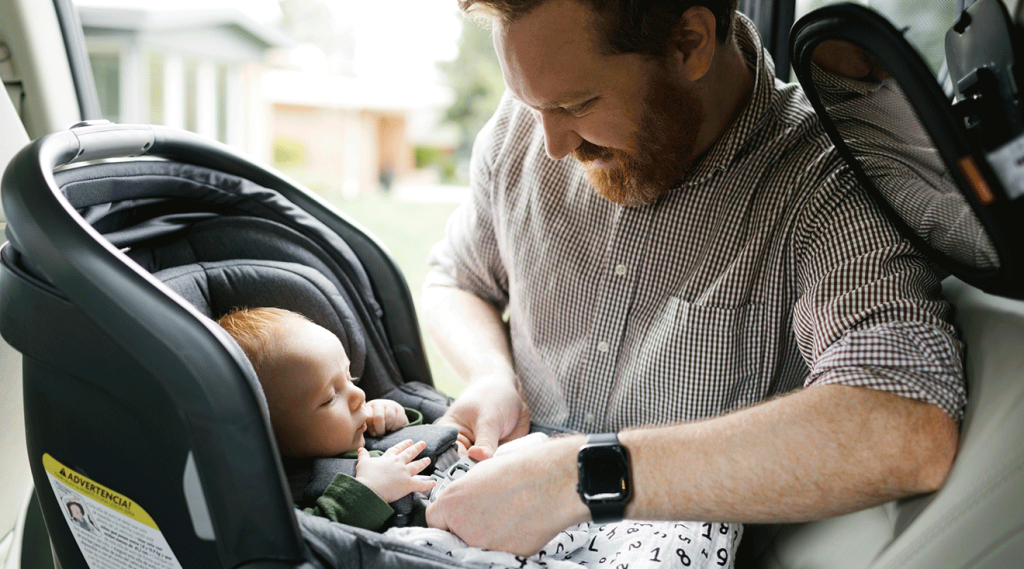
You want to keep your baby safe every time you hit the road. One of the most important decisions you’ll make is when to turn your baby around in their car seat.
It’s not just about convenience or comfort—it’s about protecting your little one in case of an accident. But how do you know the right time to make the switch? Making this choice at the wrong moment can put your child at risk, and that’s something no parent wants.
Keep reading to find out exactly when and why you should turn your baby around in their car seat, so you can feel confident that you’re doing what’s best for your child’s safety.
Rear-facing Benefits
Choosing to keep your baby rear-facing in the car seat offers many benefits. It is the safest position for young children. This setup supports your baby’s head, neck, and spine better during a crash. Parents often wonder about the best time to turn their baby forward. Understanding the rear-facing benefits can help make that decision easier.
Safety Advantages
Rear-facing seats spread crash forces across the child’s body. This reduces the risk of serious injuries. The position protects the head and neck by preventing sudden forward movement. Studies show that children in rear-facing seats have fewer injuries in car accidents. The design of these seats absorbs much of the crash energy. This safety feature is critical in the first two years of life.
Impact On Development
Rear-facing seats support healthy spine growth. The gentle recline helps babies maintain a natural posture. This position also helps prevent pressure on the soft spots of the skull. Babies can see their surroundings without twisting their necks. This reduces strain and discomfort during trips. Keeping babies rear-facing longer supports their physical development and comfort.
Age And Weight Benchmarks
Understanding the right age and weight benchmarks for turning your baby around in their car seat is crucial for safety. These guidelines help ensure your child is secure during every ride. Ignoring them can increase the risk of injury in an accident.
Minimum Age For Turning
Most safety experts recommend keeping your baby rear-facing until at least 2 years old. This position better supports their head, neck, and spine in a crash. Some parents find it surprising how quickly babies grow, but patience here truly pays off in safety.
Have you noticed how alert your baby is during car rides? Rear-facing seats often keep them calmer and more comfortable, too. Before turning forward, double-check your car seat’s manual for any specific age restrictions.
Weight And Height Limits
Each car seat has specific weight and height limits for rear-facing use. Many convertible seats allow rear-facing up to 40 pounds or more, which might be beyond the 2-year mark. It’s important to follow these limits rather than just age alone.
| Car Seat Type | Typical Rear-Facing Weight Limit | Height Limit |
|---|---|---|
| Infant-only Seats | 22 to 35 lbs | Up to 32 inches |
| Convertible Seats | Up to 40-50 lbs | Up to 40 inches |
Does your current seat allow for extended rear-facing? Many parents don’t realize they can keep their child rear-facing longer simply by choosing the right seat. Check your car seat labels and measure your child regularly to avoid turning too soon.
Signs Your Baby Is Ready
Knowing when to turn your baby around in the car seat is key for their safety. Babies grow fast, and their needs change as they develop. Watching for signs that show your baby is ready helps you make the right choice. These signs fall into two main groups: physical indicators and behavioral cues. Both types give clues about your baby’s readiness to face forward in the car seat.
Physical Indicators
- Your baby’s head can stay steady without support.
- Neck muscles are strong enough to hold the head up.
- Your baby can sit up well with little help.
- The baby’s weight meets the car seat’s forward-facing limit.
- The baby’s height fits the car seat’s requirements for facing forward.
Behavioral Cues
- Your baby shows interest in the world outside the car seat.
- The baby tries to turn or look around while buckled in.
- Your baby seems uncomfortable or restless facing backward.
- The baby reacts positively or calms down when facing forward.
- Your baby can stay calm and secure in a forward-facing position.

Credit: maxicosi.com
Car Seat Types And Features
Choosing the right car seat and understanding its features can make a big difference in knowing when to turn your baby around. Different car seats have different weight and height limits, as well as specific safety features that impact the timing for switching from rear-facing to forward-facing. Let’s look at how various types of car seats guide your decisions and what features to watch for.
Convertible Seats
Convertible car seats are designed to adapt as your child grows. They start as rear-facing seats for infants and toddlers, then convert to forward-facing seats for older children. This flexibility means you can keep your baby rear-facing longer, which is safer in case of sudden stops or crashes.
Most convertible seats have clear labels showing the maximum weight and height for rear-facing use—often up to 40 pounds or more. If your baby still fits within these limits, it’s best to keep them rear-facing. Have you checked your seat’s manual lately? It might surprise you how long rear-facing is allowed.
Forward-facing Options
Forward-facing car seats are usually the next step after your child outgrows the rear-facing limits. These seats often come with a harness system that keeps your child secure until they’re ready for a booster seat. However, switching too early can increase injury risk, so it’s important to follow the seat’s guidelines closely.
Look for seats with adjustable harness heights and multiple recline positions. These features help maintain comfort and safety as your child grows. Think about your daily rides: does your child sit comfortably and securely? If not, it might be time to reconsider the car seat setup.
Expert Recommendations
Experts advise keeping babies rear-facing in car seats until at least age two. This position offers better head and neck protection during accidents. Always follow your car seat’s height and weight limits before turning your child forward-facing.
Determining the right time to turn your baby around in their car seat is a crucial decision for their safety. Parents often find themselves juggling between advice from various sources. Expert recommendations play a vital role in guiding you through this process with confidence.Pediatricians’ Advice
Pediatricians often emphasize the importance of keeping your child rear-facing as long as possible. They suggest this position because it offers better support for a baby’s head, neck, and spine in the event of a crash. Many pediatricians recommend waiting until your child reaches the maximum height or weight limit of the rear-facing seat.Safety Organizations’ Guidelines
Safety organizations like the American Academy of Pediatrics advocate for keeping children rear-facing until at least two years of age. These guidelines are based on extensive research and crash test data. By adhering to these recommendations, you’re significantly reducing the risk of injury. Parents might wonder if their child is uncomfortable or bored facing the back. It’s essential to understand that safety outweighs these concerns. Think about the peace of mind you’ll have knowing your child is as protected as possible. Use these expert recommendations to make informed decisions. Trusting in the experience and research-backed guidelines of professionals ensures your child’s safety on every journey.
Credit: www.anbbaby.com
Common Mistakes To Avoid
Turning a baby around in their car seat is a big decision for parents. Mistakes in timing or installation can affect safety. Knowing what to avoid helps keep your child safe during every ride. Below are common errors that many parents make.
Turning Too Early
Many parents switch their baby to a forward-facing seat too soon. Babies need to stay rear-facing for as long as possible. Rear-facing seats protect their head, neck, and spine better in crashes.
Check your car seat’s height and weight limits. Also, follow your pediatrician’s advice. Moving your baby early can increase injury risk during an accident.
Incorrect Installation
Installing a car seat incorrectly is a frequent mistake. Even a small error can reduce the seat’s protection. Always read the car seat manual carefully before installation.
- Ensure the seat is tightly secured and does not move more than one inch side to side.
- Use the correct seat belt path or LATCH system as instructed.
- Make sure the harness straps are snug and positioned at or below the baby’s shoulders when rear-facing.
Double-check installation every time you use the seat. Visit a local car seat inspection station for professional help if unsure.
Transitioning Tips
Transitioning your baby from rear-facing to forward-facing in a car seat is a big step. It requires careful preparation and attention to safety details. Understanding how to make this change smoothly helps protect your child and eases the adjustment for everyone.
Preparing Your Child
Talk to your child about the change before it happens. Explain that they will be sitting differently in the car and why it’s important for their safety.
Let your child practice sitting in the forward-facing seat while the car is parked. This helps them get used to the new position without feeling scared or uncomfortable.
Watch for signs of discomfort or fear. Address these feelings by offering reassurance and turning the experience into a fun adventure rather than a scary switch.
Ensuring Proper Fit
Check the car seat’s manual for height and weight limits to confirm your child is ready to face forward. Don’t rush this step just to make life easier.
Adjust the harness and straps to fit snugly against your child’s body. A loose fit can reduce protection in a crash.
Make sure the seat is installed tightly in your vehicle. Give it a firm shake at the base—if it moves more than an inch, it’s time to tighten it further.
Have you ever noticed how a simple adjustment like tightening a strap can make your child feel more secure? Small changes make a big difference in safety.
Legal Requirements
Babies must stay rear-facing in car seats until they reach the legal height or weight limit. Laws differ by region, so check local rules before turning the baby forward. Safety comes first to protect your child during travel.
Understanding the legal requirements for when to turn your baby around in a car seat is crucial for ensuring your child’s safety and compliance with the law. Many parents are unaware of the specific regulations that vary by state, which could lead to unintentional violations. Let’s dive into the key aspects that you need to be aware of to keep your child safe and yourself on the right side of the law.State Laws
Each state in the U.S. has its own set of laws regarding car seat safety. Some states require children to remain in a rear-facing car seat until the age of two, while others have different age or weight requirements. It’s essential to familiarize yourself with the regulations in your state to avoid fines and ensure your child’s safety. For instance, in California, the law mandates that children under two years old must be secured in a rear-facing car seat unless they weigh 40 pounds or more, or are at least 40 inches tall. Knowing these specifics can help you make informed decisions.Compliance Checks
Regular compliance checks are a proactive way to ensure your car seat is correctly installed and meets legal standards. Many local police departments and fire stations offer free car seat inspections. Take advantage of these services to have peace of mind that your child’s seat is properly installed. Have you ever considered that a misplaced strap or an incorrect seat angle could compromise your child’s safety? A compliance check can catch these small but significant errors, giving you confidence in your child’s travel safety. Engage with other parents or community groups to share experiences and tips on car seat compliance. It’s a great way to stay updated on any changes in the law and to hear firsthand stories of how others handle car seat safety.
Credit: www.bambibaby.com
Frequently Asked Questions
When Is The Best Time To Turn Baby Forward In Car Seat?
Turn your baby forward only after they reach the car seat’s height and weight limits for rear-facing. Experts recommend keeping babies rear-facing until at least age 2 for maximum safety.
What Signs Show Baby Is Ready For Forward-facing Seat?
Look for your baby’s head reaching the seat’s top or weight exceeding rear-facing limits. Also, they should have good neck control and be at least 2 years old.
Why Is Rear-facing Safer For Babies In Car Seats?
Rear-facing seats better support the baby’s head, neck, and spine during a crash. This position reduces injury risk by distributing crash forces more evenly.
Can Premature Babies Turn Forward Earlier Than Full-term Babies?
No, premature babies should follow the same rear-facing guidelines as full-term babies. Their fragile bodies need extra protection, so keep them rear-facing until recommended limits.
Conclusion
Keeping your baby safe in the car is very important. Babies should stay rear-facing as long as possible. Check your car seat’s height and weight limits to decide when to turn your baby forward. Always follow the car seat manual and safety guidelines.
Remember, rear-facing seats protect your baby’s head and neck better. Changing too soon can increase risks in a crash. Take your time and stay cautious. Safety first, always. Your careful choices help keep your child secure on every ride.