

Are you wondering when the best time is to install your baby car seat? Getting this right is more important than you might think.
Your little one’s safety depends on it, and making sure the seat is installed at the right moment can give you peace of mind every time you hit the road. You’ll discover exactly when to install the car seat, why timing matters, and tips to keep your baby safe and secure.
Keep reading to make sure you’re doing everything you can to protect your child on every trip.

Credit: chicco.ca
Choosing The Right Time
Choosing the right time to install a baby car seat is essential for your child’s safety. Proper timing ensures comfort and protection during every ride. It also helps avoid common mistakes that can happen with early or late installation.
Parents must understand the different stages of car seat use. Each stage has specific guidelines to follow. These guidelines depend on the child’s age, weight, and height. Knowing when to switch car seats keeps your child safe and secure.
Newborn Car Seat Installation
Newborns need a car seat designed for their size and support. Rear-facing seats protect their fragile necks and spines. Install the car seat before the baby’s first ride home. Make sure the harness fits snugly and the seat is tightly secured. Check for proper angle to keep the baby’s head from falling forward.
Transition From Infant To Convertible Seat
Convertible seats grow with your child from infancy to toddlerhood. Switch when your baby outgrows the infant seat’s weight or height limits. This change often happens around 1 year old or 20 pounds. Use the rear-facing position as long as possible. It offers the best protection during crashes.
Timing For Booster Seats
Booster seats come after the convertible seat phase. Use boosters when your child reaches the seat’s upper weight or height limits. Usually, this is around 4 to 7 years old. Booster seats help position the seat belt correctly on a child’s body. Ensure your child fits well with the booster before switching.
Signs Your Baby Is Ready
Knowing the right time to install a baby car seat is important for safety. Babies grow at different rates. Watching for signs helps ensure the seat fits well. These signs include physical growth, developmental changes, and following product rules.
Weight And Height Milestones
Check your baby’s weight and height before installing the car seat. Most car seats have minimum and maximum limits. Make sure your baby meets these limits. A baby too small may not be secure. A baby too big may need a different seat.
- Weight limits often start around 5 pounds (2.3 kg).
- Height limits vary but usually max out around 32 inches (81 cm).
- Use a measuring tape and scale for accuracy.
Developmental Indicators
Look for signs of physical development. Babies who can hold their head up well are ready for certain seats. Good neck strength is vital for safety. Also, check if your baby can sit up with little help. These signs show readiness for a more secure car seat.
Manufacturer Guidelines
Always read the car seat manual carefully. Each model has specific rules on use and installation. Follow the guidelines on weight, height, and age. Some seats require rear-facing only. Others switch to forward-facing at certain points.
- Check expiration dates on the car seat.
- Use only seats approved by safety authorities.
- Contact the manufacturer if unsure about installation.
Safety Considerations
Safety is the top priority when installing a baby car seat. Proper installation protects your child in every ride. It reduces the risk of injury during sudden stops or accidents. Understanding key safety points helps keep your baby secure and comfortable.
Rear-facing Vs Forward-facing
Rear-facing seats offer the best protection for infants and toddlers. They support the head, neck, and spine during crashes. Experts recommend keeping children rear-facing until at least age two or until they reach the seat’s height and weight limits. Forward-facing seats are for older toddlers who have outgrown rear-facing limits. Always follow the car seat manufacturer’s guidelines for switching directions.
Proper Harness Adjustments
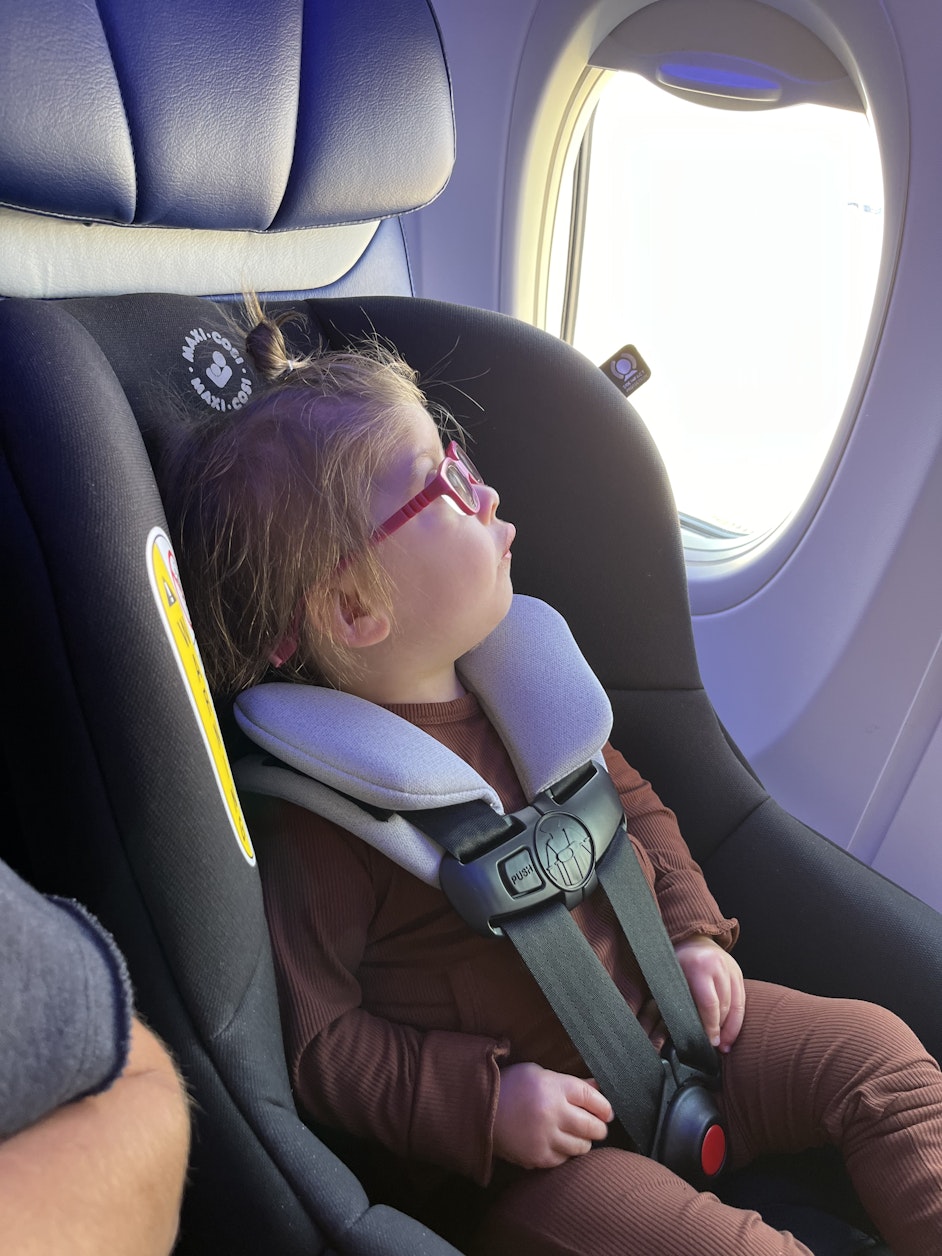
The harness keeps your child snug in the seat. It must fit tightly without pinching or restricting breathing. Position the harness straps at or below the child’s shoulders for rear-facing seats. For forward-facing seats, straps go at or above the shoulders. The chest clip should align with the child’s armpits. Regularly check the harness fit as your baby grows.
Car Seat Expiration And Replacement
Car seats have expiration dates printed on the label. Materials can weaken over time, reducing safety. Replace the seat after the expiration date passes. Avoid using secondhand seats without knowing their full history. Replace any seat involved in a crash, even if damage isn’t visible. Always use a car seat that meets current safety standards.
Credit: www.safeintheseat.com
Installation Tips
Installing your baby’s car seat correctly is crucial for safety. It might seem straightforward, but small errors can make a big difference in protecting your child. Let’s look at some practical tips that can help you secure the car seat properly every time.
Using Latch Vs Seat Belt
Most modern cars and car seats offer two installation options: LATCH (Lower Anchors and Tethers for Children) or the seat belt. LATCH is often easier and quicker to use, especially if you’re new to installing car seats. However, not all vehicles support LATCH in every seating position.
Sometimes, using the seat belt provides a tighter, more secure fit than LATCH. Check your car seat manual and vehicle guide to decide which method fits best for your setup. Have you tested both methods to see which feels more stable in your car?
Checking For Secure Fit
After installing the car seat, it’s important to check how tightly it’s secured. Grab the base near the belt path and try to move it side to side and front to back. If it moves more than an inch, it’s too loose.
Also, make sure the car seat is at the correct recline angle, especially for newborns. Many seats have built-in angle indicators or adjusters to help with this. Do you know where your car seat’s angle indicator is?
Common Installation Mistakes
- Loose Installation:Leaving slack in the seat belt or LATCH straps reduces effectiveness.
- Incorrect Recline Angle:Too upright or too flat can harm your baby’s breathing or comfort.
- Using Expired or Damaged Seats:Car seats have expiration dates and should never be used after accidents.
- Not Using the Top Tether:For forward-facing seats, skipping the tether can increase movement in crashes.
Have you double-checked each step during installation or asked a professional to verify your work? Small oversights can be fixed with a fresh look and some patience.
Legal Requirements
Understanding the legal requirements for baby car seats is crucial. Parents must ensure their child’s safety while driving. Laws vary across different regions. These laws dictate how and when to use car seats. Compliance helps protect your child and avoid penalties.
State Laws On Car Seat Use
Each state has its own car seat laws. These laws specify age, weight, and height requirements. It’s essential to know the laws in your state. Some states require rear-facing seats for toddlers. Others may have different rules. Always check local regulations before traveling.
Age And Size Regulations
Car seat laws consider a child’s age and size. Babies usually need rear-facing seats. This position protects their neck and spine. As they grow, forward-facing seats become suitable. Once they reach a certain size, booster seats are necessary. Each stage has specific criteria. Understanding these ensures proper safety.
Penalties For Non-compliance
Failure to follow car seat laws can lead to penalties. These include fines and points on your driving record. Non-compliance may also result in mandatory safety courses. Ignoring these rules puts your child at risk. It’s crucial to follow the laws to ensure safety.
Expert Recommendations
Choosing the right time to install a baby car seat can feel overwhelming. Expert recommendations offer clear guidance to help you keep your child safe from the very beginning. These insights come from trusted sources who understand both safety and practical parenting challenges.
Pediatrician Advice
Pediatricians emphasize installing the car seat before your baby’s first ride home from the hospital. They stress that the seat must be properly secured and adjusted to fit newborns safely. Many doctors suggest scheduling a car seat check-up with a certified technician to ensure correct installation.
Have you ever considered how a simple mistake in installation could affect your baby’s safety? Pediatricians advise parents to learn and follow manufacturer instructions carefully. This small step can prevent serious injuries in case of an accident.
Safety Organization Guidelines
Organizations like the American Academy of Pediatrics (AAP) and the National Highway Traffic Safety Administration (NHTSA) provide clear rules on car seat installation timing. They recommend using a rear-facing car seat from birth until at least age 2, or until your child reaches the highest weight or height allowed by the seat manufacturer.
- Install the seat tightly so it does not move more than one inch side to side or front to back.
- Use the vehicle’s seat belt or LATCH system according to the car seat manual.
- Keep the harness straps snug on your baby’s shoulders and chest.
Do you know the exact height and weight limits of your car seat? Following these guidelines ensures your child has the best protection possible.
Latest Research Findings
Recent studies highlight that early installation and consistent use of car seats reduce injury risk by up to 71%. Research also shows that many parents install car seats incorrectly, which diminishes their effectiveness.
Experts now recommend ongoing education and hands-on demonstrations for caregivers. This approach helps parents feel confident and reduces installation errors.
Are you aware of the most common installation mistakes? Understanding these can help you avoid them and keep your baby safer on every trip.
Credit: dondoreviews.com
Frequently Asked Questions
When Should I Install A Baby Car Seat?
Install the baby car seat before bringing your newborn home. It ensures immediate safety during the first car ride. Always follow the manufacturer’s guidelines for installation timing and method.
How Do I Know The Right Time For Car Seat Installation?
Install the car seat once your baby arrives or before their first trip. The seat must fit your child’s age, weight, and height for proper safety.
Can I Install A Baby Car Seat During Pregnancy?
Yes, installing during pregnancy helps you prepare in advance. It ensures the car seat is secure and ready when your baby comes home.
What Is The Safest Position To Install A Baby Car Seat?
The safest place is the back seat, preferably the middle. It reduces injury risk during collisions and keeps the baby away from airbags.
Conclusion
Installing a baby car seat at the right time keeps your child safe. Start using it as soon as your baby can sit up. Follow the car seat instructions carefully for proper fitting. Check the seat’s height and weight limits often.
Never rush the installation process. A secure seat protects your little one during every ride. Safety always comes first. Trust your instincts and stay informed. Your child’s safety matters most on the road.