

You want to keep your baby safe every time you hit the road. But how do you know when it’s time to change your baby’s car seat?
Using a seat that’s too small, too big, or worn out can put your child at risk. You’ll discover clear signs and simple tips to help you decide the perfect moment to upgrade your baby’s car seat. Keep reading to make sure your little one rides safely and comfortably every mile of the way.
.jpg)
Credit: www.thule.com
Signs Your Baby Outgrows The Car Seat
Knowing when your baby has outgrown their car seat is key for safety. Babies grow fast. Car seats have limits to keep your child secure. Watch for signs that show it is time to switch seats. These signs help protect your child during every trip.
Height And Weight Limits
Every car seat has a maximum height and weight limit. These numbers are on labels or in the manual. Your baby should never exceed these limits. Being too tall or heavy makes the seat unsafe. Check your baby’s size often. Stop using the car seat once your child passes these limits.
Head Position And Visibility
Your baby’s head should rest comfortably in the seat. If the head is above the top of the seat, it means outgrown. The head must be visible and supported. A poorly supported head can cause injuries. Watch for your baby’s head leaning or slipping out of place.
Harness Fit And Comfort
The harness must fit snugly without gaps. Loose straps reduce protection in a crash. Straps should lie flat and not twist. Your baby should still be comfortable. If the harness feels tight or uncomfortable, it’s time for a bigger seat. Proper fit is vital for safety and comfort.
Different Types Of Car Seats
Choosing the right car seat for your child is more than just a safety measure—it’s about knowing when to switch to the next type as they grow. Each stage of your baby’s development requires a different kind of support and protection. Understanding the different types of car seats helps you keep your child both comfortable and secure during every ride.
Rear-facing Seats
Rear-facing seats are the safest option for newborns and infants. They provide crucial support to the head, neck, and spine in case of sudden stops or collisions. Experts recommend keeping your child rear-facing until at least 2 years old or until they reach the seat’s height and weight limit.
Have you checked your baby’s current seat limits recently? Sometimes parents switch too early, not realizing the benefits of extended rear-facing travel.
Forward-facing Seats
Once your child outgrows the rear-facing seat, it’s time to move to a forward-facing seat with a harness. These seats are designed for toddlers who have good head and neck control. They usually fit children from about 2 years old up to 4-7 years, depending on the model’s limits.
It’s easy to forget the harness’s importance here; many parents switch too soon to booster seats, which don’t provide the same restraint and protection.
Booster Seats
Booster seats come next when your child outgrows the forward-facing seat’s harness. They help position the vehicle’s seat belt correctly across your child’s chest and hips. Children typically need boosters until they are about 4 feet 9 inches tall and between 8 to 12 years old.
Are you confident your child’s booster seat fits their height and weight perfectly? A poorly fitted booster can reduce safety and cause discomfort during longer trips.
Safety Guidelines For Each Stage
Knowing when to change your baby’s car seat is crucial for their safety on every trip. Each stage of your child’s growth demands specific guidelines to keep them secure. Understanding these safety recommendations helps you avoid common mistakes and keeps your little one protected as they grow.
Rear-facing Duration Recommendations
Experts recommend keeping your child in a rear-facing car seat as long as possible, ideally until at least age 2 or until they exceed the seat’s height or weight limits. Rear-facing seats provide better support for your child’s head, neck, and spine in a crash.
Think about your own experience—did you feel safer knowing your toddler was rear-facing longer? Many parents find peace of mind in extending this stage. Check your car seat manual regularly to track when your child outgrows it.
Transitioning To Forward-facing
Once your child outgrows the rear-facing seat, it’s time to switch to a forward-facing seat with a harness. This usually happens between ages 2 and 4, but it depends on your child’s size and the seat’s limits.
Keep the harness snug and use the top tether if your seat has one. This reduces forward movement in a crash. Have you checked if your car seat installation is tight enough? A loose seat can reduce safety significantly.
When To Use A Booster Seat
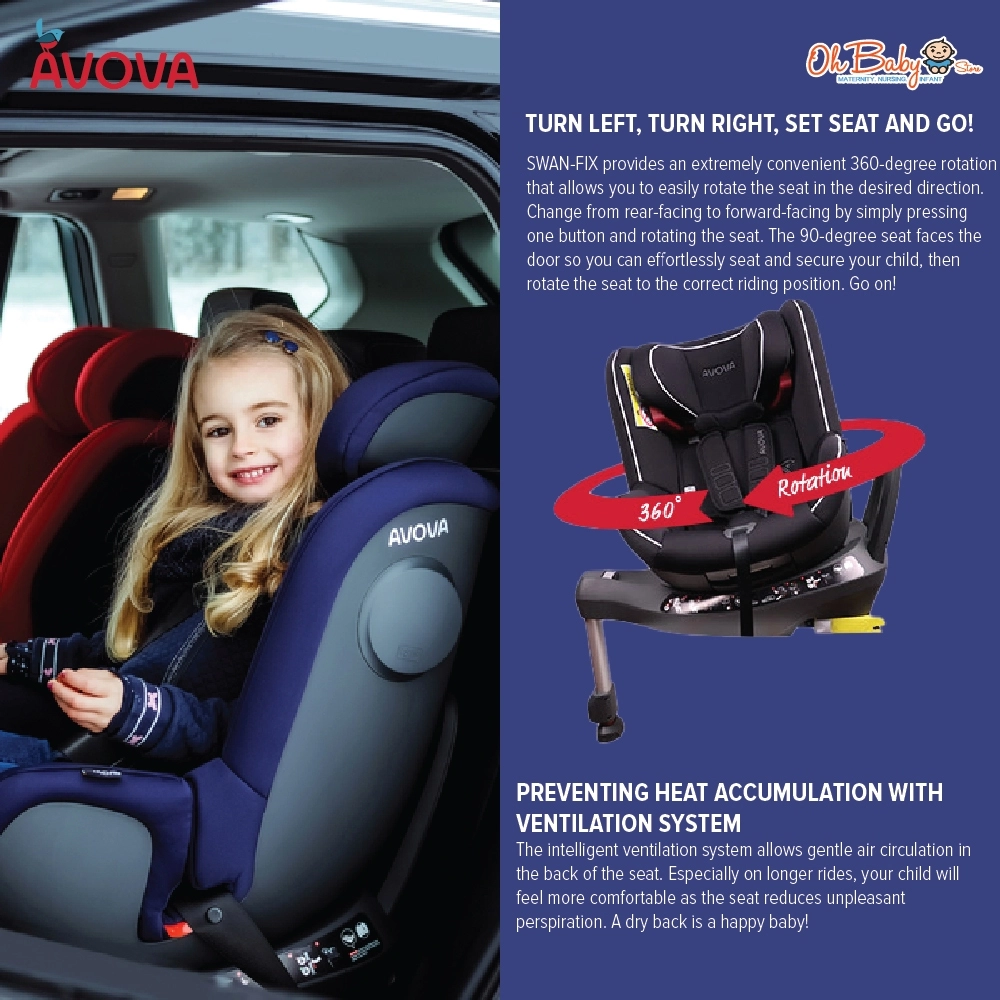
Your child should move to a booster seat when they outgrow the forward-facing harness seat, typically around ages 4 to 7. The booster seat helps position the vehicle’s seat belt correctly over the child’s shoulder and lap.
Make sure your child fits properly in the booster by checking if their knees bend at the seat edge and the belt lies flat across their chest and hips. Have you noticed many kids in cars without boosters yet? This can be risky and is worth addressing immediately.
Credit: harubina.co.jp
Common Mistakes To Avoid
Knowing when to change your baby’s car seat is important, but equally crucial is avoiding common mistakes that can compromise safety. Many parents switch seats too early, adjust harnesses incorrectly, or overlook the car seat’s expiry date. These errors can put your child at risk even if you think you’re doing the right thing.
Switching Too Early
Changing to the next car seat stage before your child actually fits the current one properly can reduce safety. Rear-facing seats offer the best protection, so keep your baby rear-facing as long as they meet the height and weight limits. Moving to a forward-facing seat too soon may expose your child to greater injury risk in an accident.
Ask yourself: Is your child truly outgrowing the seat, or are you just eager for convenience? Holding off until they meet clear size requirements makes a big difference.
Incorrect Harness Adjustment
Even the best car seat won’t protect your baby if the harness isn’t adjusted right. The straps should lie flat without twists and be snug enough so you can’t pinch any slack at the shoulder. Harness height is key: rear-facing seats require straps at or below the shoulders, while forward-facing seats need them at or above.
Many parents fail to check these details every time they buckle up. Take a moment to double-check the harness each trip—your child’s safety depends on it.
Ignoring Expiry Dates
Car seats don’t last forever. Over time, materials degrade, and safety standards improve. Using a seat past its expiration date can mean it won’t protect your child as well in a crash.
Locate the expiration date on your seat and mark it on your calendar. If you’ve inherited a seat or bought second-hand, verifying this date is even more important. Would you use a helmet with a cracked shell? Think of car seats the same way.
How To Choose The Next Car Seat
Check your baby’s height and weight to know when to switch car seats. Safety rules say to change seats as your child grows or after a crash. Moving to the right seat keeps your child safe and comfortable on every ride.
Choosing the next car seat for your baby is important. Safety and comfort are key factors. As your child grows, their car seat needs change. Here’s how to make the best choice.Checking Safety Ratings
Safety ratings help you choose a reliable car seat. Look for seats tested by trusted organizations. Check for high scores in crash tests. Read reviews from other parents. Ensure the seat meets safety standards. A safe seat offers peace of mind.Considering Ease Of Installation
An easy-to-install car seat saves time and stress. Look for seats with clear instructions. Some seats have click-in systems for quick setup. Ensure the seat fits well in your car. A secure installation means better safety for your child.Budget Vs. Features
Balancing budget and features is crucial. Set a budget before shopping. Compare seats within your price range. Look for features like adjustability and padding. Sometimes, spending a bit more ensures better safety and comfort. Choose wisely for your child’s safety.Additional Safety Tips
Ensuring your baby’s car seat is safe goes beyond just knowing when to replace it. Paying attention to extra safety tips can make a big difference in protecting your child during every ride. These simple habits can help you catch potential issues early and keep your little one secure.
Regularly Inspecting The Car Seat
Check your car seat often for any signs of wear or damage. Look closely at the harness straps, buckles, and the plastic shell. Even a small crack or frayed strap can reduce the seat’s safety.
Have you noticed how straps can get twisted or tangled? Straighten them each time before use to ensure a snug fit. Cleaning the seat according to the manufacturer’s instructions also helps maintain its integrity.
Proper Installation Techniques
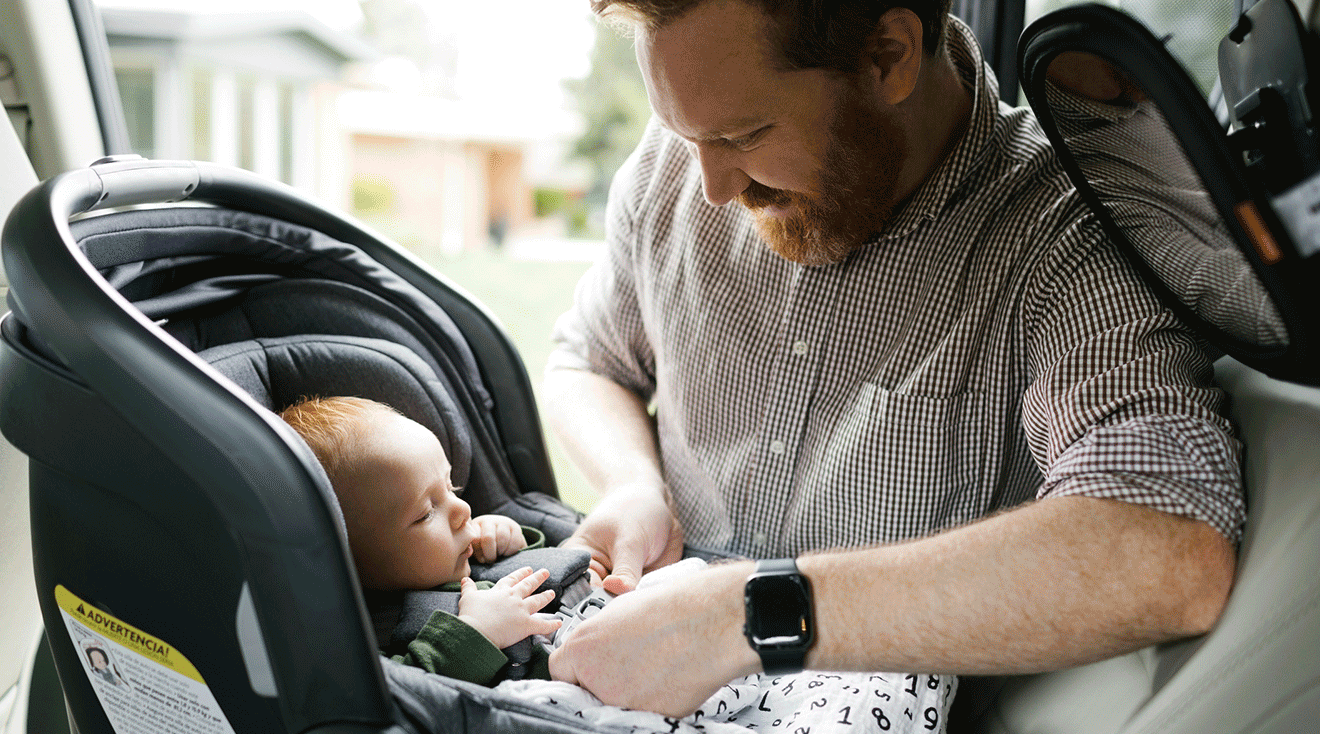
Installing a car seat correctly is crucial, yet many parents miss this step. Make sure you read the instruction manual carefully and follow the recommended installation method for your vehicle.
Consider using a car seat base if your model has one—it often makes securing the seat easier and more stable. If you’re unsure, local fire stations or baby stores often offer free installation checks. Have you ever felt unsure about your seat’s fit? Getting help can ease your mind.
Registering Your Car Seat For Recalls
Register your car seat with the manufacturer right after purchase. This simple action lets you receive important updates about recalls or safety notices immediately.
Recall notices can arrive months or even years after buying the seat. Staying informed means you won’t miss critical safety fixes or replacement offers. Do you know if your current seat is registered? It’s a quick step that can save lives.
Credit: www.thebump.com
Frequently Asked Questions
When Should I Switch My Baby Car Seat?
Switch your baby car seat when your child outgrows the weight or height limits. Check the manufacturer’s guidelines for specific limits. Also, replace if the seat is expired or damaged to ensure maximum safety during travel.
How Long Can A Baby Use A Rear-facing Car Seat?
Babies should remain in rear-facing seats until at least age 2 or until they exceed height or weight limits. Rear-facing seats offer better protection for a baby’s head and neck in a crash.
What Signs Indicate It’s Time To Change Car Seats?
Signs include the child exceeding height or weight limits, the seat expiring, visible damage, or recalls. Additionally, if the seat no longer fits your vehicle correctly, it’s time to upgrade.
Can A Car Seat Be Used After Expiration?
No, car seats should not be used after the expiration date. Materials degrade over time, reducing safety. Always check the seat’s label for the expiration date and replace expired seats promptly.
Conclusion
Choosing the right time to change a baby car seat keeps your child safe. Check the seat’s weight and height limits often. Replace the seat after any car crash, no matter how small. Look for signs like worn straps or broken parts.
Always follow the manufacturer’s instructions closely. Safety matters most when traveling with little ones. Stay alert to your child’s growth and needs. This simple step protects your baby every trip. Keep your child secure and comfortable on every ride.