
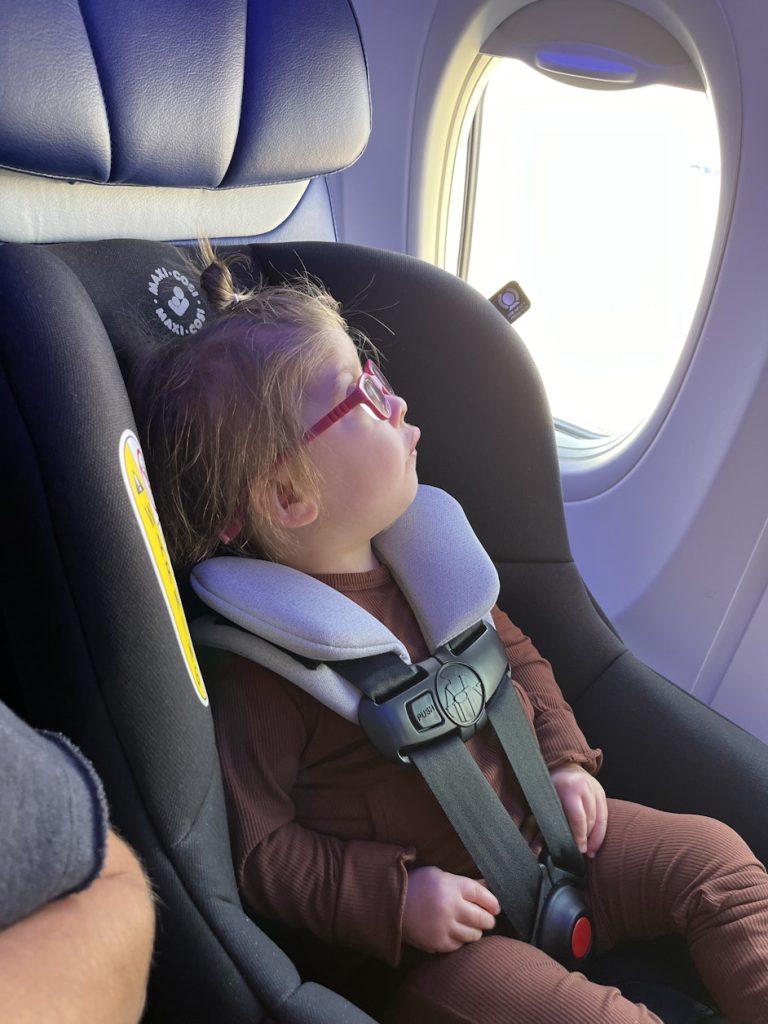
When should you install a baby car seat? It’s a question every parent or caregiver faces, often filled with worry and uncertainty.
You want to keep your little one safe the moment they start traveling, but knowing the right time and how to do it correctly can be confusing. This guide will help you understand exactly when to install a baby car seat, so you can protect your child from the very first ride.
Keep reading to learn the simple steps that can make all the difference in your baby’s safety.
Credit: www.upgrademystatus.com
Choosing The Right Time
Choosing the right time to install a baby car seat is more than just a safety step—it’s about preparing for your child’s comfort and protection from day one. Many parents wonder when exactly to install the seat and how to transition as their child grows. Understanding key factors like age, weight, and developmental milestones can guide you to make the best choice for your family’s needs.
Newborns And Car Seat Use
Newborns should be placed in a rear-facing car seat immediately after birth. This position supports their fragile neck and spine during travel. Installing the seat before you head home from the hospital can save you stress and ensure your baby’s safety.
Check that the seat fits snugly in your car and that the harness is adjusted correctly. You want to avoid any loose straps that could compromise security. Have you tested the seat installation yourself or asked a professional for help?
Transitioning Between Seats
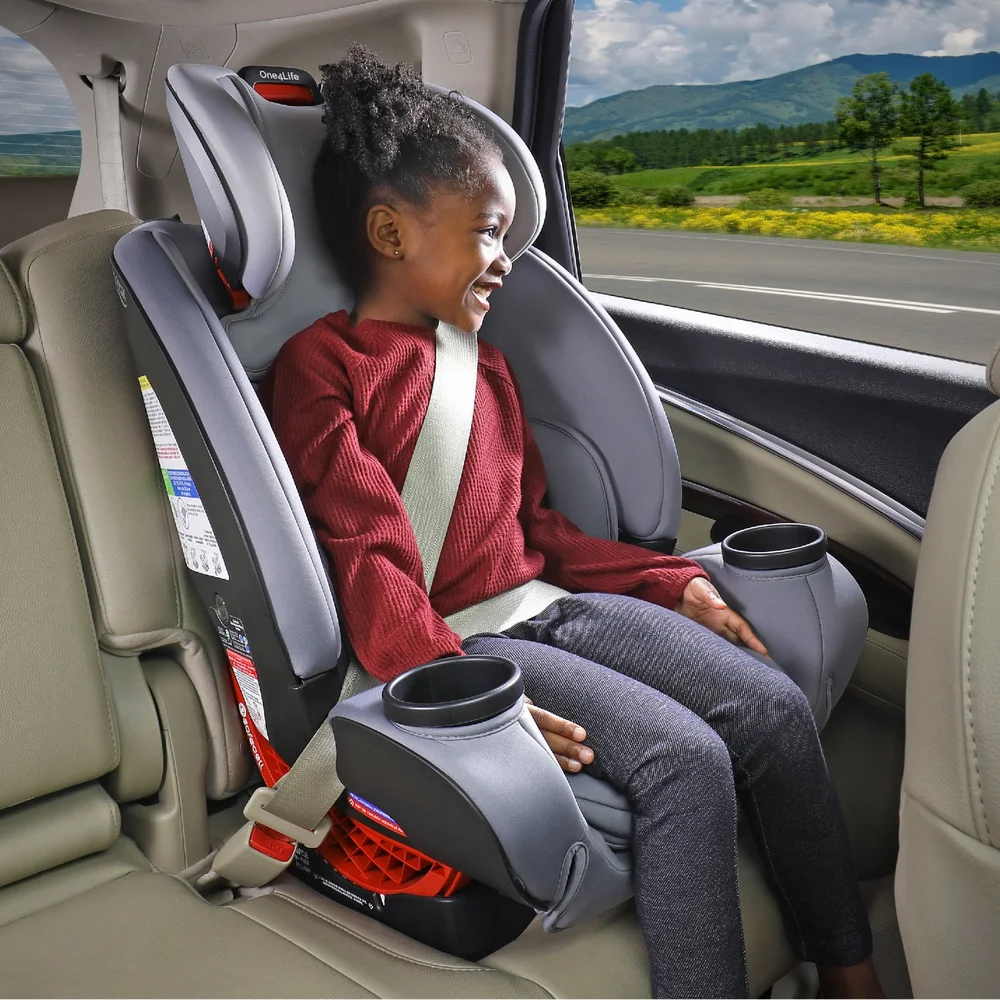
As your child grows, moving to the next car seat stage depends on their size and development, not just age. When your baby outgrows the rear-facing seat’s weight or height limits, it’s time to switch to a forward-facing seat.
Keep in mind, many safety experts recommend keeping your child rear-facing as long as possible. This might mean using a convertible car seat that adjusts to your child’s growth. Have you checked the manufacturer’s guidelines for weight and height limits on your current seat?
Age And Weight Guidelines
Different car seats come with specific age and weight recommendations that you should follow closely. For example, infant seats typically accommodate babies up to 30 pounds, while convertible seats can support children up to 65 pounds or more.
Use a growth chart or keep a record of your child’s measurements to decide when to upgrade. Ignoring these guidelines can put your child at risk or cause discomfort. Are you tracking your child’s growth regularly to know when it’s time for the next seat?
Types Of Baby Car Seats
Choosing the right baby car seat is essential for your child’s safety. Different seats fit different ages and sizes. Knowing the types helps you pick the best option. Here are the main types of baby car seats.
Rear-facing Seats
Rear-facing seats are for newborns and infants. They support the head, neck, and spine better. These seats face the back of the car. Experts say children should stay rear-facing as long as possible. Usually, this is until at least age two.
Forward-facing Seats
Forward-facing seats are for older toddlers and preschoolers. They face the front of the car. These seats have a harness to keep the child secure. Children move to this seat after outgrowing rear-facing limits. Weight and height limits vary by model.
Convertible Seats
Convertible seats switch from rear-facing to forward-facing. They grow with your child, saving money and space. These seats fit infants and toddlers. You can use them longer than single-use seats. Installation can be more complex but offers flexibility.
Installation Basics
Installing a baby car seat correctly is crucial for your child’s safety. Understanding the basics ensures the seat functions properly during travel. Follow these steps for a safe and secure installation.
Proper Seat Placement
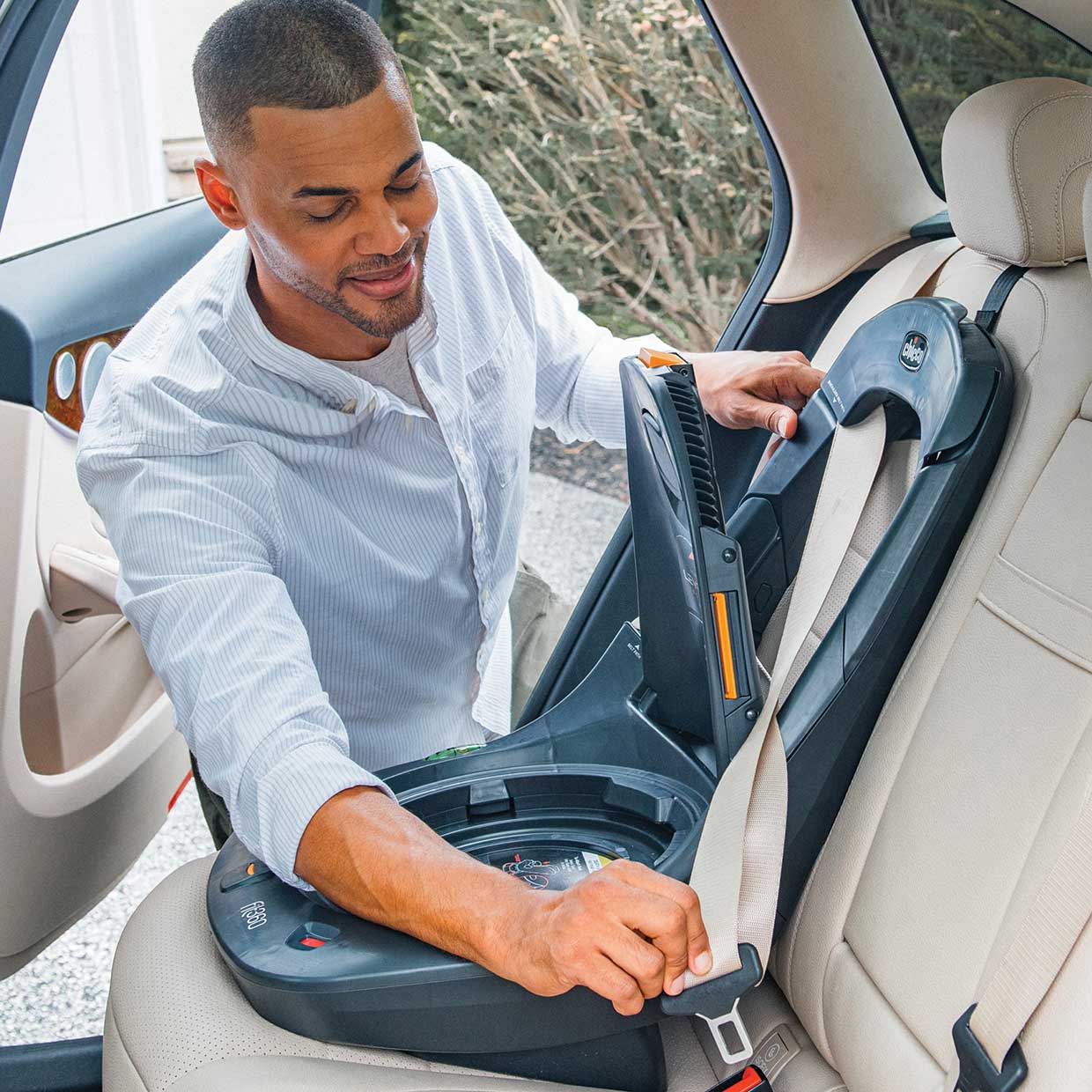
Choose the right spot in the car. The back seat is safest. Place the car seat in the center if possible. This minimizes the risk during side impacts.
Securing The Seat Belt Or Latch
Use either the seat belt or LATCH system. Never use both together. For the seat belt, thread it through the correct path. Ensure it’s locked tightly. If using LATCH, connect the anchors securely. Check your car manual for guidance.
Checking For Tightness
Test the seat’s tightness. It should not move more than an inch. Push and pull at the base. If it moves, tighten it further. A secure seat protects your child effectively.
Credit: www.chiccousa.com
Common Installation Mistakes
Installing a baby car seat correctly is essential for your child’s safety. Yet, many parents make common mistakes that can reduce the seat’s effectiveness. Recognizing these errors helps you avoid them and ensures your baby is secure every time you travel.
Loose Straps And Harnesses
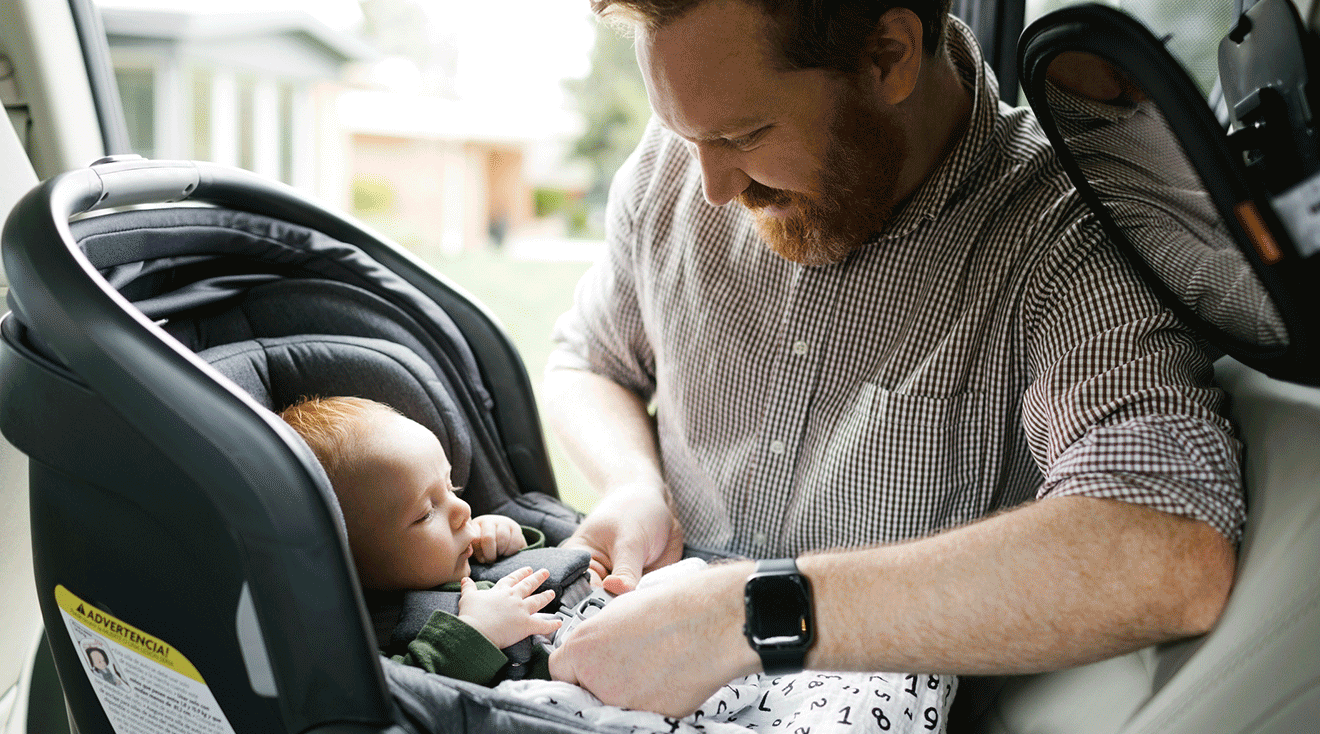
Loose straps are a frequent problem. If the harness isn’t snug, your child can move too much during a sudden stop. You should feel no slack—try the pinch test on the strap; if you can pinch fabric, it’s too loose.
Also, make sure the chest clip is at armpit level. I once saw a parent leave the clip too low, which could cause serious injury in a crash. Don’t let convenience compromise safety.
Incorrect Angle For Newborns
Newborns need to lie at a specific recline angle to keep their airways open. Too upright and their heads can flop forward, causing breathing problems. Most seats have a built-in angle indicator—use it every time you install.
If you’re unsure, place a rolled towel or pool noodle under the base to achieve the right tilt. Have you checked your baby’s car seat angle recently? It’s an easy fix that can make a big difference.
Using Expired Or Damaged Seats
Car seats have expiration dates for a reason. Plastic and straps degrade over time, reducing crash protection. Using a seat past its expiry or one with cracks and frayed straps is risky.
Always check the label for the expiration date and inspect the seat for damage before installation. If you inherit a seat from a friend, ask about its history. Was it ever in an accident? Even minor crashes can weaken the seat’s structure.
Legal And Safety Requirements
Installing a baby car seat is not just about comfort. It involves clear legal and safety rules to protect your child. Understanding these rules helps you keep your baby safe during every trip. Follow the laws and safety guidelines strictly. They are designed to reduce risks in accidents and ensure proper use of the car seat.
State And Local Laws
Every state has its own rules about baby car seats. These laws specify the age, weight, and height when a child must use a car seat. Some places require infants to remain rear-facing for a certain time. Others set strict penalties for not using the right car seat. Check your local laws before installing the seat. It ensures you meet legal standards and keep your child safe.
Manufacturer Recommendations
Car seat makers provide clear instructions on proper use. Follow their guidelines on installation and age limits. They include weight and height limits for each seat mode. Using the seat outside these recommendations can reduce safety. Always read the manual for correct installation steps. Adjust straps and buckles exactly as directed.
Safety Recalls To Watch For
Sometimes, car seats are recalled for safety issues. These recalls can involve faulty parts or dangerous designs. Stay updated by checking recall lists regularly. Register your car seat with the manufacturer to get alerts. Respond quickly to any recall notices to protect your baby. Replace or repair the seat as recommended to maintain safety.
Credit: www.thebump.com
Maintaining Car Seat Safety
Keeping your baby car seat safe is more than just installing it correctly. It requires ongoing attention and care to ensure your child stays secure every time you hit the road. Paying close attention to maintenance can prevent unexpected dangers and give you peace of mind.
Regular Inspections
Check your car seat often for any signs of wear or damage. Look at the straps, buckles, and shell for cracks, fraying, or missing parts.
Have you noticed how quickly straps can loosen? Make it a habit to tighten them before every trip. Even small changes can affect safety.
Adjusting For Growth
Your child will outgrow the car seat settings faster than you think. Adjust the harness height and recline angle to match their size as they grow.
Ignoring this can reduce the seat’s effectiveness. Do you remember the last time you checked if your child’s head was properly supported? It’s worth revisiting regularly.
Cleaning And Care Tips
Keep the car seat clean without harming its safety features. Use mild soap and water on the fabric, avoiding harsh chemicals that can weaken materials.
Remove crumbs and dirt that can get stuck in buckles. A clean seat isn’t just comfortable—it helps the mechanisms work smoothly.
Frequently Asked Questions
When Is The Best Time To Install A Baby Car Seat?
Install a baby car seat before your newborn’s first car ride. This ensures maximum safety from day one. Early installation helps parents avoid last-minute stress and guarantees proper setup.
How Do I Know If My Baby Car Seat Is Installed Correctly?
Check the car seat manual and vehicle guide for instructions. The seat should not move more than one inch side-to-side. Always ensure the harness fits snugly and the seat angle is correct.
Can I Install A Baby Car Seat During Pregnancy?
Yes, installing the car seat while pregnant is recommended. It allows you to learn proper installation techniques and ensures readiness for your baby’s arrival. This proactive step increases safety and peace of mind.
What Age Should My Baby Start Using A Car Seat?
Babies should use rear-facing car seats from birth until at least age 2. This position offers the best protection for a developing neck and spine. Always follow height and weight limits.
Conclusion
Choosing the right time to install a baby car seat keeps your child safe. Babies should ride in a rear-facing seat as soon as you leave the hospital. Installing the car seat correctly is just as important as timing. Check the car seat manual and your car’s instructions carefully.
Always secure your baby tightly and never rush the process. Safety grows with every trip you take together. Remember, a well-installed car seat protects your child best. Stay prepared and confident on every journey.