

You want to keep your child as safe as possible when riding in the car. One of the biggest questions parents face is: when should kids face forward in their car seat?
Making the right choice can protect your little one from serious injuries in an accident. But the answer isn’t as simple as it sounds. If you’re unsure about the right time to switch your child to a forward-facing seat, keep reading.
This guide will help you understand the important signs and safety rules so you can make the best decision for your child’s safety.
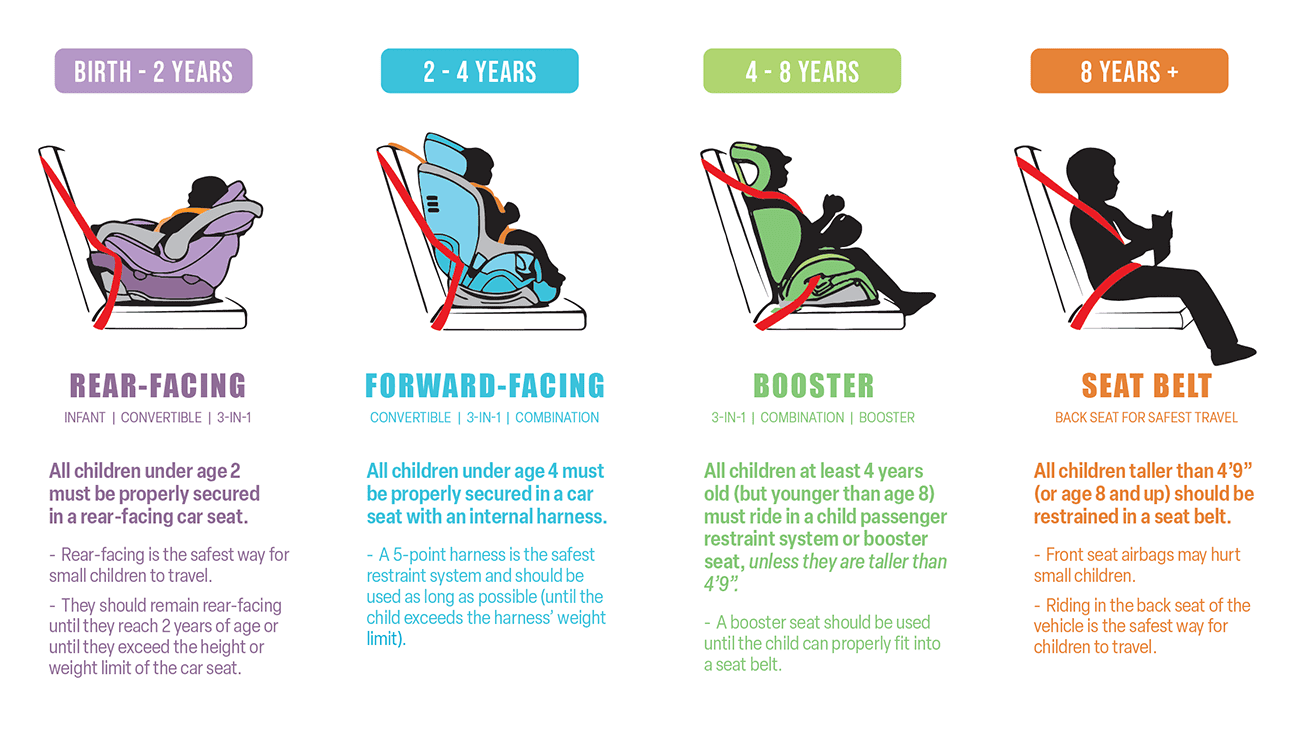
Credit: www.choctawnation.com
Rear-facing Car Seat Benefits
Choosing to keep your child in a rear-facing car seat longer is one of the most important decisions you can make for their safety. Rear-facing seats provide critical protection during a crash by supporting a child’s head, neck, and spine. Understanding these benefits can help you make informed choices about when to switch your child to a forward-facing seat.
How Rear-facing Protects Kids
Rear-facing seats cradle your child’s body and distribute crash forces evenly. In a sudden stop or collision, the seat absorbs much of the impact, reducing strain on the neck and spine. This is especially important because young children’s bones and muscles are still developing and more vulnerable to injury.
Think about it this way: the rear-facing position supports the entire back of your child’s head and neck. When my niece was in a rear-facing seat until she was nearly 3, I felt more confident driving with her because I knew her fragile neck was better protected than it would be facing forward.
Recommended Age And Weight Limits
Experts generally recommend keeping children rear-facing until at least 2 years old or until they reach the maximum height or weight allowed by the car seat manufacturer. Many convertible car seats support rear-facing use up to 40 pounds or more, which can cover children well beyond their second birthday.
- Check your car seat manual for specific weight and height limits.
- Don’t rush to switch just because your child has reached a birthday.
- Consider your child’s comfort and ability to sit safely in the rear-facing position.
Have you checked if your car seat supports extended rear-facing? Many parents are surprised to learn that their seats can keep kids rear-facing longer than they thought. This simple step can make a big difference in your child’s safety on the road.
When To Switch To Forward-facing
Knowing the right time to switch your child to a forward-facing car seat is important for their safety. Children should remain rear-facing as long as possible. This position offers the best protection for their head, neck, and spine. Changing to forward-facing too soon can increase injury risk during a crash. Parents should watch for signs that their child is ready. Also, always check the car seat’s manufacturer guidelines. These rules help keep your child safe on the road.
Signs Your Child Is Ready
- Your child has reached the car seat’s maximum rear-facing height or weight limit.
- Your child can sit up unassisted and has good head control.
- Your child’s shoulders are above the top harness slots in the rear-facing seat.
- Your child’s legs are long enough that they may be uncomfortable rear-facing.
- Your child shows no discomfort or distress when buckled forward-facing.
Manufacturer Guidelines To Follow
- Check the car seat manual for height and weight limits for rear-facing and forward-facing modes.
- Follow the recommended harness slot positions for your child’s size and age.
- Use the tether strap when installing the seat forward-facing to reduce forward movement.
- Inspect the car seat for expiration dates and recall notices before making changes.
- Install the car seat exactly as the manufacturer describes for forward-facing use.
Safety Tips For Forward-facing Seats
Transitioning your child to a forward-facing car seat is a big step. It’s important to keep safety at the forefront during this change. Following key safety tips ensures your child stays secure and comfortable while traveling.
Proper Harness Use
Make sure the harness straps lie flat without twists and fit snugly against your child’s body. The chest clip should be positioned at armpit level to keep the straps in the right place.
Adjust the harness height so the straps come through the slots at or above your child’s shoulders. This keeps them properly restrained in case of sudden stops or impacts.
Have you checked your car seat harness recently? It’s easy to forget that kids grow quickly, and a loose harness can reduce protection dramatically.
Seat Installation Best Practices
Secure the car seat tightly using either the vehicle’s seat belt or the LATCH system. The seat should not move more than an inch side to side or front to back when installed correctly.
Angle the seat according to the manufacturer’s instructions to support your child’s head and neck. An incorrect angle can cause discomfort or even harm during a crash.
Consider double-checking installation with a certified technician or at a local car seat safety check event. A small adjustment can make a big difference in safety.
.jpg)
Credit: www.thule.com
Common Mistakes To Avoid
Placing children in car seats correctly ensures their safety. Many parents unknowingly make mistakes during this process. Understanding these common errors helps protect young passengers. Let’s explore some of these mistakes and how to avoid them.
Moving Forward Too Early
Many parents switch to forward-facing seats too soon. Experts recommend keeping kids rear-facing until age two. Rear-facing seats provide better neck and spine support during sudden stops. Always check the car seat’s weight and height limits. Following these guidelines ensures maximum protection for your child.
Incorrect Seat Positioning
Incorrect seat positioning compromises your child’s safety. Ensure the seat is tightly secured to the car. It should not move more than an inch side-to-side or front-to-back. Use the tether strap for added stability in forward-facing seats. This prevents excess movement during a crash. Regularly check the seat’s angle and positioning as your child grows.
Legal Requirements By Region
Understanding the legal requirements for when kids should face forward in their car seats is crucial for every parent and caregiver. These laws vary widely depending on where you live, reflecting different safety standards and age or weight limits. Knowing the rules in your region helps protect your child and avoids unnecessary fines.
Laws On Car Seat Orientation
Many regions require children to remain in rear-facing seats until at least the age of 2 or until they reach a specific weight or height limit set by the car seat manufacturer. In some places, the law goes further, recommending or mandating rear-facing seats for longer periods due to their safety benefits.
For example, in some U.S. states, children must stay rear-facing until they weigh at least 40 pounds. Meanwhile, countries like the UK insist on rear-facing seats for toddlers up to 15 months old. These variations mean you should check your local guidelines regularly since laws can update based on new safety research.
Penalties For Non-compliance
Failing to follow car seat orientation laws can lead to penalties ranging from warnings to hefty fines. In some regions, non-compliance might also affect your car insurance coverage if an accident occurs while your child is improperly restrained.
Imagine the cost of a $200 fine plus the risk of injury to your child—does it make sense to take that chance? Beyond fines, some areas require you to attend safety courses or even face points on your driver’s license. These consequences emphasize how seriously authorities view child passenger safety.
Additional Safety Measures
Additional safety measures help protect children after they switch to facing forward in their car seats. These actions reduce injury risks during travel. Parents and caregivers must stay alert and keep car seats in top shape. Small steps can make a big difference in safety.
Using Booster Seats
Booster seats raise children so seat belts fit correctly. Proper fit means the belt lies across the chest and hips, not the neck or stomach. This position spreads crash forces over stronger body parts. Booster seats are for kids who outgrow forward-facing seats but still need extra support.
Choose a booster seat that matches your child’s weight and height. Always follow the manufacturer’s instructions for installation. Secure the booster firmly to prevent movement during the ride. A well-fitted booster seat helps keep kids safe and comfortable.
Regular Seat Inspection And Maintenance
Check car seats often to ensure they work properly. Look for cracks, broken parts, or worn straps. Clean the seat regularly, but avoid harsh chemicals that weaken materials. Inspect the harness system to ensure it tightens and releases smoothly.
Make sure the seat is installed tightly in the vehicle. A loose seat can fail in a crash. Confirm that all parts fit together as designed. Replace any damaged components immediately. Regular maintenance helps keep car seats reliable and safe.
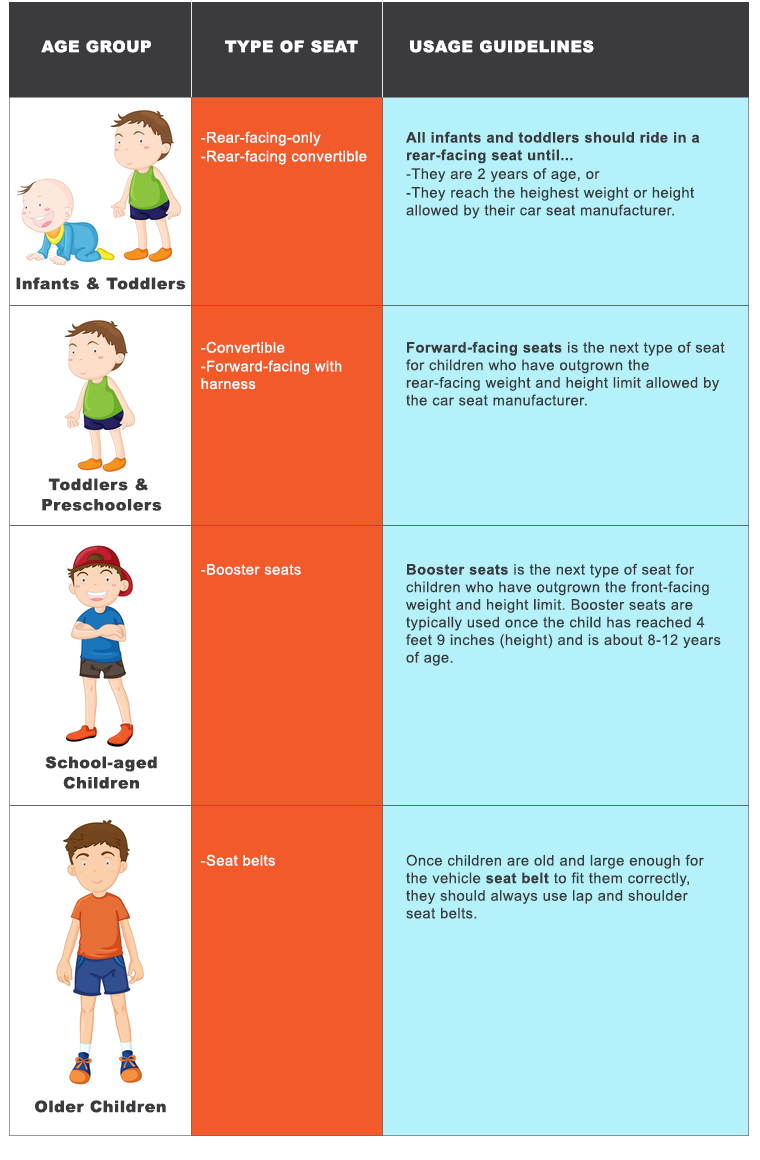
Credit: medium.com
Frequently Asked Questions
When Is The Right Age To Face Kids Forward In Car Seats?
Most experts recommend keeping kids rear-facing until at least age 2 or until they reach the car seat’s height and weight limits. This position offers the best protection for young children’s heads, necks, and spines in a crash.
What Weight And Height Allow Forward-facing Car Seats?
Children can face forward once they exceed their rear-facing seat’s weight or height limits. These limits vary by seat model, but typically kids face forward after 20-40 pounds and 30-35 inches tall.
Are Forward-facing Seats Safe For Toddlers And Preschoolers?
Yes, forward-facing seats with a harness are safe once kids outgrow rear-facing limits. They provide proper restraint and support for toddlers and preschoolers in car travel.
How Long Should Kids Stay Rear-facing In Car Seats?
Kids should remain rear-facing as long as possible, ideally until age 2 or beyond. Rear-facing seats better protect the head and neck during crashes compared to forward-facing seats.
Conclusion
Choosing the right time to turn kids forward in their car seat keeps them safe. Follow the car seat rules and weight limits carefully. Keep children rear-facing as long as the seat allows. This position protects their head and neck best.
When kids grow bigger, switch to forward-facing with a harness. Always check your car seat manual for guidance. Safety matters most during every trip. Remember, small steps keep your child protected on the road. Stay informed and cautious to ensure safe travels for your family.